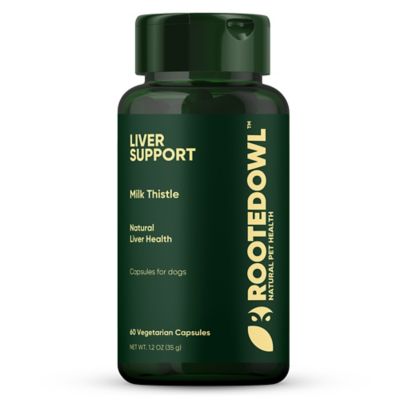
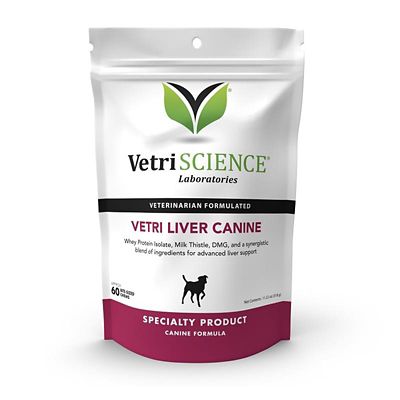
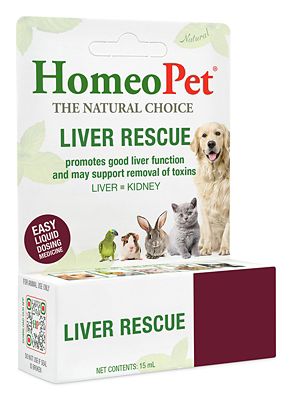
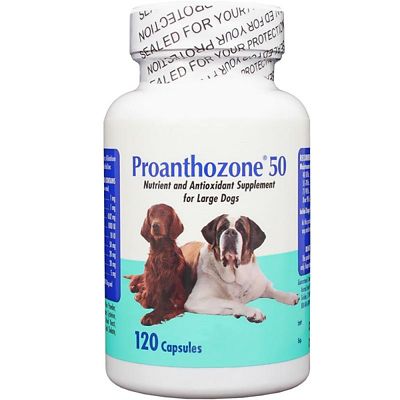
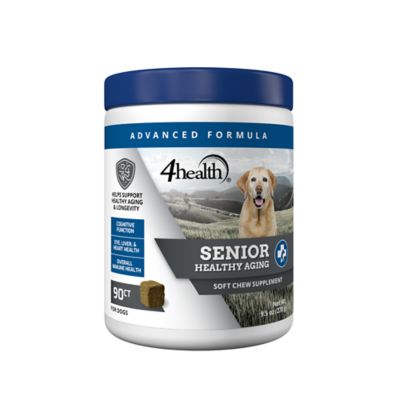
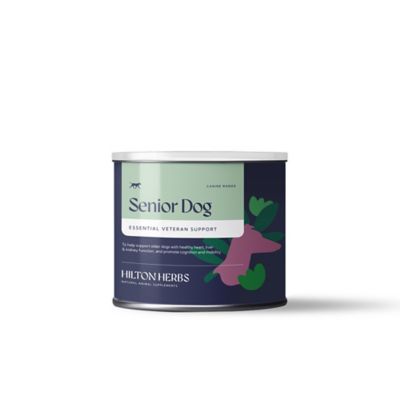
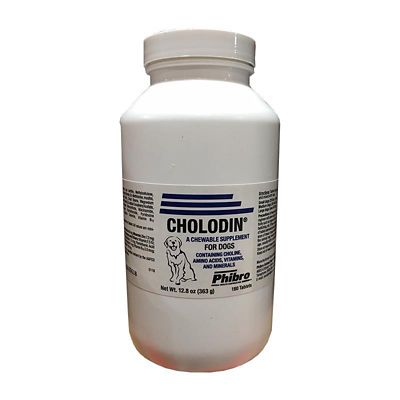
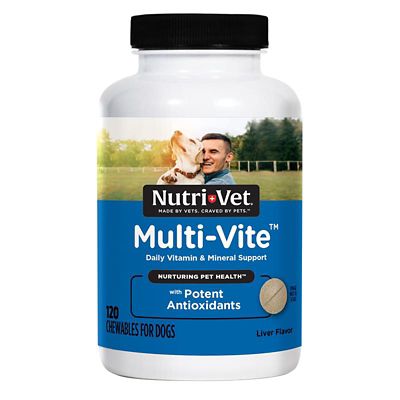
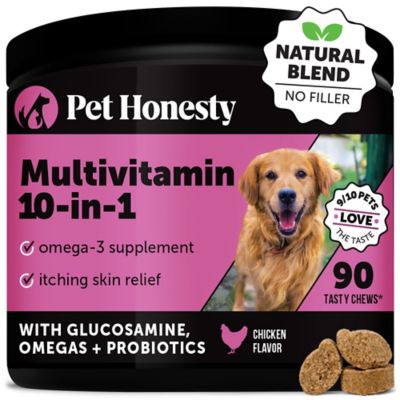
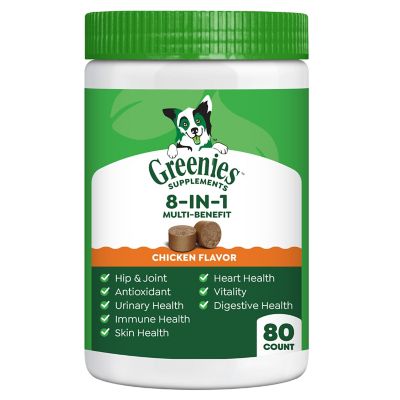
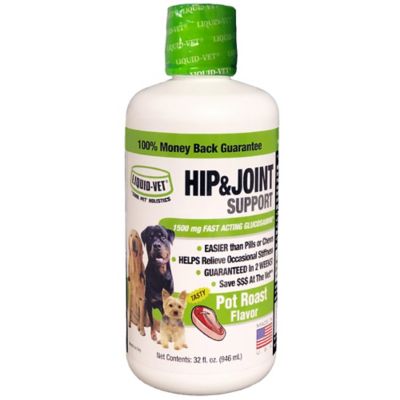
Liver support supplements for dogs are formulated to support normal liver function, often as one part of a veterinarian-directed care plan. The liver helps process nutrients, produces bile for fat digestion, stores certain vitamins, and breaks down medications and other substances the body needs to handle. That makes liver health important for everything from everyday nutrition to managing a long-term medical condition. Supplements in this category may supply antioxidant-supporting compounds, botanical extracts, or other nutrients, but they do not all contain the same ingredients or serve the same purpose. A veterinarian might recommend supplemental support after reviewing bloodwork, a dog's medical history, and any medications already in the daily routine. An elevated liver enzyme result alone does not identify the cause or tell the whole story, so choosing a supplement should not take the place of further evaluation. Whether your dog spends the day tagging along for chores or keeping a favorite spot beside the couch, the right choice depends more on individual health needs than activity level or appearance. Age alone does not mean a dog needs liver supplementation, either. A healthy senior dog and a younger dog receiving treatment for a liver condition can have very different nutritional needs. Dog-specific formulas, clearly stated ingredient amounts, and directions that match your dog's weight give you practical details to compare. Labels may also specify an appropriate life stage, making that information especially important for puppies or dogs that are pregnant or nursing. These supplements are not a substitute for complete and balanced food, prescribed medication, or follow-up testing. Poor appetite, repeated vomiting, marked tiredness, or yellowing of the eyes or gums calls for veterinary attention rather than a trial of a new supplement. For dogs already under veterinary care, the goal is a manageable daily routine that fits the treatment plan without adding unnecessary ingredients.
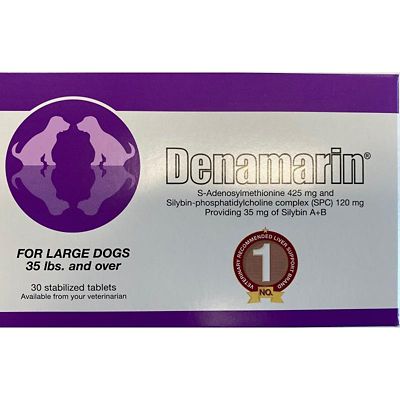
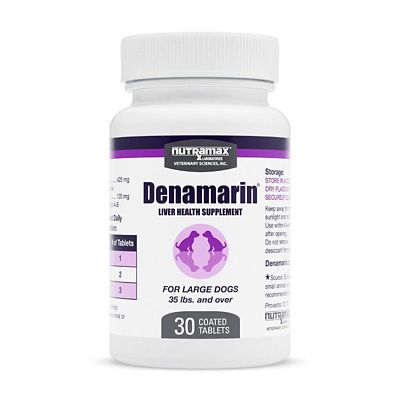
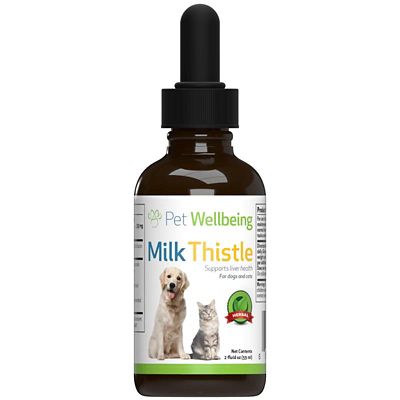
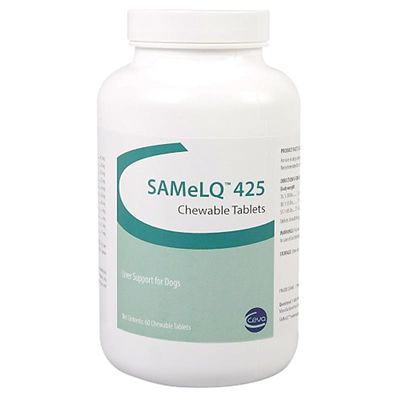
Common ingredients in canine liver supplements include S-adenosylmethionine, usually called SAM-e, and milk thistle extracts containing silymarin or silybin. SAM-e is a compound found naturally in the body that participates in several metabolic processes and helps support production of glutathione, an important antioxidant. Glutathione helps cells defend against oxidative damage; it is not simply a way to “flush” the liver. Milk thistle contains a mixture of compounds known as silymarin, with silybin among its main active components. These ingredients are included for their antioxidant and liver-supporting properties, though the benefit for a particular dog depends on the underlying condition, the formulation, and the rest of the care plan. Evidence varies, and no ingredient guarantees that damaged liver tissue will recover. Some formulas pair silybin with phospholipids to help absorption, which is one reason a milligram amount on one label may not compare directly with the amount on another. The amount of a whole herb, the amount of an extract, and the amount of a named active compound are different measurements. Combination formulas may bring SAM-e and a milk thistle component together, while others focus on a single main ingredient. Vitamin E, zinc, and omega-3 fatty acids may also appear in products intended for nutritional or antioxidant support. More is not automatically better: extra zinc or fat-soluble vitamins can be inappropriate, and a complete dog food or another supplement may already supply them. Fish-derived ingredients also deserve a closer look for dogs with food sensitivities or dietary restrictions. Botanical blends sometimes include additional herbs, but a longer ingredient list does not establish a greater benefit. For a dog taking prescriptions, the full formula matters because supplements can affect medication management. Bringing the complete label to a veterinary appointment makes it easier to discuss ingredient overlap, suitable amounts, and whether the formulation fits the reason supplementation was recommended.
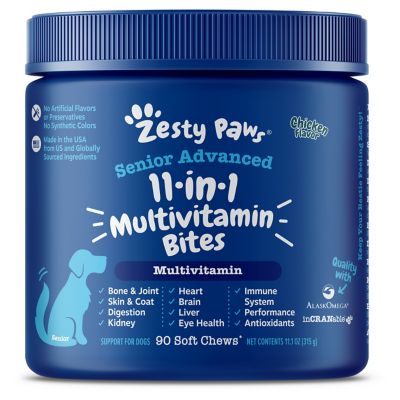
Tablets, capsules, soft chews, powders, and liquids offer different ways to fit liver support into daily care. A soft chew may be convenient for a dog that readily takes treats, while a measured liquid or powder may suit a different feeding routine if the label allows mixing with food. Texture and size matter for small mouths, dogs missing teeth, and dogs that tend to gulp anything offered by hand. Flavorings and inactive ingredients matter, too, particularly when a dog follows a restricted diet. Check the serving directions rather than judging by the size of a chew or tablet: the amount per piece can differ, and larger dogs may need a different serving or strength. Some SAM-e formulations have specific empty-stomach directions, often about an hour before a meal, but timing should follow the particular label and your veterinarian's advice. A breakfast bowl is not the right hiding place for every liver supplement. Certain tablets have coatings intended to protect the contents through the stomach, so crushing, splitting, or opening a product can interfere with its intended delivery. For the dog that spots every tablet tucked into a bite of food, discussing another format is better than changing how a coated tablet is given. Human supplements are not interchangeable with canine formulas; strengths can differ, and some contain ingredients such as xylitol that are dangerous for dogs. Storage deserves attention as well, especially with ingredients sensitive to moisture. Follow package directions, keep containers closed, and leave individually sealed tablets in their packaging until it is time to give them. A dry cabinet away from feed-room dampness, curious noses, and children's reach is a sensible place when it meets the label's storage requirements. Dietary changes belong in the same veterinary conversation. If added protein is recommended for a separate nutritional need,
Dog Protein Supplements address a different part of the diet; liver concerns do not automatically mean a dog needs more protein or less. A supplement that fits your dog's medical needs, feeding schedule, and willingness to take it is easier to keep consistent, with veterinary follow-up providing the clearest picture of how the overall plan is working.