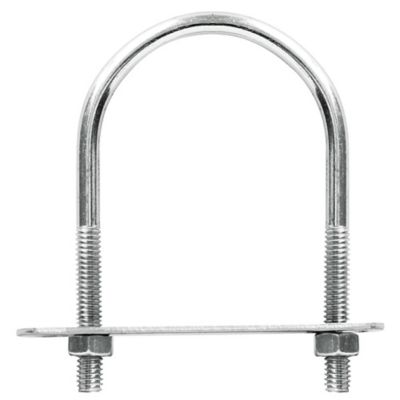
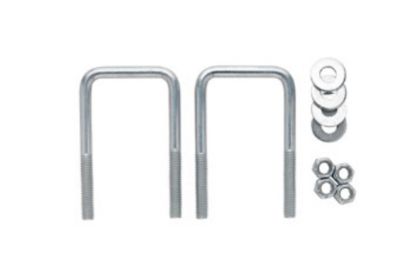
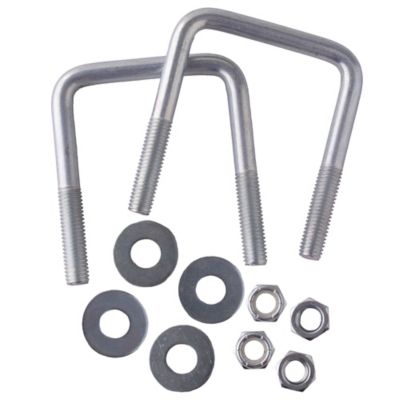
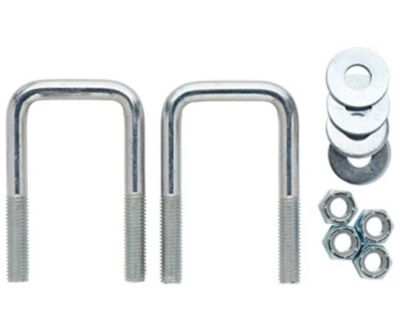
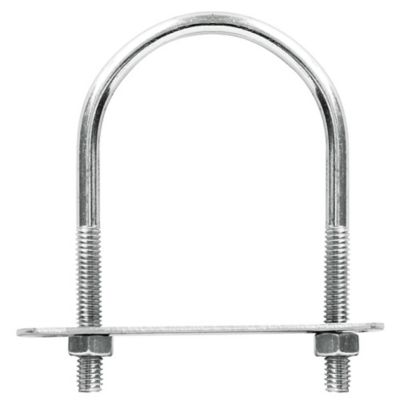
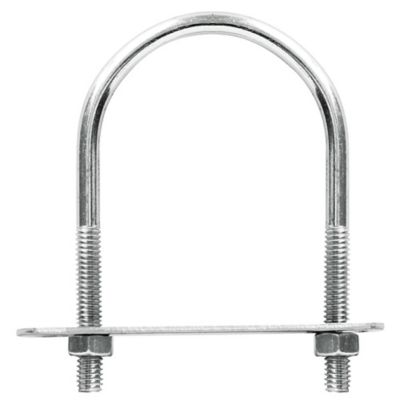
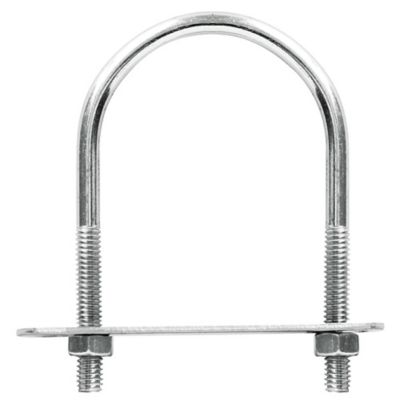
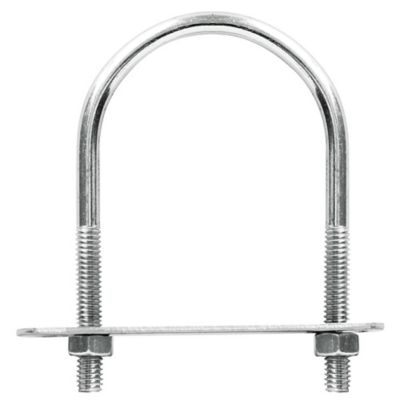
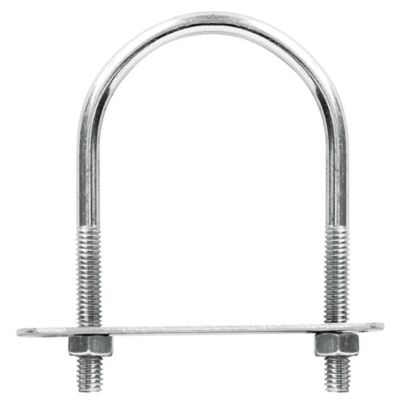
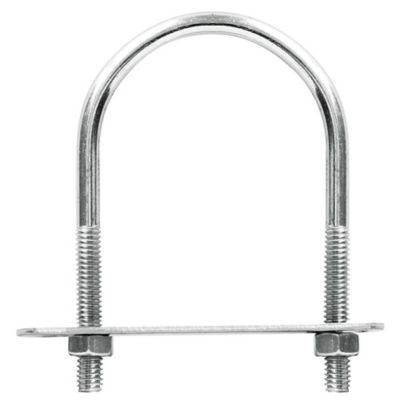
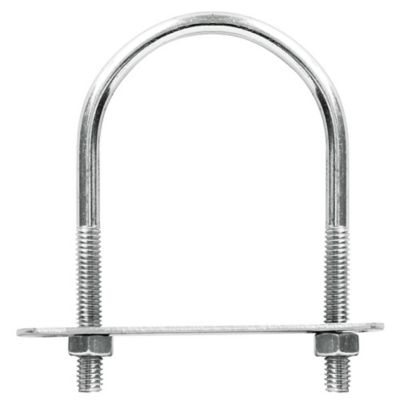
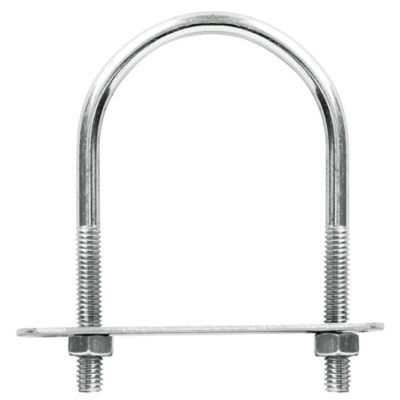
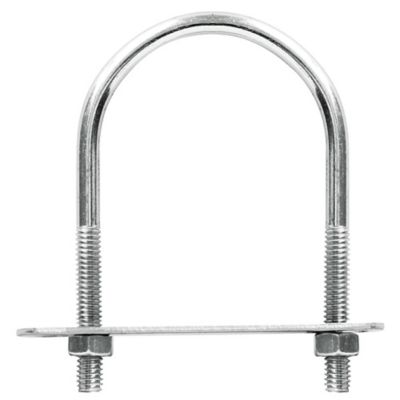
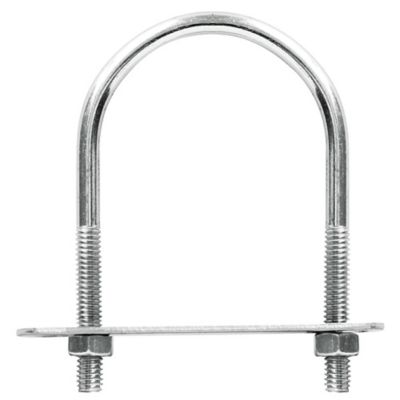
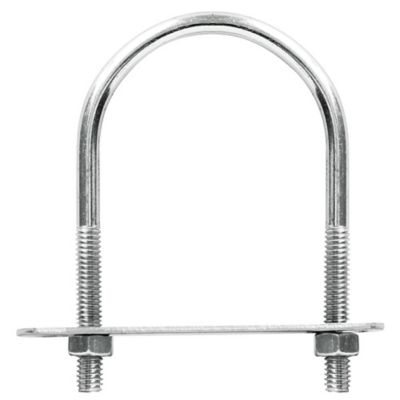
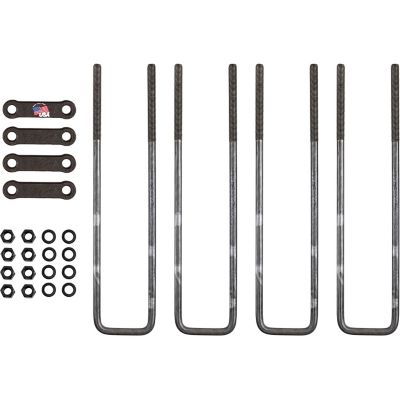
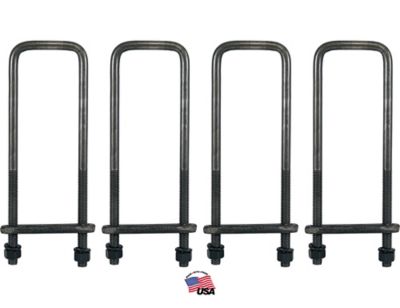
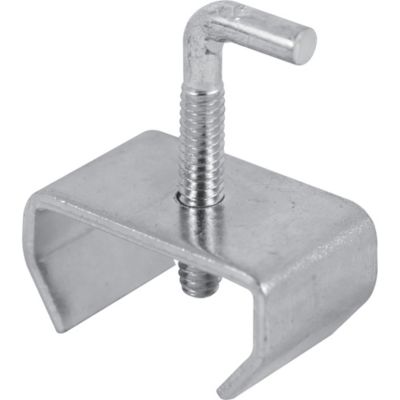
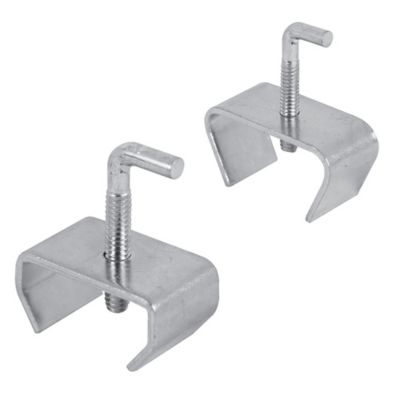
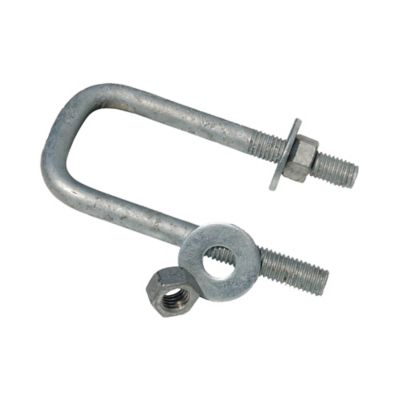
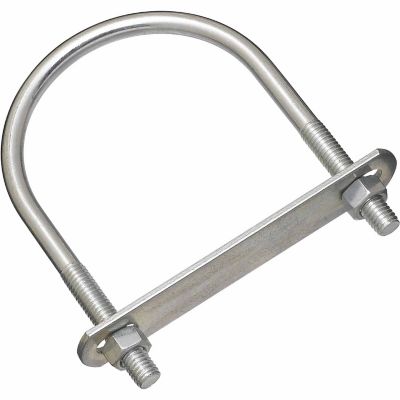
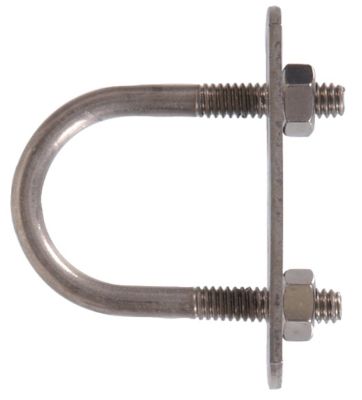
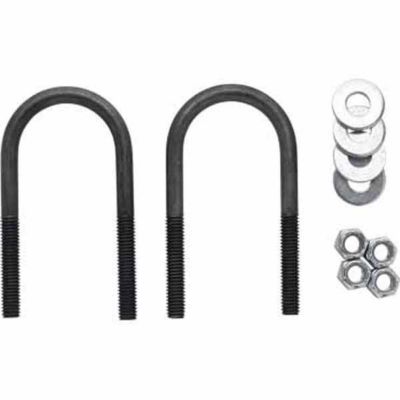
U bolt clamps are practical, hardworking fasteners for holding round or cylindrical materials firmly against a surface. Made with a U-shaped bolt threaded on both ends, these clamps typically work with a saddle or backing plate and two nuts to create steady pressure around pipe, tubing, conduit, cable, exhaust components, trailer parts, and other round stock. They are a familiar sight in barns, shops, garages, utility rooms, and equipment sheds because they can handle the kind of repair and building jobs that come up around a working property. A properly fitted clamp helps keep a pipe from shifting, supports a line along a wall or frame, and limits movement caused by vibration, bumps, or changing temperatures. The most important place to start is with the outside diameter of the material being secured. Measure the pipe, tube, or conduit rather than relying on a rough visual estimate, and allow the fastener to sit around it without forcing the legs together. The saddle should make even contact, while the threaded ends need enough length for the plate and nuts to engage several threads after the clamp is seated. A clamp that is too small can crush or distort what it is holding; one that is too large may leave the assembly loose and allow rattling or unwanted movement. It is also worth checking the space around the work area before ordering. Tight corners, narrow channels, and overhead runs may call for a different leg length or a more compact fastening arrangement.
Material and finish matter just as much as size. Zinc-coated or electro-galvanized steel is a common choice for general indoor work and many outdoor repairs, offering protection against ordinary moisture and surface rust. Stainless steel is useful in damp, corrosive, or wash-down environments where longer-lasting resistance is a priority, including certain marine, agricultural, and utility applications. For jobs where vibration, noise, or rubbing could become a problem, cushioned U bolt clamps add a rubber or flexible polymer lining between the fastener and the material. That soft layer can help protect painted tubing, reduce metal-on-metal wear, and quiet the steady buzz that sometimes travels through a pipe or frame. Bare metal may be suitable for a dry, protected project, but outdoor equipment, livestock areas, trailers, and exposed utility runs generally benefit from a corrosion-resistant finish. Pay attention to thread size, nut style, clamp shape, and the thickness of the saddle or backing plate as well. Heavy-duty assemblies may require a stronger bolt and wider plate to spread pressure over the surface instead of concentrating it in one small spot. Clamps made for pipe support, exhaust work, structural mounting, or trailer repair can look similar at a glance while serving different purposes, so matching the fastener to the application helps prevent premature loosening or damage. For air lines and similar flexible tubing, browse
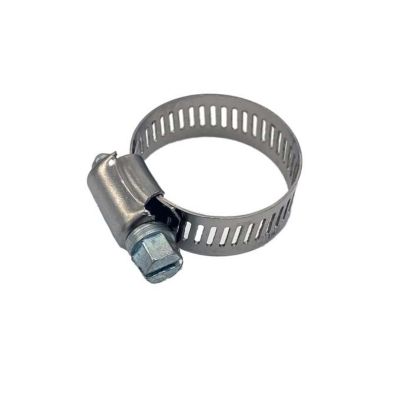
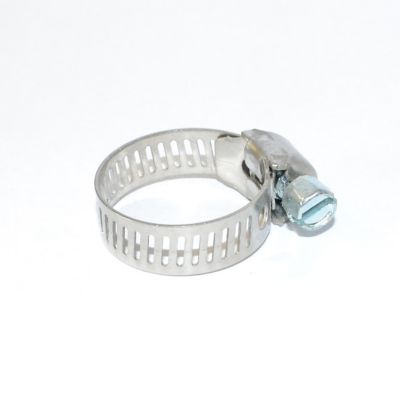
Air Hose Clamps for fastening options intended for hose connections.
U bolt clamps are used by do-it-yourself homeowners, farmers, ranchers, mechanics, maintenance crews, plumbers, HVAC installers, fabricators, and anyone who keeps a useful collection of fasteners close at hand. They can secure water lines and gas-rated piping where the correct approved hardware and local requirements call for it, hold electrical conduit along a wall or post, stabilize tubing on a gate or livestock setup, or fasten components to a trailer frame. Automotive and small-engine work is another common application, especially when joining or supporting round exhaust tubing, though exhaust systems reach high temperatures and require hardware rated for that environment. On a boat trailer, utility trailer, or farm implement, the right clamp can help keep a bracket or tube from walking out of alignment as the equipment travels over gravel and uneven ground. Installation is straightforward, but careful fitting pays off. Place the U bolt squarely around the material, position the saddle so it bears evenly, and tighten both nuts gradually by alternating from side to side. This helps keep the pressure balanced and prevents the clamp from pulling crooked. Do not overtighten cushioned clamps or thin-wall tubing, since too much pressure can flatten the material or squeeze out the protective insert. After the assembly has been exposed to vibration, weather, or a few trips down a rough road, inspect the nuts, threads, saddle, and surrounding material for looseness, rust, cracking, or wear. A light coating of suitable thread protection may help in some outdoor conditions, while locking nuts or washers can be useful when permitted by the application. Always follow the requirements for structural, automotive, plumbing, electrical, or pressure-related work, and never use a general-purpose clamp where a rated support or safety fastener is required. For a homeowner putting together a shop project, a repair-minded relative, or the person who always gets called when a gate, trailer, or piece of equipment needs attention, a selection of properly sized U bolt clamps is a useful addition to the hardware shelf. As the weather warms and outdoor projects pick up, they can help with building and repair work around the property; during the cooler months, they remain handy for shed maintenance, equipment storage, garage projects, and winterizing exposed lines.