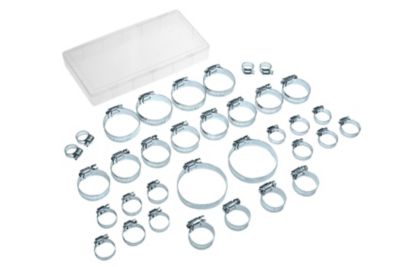
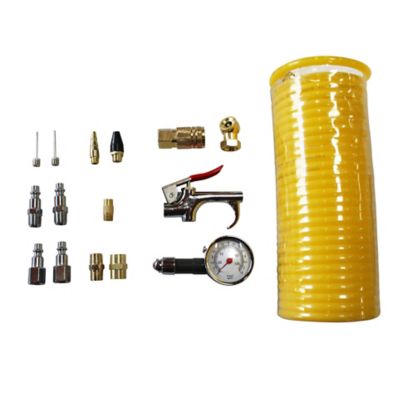
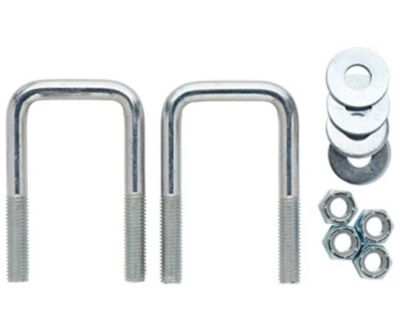
Air hose clamps help keep flexible pneumatic hose seated tightly on a barbed fitting, where a loose connection can lead to air leaks, a sudden hose blowoff, or a compressor that runs longer than it should. They are useful around the farm, garage, workshop, service truck, and jobsite wherever compressed air is part of the daily work. A clamp may be used on an air line for tire inflation, impact tools, blow guns, nailers, sprayers, cleaning equipment, and other pneumatic tools, but the right choice depends on more than simply finding a ring that fits over the hose. Start by checking the hose’s outside diameter, including the size it reaches when pressurized, and compare that measurement with the clamp’s usable range. A clamp that is too large may not tighten evenly, while one that is too small can damage the hose or fail to seat over the fitting. The fitting barb should be fully inserted into the hose, with the clamp positioned over the portion supported by the barb rather than hanging at the hose’s very end. Leaving a small margin between the hose end and the edge of the fitting helps the connection hold together neatly. It is also important to match the clamp and hose to the air pressure, temperature, working environment, and type of service involved. A light-duty line used around a home shop may call for a different style than a large-diameter blasting or industrial hose. Before making a purchase, look for compatible materials, a suitable pressure rating, and a size that matches the hose and fitting combination—not just the nominal hose size printed on the package.
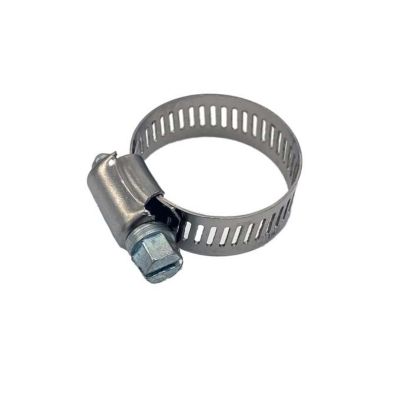
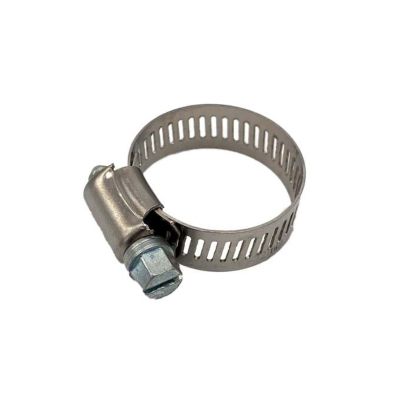
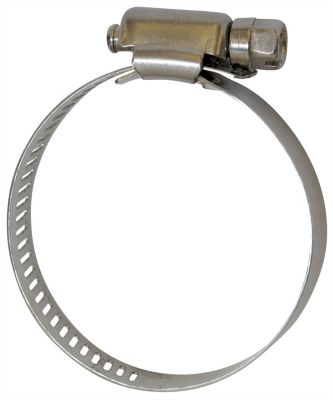
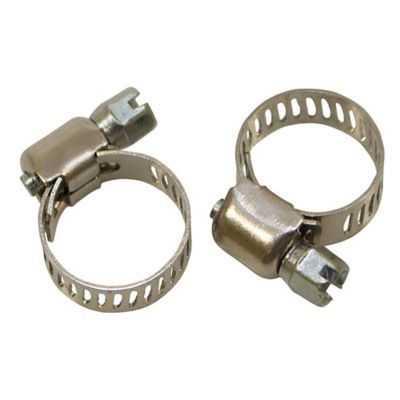
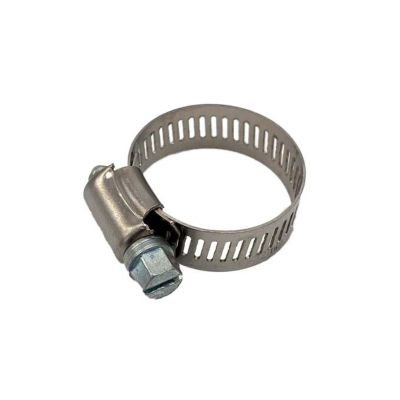
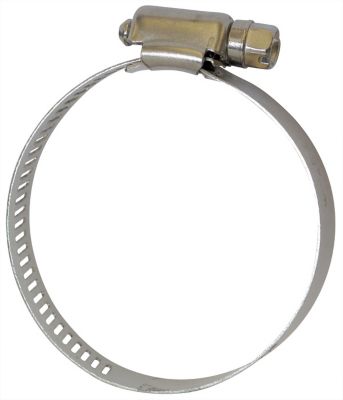
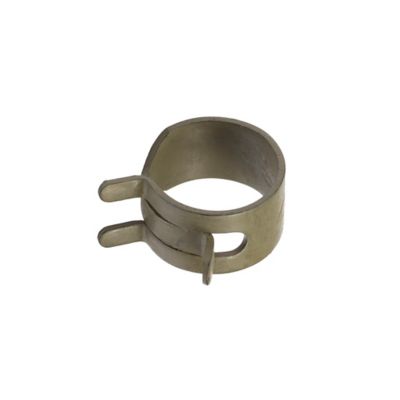
Different clamp styles suit different jobs. Ear clamps, sometimes called pinch-style clamps, form a smooth, continuous 360-degree grip around the hose. With no screw housing sticking out, they offer a clean profile that is less likely to snag on clothing, rags, or nearby equipment. They are often selected for connections that will stay assembled and can provide a consistent seal when installed with the proper pincer or crimping tool. Standard worm-gear screw clamps are adjustable and convenient for repairs or setups where the connection may need to be removed later. A screwdriver makes field adjustments simple, though the screw housing and band edges can create a snag point, and the band must be tightened evenly without cutting into the hose. Center-punch or band clamps are built for a firm, heavy-duty hold and are installed with a dedicated banding tool that locks the band in place. For large-diameter air supply or blasting hoses, multi-bolt clamps can spread pressure across a broad area and are made for demanding service, but they also require the correct matching components and careful tightening. Improvising with ordinary pliers on an ear clamp or punch clamp can leave an uneven grip, so use the tool intended for that clamp style. Once installed, inspect the connection with the air supply shut off, then pressurize the line gradually while keeping hands and face away from the fitting. Listen for hissing, watch for hose movement, and release the pressure before making any adjustment. Never rely on a clamp to repair a hose that is cracked, cut, badly swollen, or otherwise worn out; replacing damaged hose is the safer fix. For connections that need a different thread, fitting style, or hose-end arrangement, browse
Air Hose Adapters to help build a compatible setup.
Air hose clamps are a practical addition to a maintenance drawer because they take up little room and can save a lot of aggravation when a line starts leaking during a tire change or a tool is needed for an afternoon repair. They are handy for farmers, ranchers, mechanics, equipment owners, contractors, and do-it-yourselfers who keep an air compressor close by. A well-stocked service box might include several sizes for commonly used hose, along with spare fittings and the right installation tool, especially when equipment travels between the barn, shop, and field. They can also make a thoughtful gift for someone setting up a first workshop, restoring an older tractor, maintaining trailers, or building a home garage one project at a time. Picture a late-season chore day: the ground is drying after a cool night, a compressor is humming near the shed, and a small leak at the end of an air line threatens to slow down a tire repair. Having a properly sized clamp on hand means the work can get finished without a trip across town for a last-minute part. Store clamps in a dry place and keep them sorted by size so the correct one is easy to find when tools are scattered across a workbench. During warmer conditions, heat and pressure can make a marginal connection show its weakness; during cooler months, stiff hose material may need extra care when fitted over a barb. Tighten only as much as needed for a secure seal, since crushing the hose can be just as troublesome as leaving it loose. With the right size, style, tools, and pressure rating, an air hose clamp helps create a dependable connection that stands up to everyday shop work and the rough handling that comes with life on the farm.