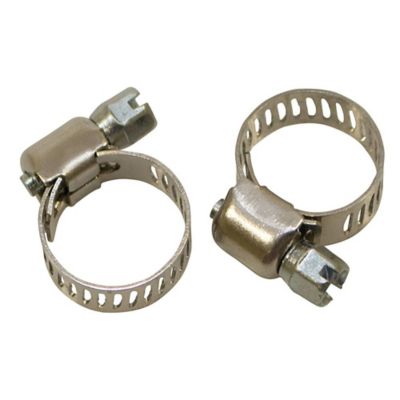
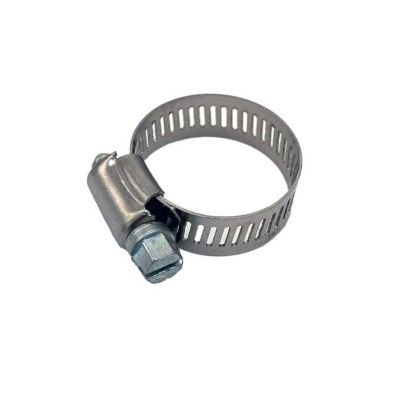
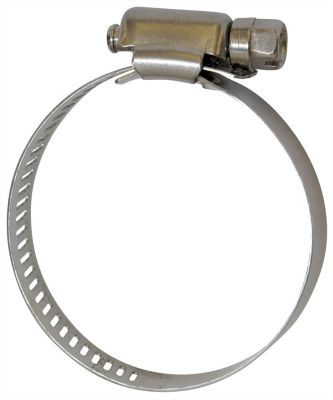
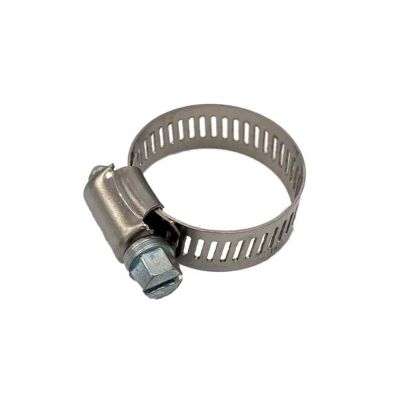
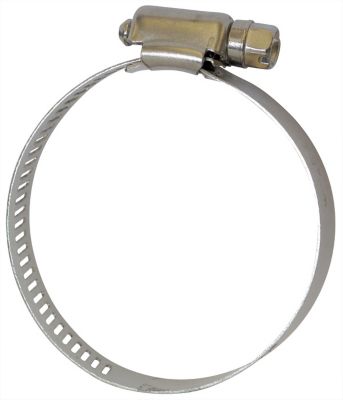
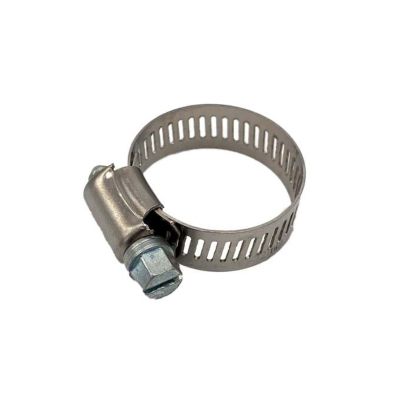
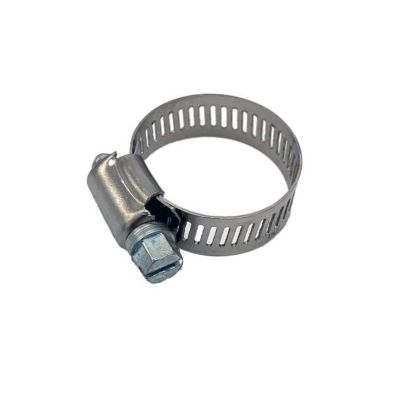
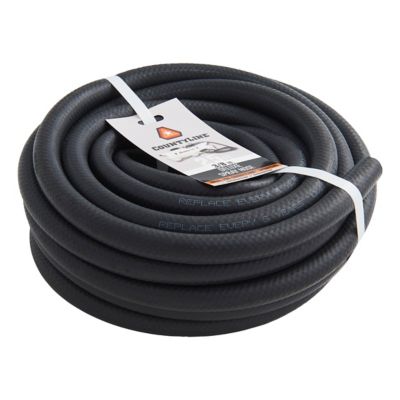
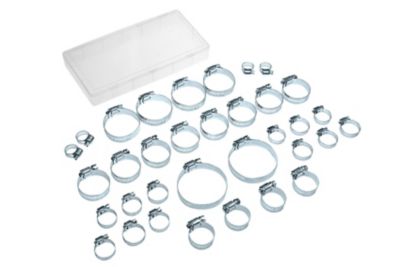
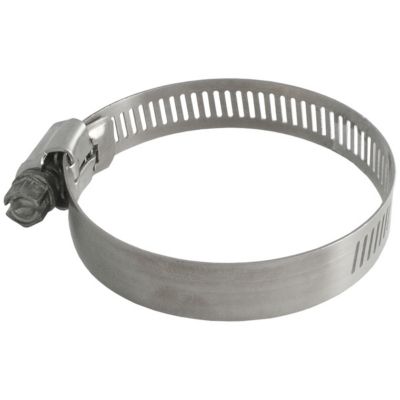
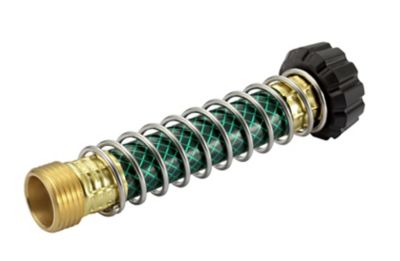
Garden hose clamps help keep a hose seated on a compatible fitting, whether that connection serves a vegetable patch, a row of water troughs or a wash area beside the barn. These small pieces of hardware wrap around the outside of the hose and apply pressure where the hose meets a barbed connector or repair fitting. That makes them a practical part of many hose repairs and watering setups, especially when the hose itself still has plenty of service left but an end connection needs attention. Their job is different from the washer inside a threaded garden hose coupling: the washer seals between mating threaded connections, while the clamp secures flexible hose around an insert designed for that purpose. Keeping that distinction in mind helps separate a loose hose attachment from a dripping swivel connection that may need a different fix. Gardeners, property owners and folks handling daily watering chores often look for clamps that match both the hose construction and the fitting underneath it. A lightweight watering hose, a thick reinforced hose and a short section connecting watering equipment can have different outside dimensions, even when their nominal hose sizes match. The connection also needs to suit the work ahead. A hose dragged between raised beds puts different demands on its fittings than a short section that stays beside a utility sink. Clamps belong on connections designed to accept them; they cannot make an incompatible fitting fit or restore a hose wall that has split or deteriorated. In a properly matched assembly, though, they provide a straightforward way to hold the hose against the connector without replacing an otherwise serviceable length of hose. For everyday chores, that can mean keeping a familiar hose in service while giving a worn attachment point the attention it needs. The most useful choices start with the connection itself, not simply with how large or heavy the clamp looks.
Fit comes down to more than the diameter printed on the hose. Hose size commonly describes the inside opening, but a clamp must fit around the outside of the hose with the connector inserted. Wall thickness, reinforcement and the shape of the fitting all affect that finished measurement. A stated clamping range gives a better picture of whether the band can close properly around the assembly without reaching either end of its adjustment. Band width matters, too: it needs enough room to sit on the fitting’s intended clamping area rather than hanging over an edge or crowding the end of the hose. Comparing
Adjustable Hose Clamps by working range, band design and fastener style can help narrow the choice for different hose connections. Worm-drive designs tighten through a screw that draws the band inward, making access to that screw worth considering wherever the hose will sit. Beside a fence post or behind a hose reel, room for a screwdriver or nut driver can matter as much as the band size. Material details deserve the same attention. Stainless steel offers corrosion resistance around water, but a stainless band does not necessarily mean the screw and housing have the same composition. Checking the listed materials for each component gives a clearer sense of how the whole clamp suits a damp working area. Plated steel hardware has a protective finish, while the condition of that finish affects the metal underneath. Band edges and the inside surface also matter where metal meets flexible hose. Smooth edges and designs intended to limit abrasion are worth considering, particularly with softer hose walls. A heavier band is not automatically the better match; the hose and fitting still determine the appropriate clamping force. A well-matched clamp balances material, size and contact area so the connection holds firmly without cutting, pinching or badly distorting the hose.
The intended use of the hose assembly sets the limits for the clamp, not the other way around. A clamp does not raise a hose’s pressure rating, and extra tightening cannot make an unsuitable connector safe for a demanding application. Watering equipment works best when the hose, fitting and clamp are compatible and each part remains within its stated limits. For drinking-water connections, that also means checking the suitability of the hose and fittings rather than treating the outside clamp as evidence that the complete assembly is appropriate. Around the garden or barnyard, repeated pulling and dragging can place strain right at a repaired end. Enough slack at the connection, sensible hose routing and a fitting that suits the hose help keep that strain from concentrating beneath the band. A clamp can hold the hose in place, but it is not a substitute for supporting a heavy attachment or keeping a hose from catching under a gate. Long service also depends on the condition of the surrounding material. Flattened spots, deep cracks, exposed reinforcement or a connector with damaged barbs can undermine an otherwise sound clamp. For clamps that see regular contact with soil, mud or fertilizer residue, keeping the hardware clean makes wear and corrosion easier to spot. A screw that turns poorly, a bent housing or a band with damaged slots deserves attention before another round of watering. Excessive tightening is no cure for those problems and can leave the hose wall crushed beneath the metal. Manufacturer guidance remains the right reference for tightening limits and assembly requirements. For anyone keeping watering gear ready for chores, garden hose clamps are small parts worth matching carefully: the right diameter range, suitable metal construction and a band that sits properly on the fitting all contribute to a connection that can get back to work without unnecessary strain on the hose.