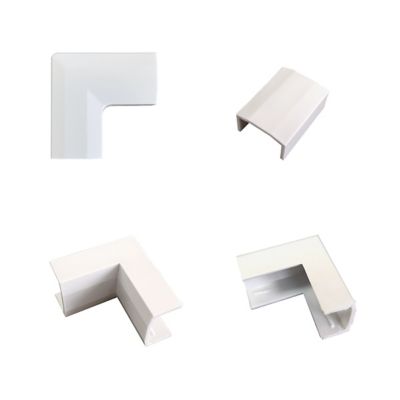
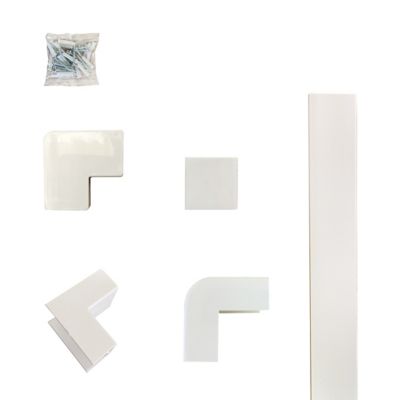
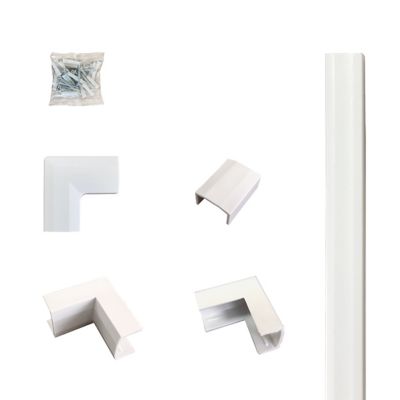
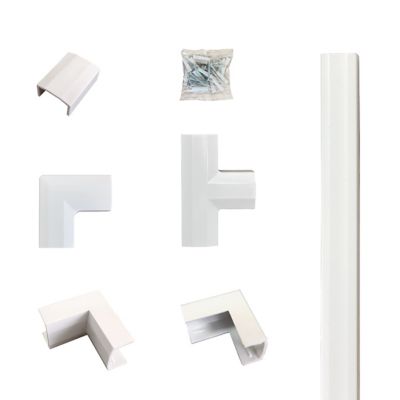
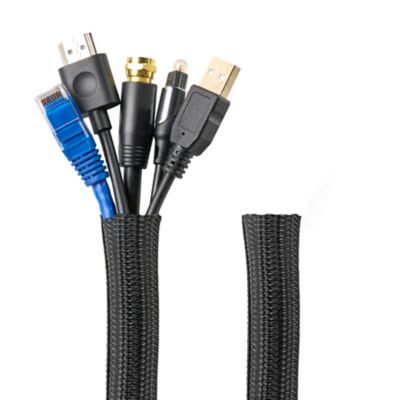
TV cord covers keep the wires below a television tucked into a neat channel instead of hanging loose against the wall. Often called cable raceways, these covers help organize the route between a screen, nearby equipment, and an outlet without making the cords the first thing anyone notices. They make sense in a farmhouse living room, a den over the garage, or a family room where the television shares space with bookshelves and everyday furniture. A wall-mounted screen may need a short, straight cover down to a console, while a setup with speakers, a game system, and a streaming device can call for more room and a few changes in direction. Common styles include rigid plastic channels with removable lids, adhesive-backed sections, and screw-mounted raceways. Some have hinged covers that open for access; others have separate tops that snap onto a base. Paintable versions can blend with the wall when finished according to their instructions, while white, black, and other neutral finishes can work with nearby trim or furniture. The right shape depends partly on where the cords travel. A slim, rounded cover looks less noticeable on an open stretch of wall, while a rectangular channel may provide more space for several compatible cables. Corner fittings, elbows, and joining pieces help connect sections where the route turns or extends along a baseboard. These details matter when the outlet sits off to one side rather than directly below the screen. For a television resting on furniture,
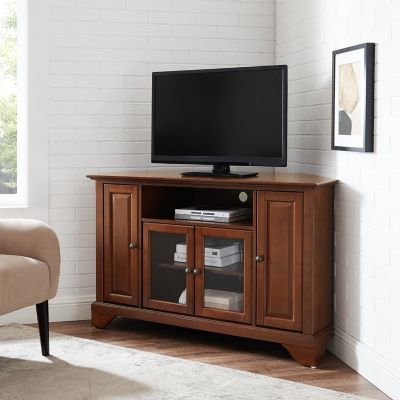
Cable Management Tv Stands offer another way to keep connections organized around the equipment, with a separate cord cover handling an exposed stretch where appropriate. Whether the room hosts ball games, movie nights, or a little evening news after chores, the purpose stays straightforward: less visible cable clutter, easier housekeeping around the setup, and a cleaner-looking wall.
Fit comes down to more than the distance from the television to the outlet. A cord cover needs enough usable interior space for the cables it is intended to hold, including their thickness and the room they need at bends. A channel that handles a single HDMI cable may not fit that cable alongside a television power cord and several other connections. Exterior measurements do not always tell the whole story, since the walls of the channel and its closure take up space. Cable capacity, interior dimensions, and compatibility information give a better picture of fit than appearance alone. A roomy route also makes it easier to avoid sharp bends or pressure on cables when the lid closes. Covers with removable fronts can be handy when a streaming device changes or another connection needs attention, especially behind a console that is awkward to move. Material and mounting style affect how well the cover suits the room, too. Rigid PVC and other plastics are common for indoor wall channels because they hold their shape and offer a smooth surface that is easy to wipe down. Adhesive mounting avoids screw holes, but its hold depends on the surface, the cable load, and the conditions specified by the manufacturer. Dusty paneling, uneven masonry, textured walls, and loose paint can make attachment more difficult, and adhesive removal may lift a wall finish. Screw-mounted styles need fasteners suited to the wall material and can be a better match where adhesive attachment is unsuitable. Neither method makes a cord cover a support for the television or its mounting bracket. In a busy household, resistance to scuffs, secure-fitting lids, and accessible connections matter more than a channel that simply looks tidy on the first day. A cover near a frequently moved chair faces different wear than one tucked behind a stationary console. For an unheated enclosed room or another space with changing temperatures, the stated temperature range and location rating matter as well; an indoor wall raceway should not be assumed suitable for damp areas or outdoor exposure.
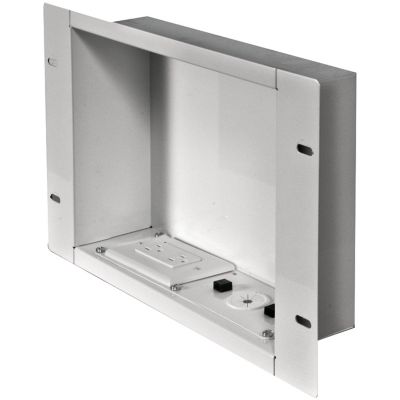
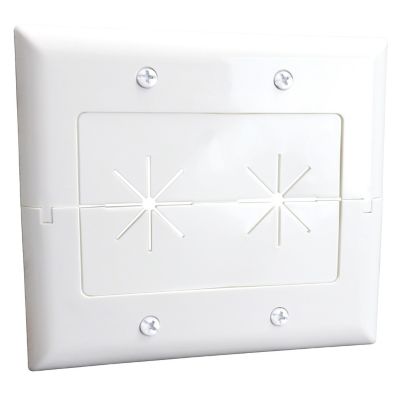
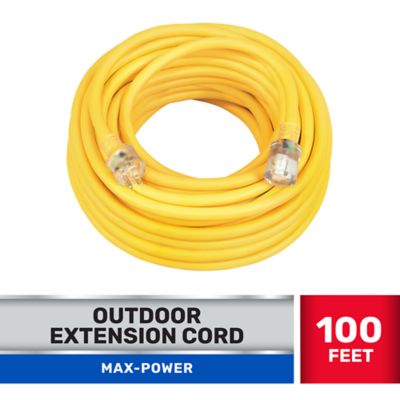
Wall cord covers and floor cord protectors serve related purposes, but they are not interchangeable. A lightweight wall channel is meant to organize cables along a vertical surface, not take the weight of boots, furniture legs, or rolling equipment. Floor-rated covers often have a broader, sloped profile and may be made from rubber or polyurethane, with channels sized for the cables beneath them. Their suitability depends on the listed traffic rating, floor surface, and intended setting. For a television across the room from its connections, routing cables along the room’s edge is generally preferable to crossing a walkway; a floor cover does not eliminate the need to consider trip hazards. Likewise, concealing a cable does not repair frayed insulation or make an overloaded connection safe. Surface-mounted TV cord covers are different from in-wall cable systems, and ordinary television power cords and extension cords should not run through wall cavities. In-wall installations require wiring methods and components approved for that purpose, with electrical work handled according to local requirements. Power and signal cables also need arrangements permitted by the raceway manufacturer rather than being packed together simply because they fit. Around children and pets, enclosed channels can reduce access to loose lengths, but they are not a substitute for keeping cords out of reach and checking for damage. Day-to-day care is usually simple: dust removal, an occasional wipe with a soft cloth as directed, and a look at the seams and mounting points help keep the setup tidy. Moisture should stay away from plugs and electrical connections, and cleaners need to suit the cover’s finish. Paintable covers need compatible paint, with closures left free to open when access is necessary. During the cooler months, when the living room gets plenty of evening traffic, those practical details can make a difference. A well-fitted cord cover keeps the cable route orderly without getting in the way of furniture, access to outlets, or the next change to the television setup.