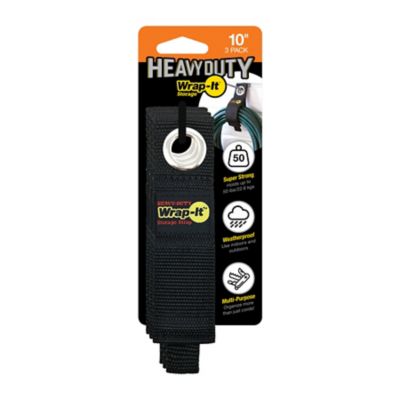
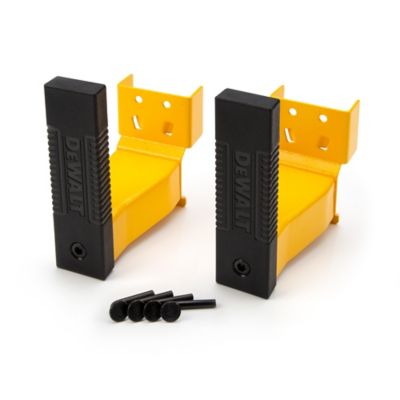
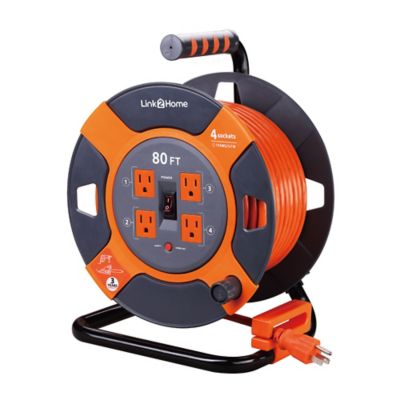
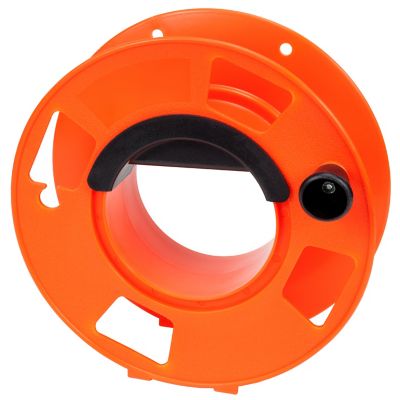
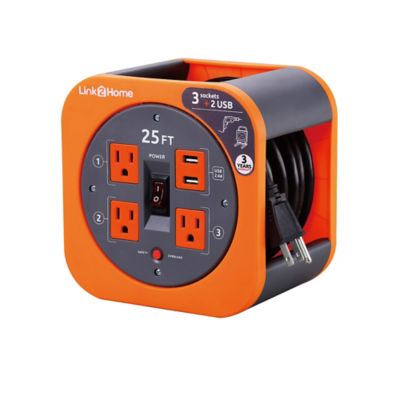
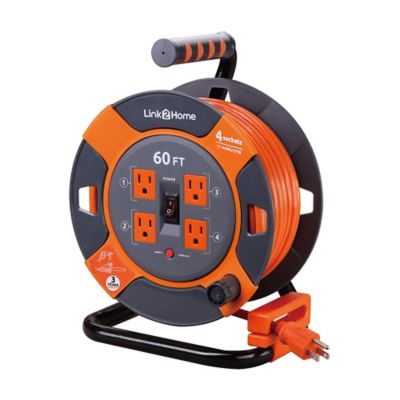
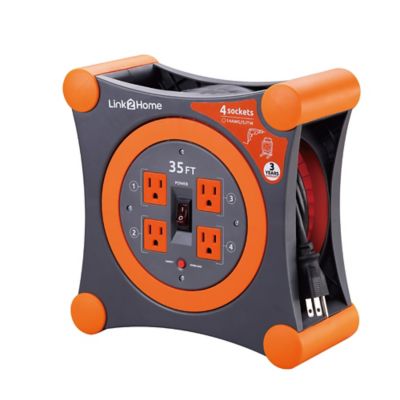
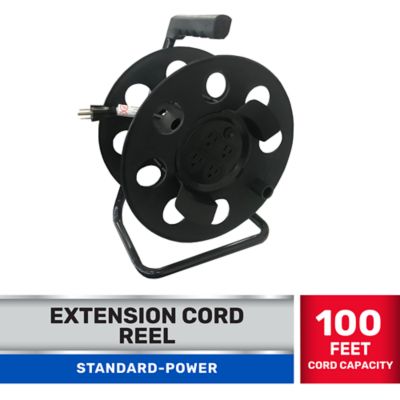
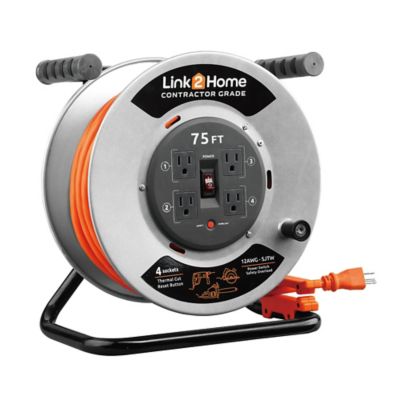
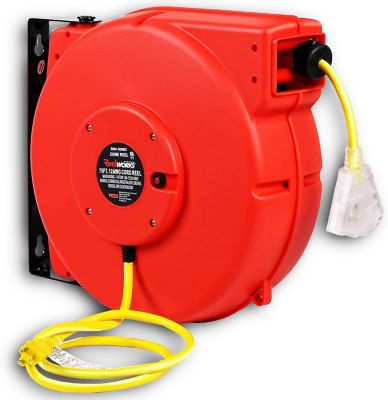
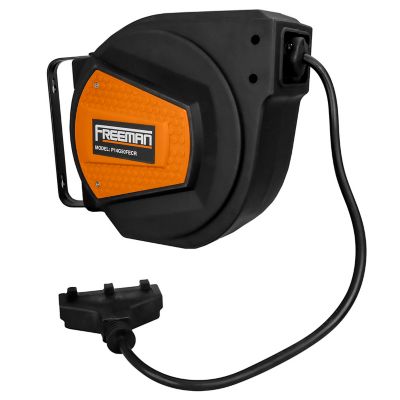
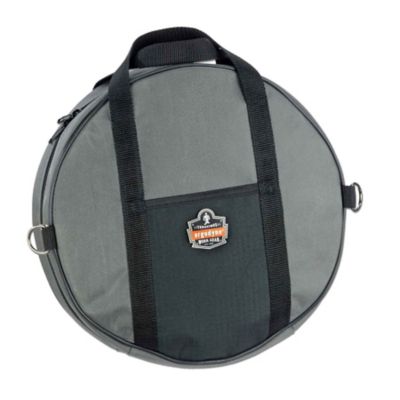
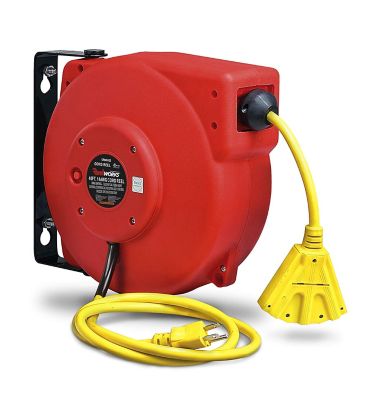
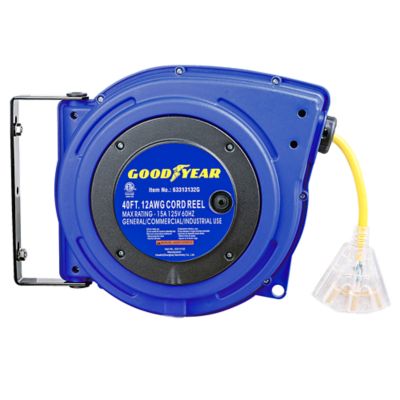
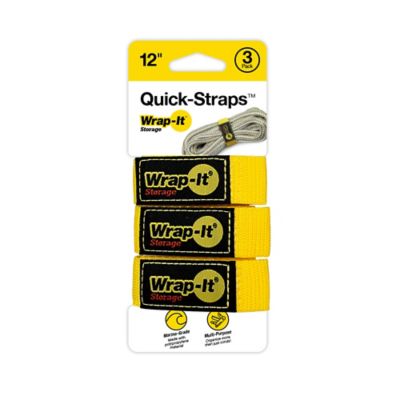
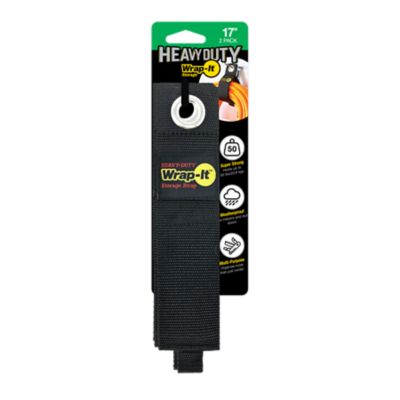
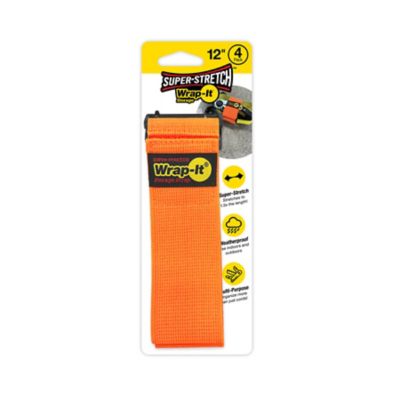
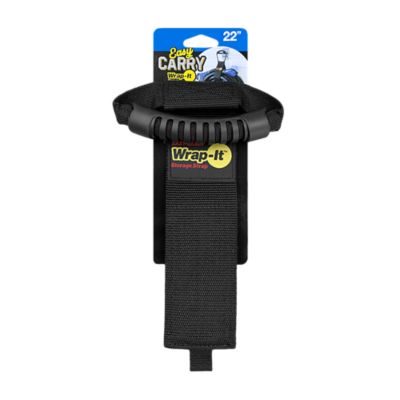
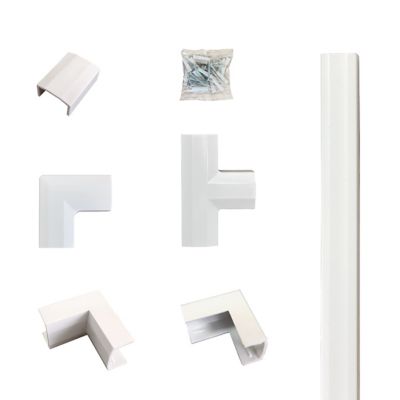
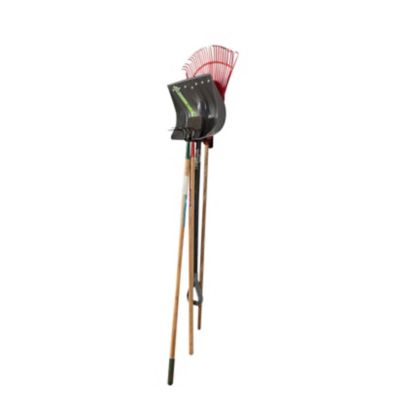
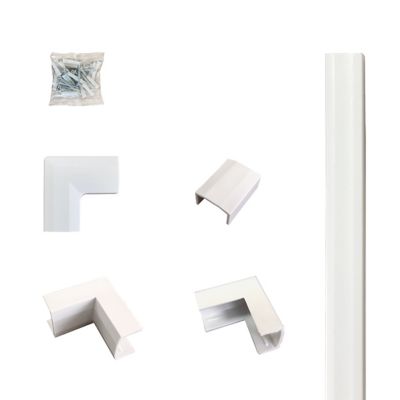
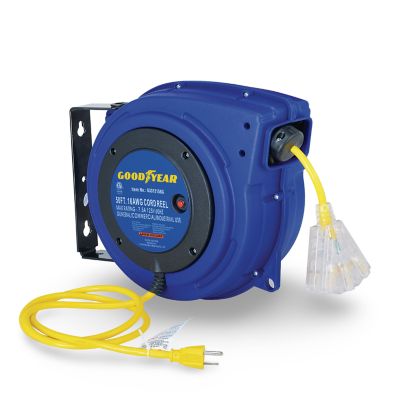
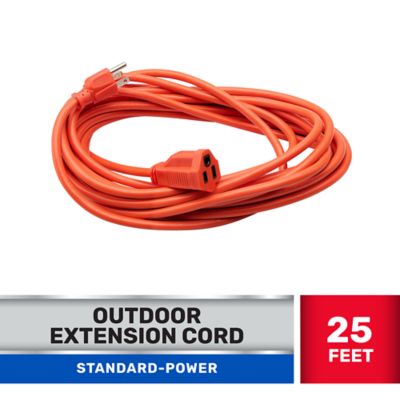
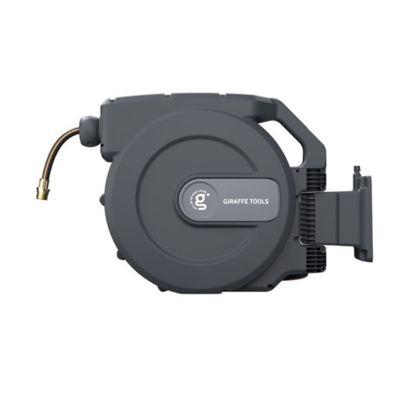
Power cord storage helps keep the shop, barn, garage, and house a little more orderly when cords seem to turn up everywhere. Extension cords, tool cords, charger cables, light strings, and outdoor equipment leads can quickly become a tangled pile in a corner or a knot inside a drawer. Proper storage gives each cord a place to land after the job is done, making it easier to find the right length without pulling half the pile apart. It also helps protect cords from sharp bends, crushing, dirt, moisture, and the everyday wear that can shorten their useful life. A neatly stored cord is ready to go when the pasture gate needs a quick repair, the shop fan needs power, or a project calls for a tool at the far end of the workbench. Many households use a mix of cord storage options, with larger-capacity choices for long, heavy-duty cords and smaller organizers for lighter cables used around the home. When choosing storage, consider the cord’s length, thickness, and weight, along with where it will be kept. A compact design may work well in a utility closet or vehicle toolbox, while a sturdier option with a handle can be more useful in a barn, workshop, or job trailer. Open designs make it easy to see what is inside, while covered storage can help keep dust and cobwebs off cords that sit between projects. For cords used indoors, browse
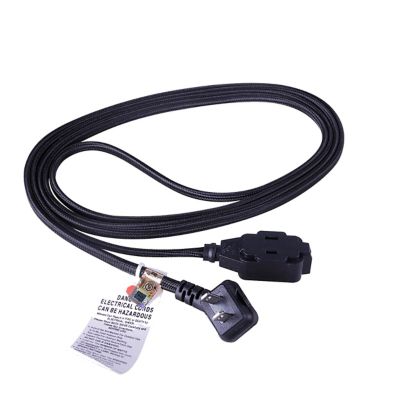
Indoor Extension Cords to help match storage with the type of power cord used around the house.
A few practical details can make a big difference over the long haul. Look for storage that allows the cord to be coiled loosely rather than wrapped into a tight, hard-to-bend bundle. A cord that is forced into a small space may develop kinks, and those weak spots can become more noticeable after repeated use. Storage with a secure strap, hook, reel, pocket, or compartment can keep the coil from coming undone while it is carried across the yard or tucked onto a shelf. Handles are handy for moving cords from the garage to the garden, and wall-friendly designs can help clear floor space in a crowded workshop. If an organizer will live near a sink, wash area, livestock space, or open garage door, choose materials that can stand up to occasional dust and damp conditions, but always store electrical cords clean and dry. Outdoor cords should be unplugged, wiped down when needed, and checked for cracks, exposed wire, damaged ends, or melted areas before being put away. Let cords cool after demanding jobs before coiling them, especially after running equipment for an extended stretch. Keep storage away from heat sources, standing water, fuel, and places where rodents may chew. It also helps to separate cords by use or length. One section for yard equipment, another for shop tools, and a smaller spot for household electronics can save time when work needs to get done before the weather changes. A simple label or color marker can be useful in a busy household, particularly when several cords look much alike.
Power cord storage can be a thoughtful and useful gift for homeowners, handy neighbors, do-it-yourselfers, gardeners, campers, and anyone who spends time maintaining a rural property. It is the sort of practical item that may not be exciting when sitting on a shelf, but quickly proves its value when a cord comes out cleanly instead of in a stubborn tangle. A parent setting up a first workshop, a college student organizing a small apartment, or a friend preparing a new garage can all put a good cord organizer to work. During the warmer part of the year, tidy storage keeps lawn and garden equipment cords ready for the next mowing, trimming, or planting project without leaving them scattered where they can collect mud or become a tripping hazard. As cooler weather settles in, it can make room for shop heaters, work lights, holiday decorations, and indoor projects while helping keep seasonal cords together until they are needed again. In homes with children or pets, keeping cords contained and off walkways adds another layer of everyday organization. In farm and ranch settings, neat storage also makes it easier to spot which cords are available and which ones need inspection before use. Whether the goal is clearing a crowded shelf, protecting a favorite work cord, or building a more dependable setup for regular chores, the right storage solution brings a little more order to the places where real work gets done.