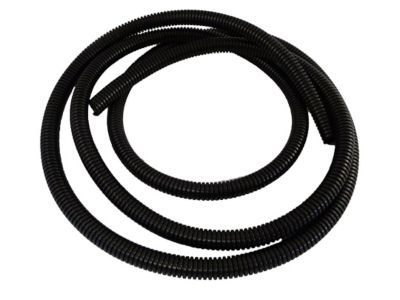
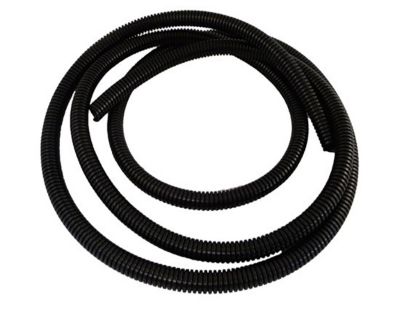
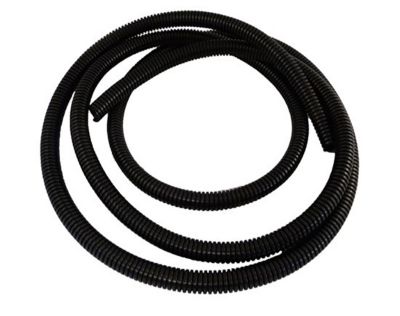
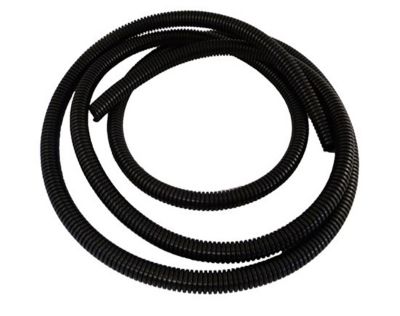
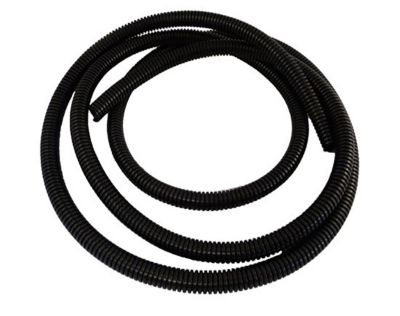
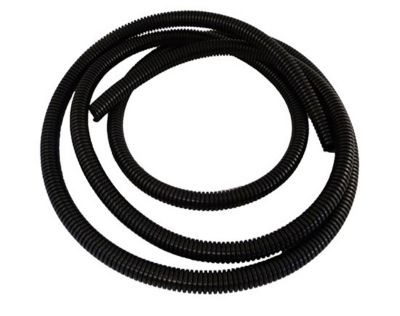
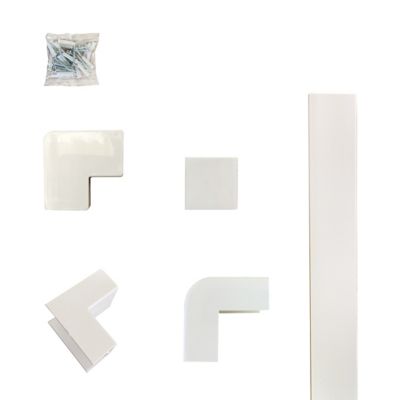
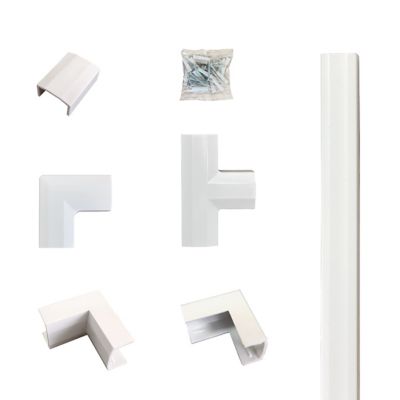
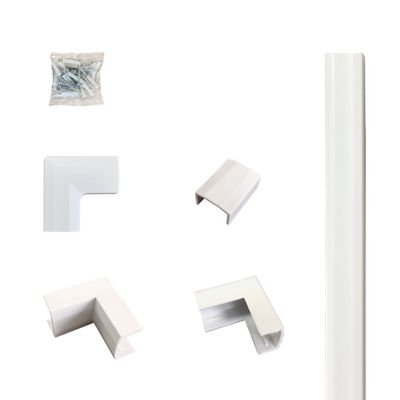
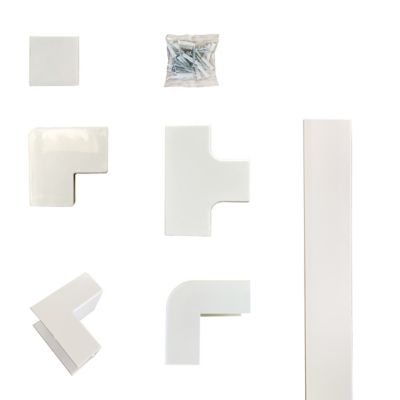
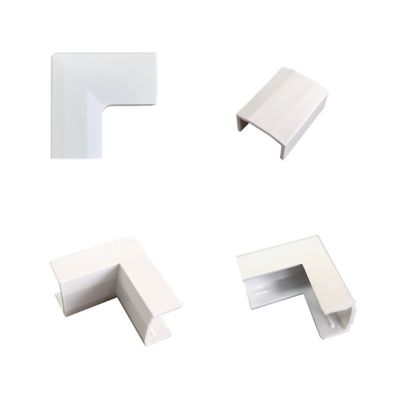
Cable conduits are protective tubes or raceways that route electrical wires and permitted cable assemblies between boxes, equipment, and other connection points. They help shield wiring from physical damage while keeping electrical runs contained and organized. Around a farm, garage, workshop, or equipment shed, that protection matters wherever tools, supplies, and everyday work could put exposed wiring in harm’s way. A straight run along a shop wall has different demands from a connection near a motor, a buried feed to an outbuilding, or wiring in an area that gets washed down. Conduit materials and construction help determine which settings a system can handle. Steel conduit offers substantial mechanical protection, while a galvanized finish helps resist corrosion where the product’s listing allows that use. Aluminum provides a lighter metal option, though its suitability depends on the location, fittings, and exposure. Rigid nonmetallic conduit, commonly made from PVC, resists many forms of corrosion and does not conduct electricity. Its permitted applications depend on its listing, wall construction, and the protection required at the installation site. Flexible conduit can accommodate bends and connections where rigid tubing would be awkward, but flexibility alone does not establish suitability for moisture, movement, or physical abuse. Liquidtight conduit systems have a protective outer covering and matching fittings intended for designated exposures; the complete assembly still needs the appropriate ratings. These differences give electricians, property owners, maintenance crews, and farm operators options for keeping electrical routes suited to the work around them. The best match is not simply the toughest-looking tube. It is a conduit system with the material, protection level, and listed application that fit the job. A neat installation also leaves a clearer path to follow when equipment needs attention later, whether that means tracing a circuit across a utility room or identifying the connection serving a stationary shop machine. Conduit protects the route, while the wiring inside still needs insulation and ratings appropriate for the circuit and location.
Fit involves more than finding a tube that looks wide enough for the wires. Conduit trade sizes are nominal designations, and usable interior space varies with the type and construction of the raceway. The number and dimensions of conductors, or the dimensions of a permitted cable assembly, affect the required size. Applicable conduit-fill limits, conductor ampacity adjustments, and pulling requirements also matter, especially when several circuits share a route. A run with multiple bends can be harder to pull through than a straight run of the same length, making the overall layout important to both installation and later service. For a shop addition or an outbuilding connection, space for future wiring may be worth considering during planning, but extra room does not replace an electrical load calculation or code review. Connections deserve the same attention as the tubing. Couplings, connectors, adapters, boxes, and conduit bodies need to match the raceway type and carry ratings suitable for the location. A threaded connection and a compression connection are not interchangeable simply because the parts appear close in size. Supports also need to suit the conduit and mounting surface, whether the route follows masonry, framing, or another permitted structure. Properly supported conduit keeps the installation orderly without leaving long sections vulnerable to movement or damage from nearby work. Metal raceways require appropriate bonding and grounding arrangements, and whether a particular raceway can serve as an equipment grounding conductor depends on its type and installation. Nonmetallic raceways do not provide that grounding path. These details make conduit selection part of a complete electrical system rather than a stand-alone purchase. For property owners comparing materials before an electrician handles the work, a clear description of the route, equipment, exposure, and mounting area is more useful than choosing by appearance alone. Local electrical requirements and the manufacturer’s instructions establish the boundaries for the installation, including where transitions, expansion provisions, accessible pull points, and additional physical protection may be necessary. Boxes and pull points also need to remain accessible as required, rather than disappearing behind finished walls or permanent equipment.
Intended use has a big say in how a conduit system holds up over time. In a barn aisle, protection from bumps and contact with equipment may be a leading concern. Near livestock areas, moisture and corrosive residues can influence material and fitting choices. In a wash area, the entire assembly needs to suit the exposure, not just the visible length of conduit. Underground installations bring another important distinction: the inside of a buried raceway is generally considered a wet location, so the conductors or cables inside need the appropriate wet-location rating. Conduit alone does not turn unsuitable wiring into suitable underground wiring, and required burial depth depends on the wiring method and site conditions. Areas with combustible dust or fuel vapors call for evaluation under the applicable electrical requirements rather than an assumption that ordinary conduit provides enough protection. Care is mostly about keeping the system intact and recognizing changes that warrant professional attention. Cracked nonmetallic tubing, bent metal sections, loose supports, separated connections, and corrosion around fittings can all signal that protection has been compromised. Wiring changes are also a good time for an electrician to review fill, grounding, connections, and the condition of the existing route. Paint, sealants, and cleaning chemicals need to be compatible with the conduit material and must not interfere with required markings or connections. A farm or shop project may also involve
Galvanized Cables for separate support or tensioning tasks; those mechanical applications are different from routing electrical wiring. Keeping those roles distinct helps keep the project organized. For everyday shop work, equipment connections, and property improvements, well-matched cable conduits give wiring a defined path and protection suited to its surroundings. Material, fit, compatible fittings, and installation requirements all work together to support a system that can be inspected and serviced without unnecessary guesswork.