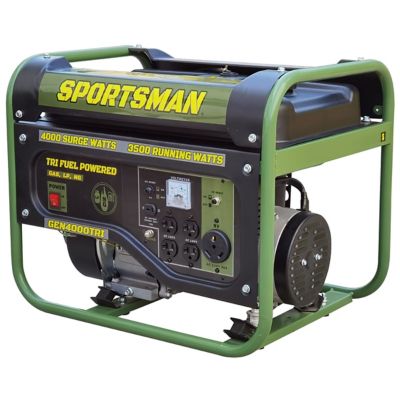
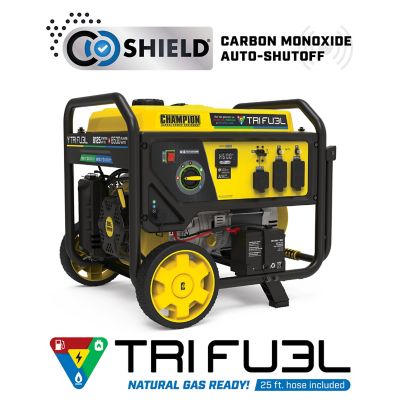
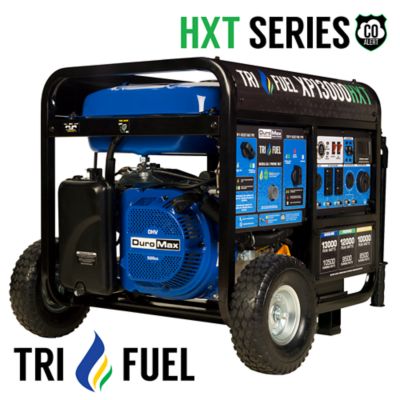
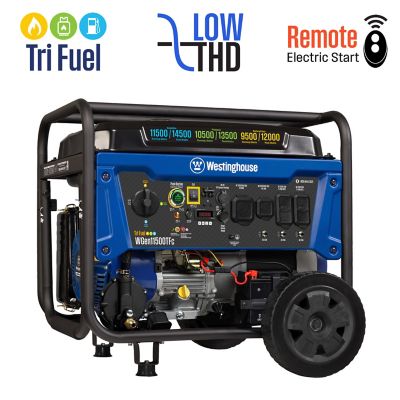
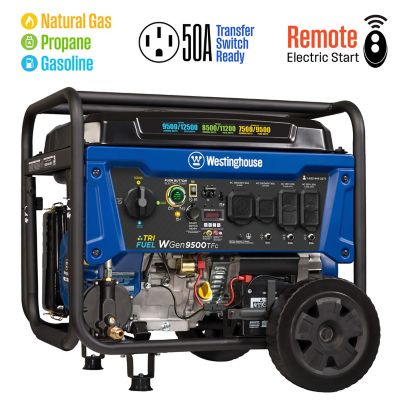
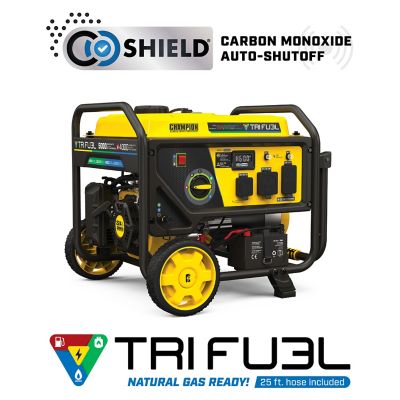
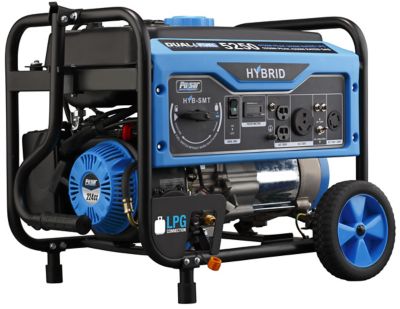
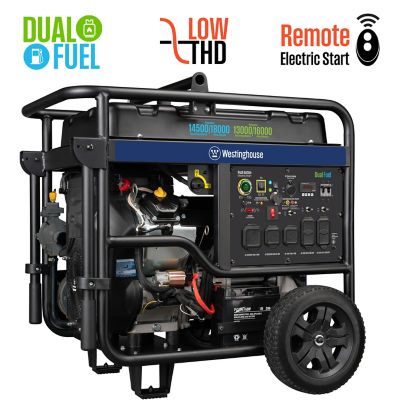
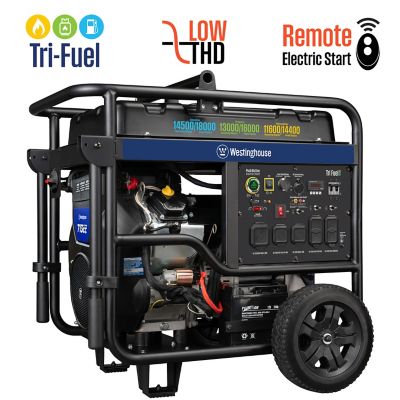
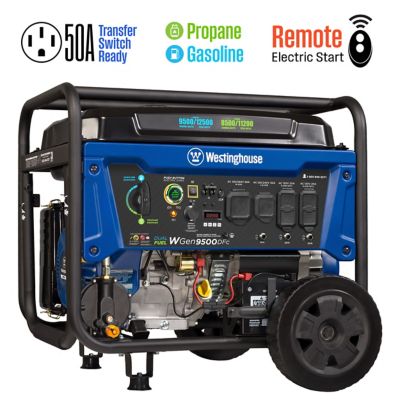
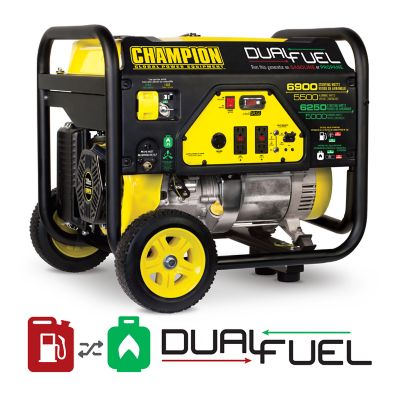
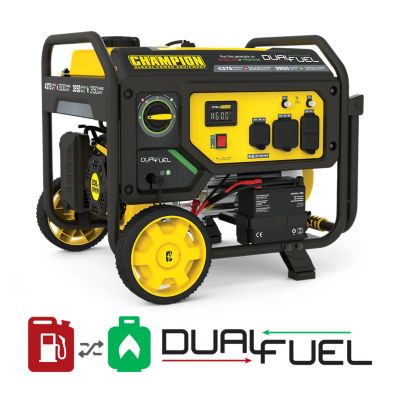
Tri-fuel generators run on gasoline, propane or natural gas, giving you three fuel options in one machine when the lights go out or work takes you beyond the nearest outlet. That flexibility comes in handy around a country home, farm or workshop, where keeping the freezer cold and the well pump running can matter more than keeping every room lit. Gasoline offers a portable fuel source for jobs away from utility service, propane gives you another option for stored backup fuel, and natural gas can supply a compatible generator through a properly sized connection. Most models operate on one fuel at a time, with switching procedures that vary by machine. Having three choices means your backup plan does not have to depend on a single fuel source, but output and runtime still depend on the fuel, electrical load and generator specifications. Gasoline commonly provides the highest rated output, while propane and natural gas often deliver fewer watts; the ratings for each fuel tell you more than a single advertised wattage. Natural gas operation can eliminate repeated tank refills while utility service remains available, though it does not guarantee uninterrupted operation during every emergency. Propane itself does not go stale like gasoline, but cylinders, valves and hoses still need proper storage and inspection. Gasoline needs approved containers, safe storage and attention to the manufacturer’s fuel-storage recommendations. For folks with a chest freezer full of garden produce, livestock chores before daylight or a sump pump that cannot sit idle, those differences have real weight. During the cooler months, a tri-fuel portable generator can help keep selected household essentials operating through an outage, provided its capacity and connections match the equipment. It is a practical fit for homeowners, acreage owners and tradespeople who want fuel choices for both backup power and work away from home.
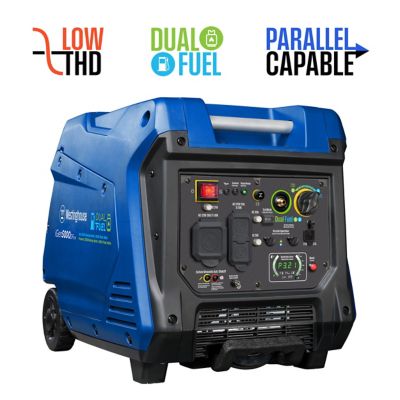
Choosing among tri-fuel generators starts with the loads you expect to carry together, not just the largest number on the carton. Running watts describe the power available for ongoing operation, while starting or surge watts account for the brief extra demand some motors need to get moving. Refrigerators, well pumps, sump pumps and air compressors can draw considerably more power at startup than they do once running. Picture a refrigerator cycling on just as the well pump starts: that overlap is why a little breathing room matters. A generator sized for a few lights, a refrigerator and phone chargers may not have enough capacity for electric heat, a water heater or a large shop compressor. Furnace blowers and controls also require electricity, even when the heat comes from another fuel, and their compatibility deserves a close look. Equipment nameplates and manufacturer specifications provide a better starting point than broad appliance estimates. Compare both running and starting capacity on the fuel you expect to rely on most, then consider whether you can stagger heavier loads. Receptacle types, amperage and voltage matter just as much as wattage, especially for 240-volt pumps or a connection to a home’s electrical system. More output generally brings more weight, greater fuel consumption and a higher purchase price, so the best fit is not automatically the biggest machine. Electric start can make operation easier, while a recoil backup, accessible controls and a clear fuel selector may be welcome when you are working by flashlight. Wheels and handles help on firm ground, but a heavy generator can still be difficult to move across gravel, soft soil or a sloping yard. Noise ratings deserve attention too, particularly near the house or neighboring property; compare measurements taken under similar conditions. If inverter operation and two fuel choices better suit your needs, the
Dual Fuel Inverter Generator selection offers another place to compare. Fuel flexibility alone does not mean a generator has inverter technology, so check electrical-output specifications and equipment requirements before connecting sensitive electronics.
The details around setup and upkeep often determine how well a tri-fuel generator fits everyday life. A long advertised runtime usually reflects a particular fuel supply and partial load, rather than every outlet delivering full power. Gasoline tank size, propane cylinder capacity, outdoor temperature and the equipment drawing electricity all affect operating time. Cold conditions can also limit how quickly a propane cylinder supplies vapor, especially under a heavy load, making proper cylinder sizing important. For natural gas, a qualified professional should confirm available pressure, pipe sizing and connection requirements; an existing household gas outlet is not automatically suitable for a generator. Check which hoses, regulators, battery components and connection accessories come with the machine and which require a separate purchase. Home backup also calls for the right electrical arrangement. A qualified electrician can install code-compliant transfer equipment that isolates generator power from utility lines; never feed generator power into a wall outlet. For directly connected equipment, outdoor-rated cords must match the load and the manufacturer’s requirements. Portable generators belong outdoors, at least 20 feet from the home, with exhaust directed away from buildings, doors, windows and vents. A garage, barn, shed or covered porch is not a safe operating space, even with doors open. Carbon monoxide shutoff is a helpful safety feature, but it does not replace proper placement or working carbon monoxide alarms inside the home. Protection from rain and snow must follow the manufacturer’s directions without trapping exhaust or restricting cooling airflow. Routine care matters as well: oil-change intervals, air-filter access, battery maintenance and fuel-system storage procedures are worth comparing before bringing a generator home. Shut the engine down and let it cool before adding gasoline. Around the farm, the appeal is straightforward—a machine that can support essential chores without locking you into one fuel supply. Matching capacity, fuel access, safe placement and maintenance needs gives you a backup power setup that makes sense when the yard is dark and there is still work to finish.