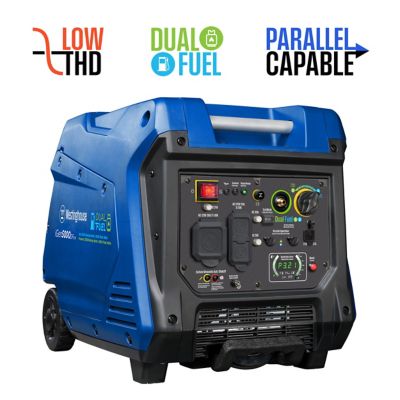
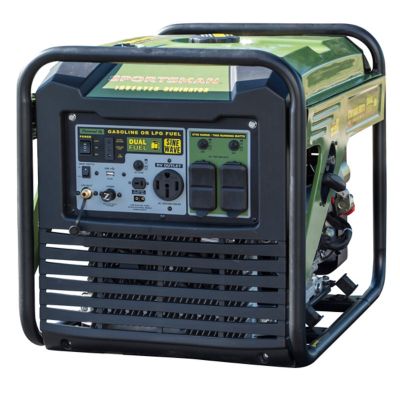
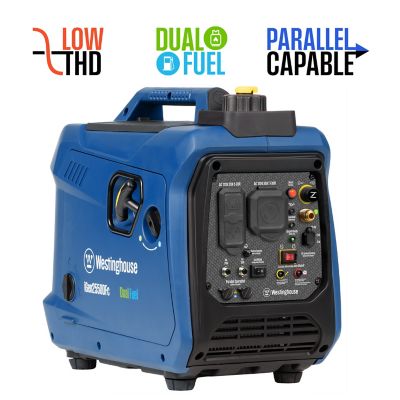
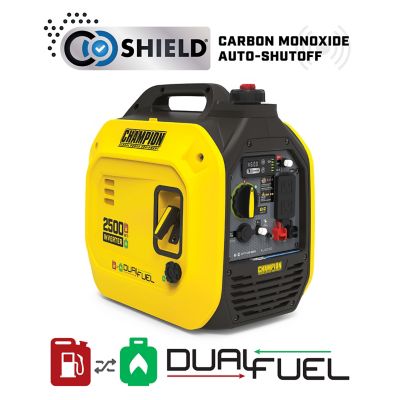
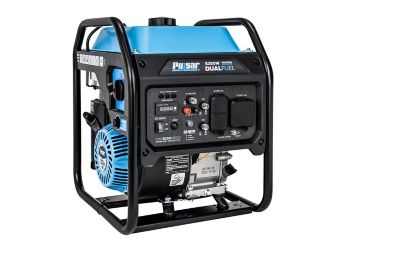
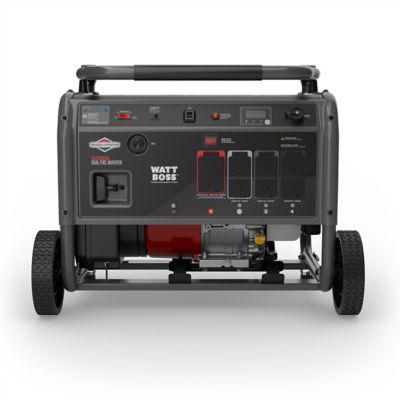
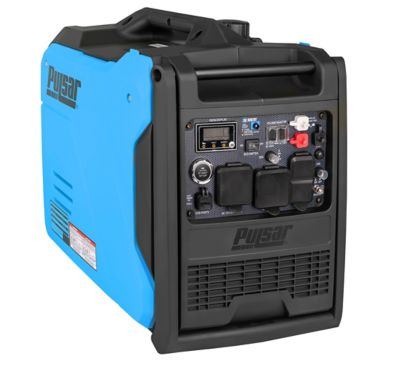
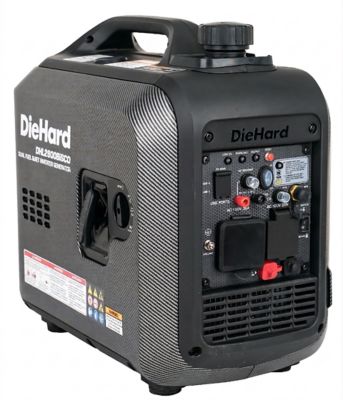
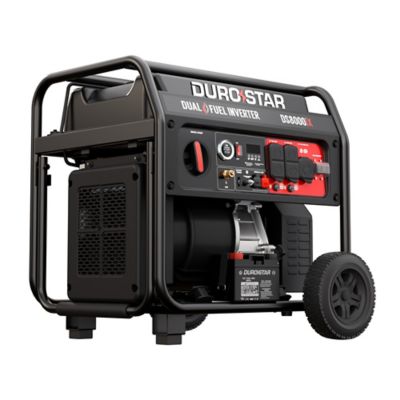
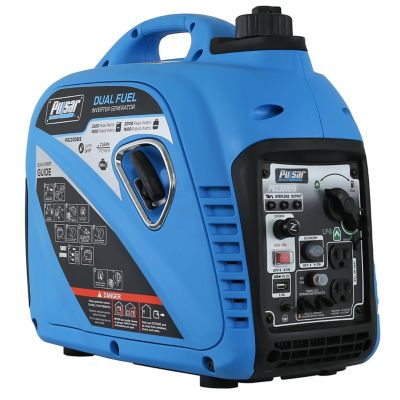
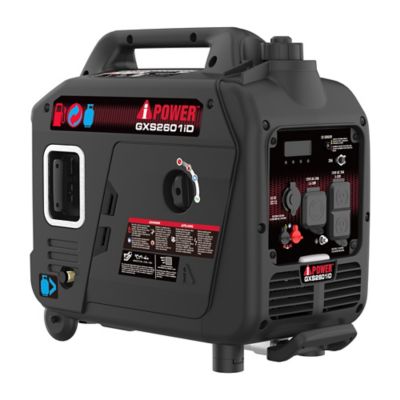
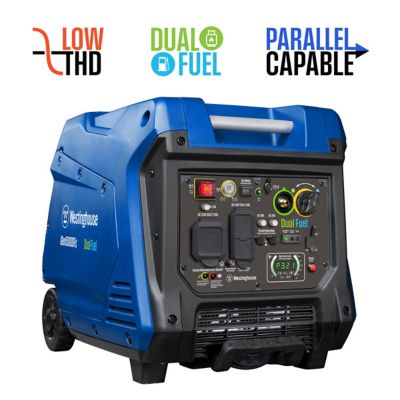
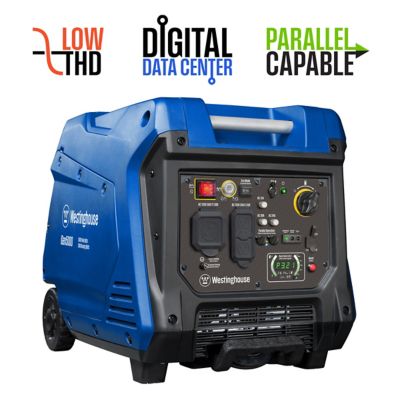
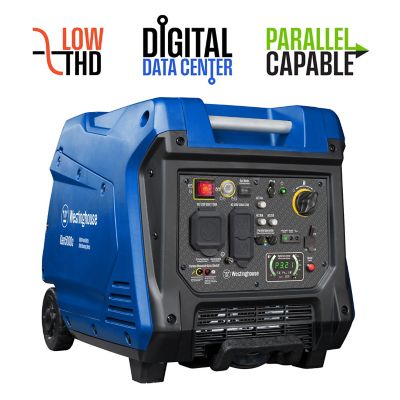
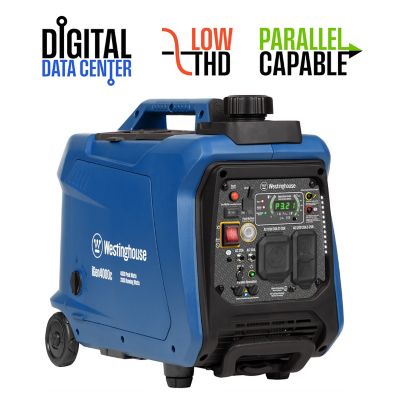
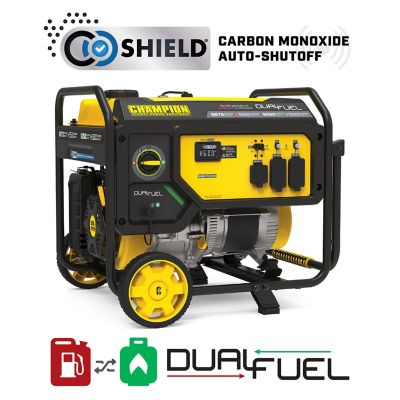
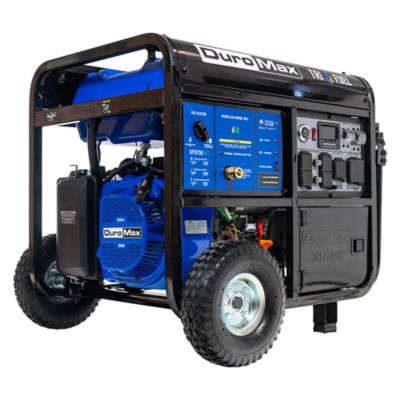
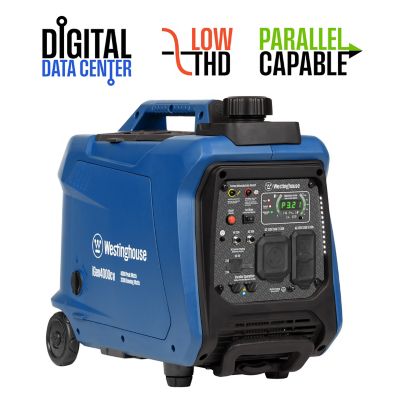
A dual fuel inverter generator combines gasoline-and-propane flexibility with inverter technology for portable power at home, at camp, or out by a jobsite without an outlet nearby. Its engine runs on either gasoline or propane, while an inverter converts the electricity into a controlled AC output. That process helps produce a steady electrical waveform for equipment such as laptops, televisions, and other sensitive electronics. Some models specify total harmonic distortion below 3%, but that figure is not universal; the generator’s published specifications and the connected equipment’s requirements matter more than the inverter label alone. Having two fuel choices gives a household, RV owner, or property caretaker more ways to match a power setup to the task. Gasoline delivers higher rated output than propane on many dual fuel models, while propane stores in an appropriate cylinder without the same fuel-degradation concerns as gasoline. The generator’s ratings show how much power it can supply on each fuel, so those separate figures deserve a close look. Running watts describe the load a generator can support continuously, while starting watts account for the brief extra demand of motors and compressors. A refrigerator, small pump, or air conditioner may need considerably more power at startup than once it settles into operation. Enough capacity for those surges helps keep a setup suited to its intended work rather than stretched to its limit. Runtime also depends on fuel choice, tank or cylinder capacity, and the amount of electricity being drawn. A runtime listed at one-quarter load will not describe the same experience as running near maximum output. For a few lights and charging cords beside a camper, modest output may be plenty; keeping several household essentials going calls for a closer match between the combined electrical load and the generator’s continuous rating.
The right physical fit matters just as much as the wattage. A compact dual fuel inverter generator with a carrying handle can suit trips between a truck bed, campsite, and storage shelf, while larger units may call for wheels, folding handles, and a clear path across the property. Published weight often excludes fuel, so a full gasoline tank changes the lift, and a propane cylinder adds another piece to transport. Steel frames provide support and accessible lifting points on some designs; enclosed housings on others help shield internal components and manage sound. Neither construction style removes the need for outdoor operating clearance, careful handling, and protected storage. Sound ratings are worth comparing at the same measurement distance and load because a lightly loaded generator can sound quite different from one supporting a demanding appliance. Inverter designs with an economy mode can adjust engine speed to match electrical demand, which may reduce fuel consumption and sound at lighter loads. That can make a difference when a generator is powering a few campsite necessities rather than running a compressor. Outlet layout also shapes everyday usefulness. Household receptacles, RV connections, and higher-amperage outlets serve different setups, and plug compatibility alone does not establish that a generator can carry the connected load. RV owners need the right voltage, amperage, and connection arrangement for their rig, along with enough starting capacity for any air conditioner they intend to operate. Around an acreage, portable power can support compatible corded tools at a fence repair or keep task lighting going near an outbuilding. Electric start, clearly marked controls, fuel gauges, and readable load displays can make those jobs less of a chore. Parallel capability is another model-dependent feature, requiring compatible generators and the specified connection equipment. For a setup that also accommodates natural gas,
Tri Fuel Generators provide another fuel arrangement to compare, with their own supply and connection requirements.
Long-term performance depends on how a dual fuel inverter generator is operated, maintained, and put away between jobs. Accessible oil fills, drain points, air filters, and service panels make routine upkeep easier, especially when the generator moves between backup duty and trips away from home. Follow the maintenance schedule for oil changes, filter service, spark plug checks, and any initial break-in procedure. Gasoline needs the storage treatment and handling specified in the owner’s manual, and propane connections need the correct regulator, hose, fittings, and cylinder size. A fuel selector does not necessarily mean a generator can switch fuels while running; that procedure varies by design. Before refueling with gasoline, shut the engine off and let it cool. Keep fuel in approved containers, and secure propane cylinders upright during transport and storage according to applicable requirements. Dry storage and a properly fitted cover on a cool, shut-down generator help protect the housing, outlets, and controls between outings. Safe placement is essential every time the engine runs: operate a portable generator outdoors, at least 20 feet from the home and other occupied structures, with exhaust directed away from people, doors, windows, and vents. Never run it inside a house, basement, shed, or garage, even with doors open. Carbon monoxide is an odorless, deadly gas, and an automatic carbon monoxide shutoff does not make indoor operation safe. Working carbon monoxide alarms inside the home remain important. Keep the generator dry and follow its instructions for operating conditions and clearance. Extension cords need the correct outdoor rating, wire size, and capacity for the connected equipment and cord length. Connecting a generator to household circuits requires appropriate transfer equipment and installation by a qualified electrician; never feed power into a wall outlet. With the right capacity, connections, and care, a dual fuel inverter generator can serve as a practical power source for essential household loads, time at the campground, and work beyond the reach of a standard outlet.