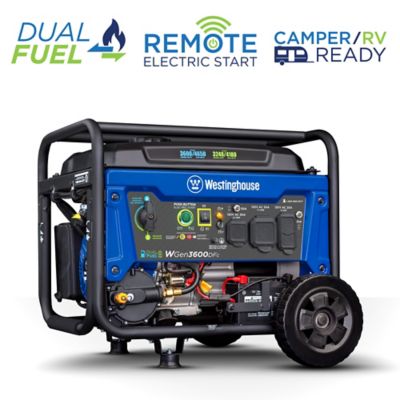
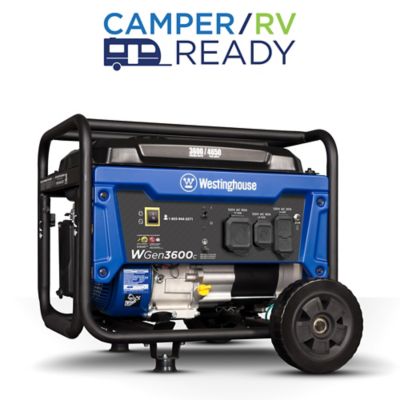
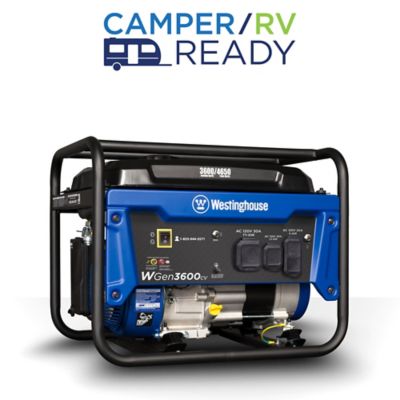
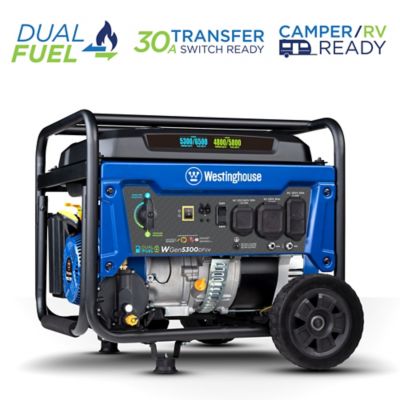
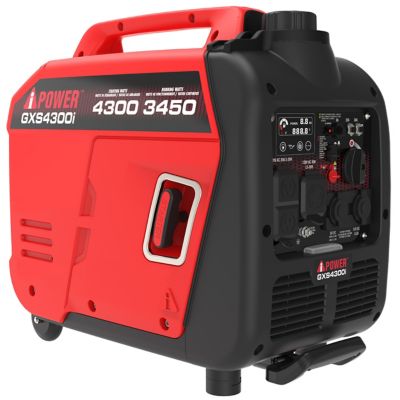
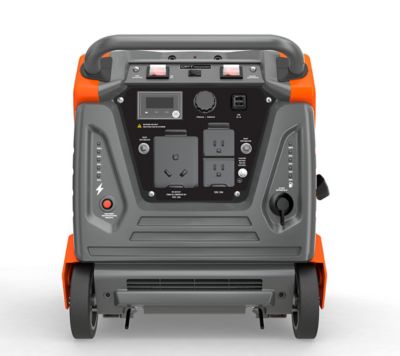
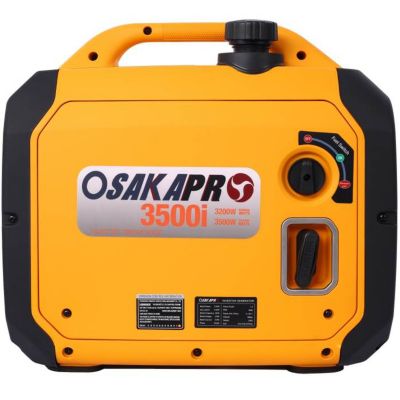
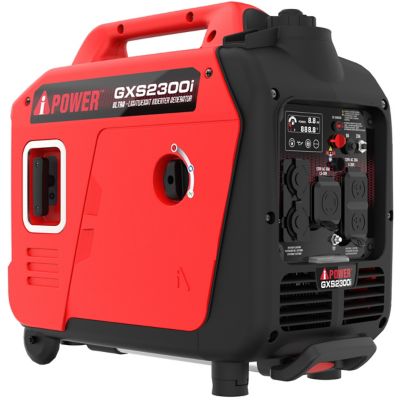
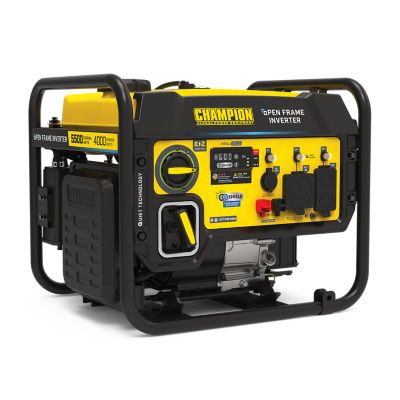
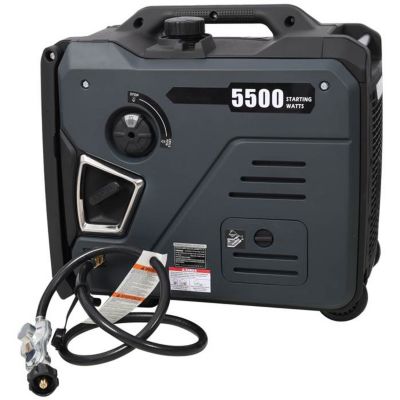
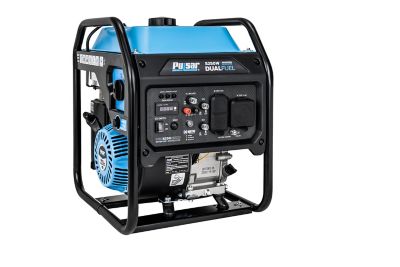
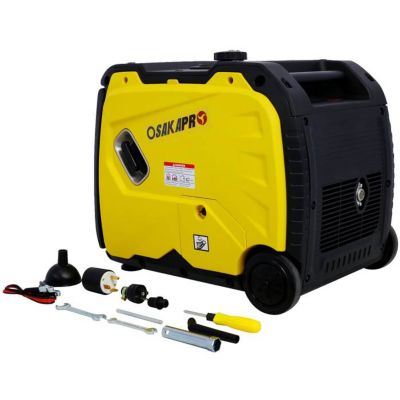
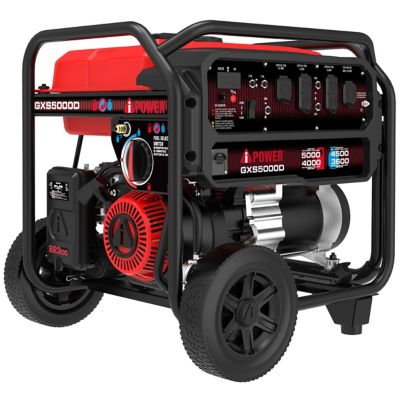
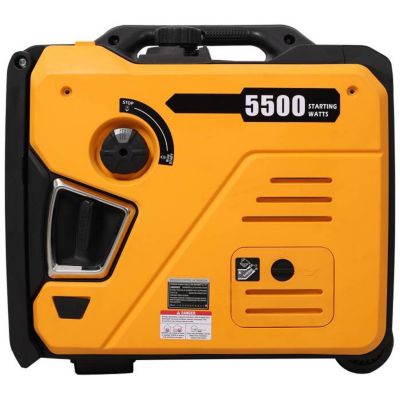
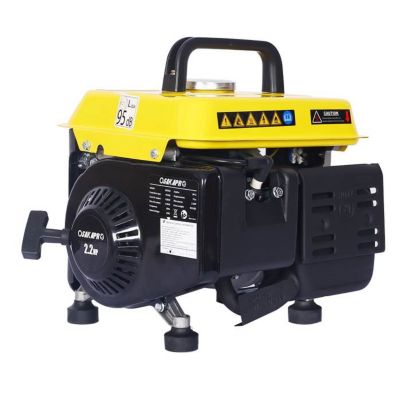
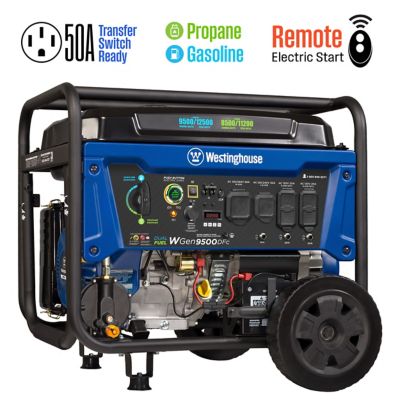
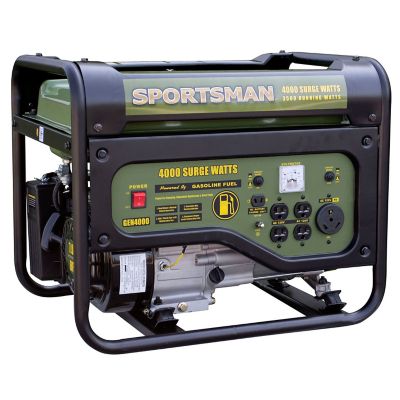
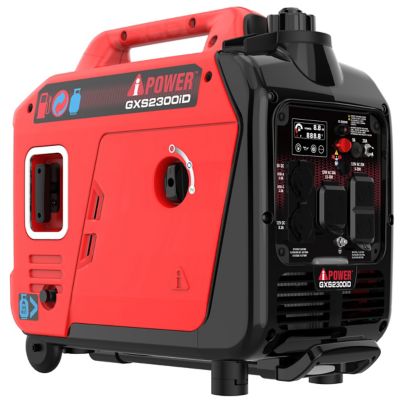
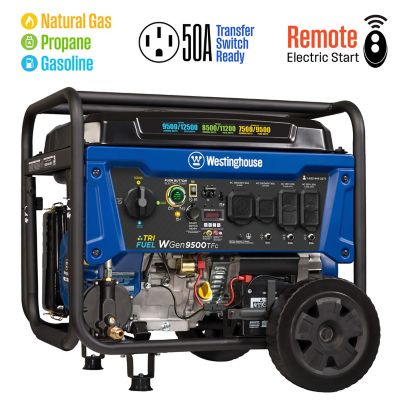
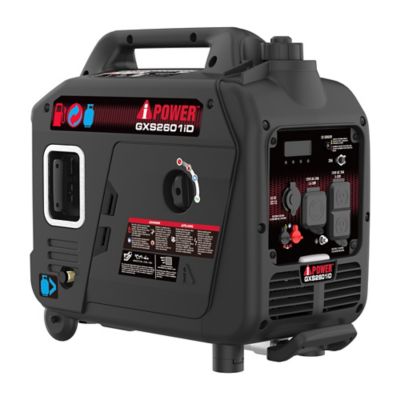
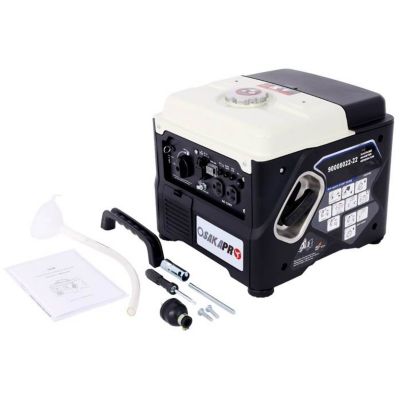
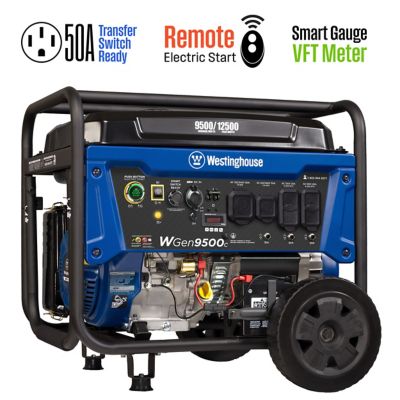
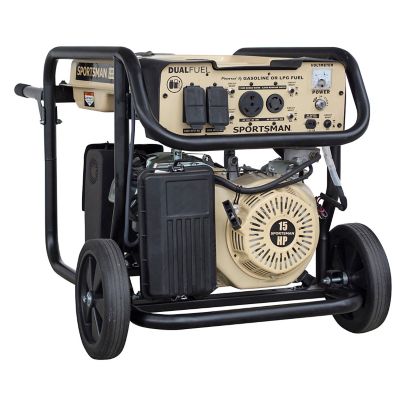
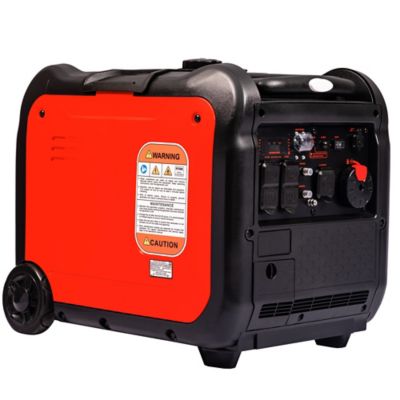
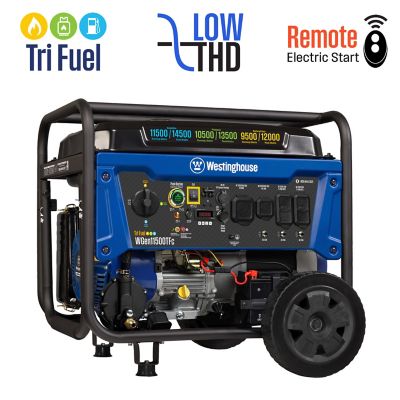
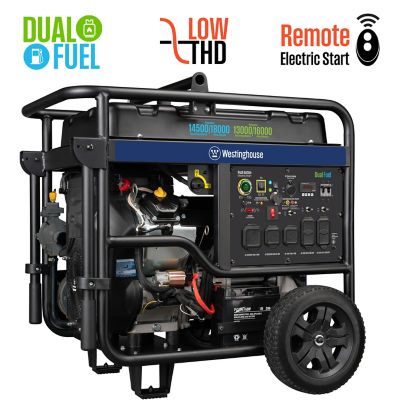
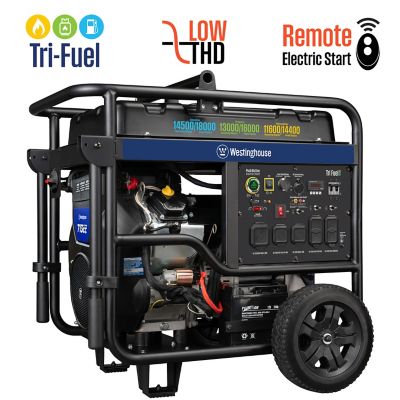
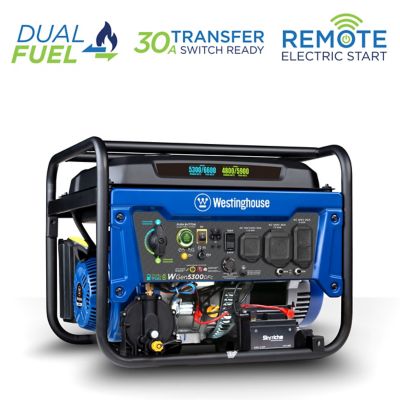
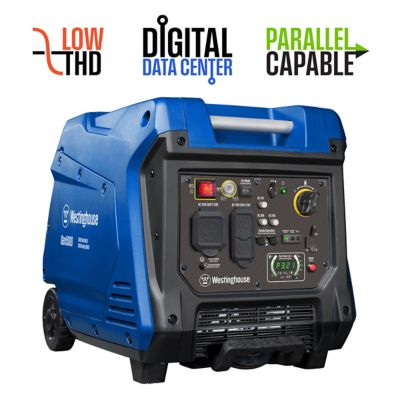
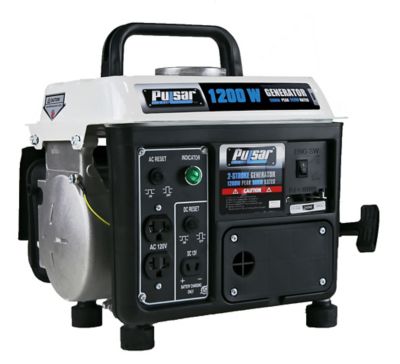
Travel generators make it easier to bring dependable electricity along when the nearest outlet is miles down the road. They are a practical fit for RV travel, camping, hunting cabins, tailgating, roadside work, and long weekends at a remote property. Depending on the style, a travel generator may use gasoline, propane, or battery power, giving you several ways to keep phones charged, run lights, power a small refrigerator, operate a fan, or keep an RV supplied with electricity away from a campground hookup. Inverter generators are a popular choice for travel because they are generally quieter and easier on fuel than many traditional portable generators. They produce steady, clean power that is well suited to sensitive electronics such as smartphones, laptops, televisions, camera batteries, and other devices with electronic controls. That quieter operation matters around a campsite, too. A generator that runs with less noise lets you hear the creek, visit with family around the fire, and respect nearby campers while still having power when you need it. Battery power stations are another convenient option for tent camping, hunting blinds, van trips, and other places where exhaust and engine noise are not welcome. They operate without gasoline fumes or tailpipe emissions and can often be recharged from a wall outlet, a vehicle, or compatible solar panels. They are especially handy for charging smaller devices and running low-wattage gear, though their available capacity and recharge time should be considered before heading off the beaten path. Gasoline models can provide strong output for a wide range of travel needs, while dual-fuel generators offer added flexibility by allowing you to choose between gasoline and propane. Propane can be useful for storage and travel when you prefer a fuel that does not spill like liquid gasoline, while gasoline is often convenient to find on the road. Every fuel type has its place, and the best match depends on the equipment you plan to run, the length of your trip, and how much weight and fuel you want to carry.
Start by looking at running watts and starting watts rather than choosing a generator by size alone. Running watts describe the power a generator can provide continuously, while starting watts account for the brief surge some motors need when they switch on. An RV air conditioner, refrigerator, water pump, microwave, or power tool may draw considerably more electricity at startup than it uses once running. Add the wattage of the devices you expect to use at the same time, then allow extra capacity for startup surges and unexpected needs. A compact unit may be just right for charging phones, powering lights, running a small fan, or keeping a cooler going, but a travel trailer with air conditioning and several appliances may call for a higher-output model. For a closer look at higher-capacity options, visit
Large Generators. Check the generator’s rated and surge output, outlet types, voltage, fuel capacity, estimated runtime, and overall weight before making a decision. RV owners should confirm whether the generator has the correct outlet and enough power for the trailer’s electrical system, while campers carrying a unit in a truck bed or utility trailer may want built-in handles and wheels for easier loading. Portability is more than a convenient label; consider whether one person can safely lift the generator, how much room it takes up beside a tent or RV, and whether it can be secured during travel. Fuel efficiency becomes important during extended stays, especially when fuel supplies are limited or a trip takes you far from town. Look for features such as an economy mode, a fuel gauge, low-oil shutoff, overload protection, and a carbon monoxide safety shutoff. These features help protect the equipment and the people using it, but they do not replace safe operating habits. Always run a fuel-burning generator outdoors, well away from tents, campers, garages, porches, windows, doors, and other openings. Keep exhaust directed away from people and animals, allow the unit to cool before refueling, and use only the fuel recommended by the manufacturer. Never connect a portable generator directly to household wiring or an RV without the proper connection equipment. A transfer switch or approved RV connection helps prevent dangerous backfeeding, and heavy-duty outdoor-rated extension cords should match the generator’s output and the appliance load.
Travel generators can be useful for all kinds of people, which makes them a thoughtful gift for an RV owner, camper, hunter, angler, homesteader, or weekend road-tripper. They can bring a little comfort to a remote campsite during the warmer part of the year and provide practical support during cooler-weather outings when lights, heated gear, or charged communication devices matter more. A portable power station may suit someone who spends quiet mornings in a hunting blind or works from a van, while a fuel-powered inverter generator can be a better fit for an RV traveler who needs longer runtime and more output. Before giving one as a gift, it helps to consider the recipient’s vehicle, camping setup, preferred fuel, storage space, and typical electrical load. Someone who travels light may appreciate a compact, easy-to-carry unit, while a family using a travel trailer may need more capacity for multiple devices and appliances. Keep the generator protected from rain and standing water, store fuel in approved containers, and follow the care instructions for oil changes, battery maintenance, air filters, spark plugs, and seasonal storage. Battery units should be stored with an appropriate charge level and checked periodically, while gas and dual-fuel models benefit from fresh fuel and regular test runs. A little preparation before leaving the driveway can prevent trouble at a quiet campsite, whether that means checking cords, testing the outlets, topping off fuel, or confirming that the generator starts easily. With the right output, fuel type, and safety features, a travel generator can make off-grid living more comfortable without taking away from the simple pleasures of the trip—the gravel road under the tires, coffee warming on the camp stove, and a dependable source of power waiting when the sun goes down.