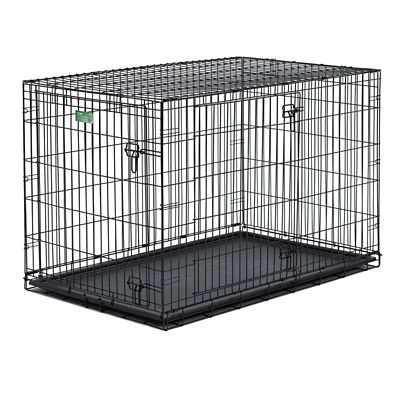
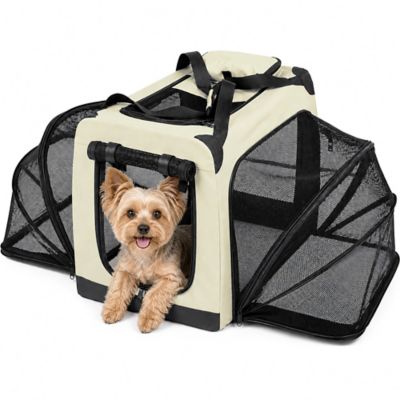
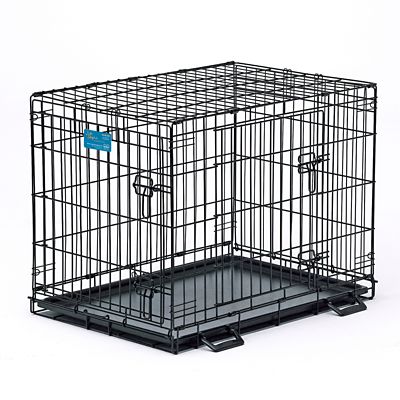
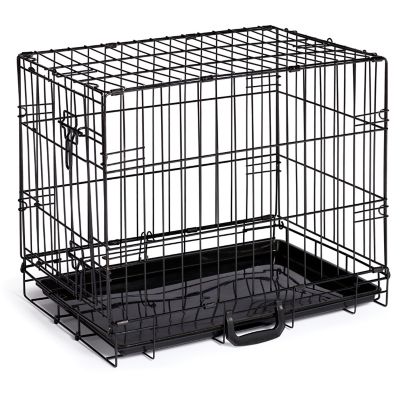
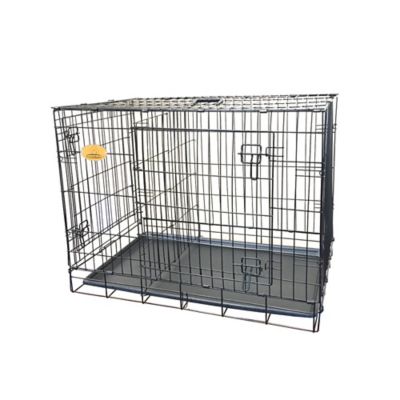
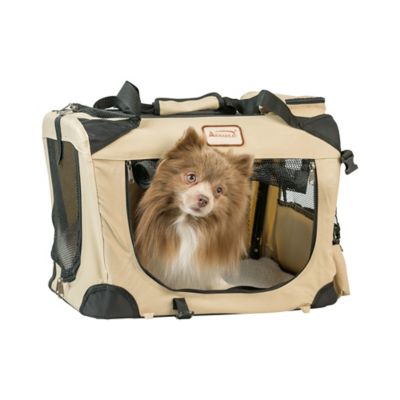
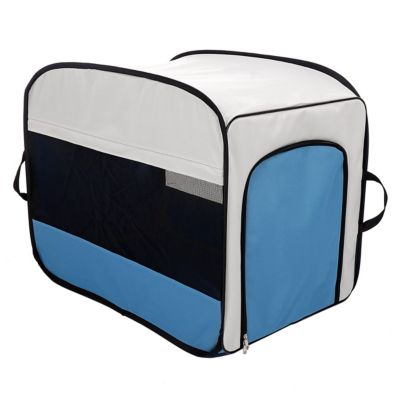
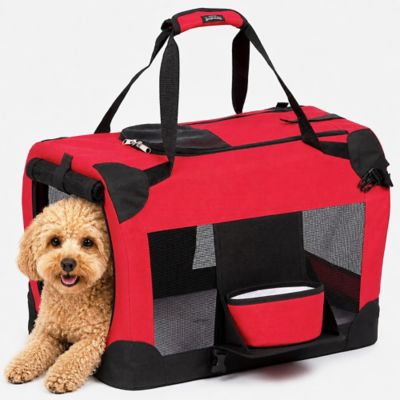
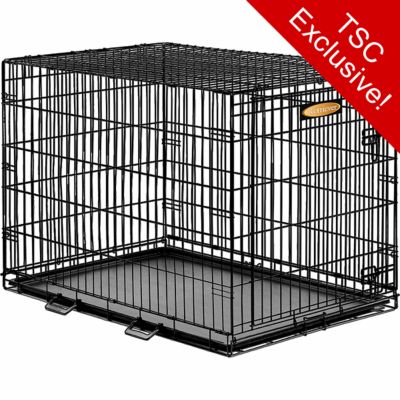
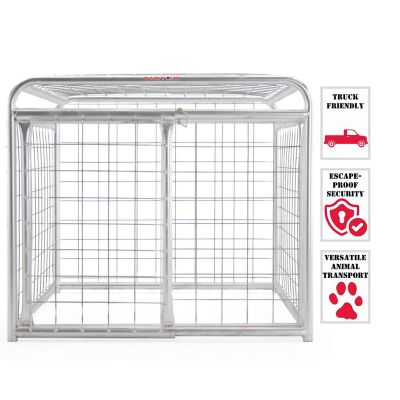
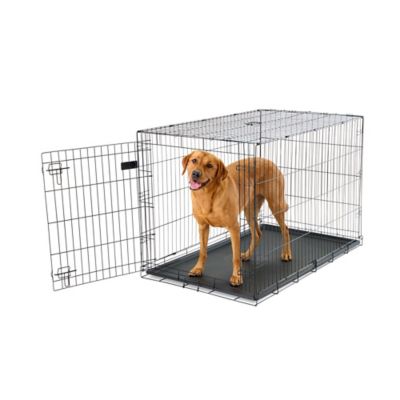
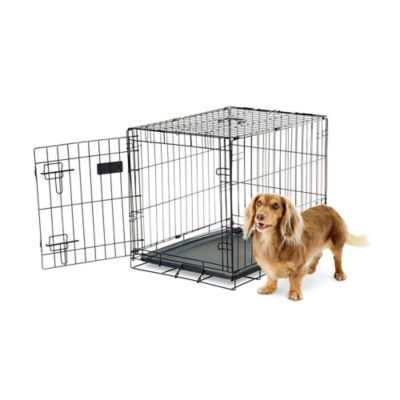
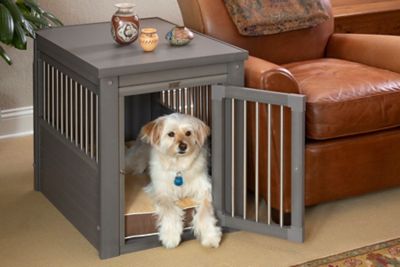
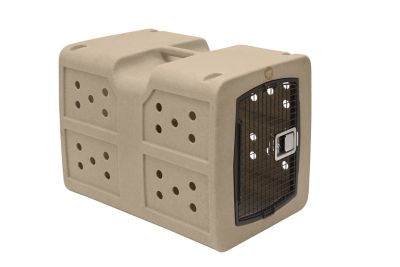
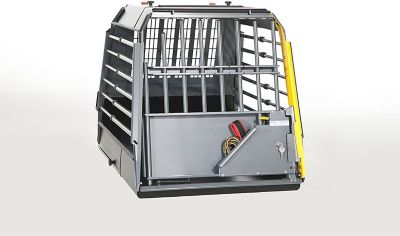
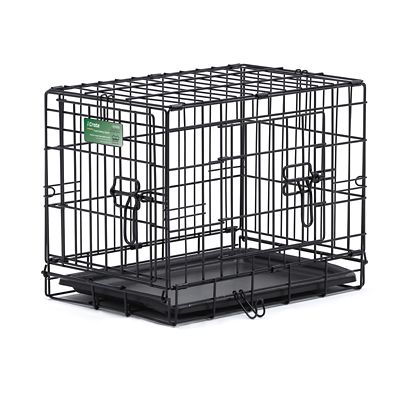
Folding dog crates give dogs a familiar place to rest while making it easier for people to store, move and set up a crate around the house, in a vehicle or at a new destination. A folding crate can be useful in a busy farmhouse, a small home, a camper, a hunting cabin or a spare room that needs to serve more than one purpose. When folded flat, many wire crates can slide behind a shelf, stand along a wall or fit in a truck bed without taking up the room of a fully assembled kennel. They are also handy for families bringing home a new puppy, helping a dog settle into a new routine, or keeping a dependable rest area available during visits, travel and home projects. Before choosing one, measure the dog from nose to tail and from the floor to the top of the head while standing. The crate should give the dog enough room to stand up, turn around and lie down comfortably, but it should not be so oversized that a young dog can use one end as a bathroom and the other as a sleeping spot. Consider the dog’s age, breed, chewing habits and activity level, along with the crate’s weight and folded dimensions. Wire crates offer airflow and a clear view of the room, while soft-sided styles are often lighter and more convenient for calm dogs that are already comfortable in a crate. Look for sturdy door latches, smooth edges, dependable hinges and a removable tray that can be wiped clean after muddy paws, spilled water or an occasional accident. A divider panel can be helpful for growing puppies, allowing the usable space to change as the dog grows.
The folding process is simple once the crate’s latches and hinges are familiar, but it should always be handled with the crate empty. Remove bedding, toys, food and water bowls first, then close and securely latch the door so the panels stay together while the crate is being collapsed. For many folding wire designs, begin with the shorter end panels. Push down on the top section and pull the outside panel slightly to release the hooks or latches that connect the end to the long side panels. Once the hooks are free, let that end fold inward rather than forcing it. Repeat the same step on the opposite end, checking that both sides have released before pushing the long panels toward the center. The crate should fold in an accordion-like motion until it lies flat. Finish by engaging the built-in clip, latch or other fastener that holds the folded panels together for carrying and storage. Some crates fold with the plastic pan in place, while others are easier to collapse after the pan is removed, so checking the included instructions is worthwhile. If the crate resists, stop and look for a hook or latch that has not fully released. Forcing the frame can bend the wire, strain the hinge or leave the crate unsafe to use. Keep fingers clear of pinch points as panels move, and place the folded crate on a stable surface instead of letting it fall against a wall or vehicle. Soft-sided crates usually collapse differently: unzip or open the fabric panels, release any locking frame pieces and fold the internal poles according to the design. Store the crate dry and clean, especially during the cooler months when wet blankets, damp floors and muddy outdoor gear can lead to mildew or lingering odors.
A folding dog crate can serve as a practical everyday den, a temporary safe space during cleaning or repairs, or a familiar spot for a dog that needs a quiet break from visitors and activity. Set it up in a well-ventilated area away from direct heat, strong drafts and places where cords or household chemicals are within reach. Add a washable mat or blanket sized for the crate, but leave enough room for the dog to move naturally and avoid thick bedding for a puppy that likes to chew or dig. Introduce the crate with patience by leaving the door open, placing treats or a favorite toy inside and allowing the dog to investigate at its own pace. Short, positive sessions generally build better habits than pushing a nervous dog inside and closing the door for long periods. A crate should never be used as punishment, and dogs should not be confined longer than their age, health and exercise needs allow. For trips, check that the folded crate is secured before lifting or loading it, then inspect every latch after setup. Families who travel with a dog may also want to compare these home-and-travel options with a
Car Dog Crate designed for use in a vehicle. A folding crate can make a thoughtful gift for a new puppy owner, a family moving to a larger dog, a camper who brings a dog along or anyone preparing a comfortable place for an adopted pet. Choose practical features that fit the recipient’s space and the dog’s size, and the crate can become one of those dependable pieces of gear that earns its keep through muddy afternoons, quiet naps, overnight stays and trips down the road.