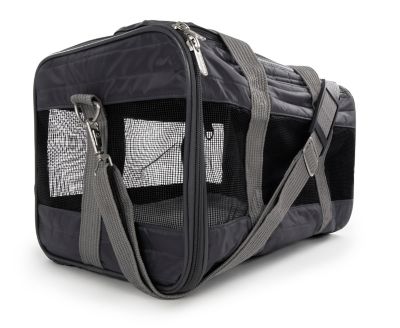
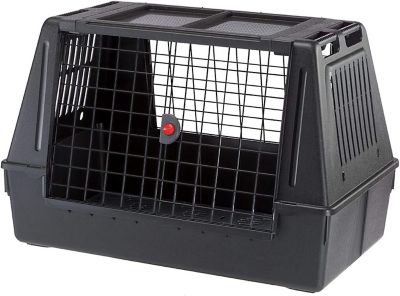
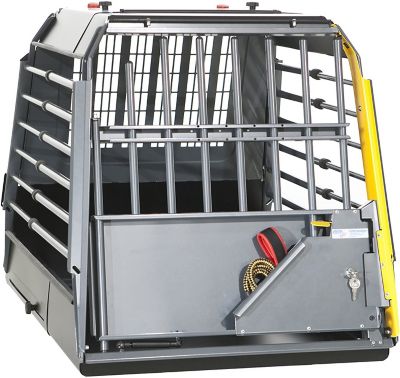
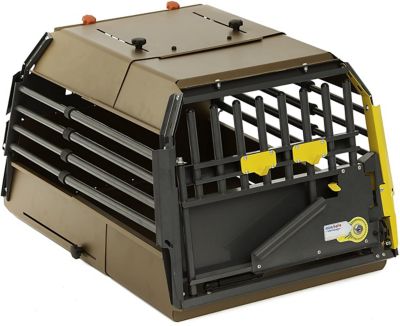
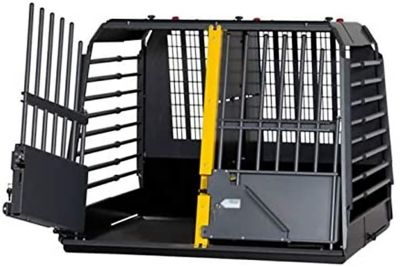
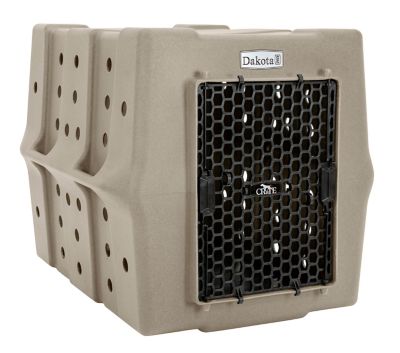
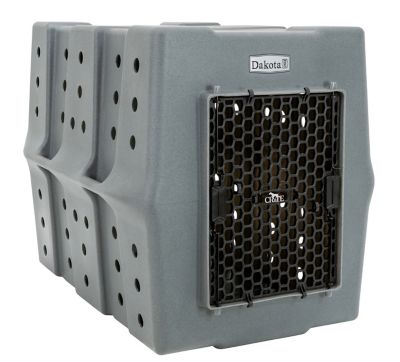
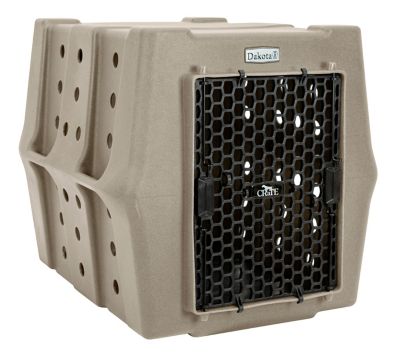
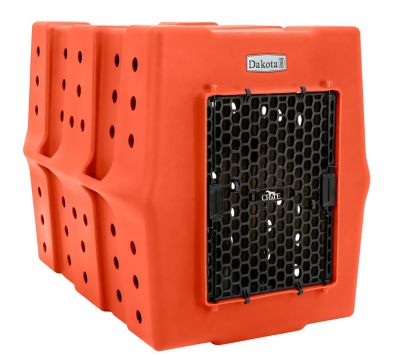
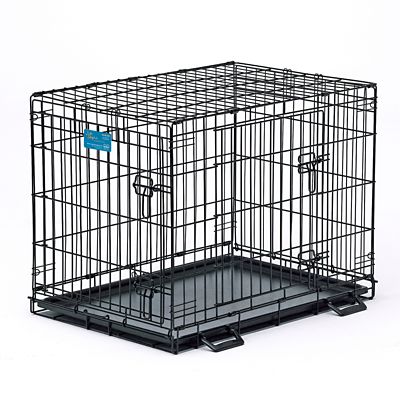
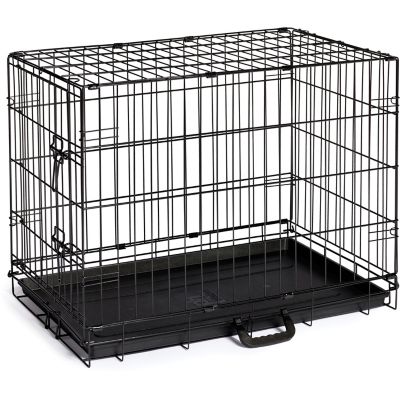
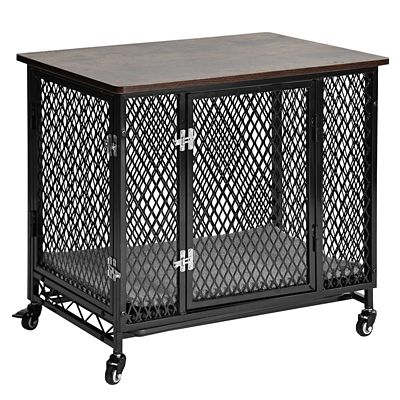
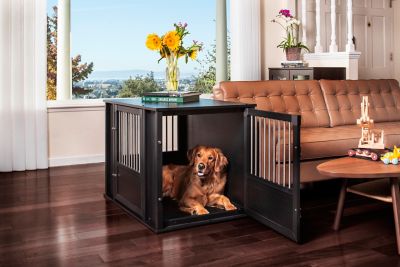
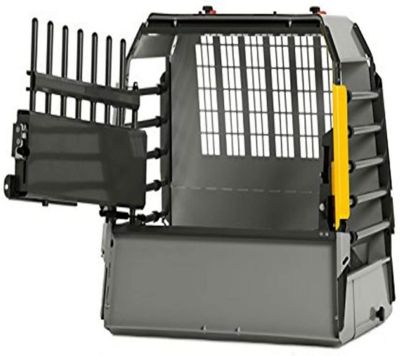
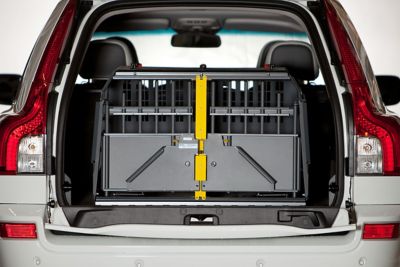
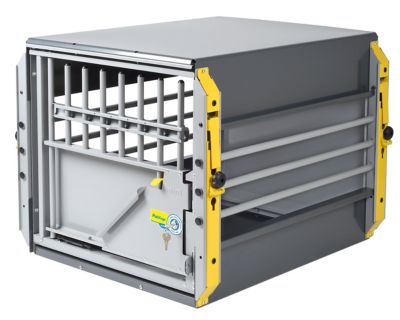
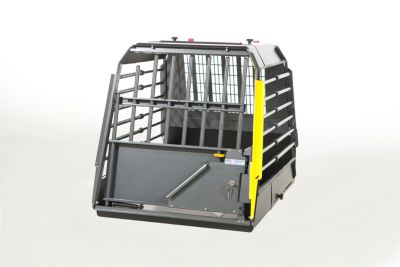
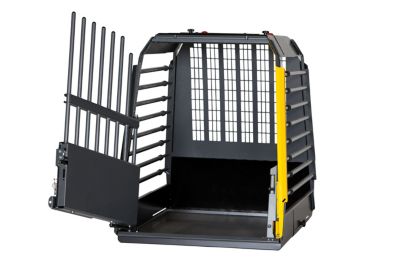
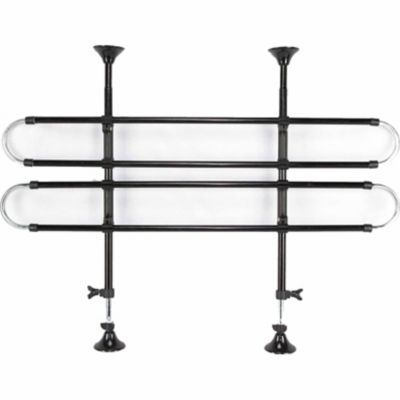
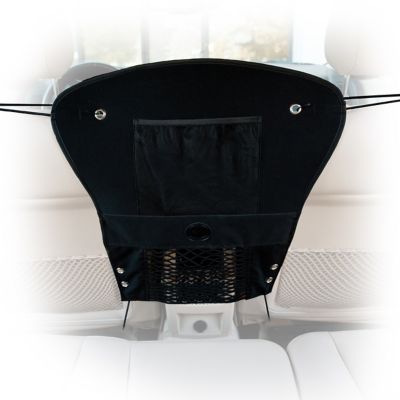
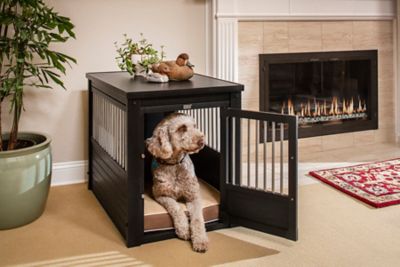
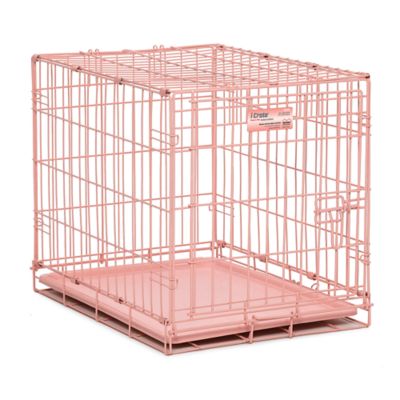
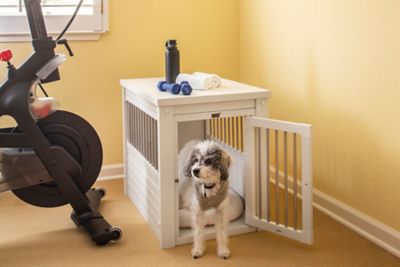
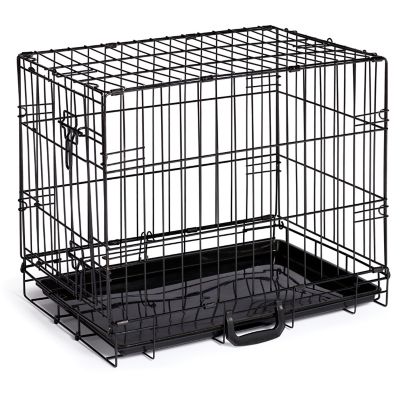
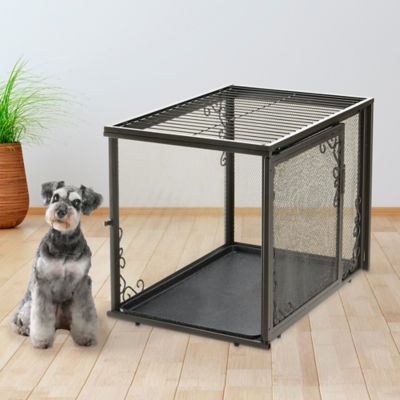
A car dog crate gives your dog a defined place to ride, whether the trip is to the veterinarian, the feed store or a trailhead a few counties over. Containing a dog can help limit roaming through the vehicle and reduce distractions for the driver, but a crate’s protection in a collision depends on its design, testing and installation. Vehicle travel calls for more than a kennel that happens to fit through the door. The right match takes the dog’s size, the vehicle’s layout and the demands of regular hauling into account. A small companion riding in a passenger car has different space requirements than a full-grown working dog traveling in an SUV. Body measurements matter alongside weight: your dog needs room to stand naturally, turn around and lie down comfortably, with sizing checked against the crate manufacturer’s guidance. Extra space is not automatically better, especially when it makes the enclosure difficult to secure. Exterior measurements deserve just as much attention as the interior dimensions. Sloped rear windows, wheel wells, seatbacks and narrow hatch openings can all affect the fit, even when the cargo floor looks roomy. Door placement also makes a difference. A front-opening crate may work well behind a rear hatch, while a side-opening layout may offer easier access in another vehicle. There should be enough clearance to open the crate door fully without forcing your dog to squeeze around a seat or climb over luggage. An enclosed trunk is not an appropriate place for a dog; the crate belongs in a suitable passenger or cargo area with ventilation, following the vehicle and crate manufacturers’ directions. For households with more than one dog, separate enclosures can keep each animal’s space clearly defined, provided both fit and can be secured properly. These practical details matter on ordinary errands as much as on longer trips, particularly when the same vehicle also carries groceries, feed bags or equipment that needs its own secure spot.
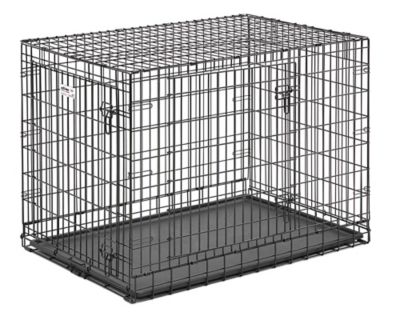
Materials shape how a dog crate handles travel, cleaning and day-to-day wear. Molded plastic enclosures often have solid walls with built-in ventilation openings, while metal designs may feature aluminum panels, frames or wire construction. Soft-sided carriers commonly combine fabric panels with mesh sections and a folding frame. Each construction has its place, but material alone does not establish crash protection. A folding wire crate meant for household containment or a fabric carrier intended for easy carrying should not be assumed to provide the same protection as a model evaluated for vehicle travel. Independent crash-test results or certification can help shoppers distinguish tested designs, and those findings apply to the particular model, animal-weight range, installation method and other stated test conditions. Thick walls, a hefty latch or a rugged appearance are not substitutes for that evidence. Secure mounting is another central consideration. A travel enclosure needs an approved attachment method that works with both its anchor points and the vehicle’s designated mounting locations. A seat belt is appropriate only when the manufacturer specifies that installation; simply looping one around a crate does not establish a proper restraint system. Loose bungee cords are not a substitute for the specified hardware, and mounting straps should follow the manufacturer’s requirements rather than whichever straps happen to be in the truck. Ventilation openings need to remain unobstructed by seats, blankets or cargo. Door hardware should close fully, with latches that are easy for the handler to check and difficult for the dog to work open. Dogs that chew, paw at doors or push against panels place different demands on an enclosure than dogs that settle quietly. Panel strength, protected edges, hinge construction and replacement-part options are all worth comparing. For regular drives down gravel roads or trips with frequent loading and unloading, a crate that stays properly positioned and has accessible hardware makes routine checks less of a chore. Loose tools, bags and other cargo also need restraint, so they cannot slide into the enclosure during braking or a sharp turn.
Everyday handling is where the smaller features of a car dog crate earn their keep. Carry handles, manageable weight and a shape that clears the vehicle opening can make a big difference when one person is loading the kennel before a trip. Some households keep a travel enclosure installed, while others move it between vehicles or bring it indoors after each outing. Shopping for
Travel Dog Crates means weighing that portability against the structure and mounting setup needed for the ride. A collapsible design can take less room in storage, but folding convenience should never stand in for suitability for transport. Inside the crate, a properly fitted, washable mat can provide a familiar resting surface without crowding the dog or blocking airflow. Bedding should match the dog’s habits; a determined chewer may need a different setup than an older dog that rests quietly. Smooth interior surfaces, removable trays and accessible corners make it easier to clear out shed hair, muddy paw prints and the occasional accident. Cleaning methods should follow the manufacturer’s directions, with surfaces rinsed as directed and dried before bedding goes back in. Routine checks of hinges, latches, panels, anchor points and straps help identify wear that could affect how the enclosure functions. Familiarity matters, too. Calm introductions and short practice rides can help a dog associate the crate with ordinary travel rather than only a visit to the vet. Longer drives still call for supervised breaks, water and a chance to relieve themselves, and dogs should not be left unattended in a parked vehicle. Keeping a leash handy before opening the crate makes stops at busy parking lots or unfamiliar places easier to manage. For someone bringing home a puppy, traveling with a farm companion or visiting family with a dog along, a properly matched travel crate can be a practical gift. The useful choice is the one that fits the animal, fits the vehicle and suits the way the household actually travels.