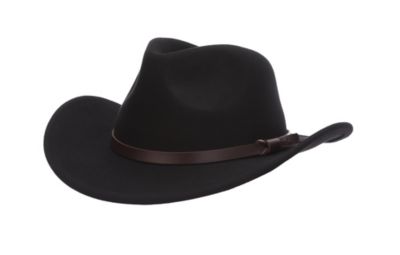
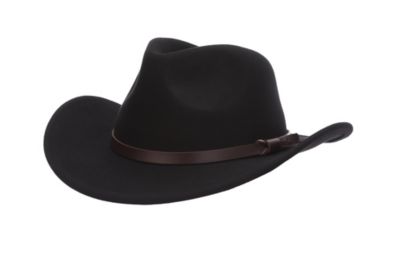
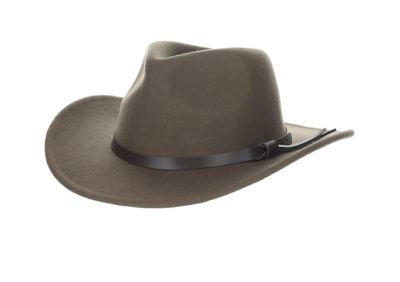
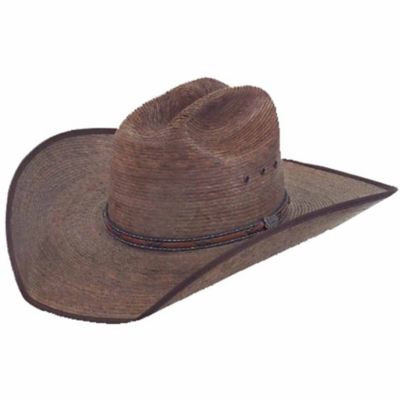
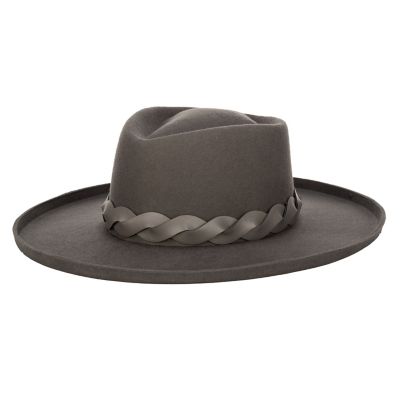
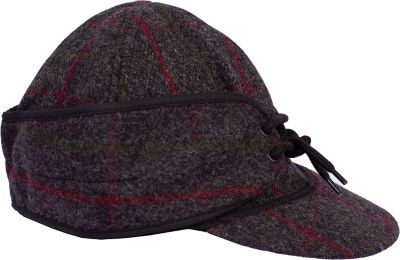
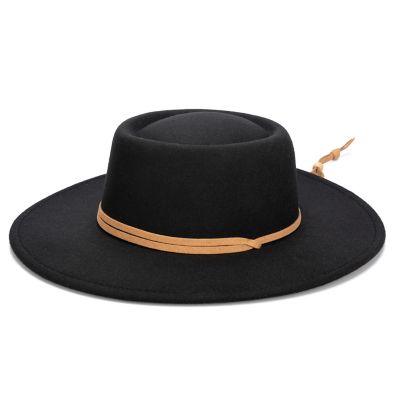
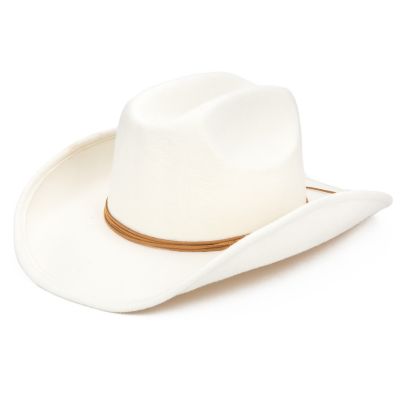
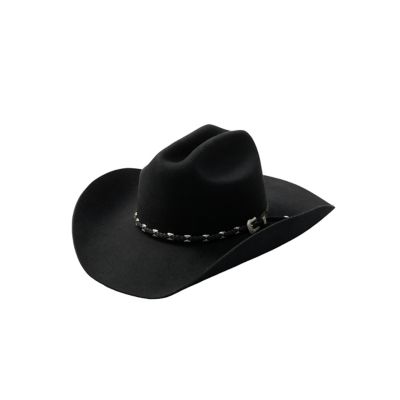
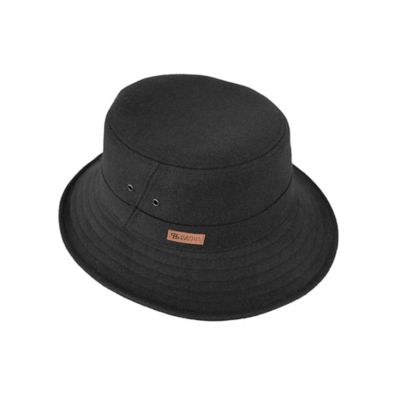
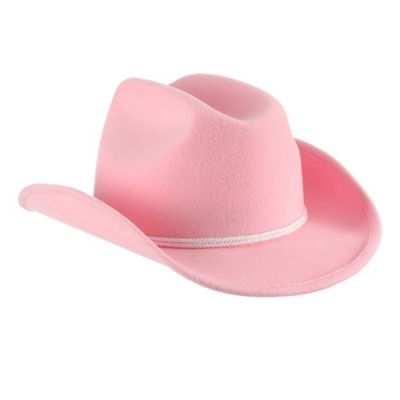
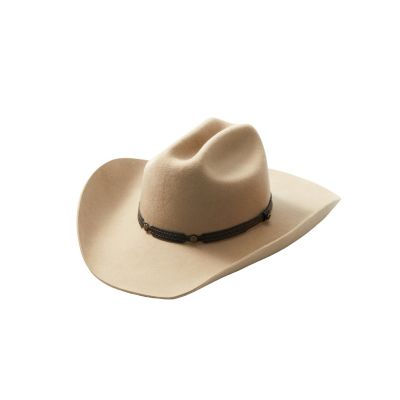
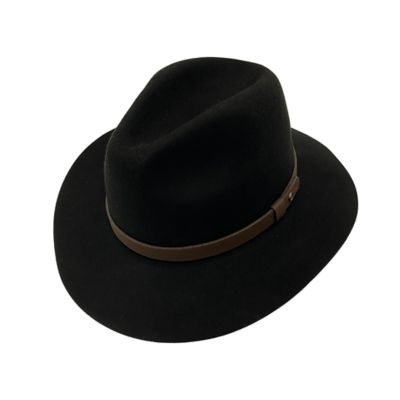
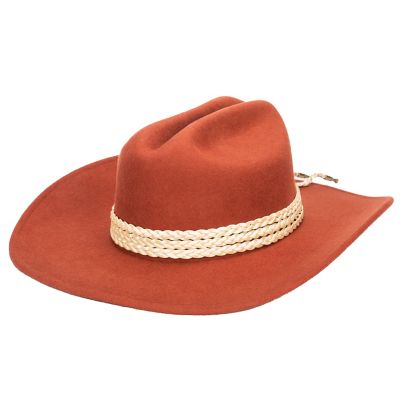
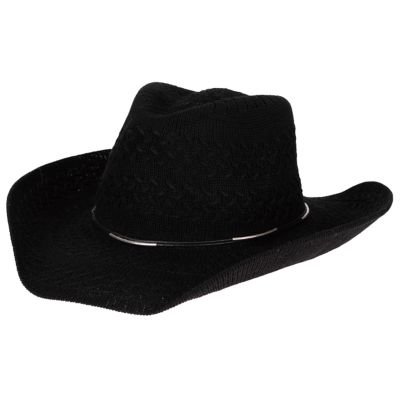
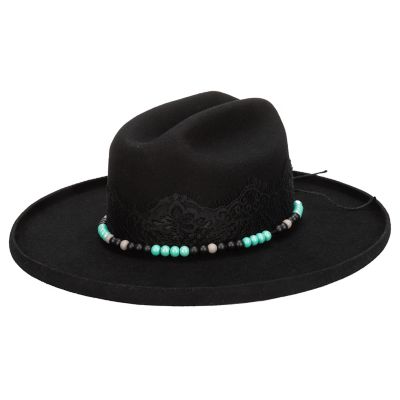
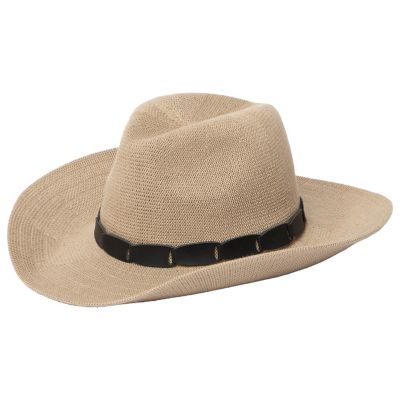
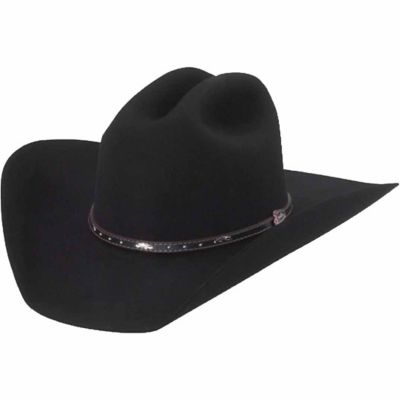
A leather hat brings together practical protection and the kind of good-looking style that never feels out of place around the barn, on the trail or in town. Depending on the design, a leather hat may have a broad outback or western brim for shade, a lower-profile flat cap for everyday wear or a more structured crown for a dressier look. Cowhide, lambskin and suede each have their own feel, weight and appearance, so the right choice comes down to how you plan to wear it. Full-grain and heavier leather styles are a solid match for outdoor work, riding, travel and other hard-use activities, while softer leather caps can be comfortable for errands, gatherings and casual days around the house. A good leather hat can help block sun, wind and light moisture, making it useful during the cooler months when the air turns brisk but a winter-weight hat feels like too much. Many western and outback designs include a shapeable brim or built-in wire, allowing you to adjust the front and sides for the coverage and look you prefer. Look for a crown that sits comfortably without squeezing your temples, and check that the sweatband rests evenly around your head. A hat should feel secure when you bend over or walk into a gust, but it should not leave a deep mark after a full day. If you are between sizes, measure around your head where the hat will sit, usually just above the eyebrows and ears, and compare that measurement with the sizing information for the style you are considering. Brim width matters, too: a wider brim offers more shade for fieldwork and long days outside, while a shorter brim may be easier to wear in a truck cab, workshop or crowded doorway. Details such as a chin cord, ventilation holes, a lining or a shaped band can make a noticeable difference when the hat is part of your regular gear.
Leather develops character as it is worn. The surface may soften, deepen in color and take on a one-of-a-kind patina from time spent outdoors, at the feed store or beside a campfire. That aging is part of the appeal, though a little care helps the hat keep its shape and stay ready for the next job. Store it on a flat surface or hat stand rather than hanging it from a narrow hook, which can pull on the leather or distort the crown. Keep it away from direct heat, such as a woodstove, heater vent or hot vehicle dashboard, because rapid drying can cause leather to stiffen or crack. If the hat gets damp, shake off excess water and let it dry naturally at room temperature. Avoid sealing it in a bag while it is still wet. A soft brush or clean cloth can lift off dust and dry dirt, and leather conditioner made for the specific finish can help prevent a well-used hat from becoming brittle. Suede needs different treatment than smooth leather, so follow the care directions rather than applying a general polish. Water-resistant finishes can provide added confidence in light rain or wet grass, but no leather hat should be treated as completely waterproof unless the care information says so. Before buying, consider the hat’s weight, flexibility and lining along with its appearance. A lined leather hat may feel warmer and smoother against the head, while an unlined style may breathe better when you are moving between indoor and outdoor spaces. A firm crown can hold its shape through years of wear, whereas a softer hat may pack more easily for travel. These small differences are worth weighing when you need dependable gear instead of an accessory that only looks good on the shelf.
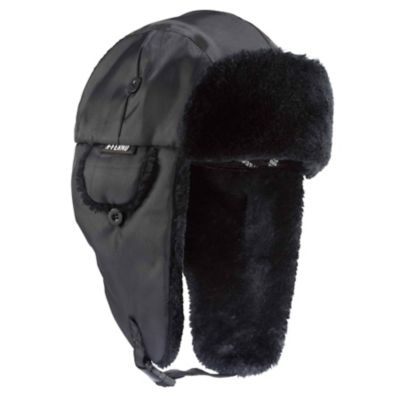
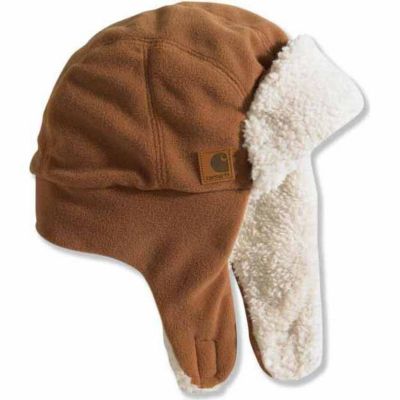
A leather hat can be a thoughtful gift for someone who spends weekends riding, hunting, fishing, working livestock, traveling back roads or simply enjoys classic western style. It also suits folks who appreciate useful gifts with a little personal character; every scuff and softened edge can tell a story over time. For a gift, a flexible everyday style may be easier to choose than a highly shaped hat, especially when you are unsure of the recipient’s preferred crown or brim. Neutral shades such as brown, black or natural tan tend to pair easily with jeans, work shirts, jackets and chore coats, while a distinctive band or weathered finish can suit someone with a strong individual style. Riders and outdoor workers may favor a secure fit, a broad brim and a chin cord that helps keep the hat in place. Someone looking for an everyday cap may prefer a flat cap or newsboy shape that slips easily under a coat and works for errands, gatherings and casual meals. Those who spend cold days outdoors may also want to compare leather styles with warmer headwear, including
Trapper Hats, which offer fuller coverage around the ears and neck. For costumes, festivals, motorcycle events or western gatherings, the shape and finish may matter just as much as weather protection, with structured crowns and bold brims making a strong impression. No matter the occasion, choose a leather hat that fits the wearer’s routine, matches the conditions they face and feels comfortable enough to reach for again and again. The best one becomes part of the daily kit—a familiar piece pulled from the peg before heading out into a sharp breeze, a sunny pasture or another full day of work.