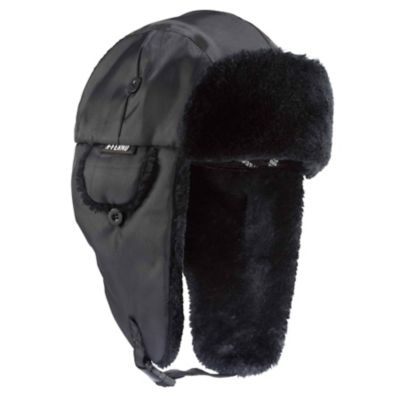
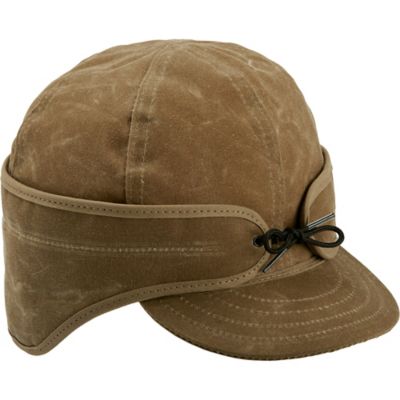
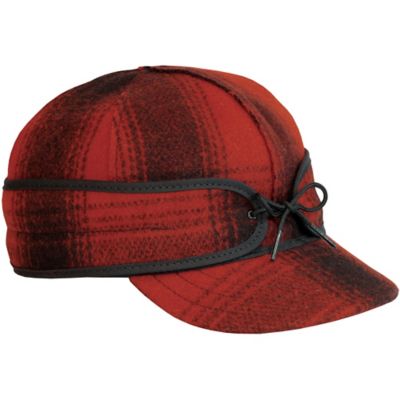
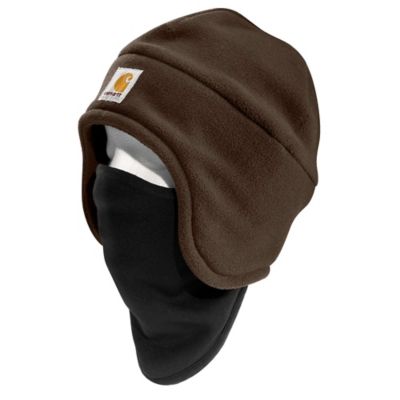
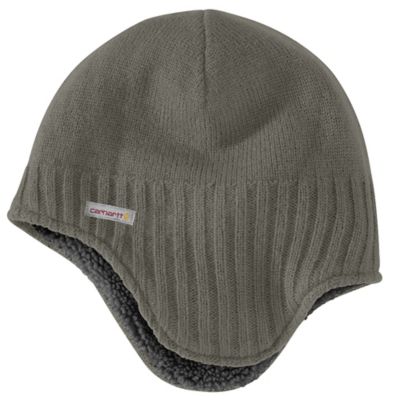
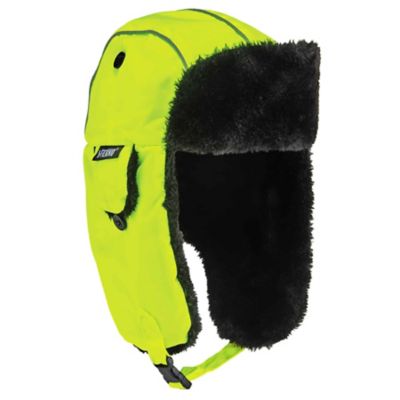
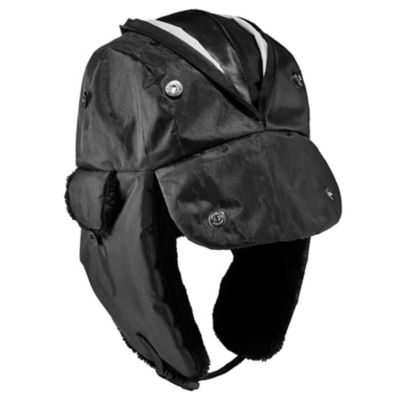
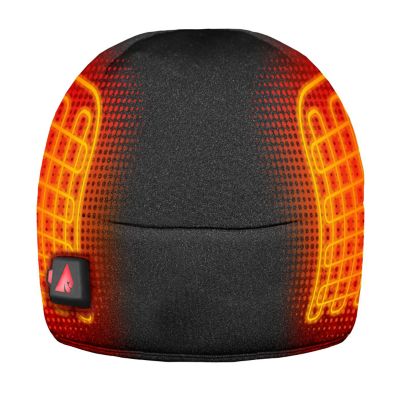
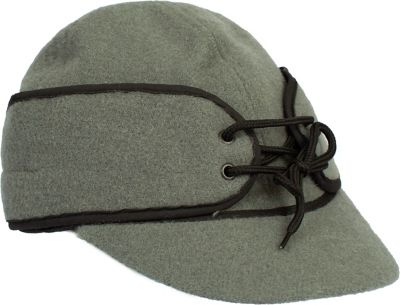
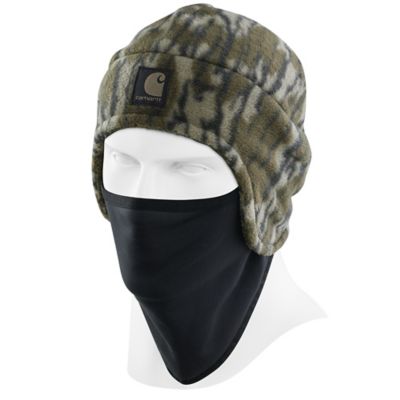
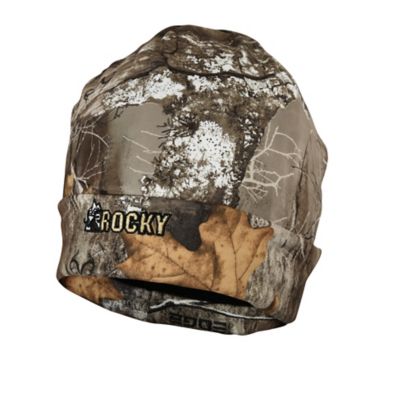
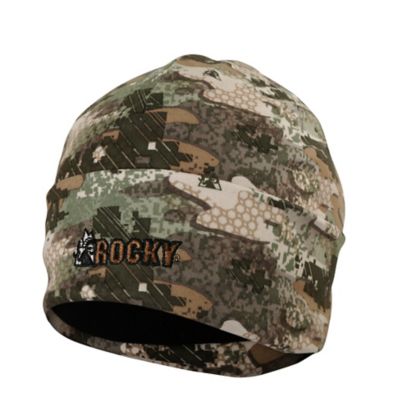
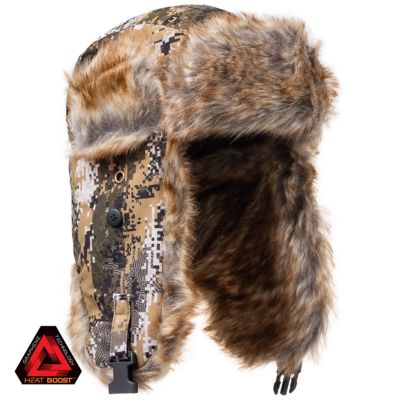
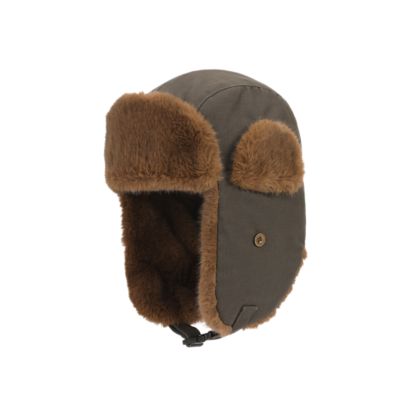
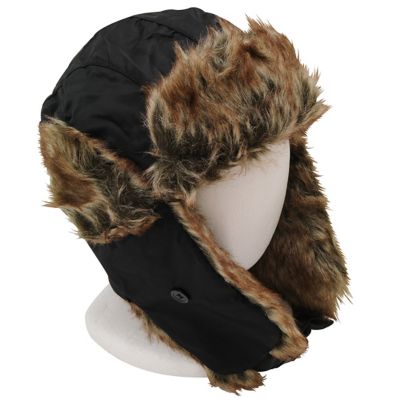
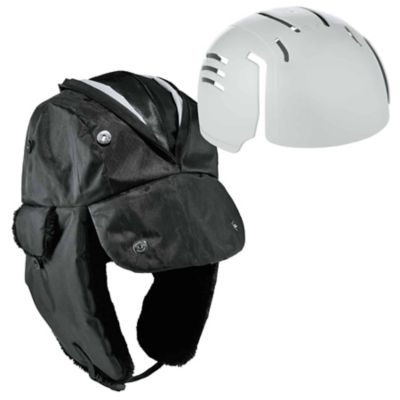
Men’s winter trapper hats, also called trooper hats or ushanka hats, are made for the kind of cold that settles over open fields, gravel roads, job sites, and back porches. Unlike a standard knit cap, a trapper hat usually has a lined crown, a front visor, and plush ear flaps that extend down along the sides of the face. The flaps can often be fastened beneath the chin when the wind is sharp or secured up over the crown when the weather is milder. That adjustable design makes these hats useful through the changing conditions of the cooler months, whether you are feeding livestock before daylight, clearing snow from a truck, walking the dog, hunting, ice fishing, working outdoors, or watching a ball game from the sidelines. A covered fit around the ears and back of the head helps hold in warmth, while the visor can help shade the eyes from low winter sun and keep light snow or drizzle off the face. Many styles use fleece, quilted fabric, sherpa, faux fur, wool blends, or other insulating linings, with outer shells made from nylon, polyester, canvas, leather-like materials, or treated woven fabrics. Water-resistant shells are handy in wet snow and sleet, while a wind-resistant construction is especially useful in exposed areas where a steady breeze can cut through lighter headwear. Some designs also include a detachable face covering that fastens with snaps, hook-and-loop closures, or ties. A face shield can add comfort during a bitter ride on an ATV, a cold walk across the pasture, or a long morning spent outdoors, while still allowing it to be removed when it is not needed.
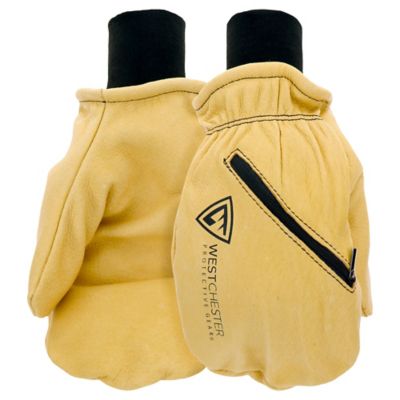
When comparing men’s winter trapper hats, start with the conditions and daily routine they need to handle. A lightweight hat with a soft synthetic lining may be comfortable for everyday errands, travel, chores around the barn, and cool afternoon walks. For extended time outside, look for fuller insulation, secure ear flaps, and a close-fitting crown that covers the head without squeezing it. The best fit should sit comfortably above the eyebrows, rest over the ears, and stay in place when turning your head or bending down. Adjustable chin straps can help keep a hat secure during hard wind or active work, while tie-up straps give more flexibility when temperatures rise. Check the sizing information carefully, especially when choosing a gift, since thick linings can make a hat feel more fitted than a similar-sized unlined cap. A curved visor adds structure and can help keep falling snow away from the eyes. If glasses, hearing protection, or other cold-weather gear are part of the usual outfit, allow enough room for everything to sit comfortably together. Material choice also affects the feel and care of the hat. Wool blends offer a classic look and natural warmth, fleece is soft and easy to wear, and synthetic insulation can provide dependable warmth without adding much weight. Faux-fur linings are plush against the skin, while genuine fur options may appeal to shoppers looking for traditional materials and a distinctive finish. Check the care instructions before buying, since some hats can be machine washed while others need spot cleaning or professional care. Features such as reinforced stitching, durable closures, a smooth lining, and a shell that sheds light moisture can make a noticeable difference when a hat is worn often. For a complete cold-weather outfit, pair a warm trapper hat with gloves, insulated boots, and
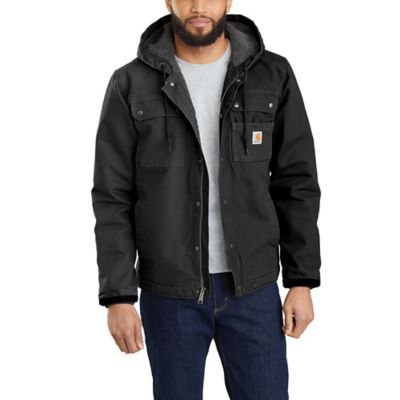
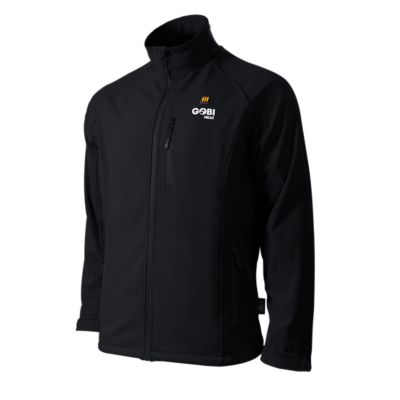
Men's Winter Outdoor Jackets suited to the same outdoor conditions.
A men’s winter trapper hat can also make a practical gift for someone who spends more time outside than he spends indoors. It suits a farmer checking fences, a delivery driver starting an early route, a hunter sitting quietly in a blind, a fisherman standing beside an icy shore, or a dad who never seems to mind taking the morning chores. It can be a thoughtful choice for a son heading to a cold-weather job, a grandfather who enjoys walking the property, or a friend who likes winter camping and outdoor projects. Neutral colors and traditional shapes tend to work well when the hat needs to fit easily into an everyday wardrobe, while high-visibility colors may be useful for hunting, roadside work, or outdoor recreation where being seen matters. Consider whether the recipient prefers a low-profile hat that slips beneath a hood or a fuller style with generous ear coverage and a face guard. For someone who spends long stretches in the elements, prioritize warmth, wind protection, and a secure fit over decorative details. For casual wear, a softer lining, lighter construction, and easy-to-manage ear flaps may be more comfortable. Trapper hats are also useful for keeping a child’s older brother, a new homeowner, or a weekend homesteader ready for those sudden cold snaps that arrive when there is still plenty to do outside. Store the hat dry between uses, brush away loose dirt, and let damp insulation air out fully before putting it away. With the right combination of coverage, warmth, comfort, and weather-ready materials, a winter trapper hat helps make cold chores and outdoor time more manageable from the first chilly mornings through the deeper stretch of winter.