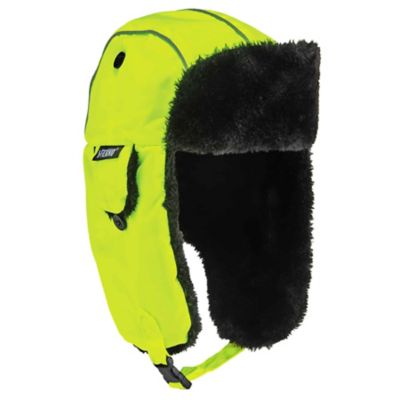
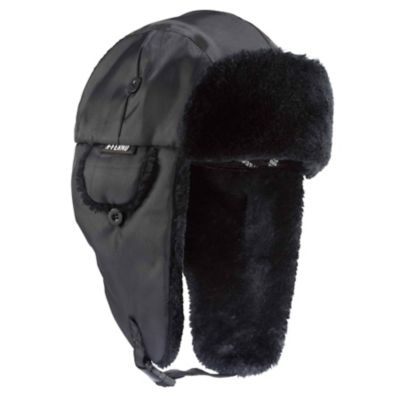
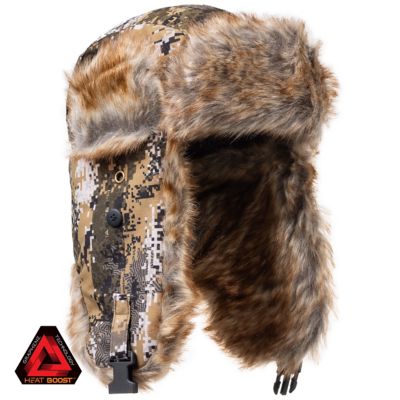
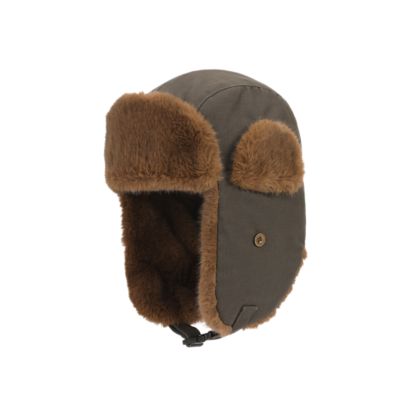
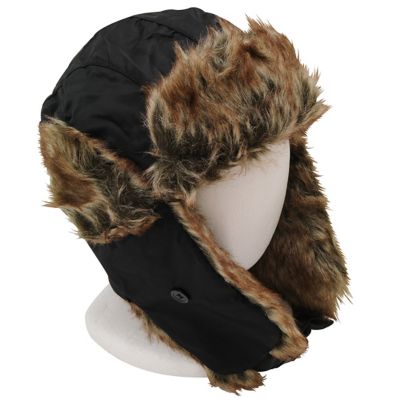
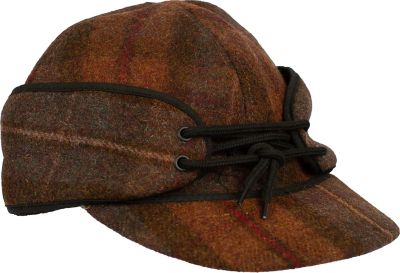
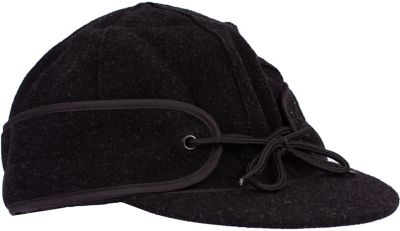
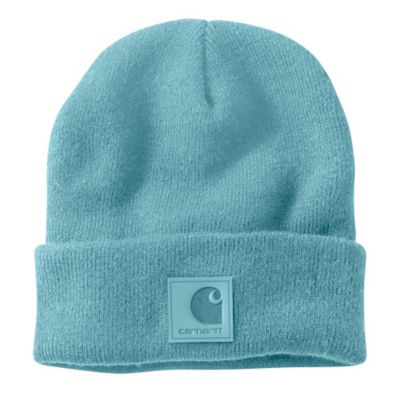
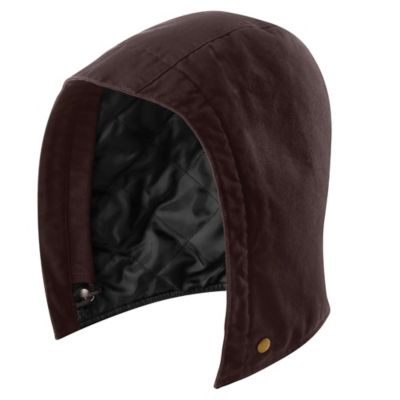
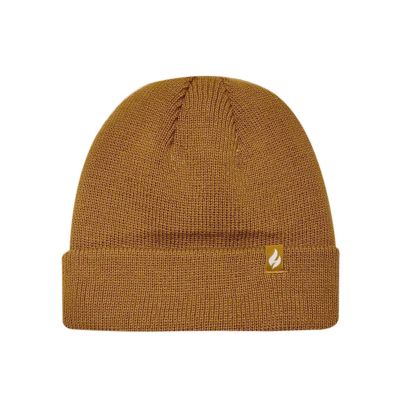
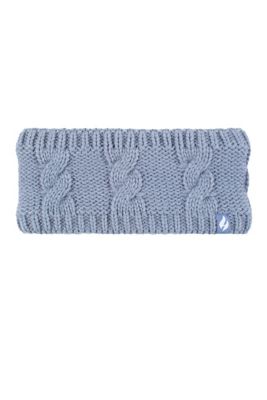
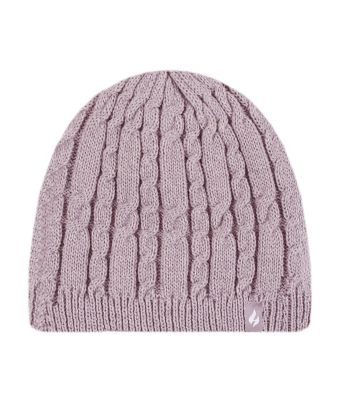
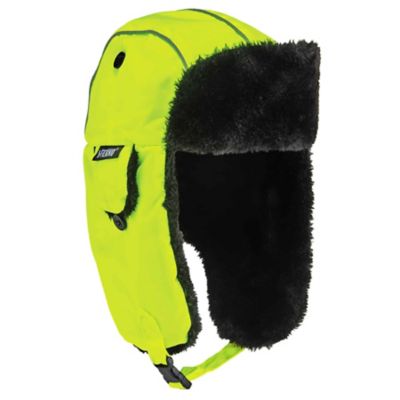
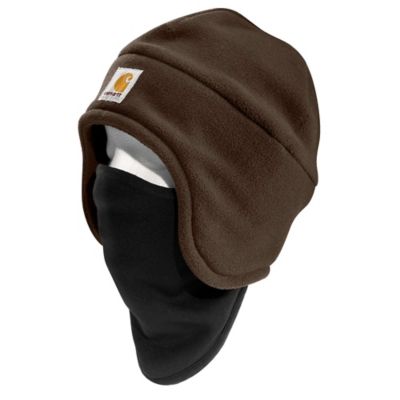
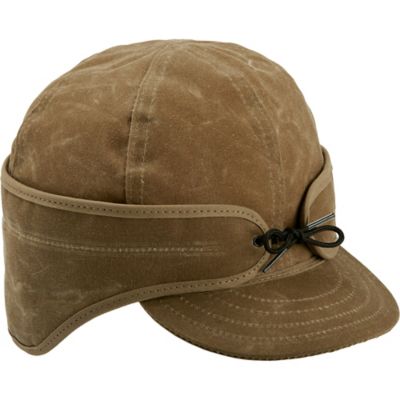
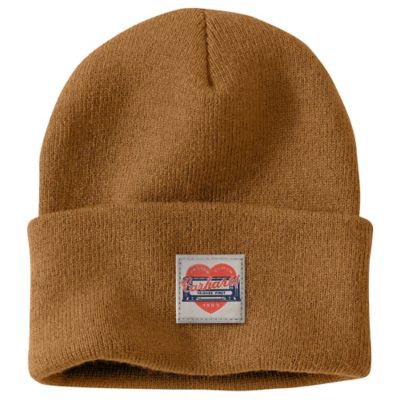
Winter hats with ear flaps bring extra coverage to the places a plain cap can leave exposed, especially when a cold breeze cuts across an open pasture or follows you down the driveway. The longer sides help shelter the ears, while some shapes also extend farther down the back of the head. That added coverage makes sense for feeding livestock before daylight, walking the dog along a gravel road, waiting at the bus stop, or spending a chilly afternoon beside the ball field. Ear flap hats come in several general styles, from close-fitting knits with soft ties to trapper-style shapes with a structured outer shell and a thick lining. Their feel can vary quite a bit. A knitted hat often stretches comfortably around the head and slips easily into a coat pocket, while a fuller trapper shape leaves more room for lofty insulation around the ears. Wool helps insulate and can handle some moisture without immediately feeling clammy, though its texture against the skin depends on the fiber and construction. Acrylic knits offer a wool-like look with care requirements that are often simpler, and fleece gives the inside of a hat a soft, light feel. Faux fur adds a plush layer around the face and ears, although a thicker lining can take up more space beneath a hood. Shell fabrics such as nylon or polyester can help limit wind penetration when their weave and construction are suited to that purpose. A water-resistant finish may handle light flurries or brief contact with damp weather, but it does not make every hat waterproof. The right balance comes down to where the day takes you: standing still by a gate calls for a different level of warmth than hauling hay or walking briskly along a wooded trail. A hat that feels comfortable through those everyday changes is easier to keep on from the first chore to the last trip back inside.
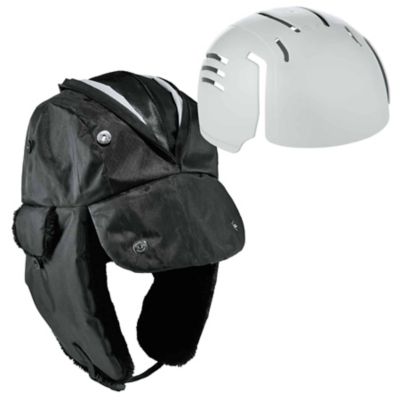
Fit matters just as much as thickness, particularly with winter hats with ear flaps, because the extra fabric needs to sit where it can do its job. The crown should settle comfortably on the head without pulling the flaps upward, and the lower edges should cover the ears rather than stop halfway across them. A snug fit helps keep the hat in place when bending to fill a feed pan or turning into the wind, but tight pressure across the forehead can become bothersome during a long stretch outdoors. Head measurements and the maker’s size chart offer a better starting point than age labels alone, especially for children or anyone between sizes. Hair length and thickness can affect fit, too, as can wearing a thin layer underneath. Chin ties, snaps, and buckle closures each have a different feel; a fastening that seems simple indoors may take more effort with insulated gloves. For younger wearers, age-appropriate construction and secure, short closures deserve attention, and loose cords should stay clear of equipment and moving parts. Flaps that fasten over the crown can help release heat during active chores, while flaps secured below the chin offer steadier coverage when the breeze picks up. The inside seams are worth considering if a hat will sit against bare skin for hours. A smooth forehead band and a lining that does not bunch around the ears can make a real difference on a long fence walk. Glasses add another detail: thick padding should not push the frames out of position or press the arms hard against the head. When pairing a hat with a coat hood, leave enough room to turn your head comfortably and maintain a clear view to either side. Ear coverage can also change how clearly surrounding sounds come through, so awareness matters around vehicles and livestock. These hats provide cold-weather coverage, not a substitute for required head protection, and any layer worn with safety equipment needs to follow that equipment’s fit requirements.
Everyday wear puts a winter hat through more than cold air. There is the dampness from melting snow, the dust in a feed room, and the repeated tug of taking it off with gloved hands. Closely finished seams, firmly attached fasteners, and an outer fabric suited to the task all contribute to how well a hat holds up through those routines. A soft knit can feel right for town trips and neighborhood walks, while a smoother shell may be easier to brush free of bits of hay. Heavy lining offers welcome warmth during a slow morning in a deer stand or an evening watching outdoor sports, but a lighter construction may feel better for someone who stays on the move. Care is part of that match. The sewn-in label should lead the way, since wool, fleece, shell fabrics, and faux fur can call for different washing and drying methods. Some hats tolerate machine washing, while others need gentle hand washing or spot cleaning. High heat can shrink certain fibers, affect finishes, or change the texture of a plush lining, so drying beside a hot stove is not a good shortcut. Letting a damp hat dry fully with its flaps open helps prevent moisture from lingering in thick sections. Between outings, a dry shelf or hook gives it a better resting place than the bottom of a muddy gear bag. For families sorting out cold-weather layers, ear flap styles can suit everyone from the person checking water troughs to the kid heading out to play after school. They also make thoughtful gifts when the wearer’s head size, preferred lining, and usual activities are known. Someone who favors a less bulky silhouette may appreciate a close-fitting shape, while a person who spends long periods outdoors may welcome deeper coverage around the cheeks and neck. For another look at cold-weather headwear,
Women's Warm Winter Hats offers a related place to browse. Whether the hat ends up hanging beside a chore coat or tucked into a weekend bag, comfortable ear coverage helps make cold mornings and windy afternoons a little easier to take.