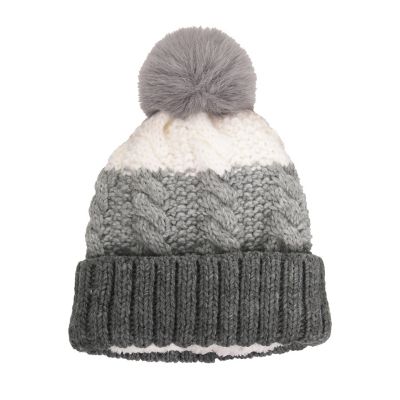
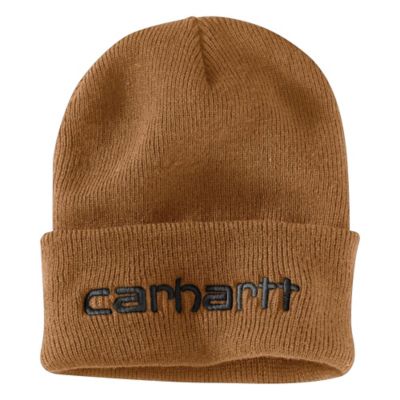
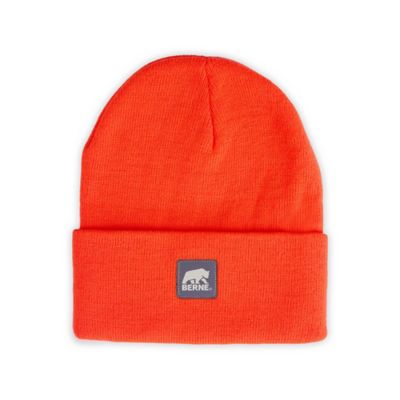
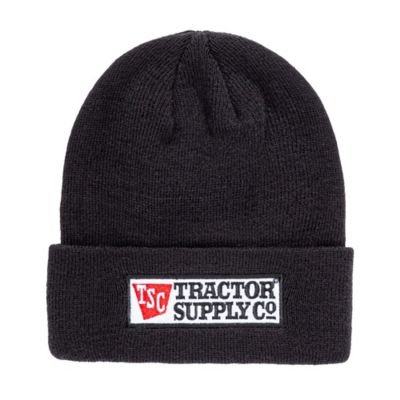
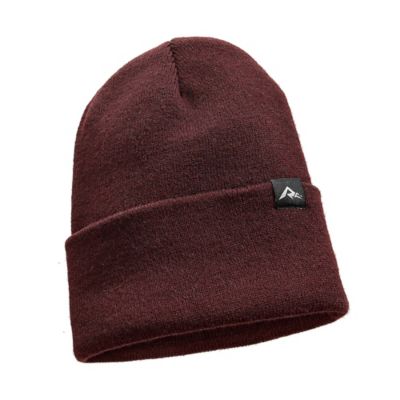
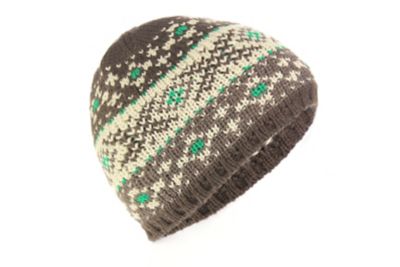
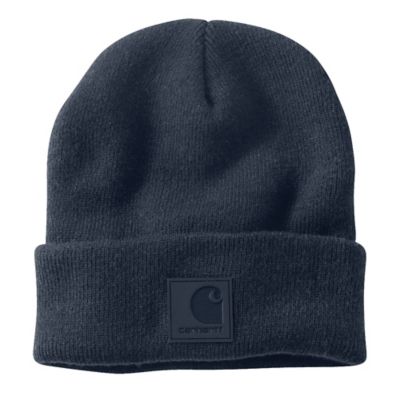
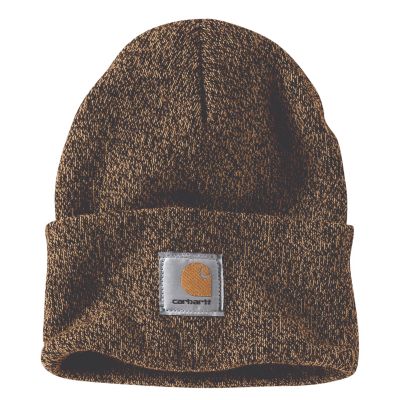
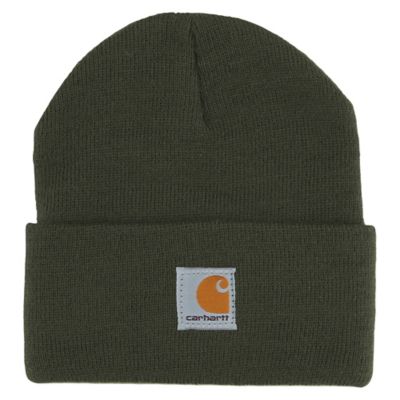
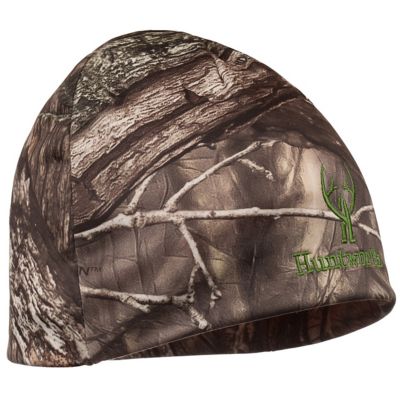
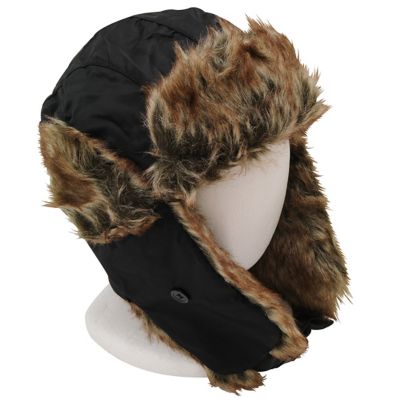
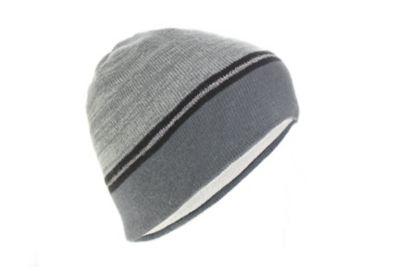
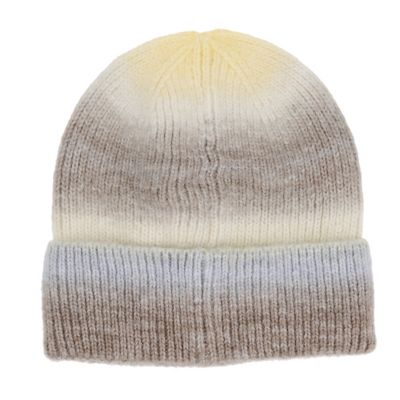
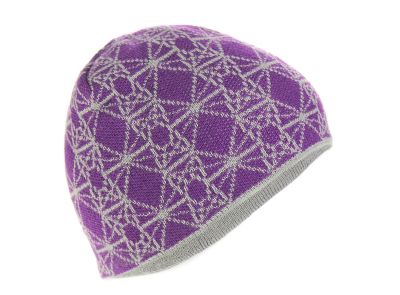
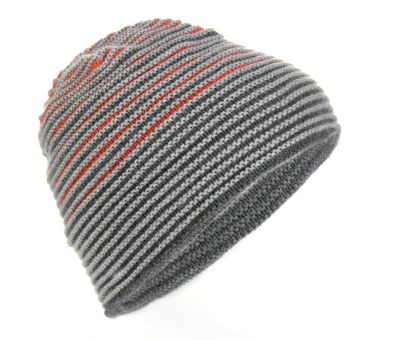
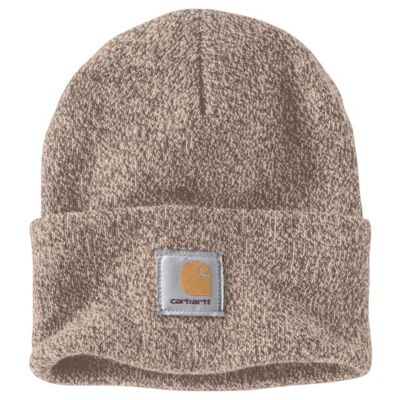
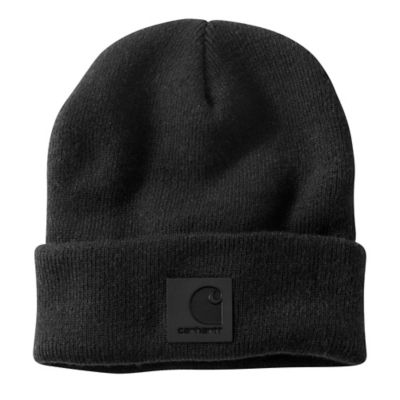
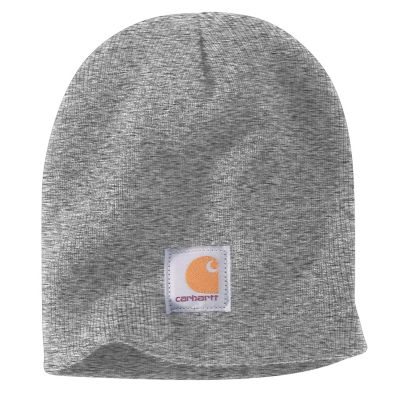
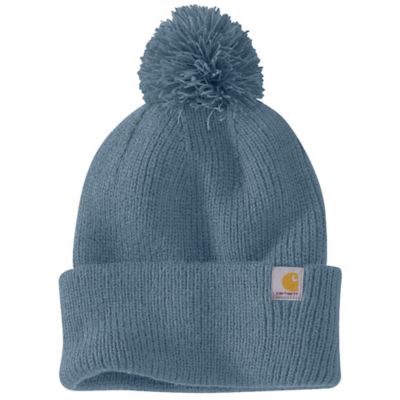
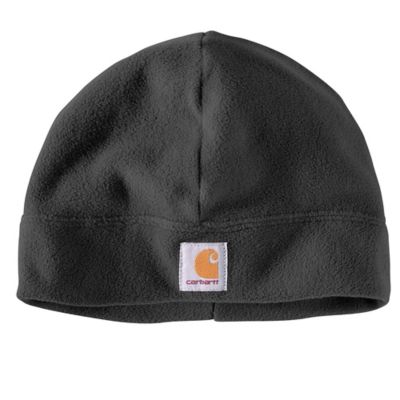
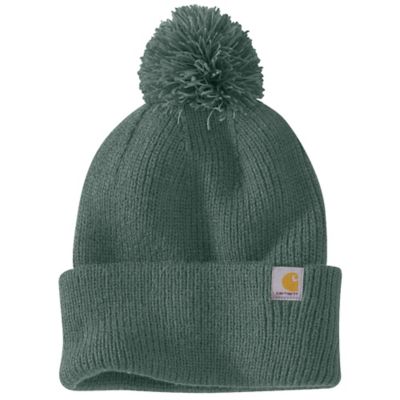
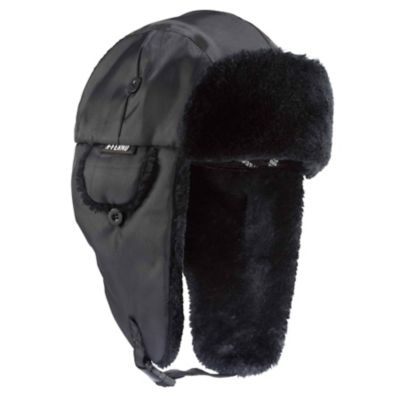
A toboggan hat is a warm, knitted winter cap made to help hold in body heat when the wind picks up and the temperature drops. It typically fits close to the head and covers the ears, making it handy for chores around the property, outdoor work, school bus stops, walks with the dog, hunting trips, camping, and everyday errands during the cooler months. In much of the American South and Appalachia, “toboggan” is the familiar name for a knit winter hat, often used interchangeably with beanie or boggan. Depending on where you live, you may also hear terms such as tuque, woolly hat, or bobble hat. In northern regions, a toboggan more commonly means a long wooden sled, so the meaning can change from one place to another. Here, toboggan hat refers to the thick, comfortable knit cap worn for warmth. Traditional cold-weather styles may have a double-layered knit, a folded cuff, or a fleece lining that adds insulation around the forehead and ears. Some are made with a stretchy knit that settles snugly without feeling tight, while others have a slouchier shape for a relaxed fit. A cuffed design can give extra coverage and a little more structure, while a longer crown offers room for a casual, laid-back look. Pom-poms and other simple details add personality, but the most important feature is a dependable fit that stays in place when you are moving, working, or walking into a stiff breeze.
When choosing a toboggan hat, start with the kind of weather and activity it needs to handle. For bitter wind or long stretches outside, look for a thick knit or a lined construction that covers the ears fully and helps block drafts. For milder days, a lighter knit can be easier to wear indoors, in a truck cab, or while moving between the house and the barn. Materials make a difference in comfort, warmth, stretch, and care. Soft synthetic fibers are often durable, quick to dry, and easy to wash, while wool and wool blends are valued for their natural warmth and ability to insulate in chilly conditions. A cotton knit can feel soft and breathable, though it may not provide the same level of insulation or moisture management as a heavier winter blend. For a lighter option suited to layering and casual wear, browse a
Cotton Hat. Pay attention to sizing details, since a hat that is too loose may let cold air in or slip during active work, while one that is too snug can become uncomfortable over several hours. Ear coverage is especially useful for riding, feeding animals, splitting firewood, or standing outside at a ball field, where exposed ears can get cold before the rest of you. If you wear glasses, hearing protection, a ponytail, or a hood, consider how the hat will work with those layers. A low-profile knit may fit more easily under a hard hat or coat hood, while a thicker style may be better worn on its own. Color and pattern are also practical choices: darker shades tend to hide everyday dust and wear, while brighter colors are easier to spot in a coat pocket, gear bag, or crowded mudroom.
Toboggan hats are useful for nearly anyone who spends time outdoors, from farmers and ranchers heading out before daylight to homeowners clearing walkways, checking fences, or carrying in firewood. Kids can wear them for recess, sledding, outdoor games, and rides to school, while adults may appreciate one for early-morning commutes, weekend projects, travel, or watching a game from the sidelines. They also make thoughtful gifts because cold-weather hats are useful, easy to pack, and simple to match with a coat, gloves, scarf, or work jacket. A warm knit cap can be tucked into a care package for a college student, added to a winter clothing bundle for a family member, or given to someone who enjoys camping, fishing, hiking, or spending time at the hunting camp. For a gift, a versatile color and a comfortable, not-too-tight fit are safe choices, especially when the recipient’s preferred style is unknown. It helps to keep one in the truck, one by the back door, and another in a work bag so a cold morning does not catch you unprepared. After a muddy or snowy outing, follow the care instructions and allow the hat to dry fully before storing it; gentle washing and air-drying can help preserve the shape and softness of the knit. Whether you call it a toboggan, beanie, tuque, or woolly hat, this simple winter staple brings welcome warmth to the daily routines that keep a home, farm, or ranch running through the colder season.