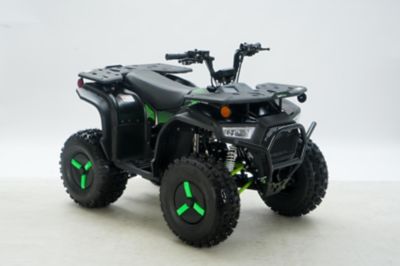
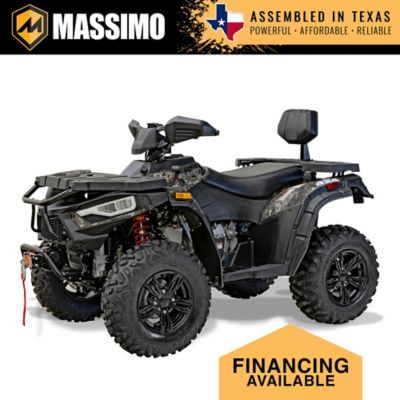
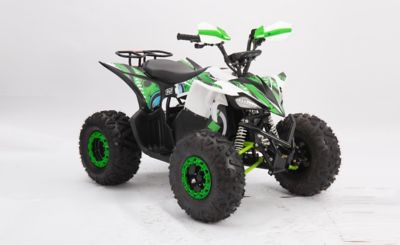
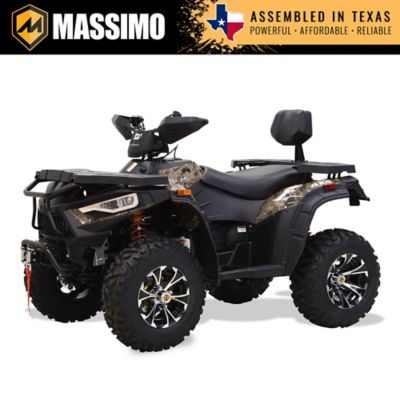
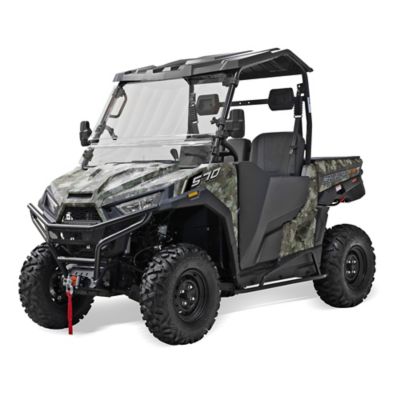
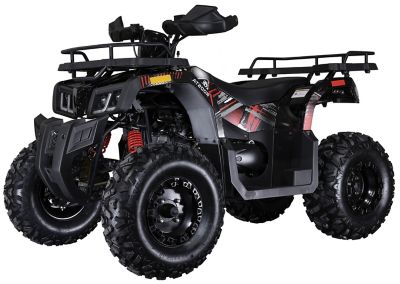
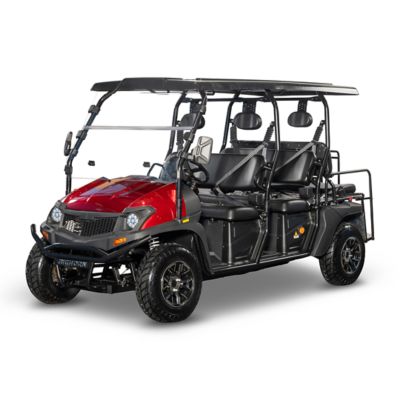
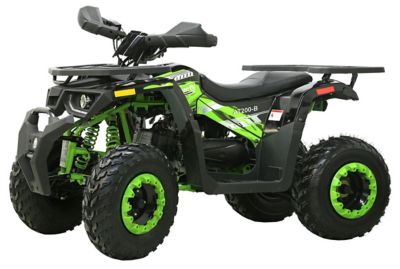
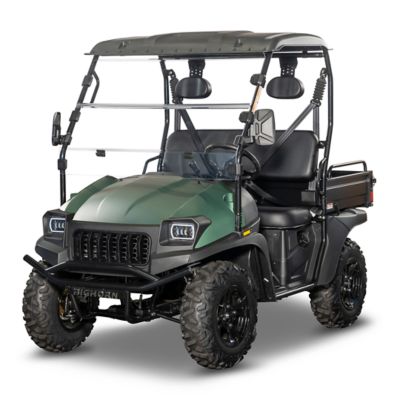
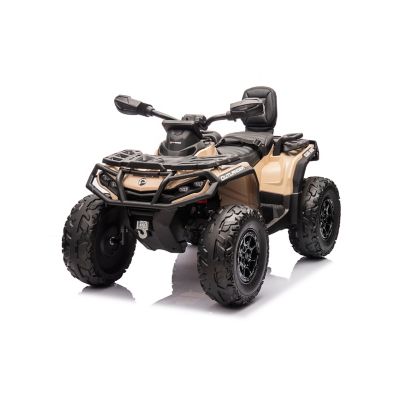
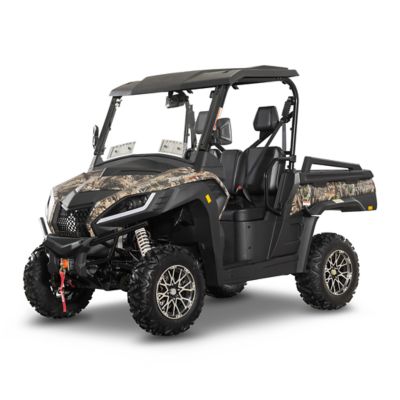
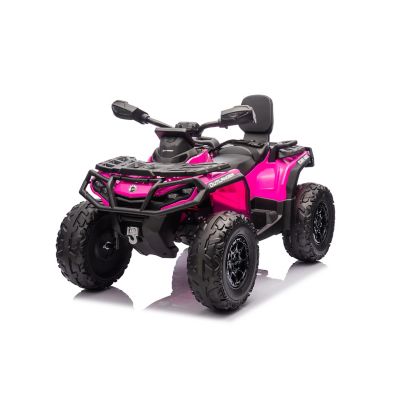
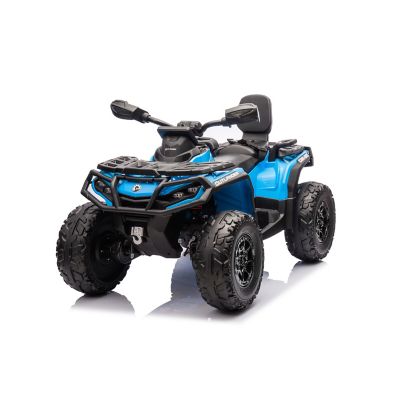
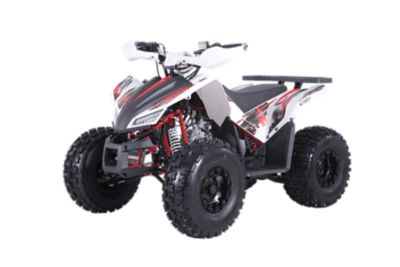
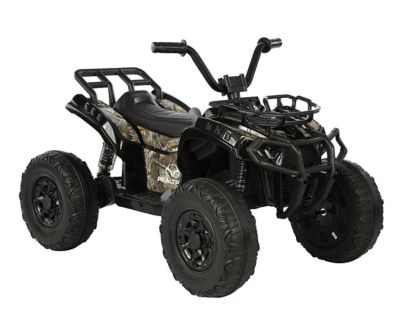
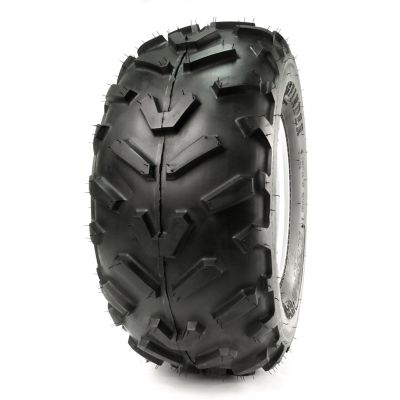
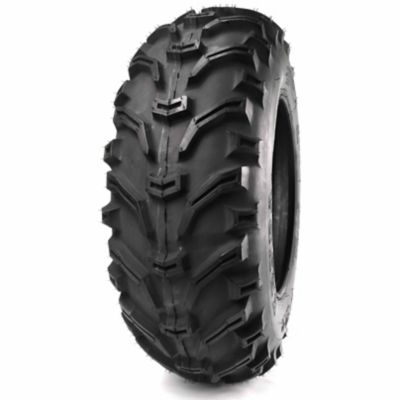
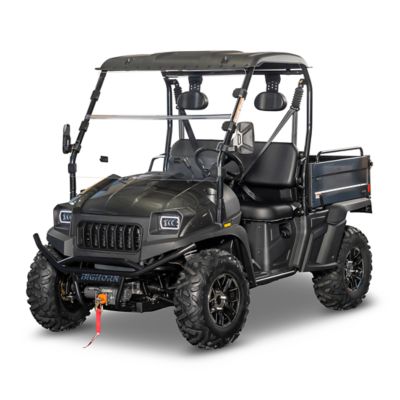
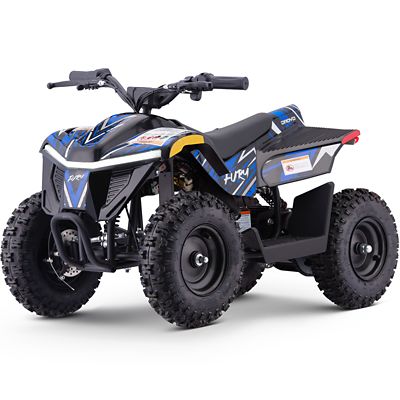
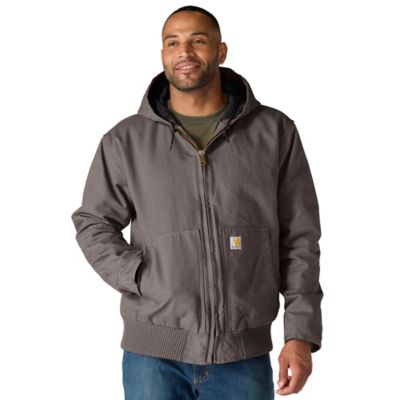
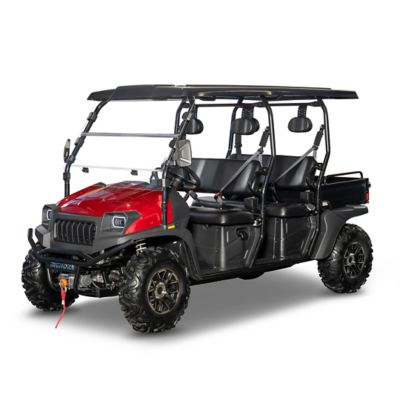
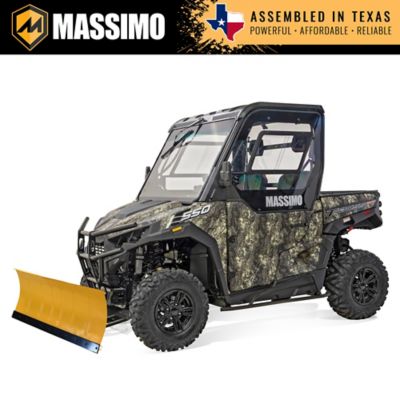
Trail riding ATVs bring a little more freedom to time spent outdoors, whether the route runs through hardwoods, across open pasture, along a rocky hillside, or over a maintained trail system. A single-rider ATV can be a good fit for someone who enjoys a hands-on ride and wants to steer around tight turns, shallow ruts, and changes in the ground. A UTV, with its side-by-side seating and extra room, may suit families, hunting partners, or riders who want to carry a cooler, tools, firewood, or trail supplies along the way. The right choice starts with the places you expect to ride. Narrow wooded paths call for a vehicle with a manageable width and steady handling, while wide-open ground may leave more room for a larger frame and added cargo space. Pay attention to engine size, ground clearance, suspension travel, tire tread, turning radius, seating, and storage. Riders new to off-road travel may feel more comfortable with a smooth, easy-to-control vehicle rather than more power than they can confidently handle. More experienced riders may look for features that help on steep climbs, loose gravel, mud, or uneven rock. Think about transport, too. Measure the trailer or truck bed, check the vehicle’s weight, and make sure loading ramps and tie-down points match the task. During the cooler months, layered riding clothes, gloves, and weather-ready outerwear can make a long day on the trail much more pleasant. Riders who enjoy an outdoor pattern can also browse
Camo ATVs when choosing a look that fits time spent in the woods and open country.
Trail riding calls for more than a capable vehicle. A properly fitted helmet, eye protection, gloves, long sleeves, long pants, and over-the-ankle boots help protect against branches, flying gravel, dust, cold air, and brush along the path. Bring a small first aid kit, drinking water, snacks, a flashlight, a phone or communication device, and a basic tool kit suited to the vehicle. Tire plugs, an air source, spare fuses, tow straps, and extra tie-downs can be handy when a trail takes you farther from the road than planned. Before leaving home, check the route, weather, fuel range, and local access rules. Many trail systems require permits, registration, spark arrestors, or specific safety equipment, and some have separate routes for ATVs and UTVs. Ranger stations, land management offices, trail associations, and local off-road groups can provide information about open routes, closures, parking areas, fuel stops, and seasonal conditions. Let someone know where you are headed and when you plan to return, especially when riding in a remote area. Once on the trail, keep your speed within your comfort level, leave room to react, and watch for hikers, horses, bicycles, wildlife, fallen limbs, washouts, and oncoming riders. Smooth throttle control and a thoughtful line through obstacles usually make for a steadier ride than sudden acceleration or spinning the tires. If a slope, crossing, or muddy section looks beyond your experience, turning around is a smart part of the adventure. Staying on marked routes protects the land, reduces erosion, and helps keep trail access open for everyone.
Trail riding ATVs can be a thoughtful gift for an outdoor-minded spouse, parent, adult child, or hunting partner, though the best choice depends on the rider’s experience, storage space, transport setup, and local riding opportunities. For a new rider, safety gear, a storage box, a ramp, tie-down straps, or trail-ready tools may be a practical place to start. Someone who already owns a vehicle may appreciate items that make a full day outside easier, such as hand protection, weather layers, hydration storage, lighting, recovery equipment, or a compact cargo solution. Families may want to plan a riding day around a nearby trail system, checking age requirements and passenger rules before loading up. Maintenance also belongs in the ownership plan. Inspect tire pressure, wheel nuts, brakes, lights, steering, suspension, belts, fluids, and battery connections before each outing, then wash away mud and grit afterward so small problems are easier to spot. Pay close attention to the underside after crossing rocks or deep ruts, and store the vehicle under cover when possible. As the weather shifts from warm afternoons to frosty mornings, check that fluids and batteries are ready for colder conditions and keep riding layers close at hand. With the right vehicle, protective equipment, trail information, and a little preparation, riders can settle into the rhythm of the path—engine humming, leaves moving overhead, and miles of backcountry opening up one turn at a time.