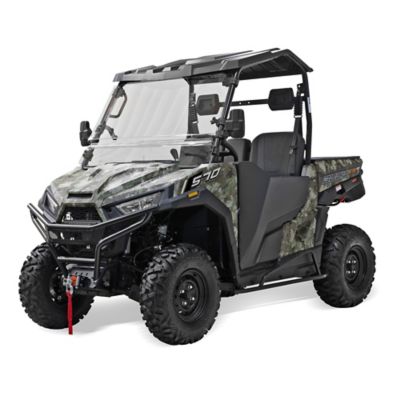
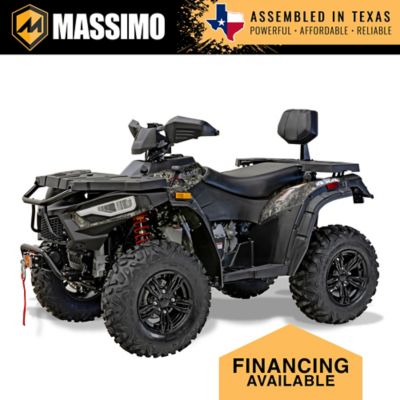
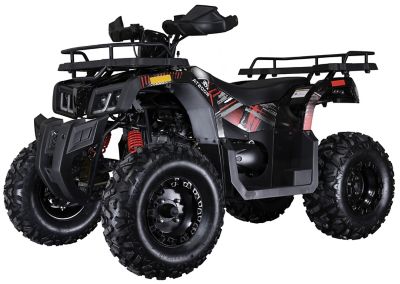
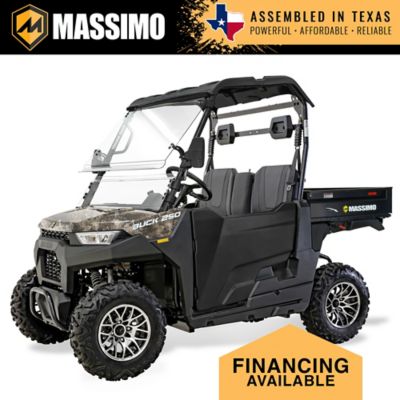
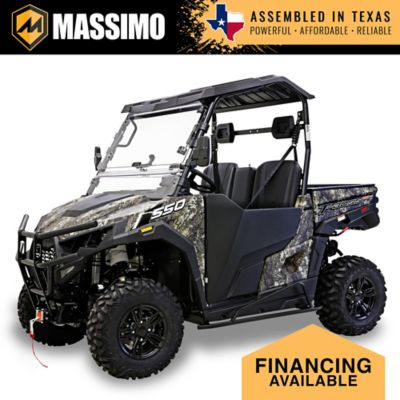
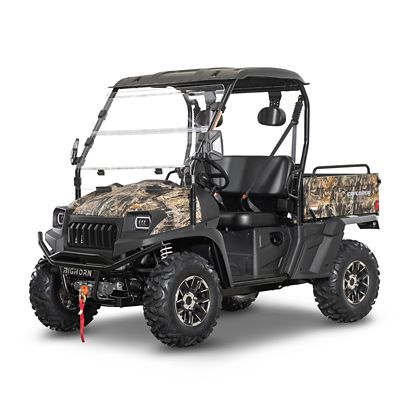
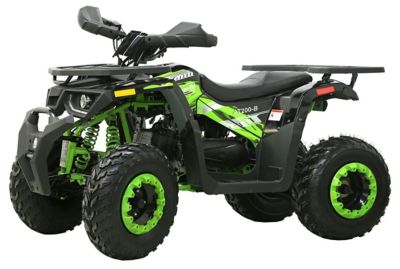
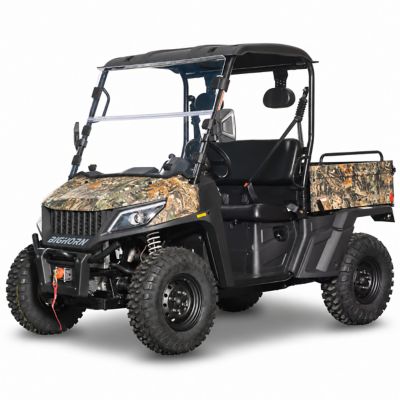
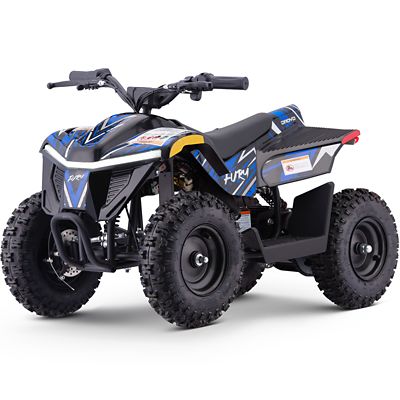
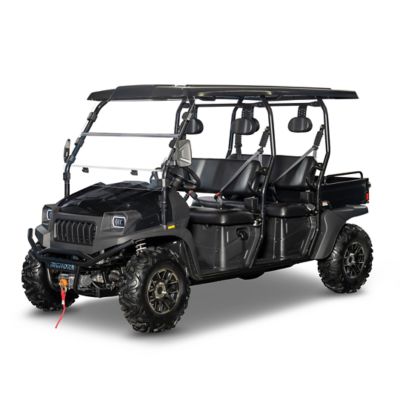
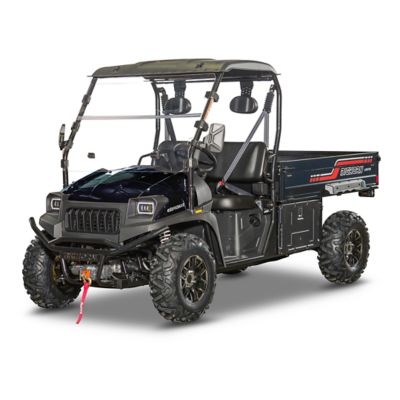
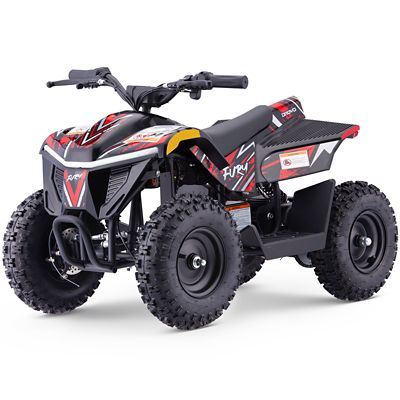
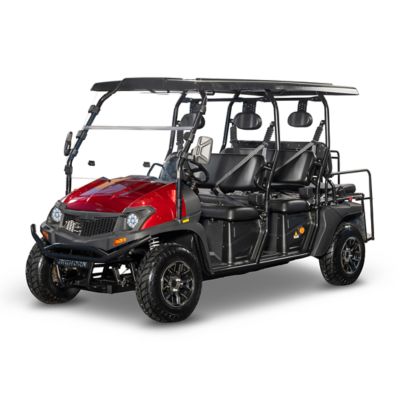
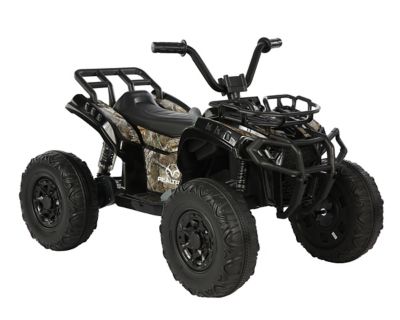
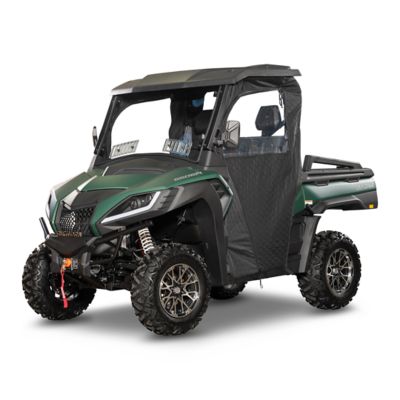
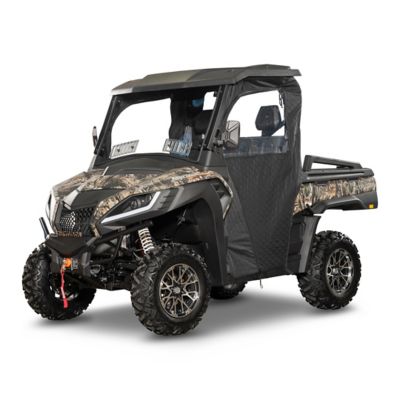
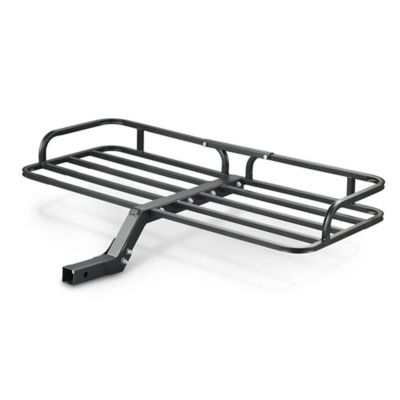
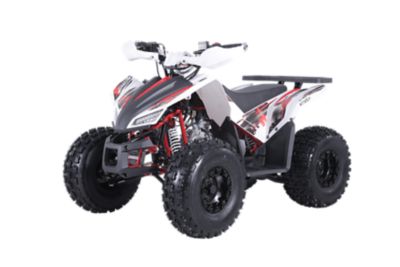
Hunting ATVs are utility-focused all-terrain vehicles that help riders carry hunting gear, travel permitted routes and retrieve harvested game where vehicle access is allowed. Their value comes from controlled power, useful cargo capacity and handling that suits the ground—not simply how fast they can go. On a hunting property, that might mean following a two-track road to a parking spot below a ridge, hauling supplies to a camp or carrying equipment for habitat work. A hunting ATV can also earn its keep between trips by helping with fence checks and other chores around a farm or acreage. Unlike a side-by-side, a typical ATV has a straddle seat and handlebars, with a riding position that requires active body movement and balance. That distinction matters when considering who will ride it and what routes it will travel. Vehicle width, ground clearance, turning radius and overall weight all affect how well a machine fits established trails, gates and storage spaces. A compact footprint can be helpful along a winding lane, but clearance on paper does not guarantee safe passage over every stump or washout. Construction matters, too. Steel frames and cargo racks provide structural support, while molded body panels help shield components from brush and splashed mud. Skid protection can help guard vulnerable areas underneath, though no protective surface makes an ATV immune to damage. Rack surfaces, exposed fasteners and mounting points deserve attention because they see repeated loading, vibration and contact with straps. Rider fit is just as important as frame size. A comfortable reach to the handlebars, room to shift body position and footrests that support a steady stance contribute to confident handling. Controls should be easy for the intended rider to reach and operate without stretching. Adult-size machines belong with riders who meet the manufacturer’s age requirements, and passenger seating is appropriate only on vehicles specifically designed for it. For hunters, landowners and camp caretakers, the best fit is a machine matched to both the person riding and the work ahead.
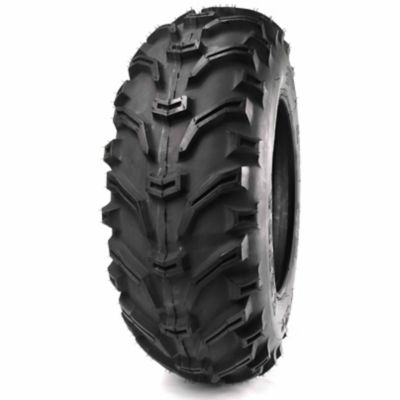
The features that matter most on hunting ATVs tend to show their worth at a slow, steady pace. Pulling away smoothly on a rutted access road, easing through a tight turn and keeping a loaded machine settled over uneven ground call for more than a large engine. Engine response, gearing, suspension, brakes and tire choice all work together. A low-range transmission setting, where equipped, can support controlled travel under demanding conditions, while selectable drive modes let the rider match traction to the route. Four-wheel drive can help the tires find grip, but it does not eliminate the risks of steep slopes, unstable ground or excess speed. Tire construction and tread pattern influence traction, steering feel and the amount of disturbance left on a trail. Aggressive tread is not automatically the right match for every property, especially where soft soil or sensitive habitat calls for a lighter touch. Suspension should suit the expected load without making the machine feel unsettled, and adequate ground clearance needs to be considered alongside stability. Cargo and towing ratings also deserve a close look. The total vehicle load limit needs to cover the rider, carried equipment, installed accessories and any trailer tongue load specified by the manufacturer. Front and rear racks have their own limits, and towing capacity is not interchangeable with rack capacity. A full load can change steering, braking and balance, even when it fits neatly on the machine. Secure attachment points and a practical cargo layout help keep equipment from shifting into controls or hanging near moving parts. For game retrieval, the route and load arrangement matter as much as pulling power; dragging or carrying a load beyond the vehicle’s limits can quickly turn a straightforward trip into a difficult one. Trail width, bridge limits and the return route all belong in that picture. Hunting ATVs make the most sense where their capabilities fit established access, landowner permission and local vehicle rules.
A practical hunting setup also considers how the vehicle carries equipment without getting in the rider’s way. Properly fitted
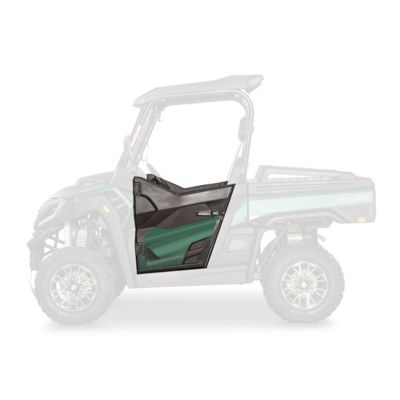
ATV Hunting Accessories can help organize cargo, protect carried gear and support tasks around hunting property, provided each attachment matches the vehicle’s mounting system and load limits. Compatibility often depends on the ATV’s model, rack design and attachment points, so an accessory that looks close in size may still be the wrong fit. Secure mounts should leave clear access to controls, lights, footrests and the rider’s normal range of movement. Storage that closes firmly and sheds splashes can be helpful along dusty lanes or muddy tracks, but water resistance should never be mistaken for a guarantee against submersion. Hunting equipment also needs transport arrangements that follow applicable laws and the equipment manufacturer’s directions. Firearms should be unloaded and secured for vehicle travel, and an ATV should never serve as a platform for pursuing wildlife. Noise and movement can disturb game, making a lawful parking spot away from the final approach a useful part of property access. Long-term ownership brings attention back to ordinary care: clean surfaces, sound mounting hardware and service performed at the recommended intervals. Mud packed around the underside can hide wear, while tangled vegetation near moving or hot components creates problems that a quick walkaround may reveal. Cleaning methods should follow the owner’s manual, particularly around bearings, electrical connections and seals. Tire condition and pressure, brake operation, fluid levels and drive components all affect how the machine feels with a load aboard. Covered storage can limit exposure to sun and moisture, and a properly fitted cover should stay clear of hot components until they have cooled. Along with suitable safety training, a helmet and eye protection, these everyday considerations help make a hunting ATV a useful working vehicle rather than just another piece of equipment taking up shed space.