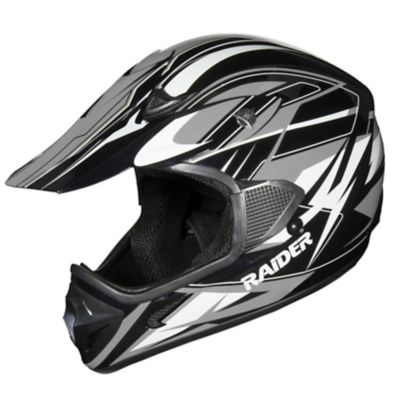
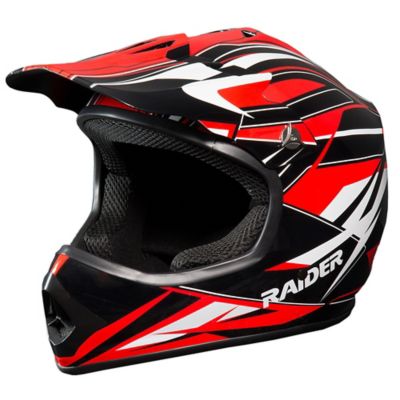
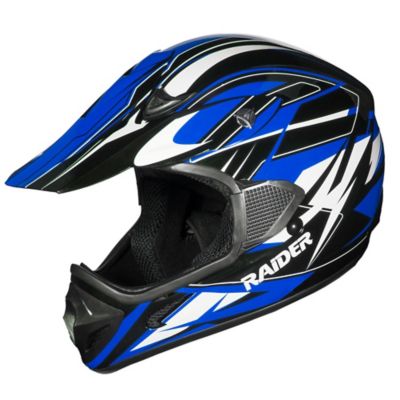
ATV riding gear brings together head and eye protection, gloves, riding clothing, and over-the-ankle boots for time on four wheels. Whether the ride involves checking a fence line, traveling between outbuildings, or following a designated off-road trail, the right gear belongs on every trip, not just the long ones. A helmet is the starting point, with goggles or compatible eye protection helping shield eyes from dust, grit, and flying debris. Long sleeves and full-length pants provide coverage against brush and abrasions, while riding gloves support a steady grip on the handlebars. Boots add coverage around the feet and ankles, where low branches, rocks, and contact with the machine can cause trouble. Each piece has its own job, and the way those pieces fit together matters just as much as any single feature. An off-road helmet with chin coverage should meet an applicable motorcycle helmet safety standard; in the United States, a DOT label indicates the manufacturer's certification that the helmet meets federal requirements. Helmet fit should be snug and even, without painful pressure points or room for the shell to roll around on the head. The chin strap needs to fasten securely, and the helmet's eye opening should work with the goggles without pushing them out of place. Goggle straps, face foam, and lens shape all affect how well the eye protection sits against the face. Impact-resistant lenses intended for powersports offer protection that everyday eyewear may not provide, and clear vision matters when a trail has ruts, loose gravel, or branches hanging near eye level. Prescription glasses call for goggles specifically designed to fit over them, with enough space to avoid pinching at the temples. No equipment can eliminate the risks of ATV riding, but purpose-built protection, a proper fit, and responsible operation belong together whether the destination is the back pasture or a marked trailhead.
Materials and construction make a noticeable difference once a rider settles onto the seat and reaches for the controls. ATV riding gloves often combine flexible fabric across the back of the hand with leather or synthetic palm panels, reinforced wear areas, and adjustable wrist closures. A good fit leaves enough finger movement for the throttle and brake levers without loose material bunching inside the palm. Seams should sit comfortably when the hand closes around a grip; a seam that feels harmless with an open hand can become a nuisance over a long stretch of uneven ground. Riding pants and long-sleeve tops need similar freedom of movement through the shoulders, hips, and knees. Woven nylon, polyester, leather panels, and stretch inserts serve different purposes, from resisting abrasion to allowing a seated rider to bend comfortably. Reinforcement at the knees and seat can help clothing stand up to repeated contact, while well-finished seams and secure closures help keep it in place. Long-lasting construction is especially useful for riders who climb on and off throughout the day to open gates or check livestock. Loose cuffs, dangling cords, and excess fabric have no place near moving parts, so a neat fit is more useful than an oversized one. Protective pads and body armor add another layer of coverage, with designs intended for areas such as the chest, back, elbows, and knees. A roost guard primarily shields against thrown debris, while impact armor may carry ratings for a different level or type of protection; the manufacturer's stated purpose matters more than appearance. Boots also deserve attention beyond how they look beside the machine. Supportive uppers, ankle coverage, reinforced toe and heel areas, and soles suited to the footrests all contribute to their function. Closures should stay secure without interfering with leg movement, and the boot should allow controlled operation of the machine's pedals. Gear that works well together lets a rider sit, stand, turn, and reach without a helmet, sleeve, pad, or boot fighting the movement.
ATV protective gear serves a broad range of riders, from landowners making regular rounds to recreation riders spending a day on designated trails. The demands vary, but fit should always be personal rather than based only on a familiar clothing size. Manufacturer sizing charts, head measurements, hand circumference, inseam, and the thickness of socks or clothing worn underneath can all affect the final fit. For younger riders,
Kids ATV Helmets belong in the conversation alongside age-appropriate machines, adult supervision, and hands-on rider training. A child's helmet should fit properly at the time of wear, not leave extra space to grow into, and children under 16 should not operate adult-size ATVs. Protective equipment does not make an oversized or overly powerful machine suitable for a young rider. Riding gear can also make a thoughtful gift for someone who spends time on an ATV, though helmets, boots, and fitted protection call for the recipient's measurements and a careful fit check. After the ride, routine care helps preserve the materials and makes damage easier to spot. Dust and grit can work into closures, scratch lenses, and wear against fabric, so cleaning should follow the directions for each piece rather than a single method for everything. Helmet shells, liners, and goggle lenses may need mild cleaners and soft cloths; harsh solvents can harm certain materials. Removable padding and washable clothing should be fully dry before storage, and boots benefit from having dirt cleared from seams, soles, and fasteners. Before another ride, loose stitching, cracked shells, frayed straps, damaged buckles, and deeply scratched lenses all deserve attention. A helmet that has taken an impact may need replacement even when the outside looks intact, so the maker's replacement guidance is important. Keeping gear in a clean place away from direct sunlight and chemicals helps protect it between outings. From pulling on gloves beside the barn to fastening a chin strap at the trailhead, well-fitting ATV riding gear makes protection part of the everyday routine.