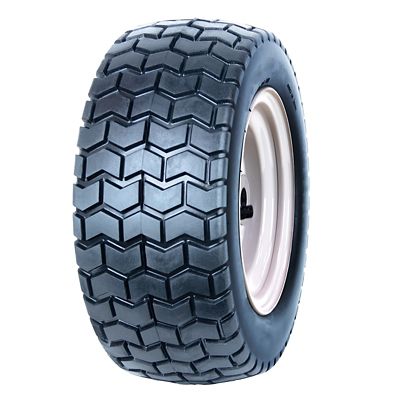
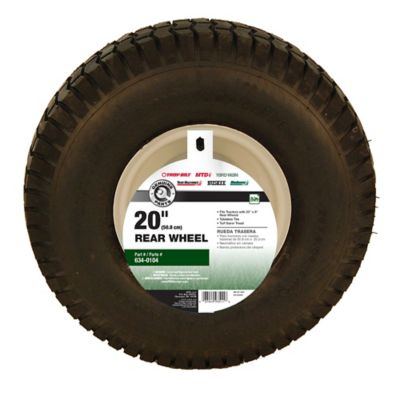
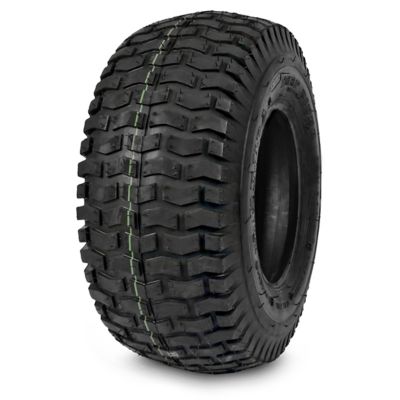
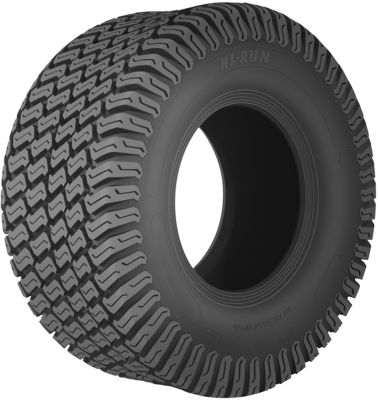
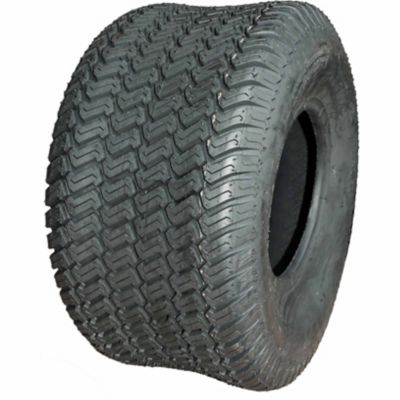
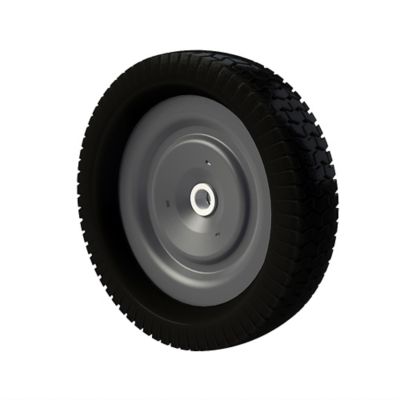
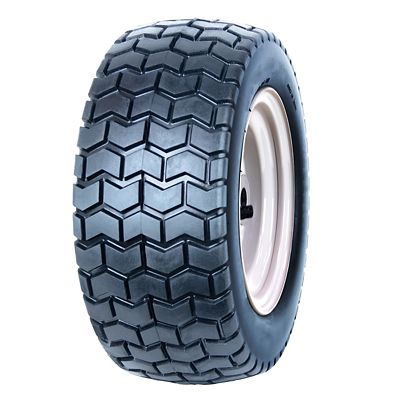
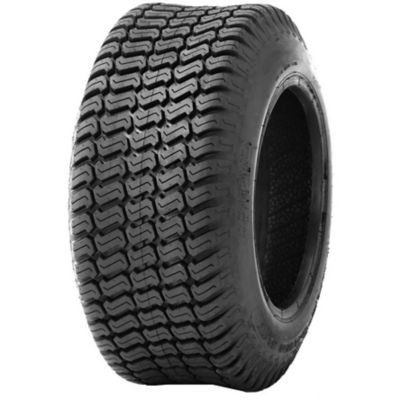
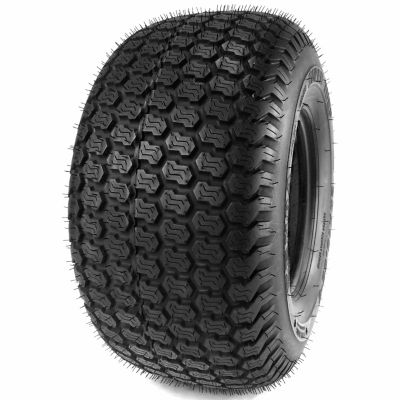
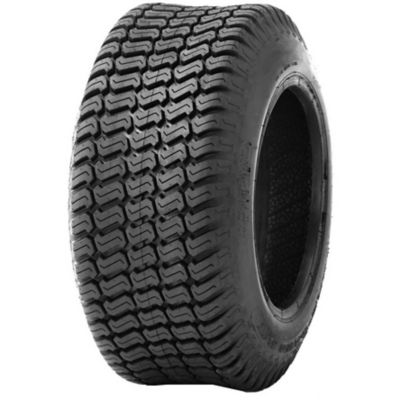
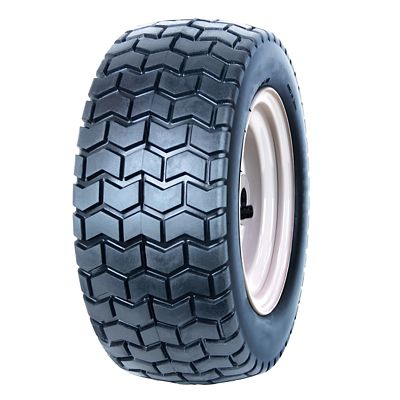
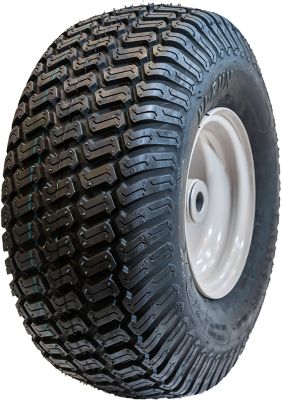
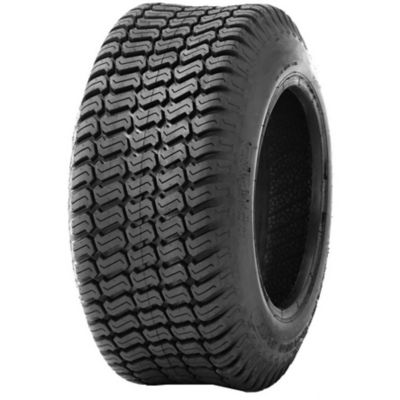
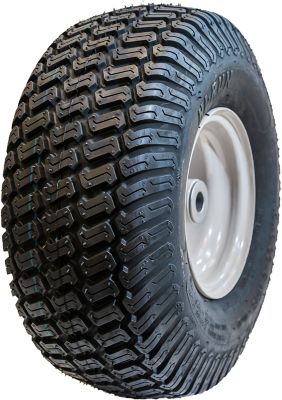
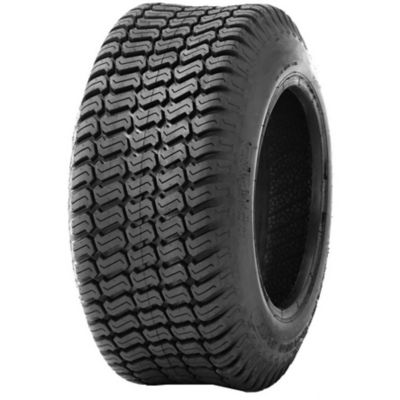
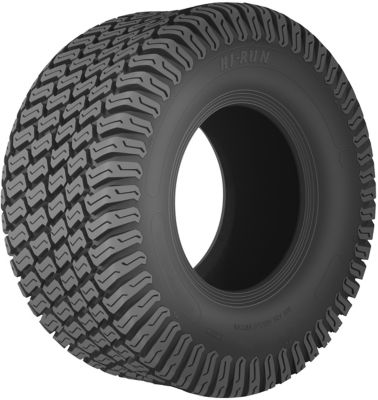
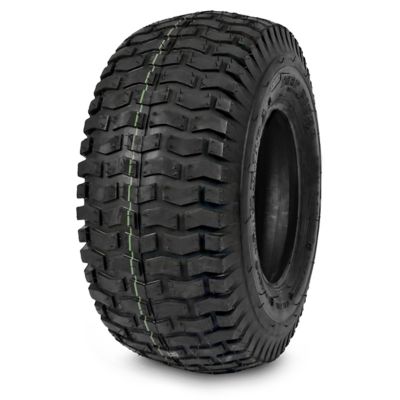
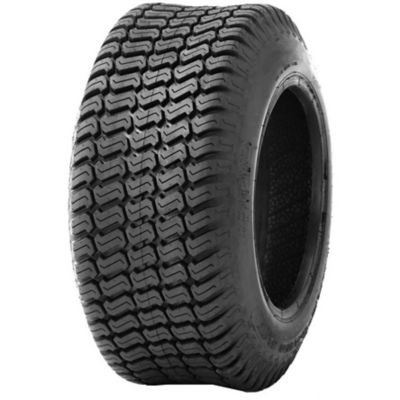
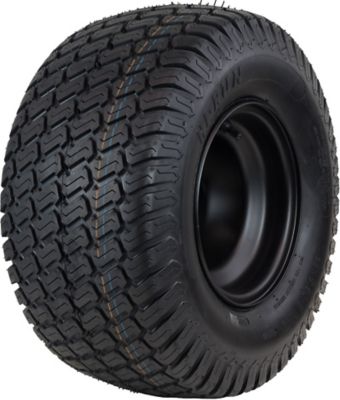
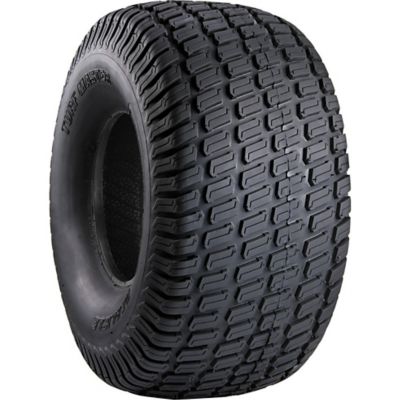
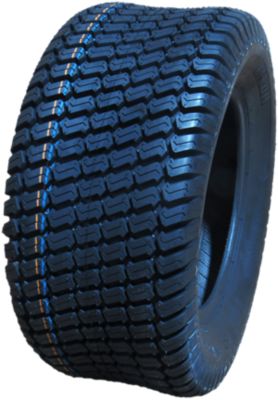
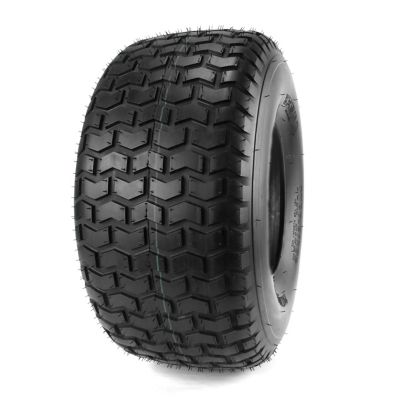
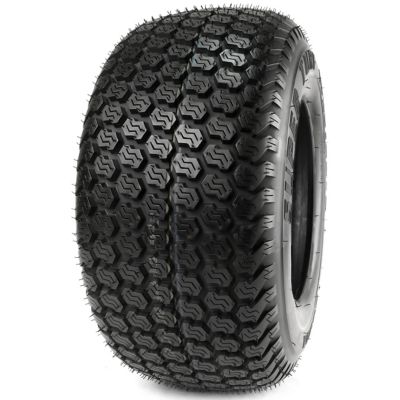
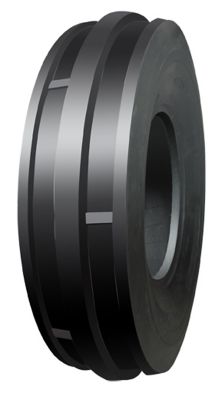
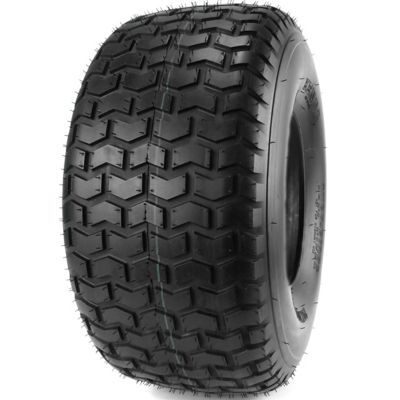
Tractor turf tires are made for equipment that needs to travel across grass without leaving the deep tracks associated with aggressive agricultural tread. Often classified as R-3 tires, they typically have relatively shallow tread blocks, a broad footprint and rounded shoulders that help limit scuffing during turns. That grass-friendly design makes them a practical match for compatible lawn tractors, garden tractors and compact utility tractors working around yards, farmhouses, orchards and maintained grounds. A tractor carrying mowing equipment across the lawn has a different job than one pulling a tillage implement through loose soil, and the tire tread should reflect that difference. Turf tread provides traction for mowing and other equipment-approved chores while putting less emphasis on digging into the ground. Closely spaced blocks create multiple contact points, and the spaces between them provide edges that help grip the surface. The broader footprint helps distribute the load, although tire pressure, machine weight and ground firmness all affect how much marking occurs. Rounded shoulders can also make a difference where the tractor swings around a shade tree or follows the edge of a garden bed. No tire can guarantee an untouched lawn, especially under a heavily loaded machine or during a tight turn, but the right tread can help reduce unnecessary damage. Compared with deep agricultural lugs, turf patterns generally give up some pulling grip in loose ground in exchange for gentler contact with maintained grass. They are not a substitute for staying within the tractor’s slope limits or towing capacity. For acreage owners, grounds crews and folks who move between mowing, light hauling and tending the place, tractor turf tires fill a useful middle ground: enough tread for the intended task without the pronounced bite of a field tire. The best match depends on where the tractor travels most, how much weight it carries and how much grass protection the job calls for.
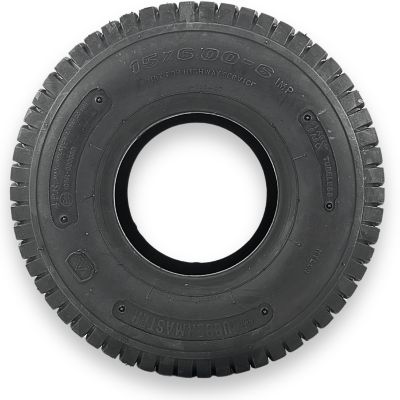
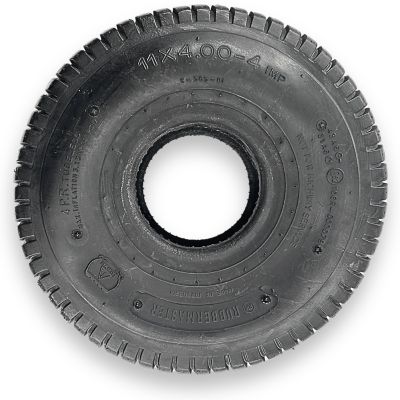
Fit involves more than finding a tire that looks about the same size as the one already on the tractor. Tire markings identify dimensions such as overall diameter, section width and rim diameter, with the order depending on the sizing system. Those measurements need to agree with the equipment requirements and the wheel itself. Rim width matters alongside rim diameter because the wrong wheel can change the tire’s shape and keep it from seating or performing as intended. Clearance around mower decks, steering components, fenders and attachments matters, too, particularly when the front wheels turn fully or the tractor carries a load. On four-wheel-drive tractors, the relationship between front and rear rolling circumference is especially important; a size change that seems minor can put the tire combination outside the manufacturer’s permitted range. Matching the prescribed sizes and approved combinations helps protect the driveline as well as the lawn. Load ratings and speed ratings are another part of the fit. A tractor with a mounted implement, approved ballast or a loaded attachment can place substantially different demands on its tires than an empty machine, and those demands may differ between axles. Ply ratings describe a tire’s strength category rather than necessarily stating the actual number of fabric layers inside. Reinforced rubber casings, tread compounds and internal construction all contribute to how a tire carries weight, flexes and resists wear. Bias-ply and radial designs have different construction characteristics, so the equipment specifications remain the starting point rather than appearance alone. Tube-type and tubeless markings also deserve attention, since the tire, rim and valve arrangement must work together. A tube is not a fix for a damaged wheel or an unsuitable tire-and-rim combination. Tractor turf tires and
Zero Turn Mower Tires can share a grass-friendly tread design, but machine requirements and wheel position still determine the fit. A familiar-looking tread does not make tires interchangeable across different equipment.
Long service life starts with a tire suited to the tractor’s workload and continues with everyday care. Inflation pressure affects the contact patch, steering feel, load support and tread wear, so the right setting comes from the equipment and tire specifications for the actual load—not from treating the sidewall’s maximum pressure as the everyday target. Too little pressure can allow excessive sidewall flex and increase the chance of bead trouble or rim damage, while too much can reduce the tire’s ability to conform to the ground. Pressure checks are most useful before operation, when running has not raised the reading. Wear patterns can tell part of the story, too: uneven tread, repeated pressure loss or scuffing on one side may point to inflation, alignment, loading or fit concerns that deserve attention. Around a working property, stubble, sharp gravel, fence wire and hidden debris can all be hard on rubber. Cuts, exposed reinforcement, bulges and deep cracking call for evaluation rather than another pass around the yard. Keeping tread free of lodged stones and removing caked-on dirt makes inspection easier, while sound valve stems and valve caps help keep dirt away from the valve opening. Storage away from direct sunlight, petroleum spills and ozone-producing equipment can help slow deterioration when the tractor is parked for extended periods. How the machine moves matters as much as how the tires look: gradual turns and avoiding wheelspin help protect both tread and grass, especially when towing or carrying an attachment. Even a broad turf pattern can scrub a bare patch if a wheel spins in place. Tire mounting and bead seating involve substantial force, making proper equipment and trained service important. With the correct fit, load support and routine attention, tractor turf tires help keep mowing and property chores moving while treating the ground beneath them with a lighter touch.