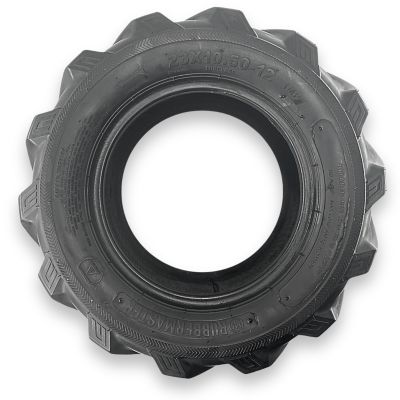
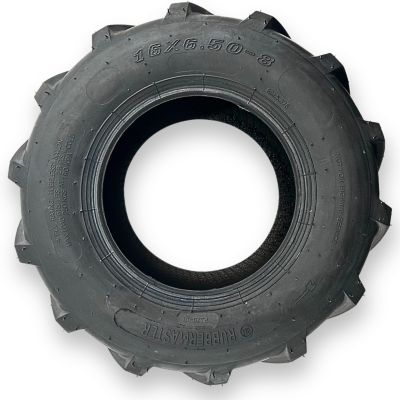
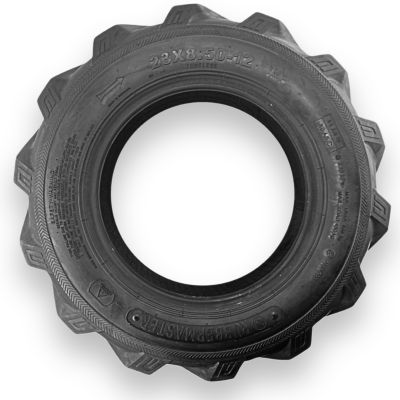
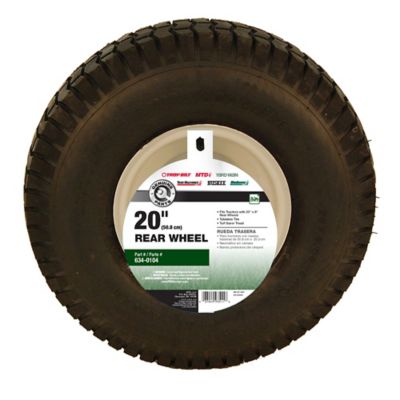
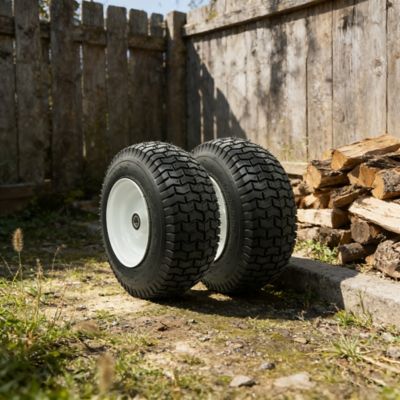
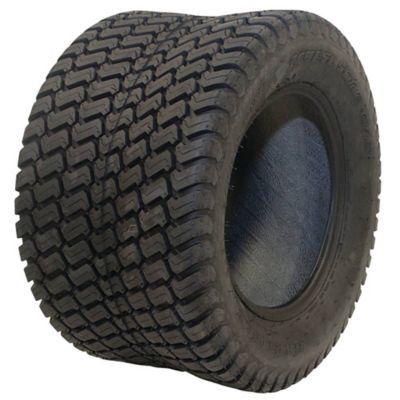
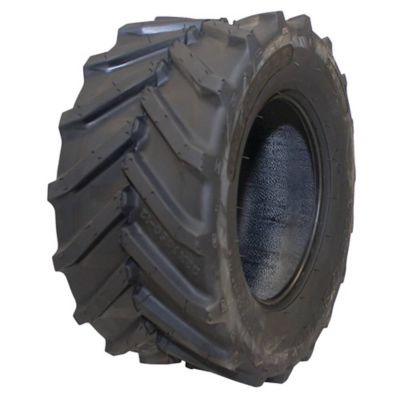
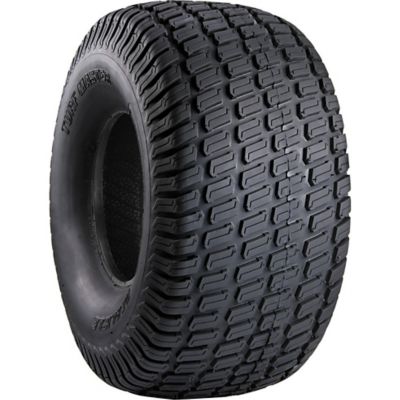
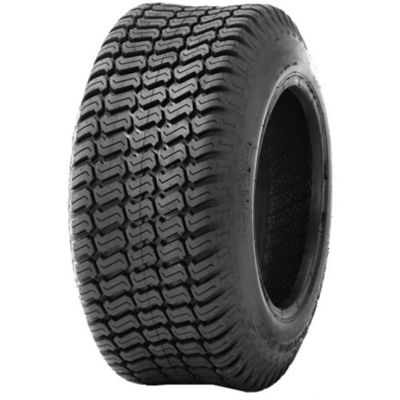
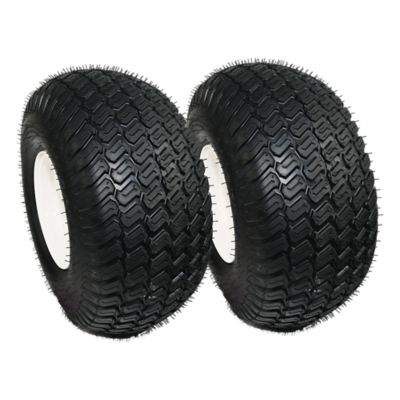
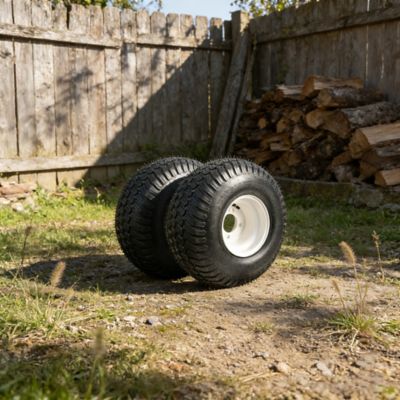
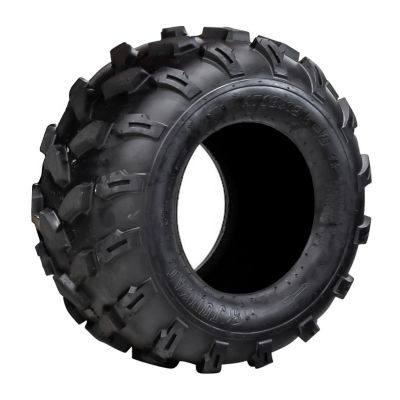
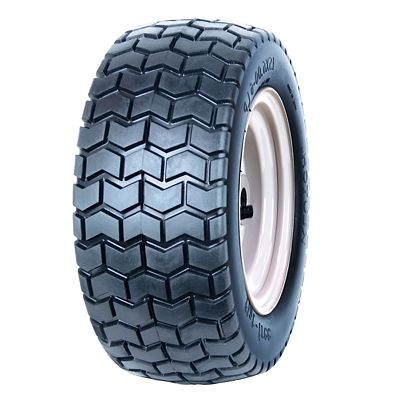
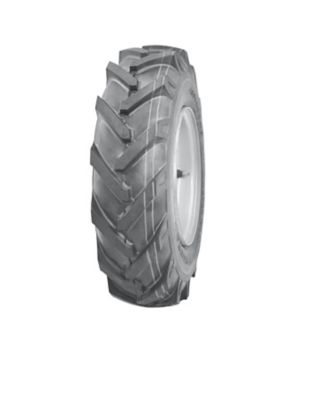
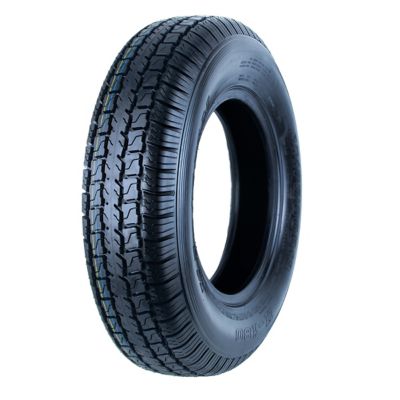
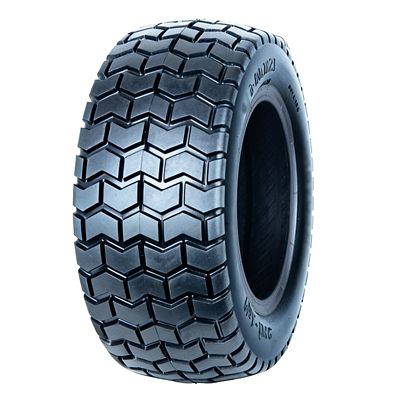
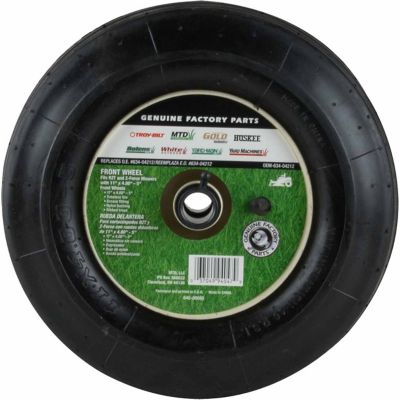
Rear tractor tires turn axle power into the grip that keeps a tractor pulling, carrying and working across a farm or acreage. Their tread, construction and size affect how the machine handles a plow in loose ground, carries an implement down a gravel lane or crosses grass beside a barn. On many agricultural tractors, the larger rear tires also help support substantial loads while spreading weight across the ground. The right match depends on the tractor and its everyday jobs, not simply on which tire has the deepest tread. R-1 agricultural tires, often called ag lug tires, have angled bars with open spaces between them. That pattern helps bite into soil and shed material as the tire rotates, making it a common fit for tillage, planting and other fieldwork. R-3 turf tires have a shallower, less aggressive pattern that spreads contact over grass and helps limit disturbance when mowing lawns, tending grounds or working around established plantings. They can still leave marks during tight turns or on soft ground, so tread selection works together with careful operation. R-4 industrial tires generally feature broader, more closely spaced lugs suited to mixed surfaces, including gravel, packed ground and work areas around buildings. They are often paired with compact tractors handling loader chores and property maintenance, although their field traction differs from an agricultural tread. A tractor pulling a disc through worked soil has different needs than one moving feed along a firm lane or mowing around fence lines. For farmers, acreage owners and grounds crews, rear tractor tires are working components that help balance traction, ground protection and wear resistance. Other
Treaded Tires provide context for comparing tread patterns across equipment, but tractor fit and operating requirements remain the deciding factors. Even within the same tread class, lug depth, spacing and overall dimensions can differ, so the tread designation is a starting point rather than a complete description.
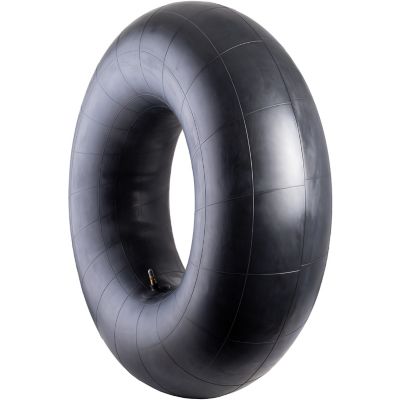
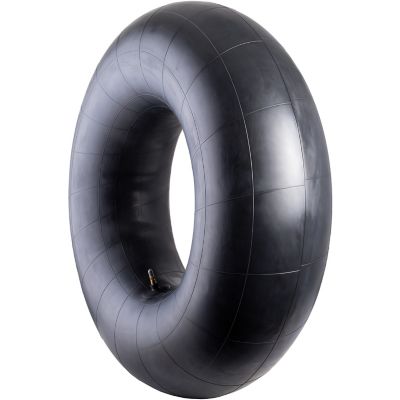
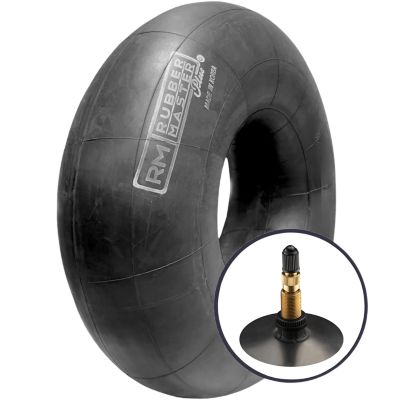
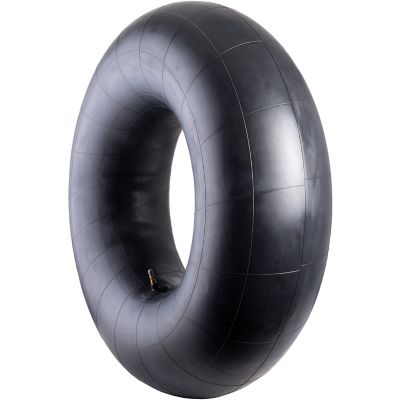
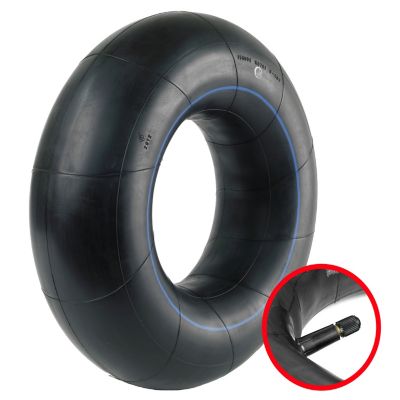
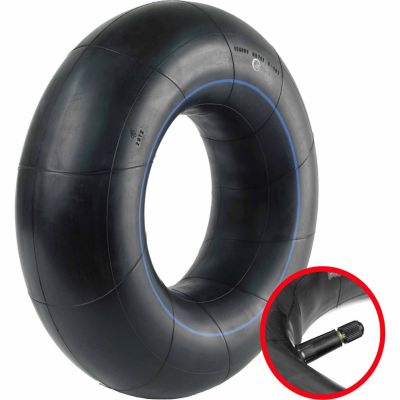
Fit starts with the tractor’s approved tire specifications, the wheel dimensions and the markings on the existing tire. A sidewall size identifies important dimensions, but matching the rim diameter alone does not establish compatibility. Approved rim width, tire section width, overall diameter and clearance around fenders, lift arms and other components all matter. An older utility tractor may have wheels or tire sizes that differ from its original setup, making the operator’s manual and tire manufacturer’s fitment information especially helpful. On tractors with a driven front axle, front and rear rolling circumferences must maintain the relationship specified by the tractor manufacturer. Changing rear tire size or construction without checking that relationship can affect handling and place strain on the drivetrain. Rear tires on the same axle should also match the manufacturer’s requirements for size, construction and tread, with attention to differences in wear. Construction influences how a tire carries weight and responds to the ground. Tractor tires combine rubber compounds with reinforcing cords and bead assemblies that hold the tire against the rim. Bias-ply construction uses crossing layers of cords, creating linked sidewall and tread movement. Radial construction arranges the body cords differently and typically reinforces the tread area with belts, allowing more independent sidewall flex. That flex can help form a longer footprint at the correct load and inflation setting, while actual performance depends on the tire design and application. Neither construction makes a tire suitable for every tractor or every job. Load capacity, speed rating and the manufacturer’s inflation tables need to match the work, including the weight transferred by mounted equipment. A raised rotary cutter or a loaded rear carryall changes rear axle demands compared with an unladen tractor. Ply rating is a strength classification, not necessarily a count of physical fabric layers. Tube-type and tubeless markings also deserve attention, since the tire, rim, valve and any tube must form a compatible assembly. Clear specifications help narrow the choice more meaningfully than appearance alone, especially when replacing tires on a tractor that handles several different chores.
Long service life comes from matching the tire to the work and keeping the whole wheel assembly in sound condition. Repeated travel over abrasive lanes can wear agricultural lugs differently than steady fieldwork, while sharp stubble, broken stone and scrap around an equipment yard can damage tread or sidewalls. Rubber compounds, casing design and reinforcement influence resistance to wear and cuts, but no tractor tire is immune to punctures or damage from overloading. Inflation deserves regular attention because both too little and too much pressure can affect traction, tire wear and load support. The appropriate setting comes from the tire manufacturer’s load-and-inflation information and the tractor’s requirements; the maximum pressure molded on a sidewall is not automatically the everyday operating pressure. Checking pressure before operation with a suitable gauge provides a consistent basis for adjustment. Where approved, ballast can help a tractor put power to the ground, but it also adds weight that the tires and axles must carry. Liquid-filled rear tires require compatible fill materials, valves and service practices, and they do not automatically replace the rear counterweight specified for loader work. Ballast amount and placement should follow the tractor manufacturer’s recommendations rather than guesswork. Routine checks for embedded debris, cuts, cracking, bulges, valve leaks and rim corrosion can catch trouble before a chore becomes a breakdown at the far end of a field. Uneven wear or repeated pressure loss warrants attention even when plenty of tread remains. Agricultural wheel assemblies are heavy, and mounting or servicing them involves hazards from both their weight and compressed air, making trained tire service an important part of replacement. When a tractor sits between jobs, a clean storage area away from direct sunlight, petroleum spills and ozone-producing equipment helps protect the rubber. Whether the work involves pulling a small plow, maintaining a horse property or hauling supplies between outbuildings, well-matched rear tractor tires support steady operation without asking one tread pattern to do every job equally well.