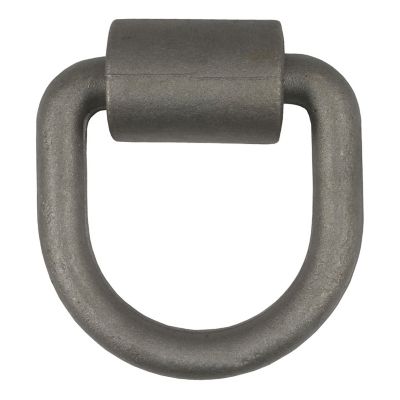
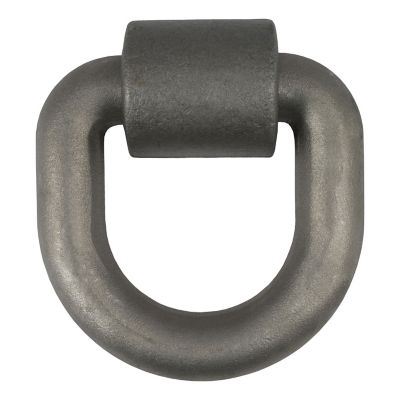
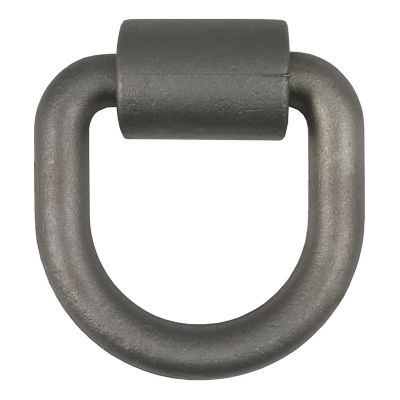
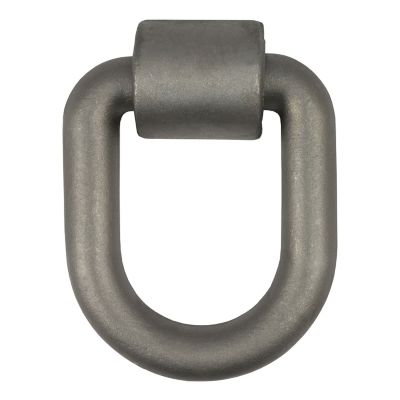
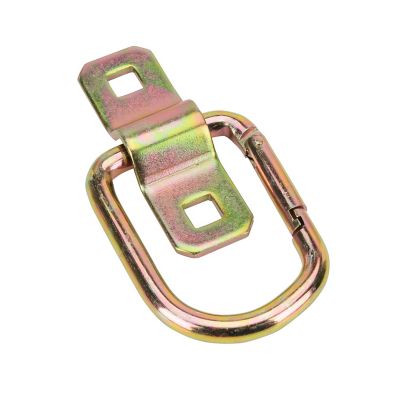
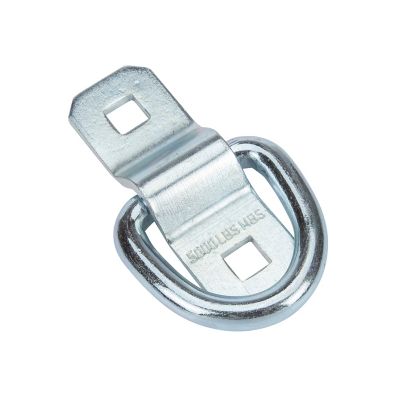
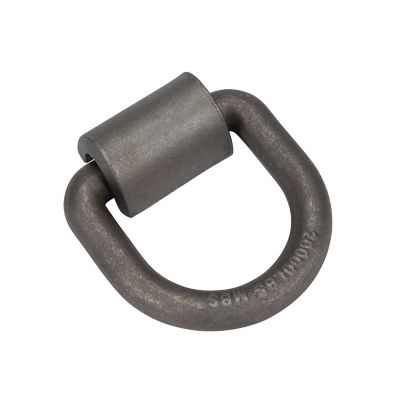
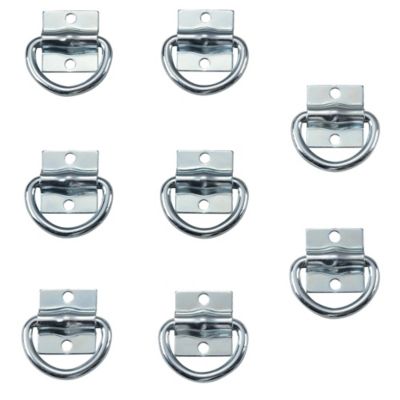
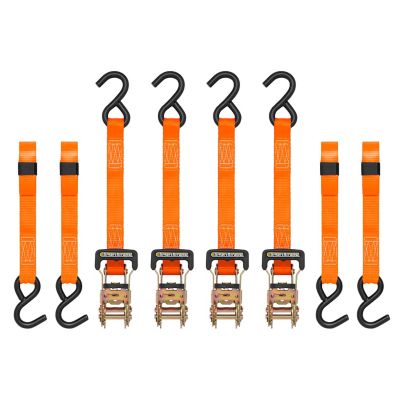
D rings are sturdy, versatile pieces of hardware used to connect straps, secure cargo, organize gear, and add dependable attachment points around the farm, shop, truck, trailer, boat, or home. Their name comes from the simple D-shaped design: one straight side sits against a mounting surface or strap while the rounded side gives webbing, rope, hooks, or other connectors room to move. That shape helps spread force more evenly than a sharp corner and allows a strap to lie naturally as a load shifts. You may see D rings used on tie-down systems, trailer beds, truck racks, gates, tack and equestrian equipment, tool bags, backpacks, work aprons, pet gear, and outdoor equipment. They can also be handy for building or repairing custom straps, adding an attachment point to a canvas cover, or replacing worn hardware on a piece of gear that still has plenty of life left in it. When choosing D rings, start with the job and the load rather than the size alone. Check the working load limit and breaking strength listed by the manufacturer, and choose hardware with a capacity that comfortably exceeds the weight and movement of what you are securing. A light wire-formed ring may be a good fit for a belt, bag, or small accessory, while a forged or welded steel ring is better suited to demanding tie-down work. Stainless steel can help resist rust in damp conditions, around livestock wash areas, or near saltwater, while coated or zinc-plated steel may offer practical protection for many general-purpose uses. Plastic rings are useful for light-duty projects where low weight and flexibility matter, but they should not be substituted for metal hardware when a load could cause injury or property damage. Pay attention to the inside width of the ring as well. The webbing, rope, strap, or hook needs to pass through without binding, and a close fit can help keep a strap from twisting. For cargo control, match the ring to the full tie-down setup, including the webbing width, anchor point, hooks, buckles, and tensioning device. A strong ring cannot make up for a weak strap or a poorly secured mounting surface.
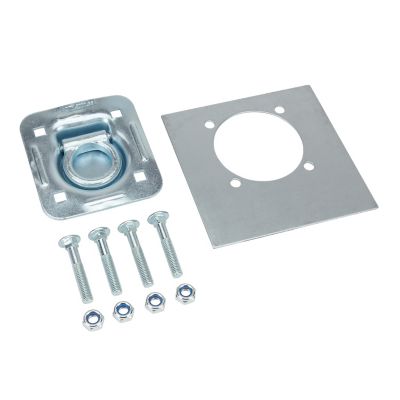
D rings are available in several mounting styles, and the right one depends on whether you are making a new setup or repairing an existing one. Bolt-on rings attach through a base plate or mounting bracket and can be useful for trailers, truck beds, utility equipment, and shop projects when the back side of the mounting surface is accessible. Use the correct bolts, washers, locknuts, and backing support for the material, and tighten everything securely without crushing a thin panel. Weld-on rings create a permanent anchor and are often chosen for heavy-duty trailer or equipment applications, but welding should be done by someone familiar with proper fit-up, material compatibility, and load-bearing welds. Rings sewn into webbing are common on bags, harness-style gear, straps, and pet accessories; these depend on strong stitching, suitable thread, and enough layers of webbing around the ring. For lifting, fall protection, climbing, or any application where a person’s safety depends on the hardware, use only equipment specifically rated and approved for that purpose, follow the applicable instructions, and never assume that a general tie-down ring is safe for overhead lifting or personal support. Before each use, look for bent or stretched metal, cracks, sharp edges, heavy wear, rust, loose fasteners, damaged plating, pulled stitching, and weakened welds. Run a cloth along the ring to help find burrs or rough spots that could cut webbing, and retire hardware that has been involved in a sudden shock load, crash, or severe overload even if the damage is hard to see. Keep rings clean and dry when possible, rinse away dirt or salt, and apply maintenance products only when they are suitable for the metal and the surrounding material. Store spare hardware in a dry bin or drawer so small parts stay together and are ready when a strap breaks during a muddy chore or a load needs securing before cooler weather settles in. For sewing, craft, and light repair projects, measure the strap first and choose a ring that matches its width and the finished look you want. D rings can also be paired with other small hardware, including
O Rings, when a project calls for a rounded connection point or a different way to route a strap. Whether you are replacing worn hardware on a favorite gear bag, adding tie-down points to a work trailer, or putting together useful supplies for someone who spends weekends outdoors, the best choice is one that fits the material, mounting method, environment, and expected load. Careful matching and regular inspection help keep everyday equipment working safely through busy hauling days, changing weather, and the cooler months ahead.