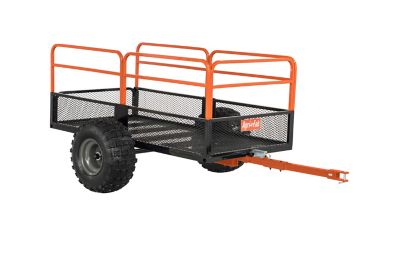
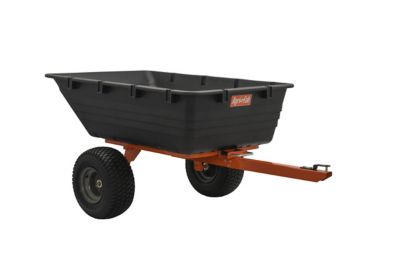
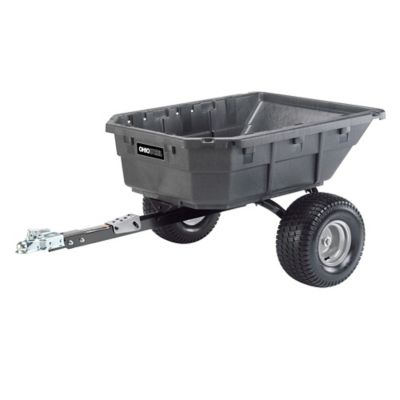
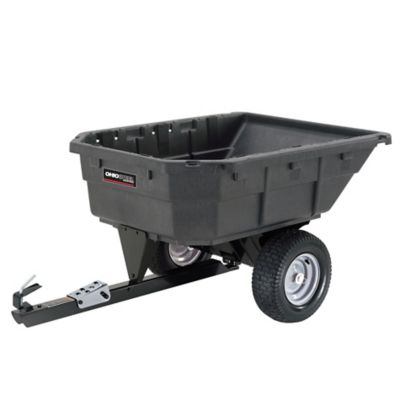
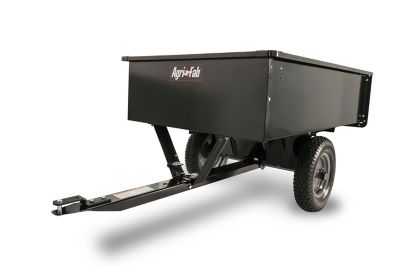
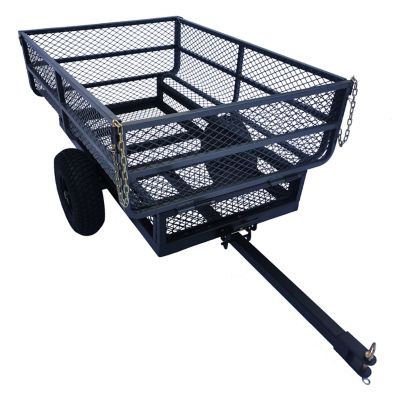
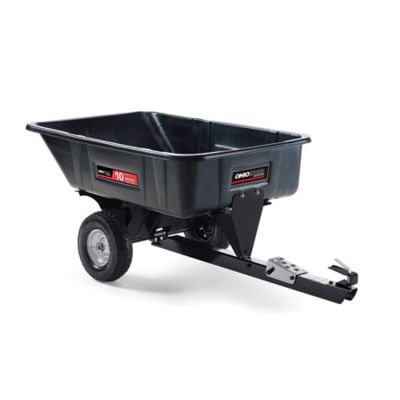
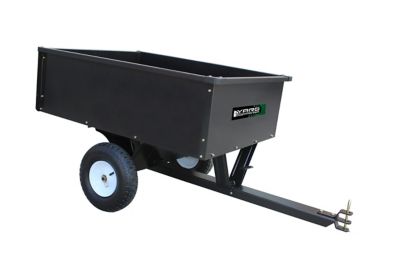
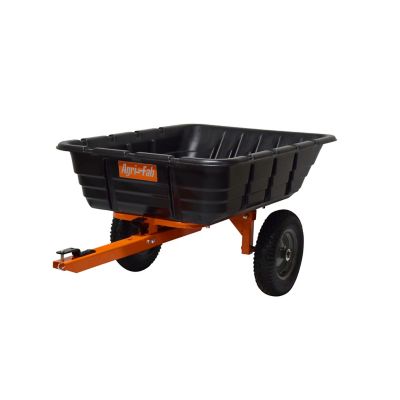
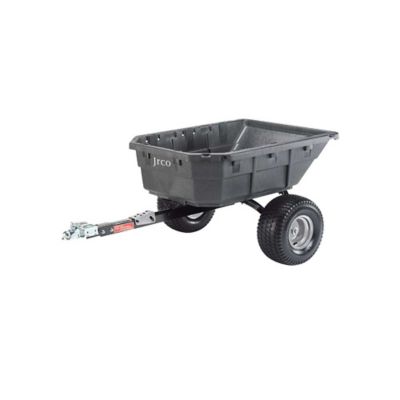
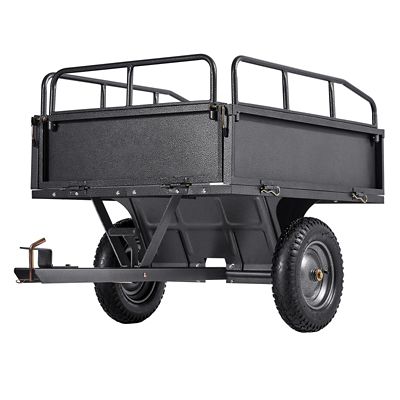
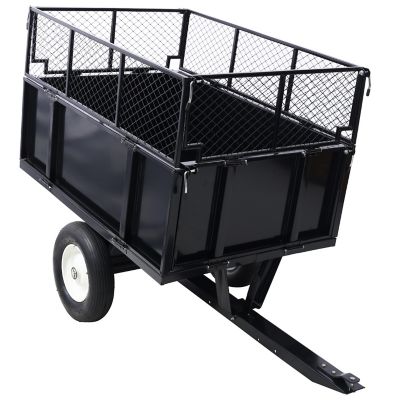
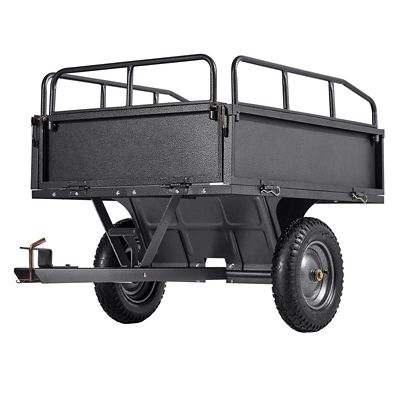
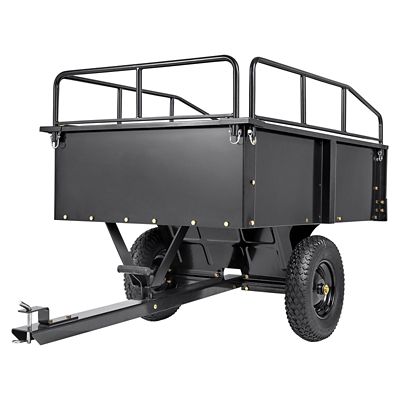
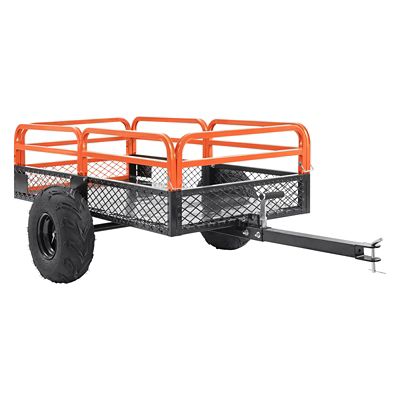
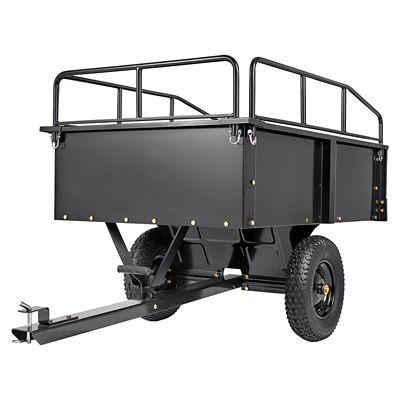
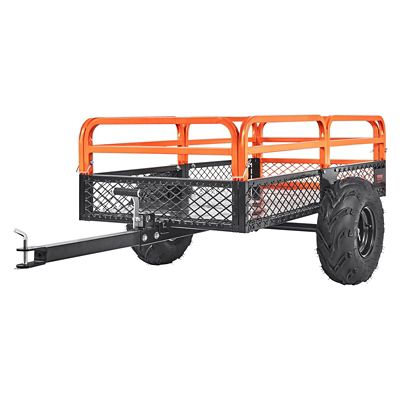
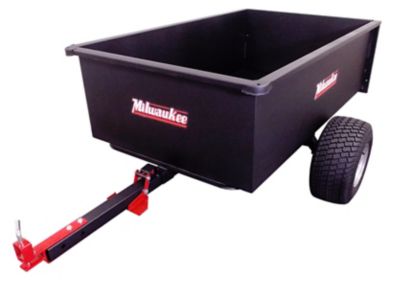
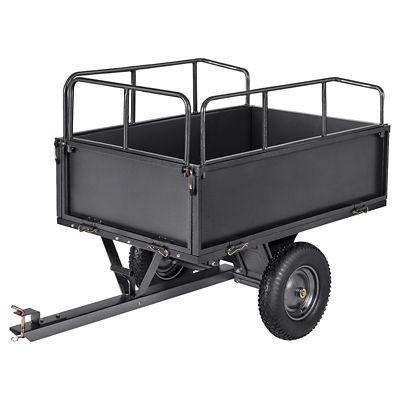
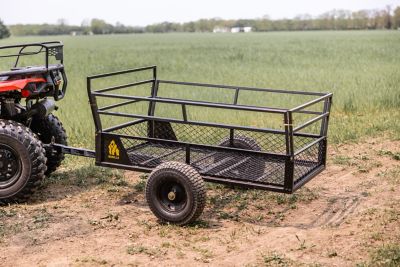
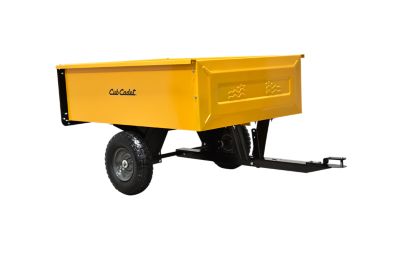
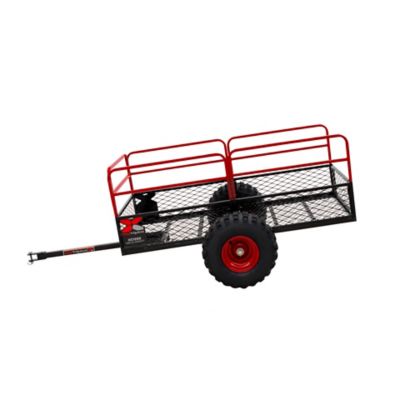
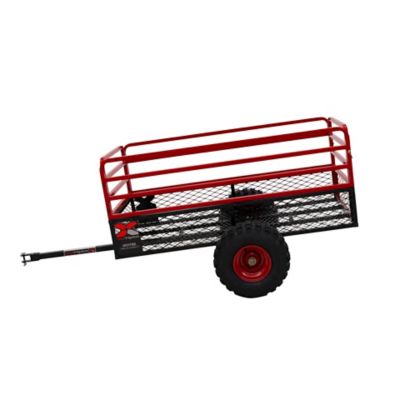
ATV carts are tow-behind utility trailers that carry materials, tools and supplies around a property behind a compatible ATV, UTV or lawn tractor. They put hauling space close to the job, whether that means taking fencing supplies out to a pasture, moving split firewood toward the woodpile or bringing compost from the pile to the garden. For acreage owners, hobby farmers, gardeners and anyone tending a long stretch of fence, that extra carrying room can mean fewer trips between the shed and the worksite. The right size depends on both what goes into the bed and where the cart needs to travel. Load capacity describes the weight a cart can carry, while bed volume describes the space inside, generally measured in cubic feet. Those measurements serve different purposes: branches and leaves can fill a bed without reaching its weight limit, while gravel, sand and wet soil can reach that limit with room still showing above the load. Bed dimensions matter, too, especially when hauling toolboxes, feed bags or other supplies that need to sit flat. Steel beds suit many demanding property chores and may have solid panels, mesh sections or removable sides, depending on the design. Painted and powder-coated finishes help protect steel, though scratches and worn spots need attention to keep rust from spreading. Poly beds resist rust and often have smooth interiors that make loose material easier to shovel or rinse out. Their resistance to gouges, impact and abrasion depends on the material and construction, so a poly bed and a steel bed should not be treated as interchangeable for every task. Frame construction, axle design and the bed’s support underneath also contribute to how a cart carries its rated load. A deep tub may suit mulch and compost, while a more open bed layout can make it easier to arrange tools and supplies for a day of fence repairs.
Fit starts with the connection between the cart and the towing vehicle. ATV utility carts may have a pin-style hitch or a ball coupler, and the connection needs to match the vehicle’s approved towing setup. With a ball coupler, the specified ball size matters; with a pin hitch, the attachment needs the correct pin and retaining hardware. Hitch height also affects how the trailer sits behind the vehicle. A suitable setup keeps the cart at its intended towing angle, with enough clearance for turns and changes in ground level. The cart’s rated capacity is only one limit in the whole arrangement. The tow vehicle’s towing capacity, tongue-weight limit and operating instructions still apply, along with the ratings of the hitch and connecting hardware. The cart’s own weight counts toward the total trailer weight the vehicle pulls, so an empty trailer with a substantial frame leaves less capacity for cargo than its weight alone might suggest. These details matter on a working property, where a short run from the barn can include tight corners, ruts and a narrow gate. Overall width determines whether a cart clears those gates, while trailer length and tongue design influence the room needed to turn or back into a storage spot. Tire size, tread, ground clearance and axle layout affect how the cart travels over uneven ground. Larger-diameter tires can roll across some obstacles more easily, while wider tires may help spread a load over softer ground; actual performance depends on the complete setup and surface. Pneumatic tires provide cushioning but need pressure checks, and tire load ratings must suit the application. For travel around the property beyond hauling chores,
UTV Golf Carts provides another category to explore, with towing suitability determined by each vehicle’s specifications rather than appearance alone. Whatever the tow vehicle, load placement and travel speed need to follow the equipment instructions, particularly on slopes or uneven paths.
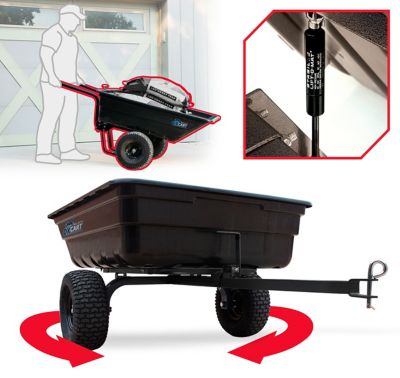
Dumping and unloading features can make as much difference to everyday chores as bed size. An ATV dump cart has a bed that tips to release loose material, cutting down on the shoveling involved when spreading mulch along a fence or placing compost beside a garden bed. Some designs tip straight back, while swivel-dump designs allow the bed to turn toward a designated unloading position. The permitted movement and dumping procedure vary by cart, and unloading calls for firm, level ground with the towing vehicle secured as directed. A bed full of damp soil may not slide out as readily as dry gravel, so the shape of the tub, tailgate opening and release mechanism all affect the task. Removable tailgates can open up access for a shovel or rake, and removable side panels can help with loading certain cargo when the cart’s design allows it. A dump latch should hold the bed securely during travel, and any removable panels need their fasteners in place before towing. Cargo restraints matter for tools and supplies that could shift or bounce, using only attachment points intended for that purpose. After the hauling is done, a little upkeep helps keep the next job from starting with a repair. Clearing soil and plant debris from the bed, cleaning around hinges and latches, and letting the cart dry before storage helps limit buildup and corrosion. Steel finishes benefit from attention to exposed metal, while poly beds need cleaning methods that suit the material. Wheel bearings, axle fittings and pivot points may require lubrication according to the manufacturer’s schedule, and tires, hitch hardware and fasteners deserve regular inspection. Storage space is worth considering before bringing a cart home: the tongue, bed and tires all need room in the shed or designated parking area. With the bed size, hitch, running gear and unloading features matched to the property’s chores, an ATV cart earns its place alongside the tools that keep the place running.