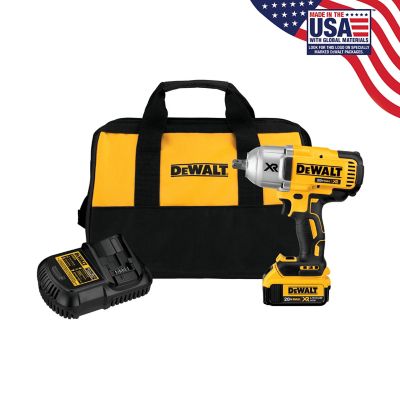
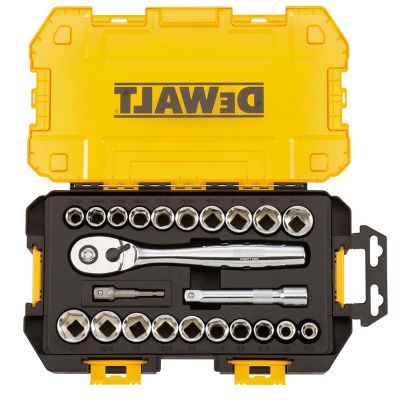
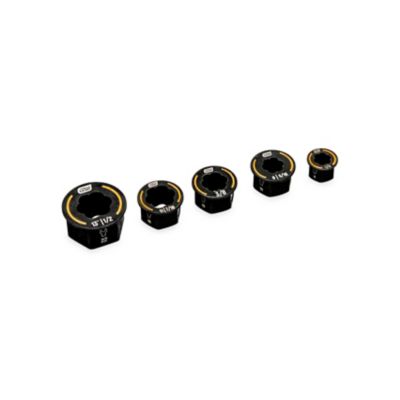
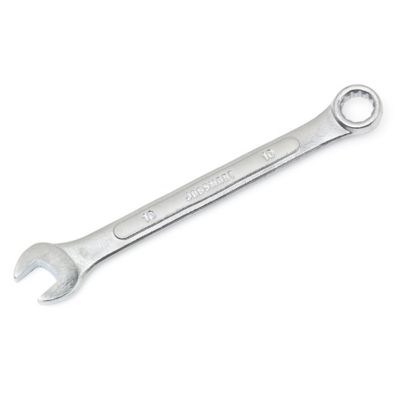
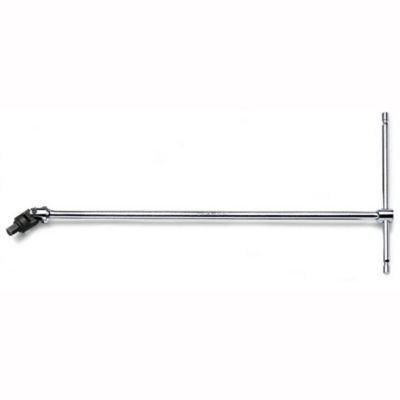
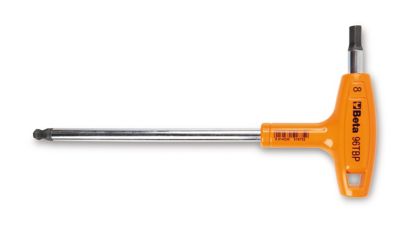
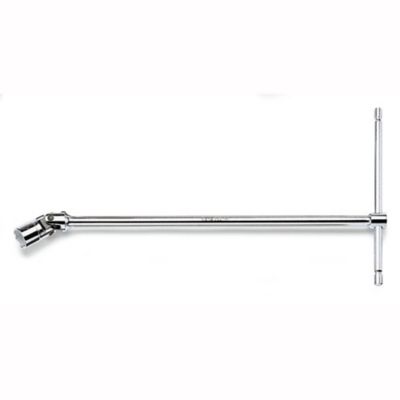
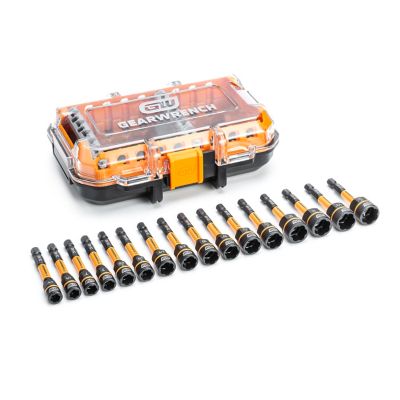
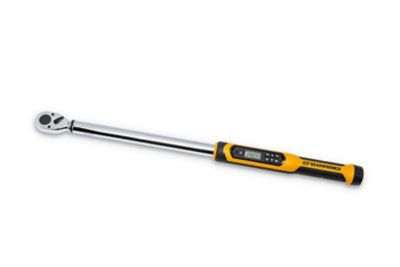
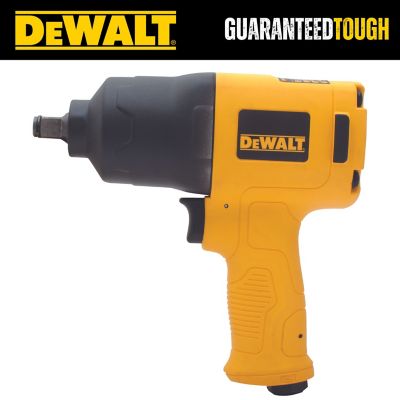
Tools for tightening bolts include wrenches, ratchets and sockets, torque wrenches, and powered impact wrenches, with each type suited to different fastening jobs. A standard wrench turns a bolt or nut by gripping its outside edges, while a ratchet and socket let you keep turning without lifting the tool off the fastener after every stroke. A torque wrench measures or limits applied turning force so a connection can meet the equipment maker’s specified torque. Powered impact wrenches deliver repeated rotational blows for higher-effort fastening work, though final tightening on torque-specified connections calls for a suitable torque wrench. Around a farm, garage, or home workshop, those differences matter more than how impressive a tool looks in the drawer. There’s a big gap between assembling a workbench on an open floor and reaching a mounting bolt tucked behind a mower deck. The best fit depends on the fastener’s size and shape, the room around it, and how much force the connection requires. Open-end designs offer access from the side, while closed-end designs surround more of the fastener head. Ratcheting mechanisms are especially handy where nearby framing or equipment leaves little room to swing a handle. For anyone who has spent an evening reaching around a bracket with cold fingers, clearance is a real buying consideration, not a small detail. Handle length, head thickness, and grip shape all affect how comfortable a tool feels in that space. Longer handles provide more leverage, but they also need room and can make it easier to apply too much force. Compact designs trade some leverage for access. Whether the job involves a gate hinge, utility cart, equipment guard, or shop fixture, tools that match the connection help keep an ordinary repair from becoming a struggle with rounded corners and scraped knuckles. A well-planned selection starts with the work you actually do, rather than the largest assortment on the shelf.
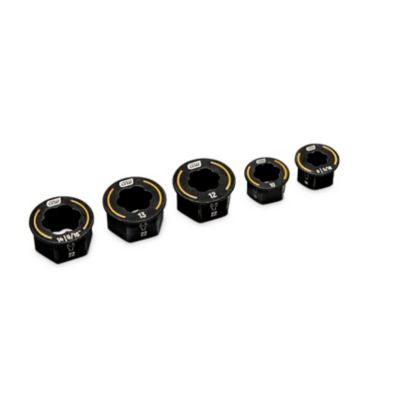
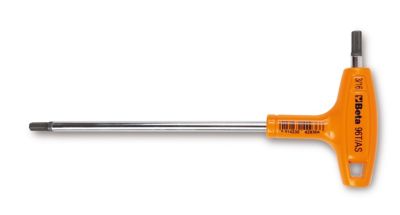
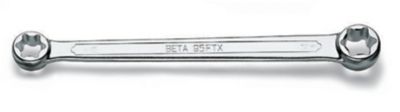
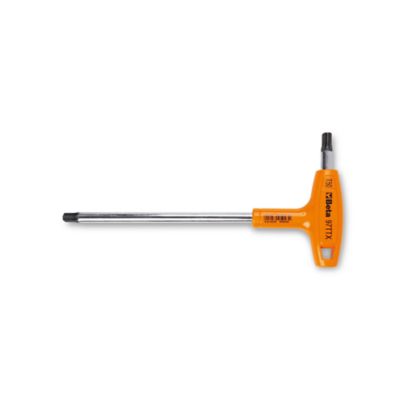
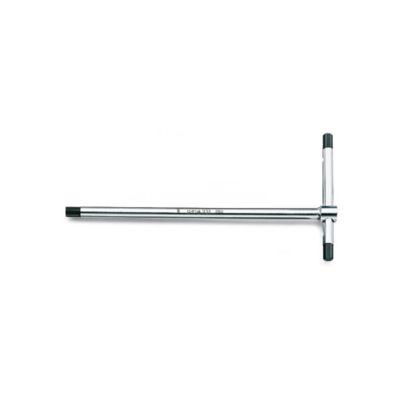
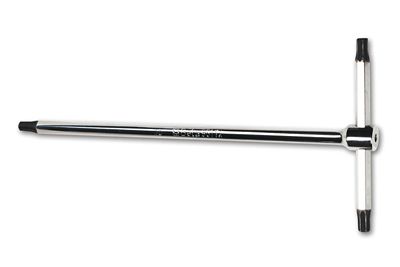
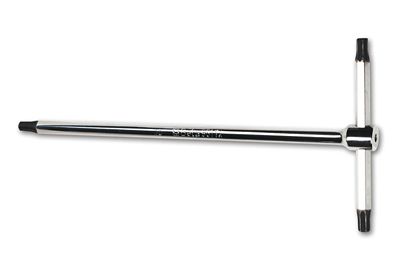
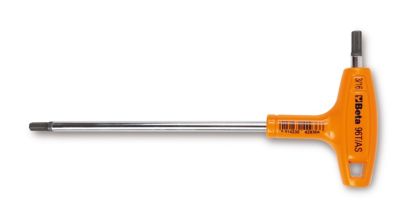
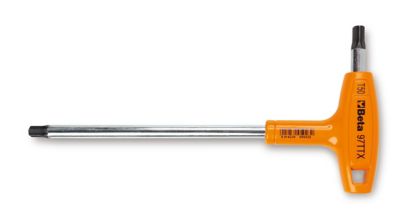
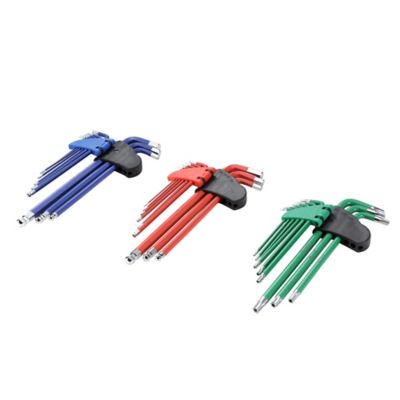
Fastener fit is one of the most useful things to consider when shopping for bolt-tightening tools. SAE and metric sizes can look close without being interchangeable, and a loose fit can damage a bolt head under load. Size markings that are easy to read help when you’re sorting through a drawer under a shop light or working beside equipment in the barn. Socket depth matters, too: a recessed fastener may call for additional reach, while a nut on a protruding threaded stud needs enough internal clearance. Six-point sockets generally provide a strong grip on hex fasteners, particularly when greater turning force is involved. Twelve-point designs offer more positioning options, which can help with access, but the choice still needs to match the fastener and task. Fasteners with a six-lobed internal drive require a matching profile;
Torx Tools cover that separate fastening pattern, rather than serving as substitutes for tools that grip an external hex head. Beyond fit, consider how much control the job needs. Torque ratings are not simply a measure of how tight a connection can go. They help establish the clamping force intended for a particular assembly, and the specified value can depend on thread condition and lubrication. Tools with a suitable torque range and clear units make it easier to work to the equipment manufacturer’s requirements without guessing by feel. Foot-pounds, inch-pounds, and newton-meters are different units, so a readable scale or display matters. For powered options, battery compatibility, tool weight, balance, and speed control can influence everyday convenience as much as output. Air-powered tools also need a compressor and hose setup that meets their operating requirements. Impact applications require impact-rated sockets and accessories; ordinary hand-tool sockets are not intended for that repeated hammering action. A powered tool can save effort on repeated fastening, but high output alone does not make it the right choice for small hardware, delicate assemblies, or final torque checks. Matching the tool to both the workload and the connection gives you a more practical setup.
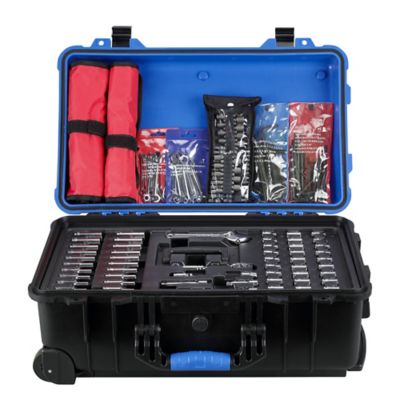
A useful collection of bolt-tightening tools earns its place across plenty of ordinary jobs: keeping farm equipment ready for work, assembling storage and work surfaces, maintaining trailers according to their service requirements, or handling repairs around the house. Property owners may want broad size coverage for a mix of older and newer equipment, while someone working on the same machinery every day may care more about a few well-matched sizes, comfortable handles, and access in confined spaces. Mechanics, maintenance workers, and folks setting up their first serious workshop often have different needs, even when their tools share the same drawer. During the cooler months, indoor shop projects and equipment maintenance tend to bring those needs into focus. A quiet afternoon with the shop door pulled down can turn into a chance to address the loose hardware you noticed during a busy stretch outside. Tools that are easy to identify, hold, and put away make that work feel less scattered, especially when daylight is short and there are still chores waiting. For gift shopping, bolt-tightening tools make sense for someone who enjoys fixing equipment, caring for a property, or building out a garage workspace. The thoughtful choice is usually something that fits their existing setup: compatible socket drive sizes, the measurement system their equipment calls for, or a powered option that works with batteries they already own. An organized set can suit a new tool collection, while a focused addition may better serve someone whose bench is already well stocked. Storage deserves attention alongside the tools themselves. Trays, cases, and clear size labels help keep matching pieces together and make a missing socket easier to spot before the next job. Torque tools may also have specific storage and calibration requirements, which are worth checking before purchase. From occasional household fastening to regular equipment upkeep, the right selection balances access, fit, turning force, and control. That’s what makes a tool worth reaching for when a bolt needs attention and the rest of the day’s work isn’t going to wait.