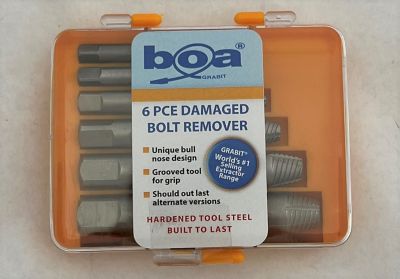
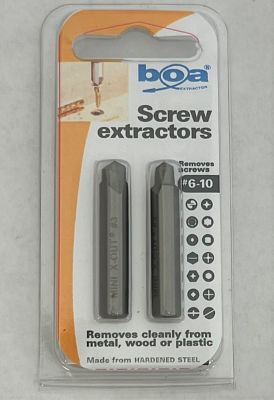
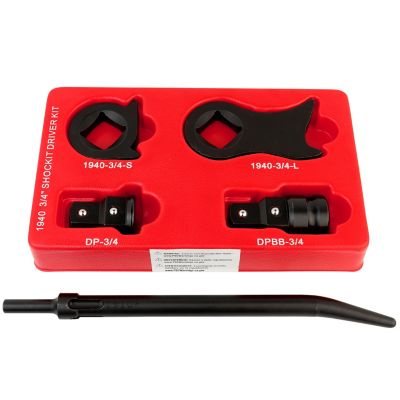
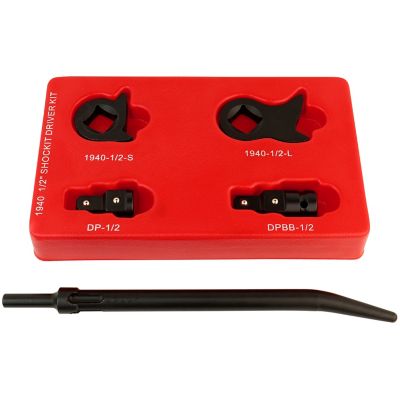
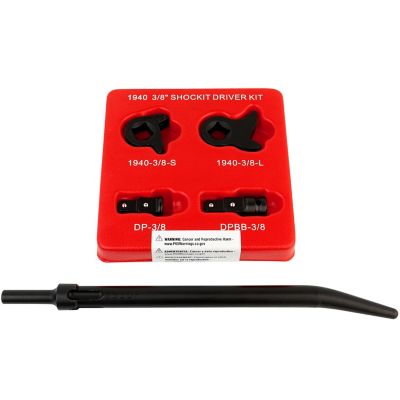
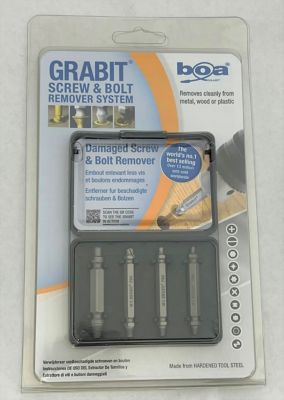
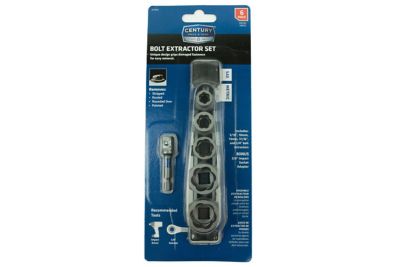
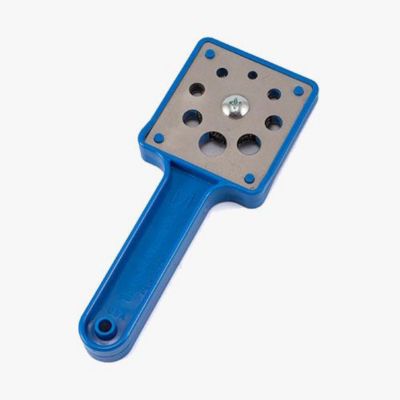
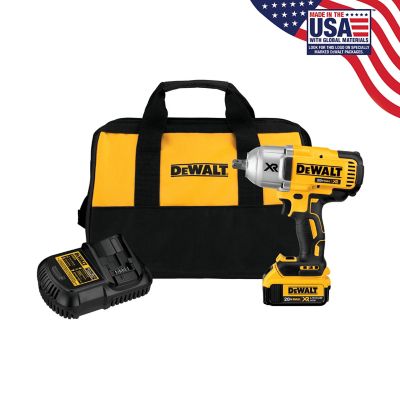
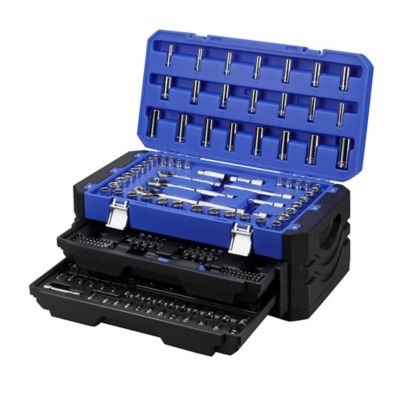
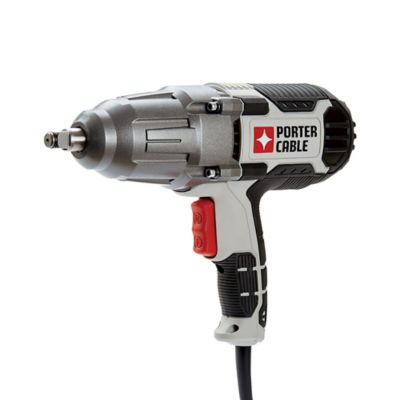
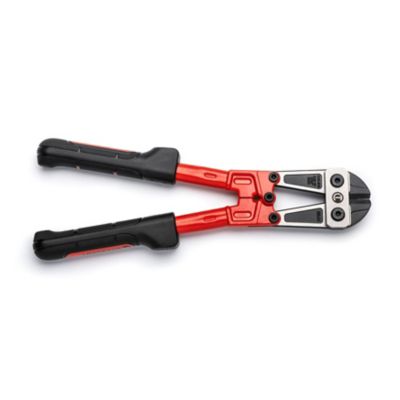
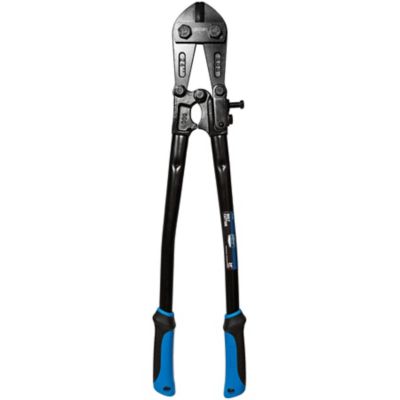
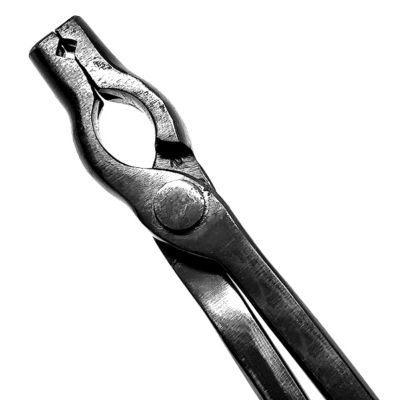
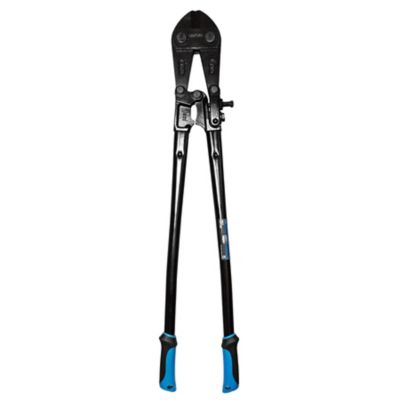
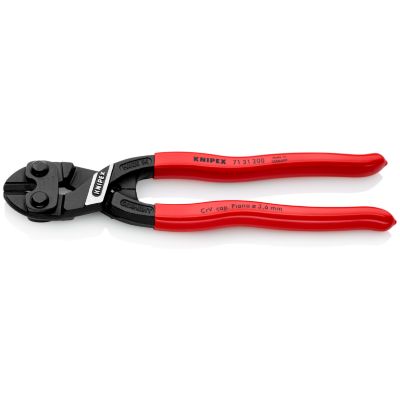
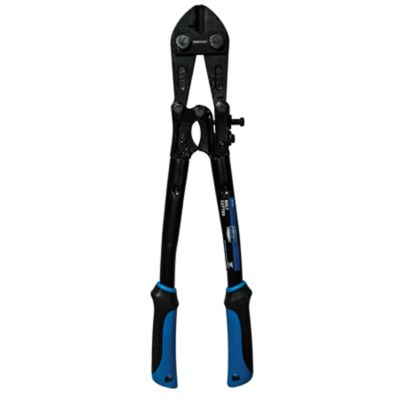
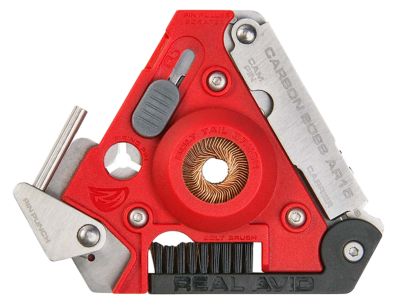
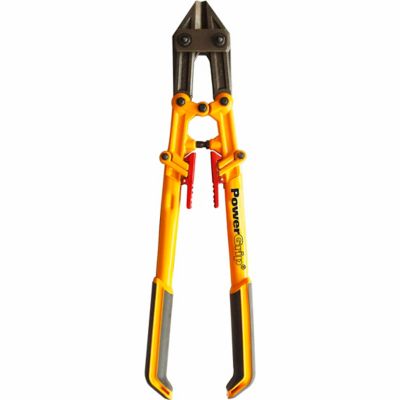
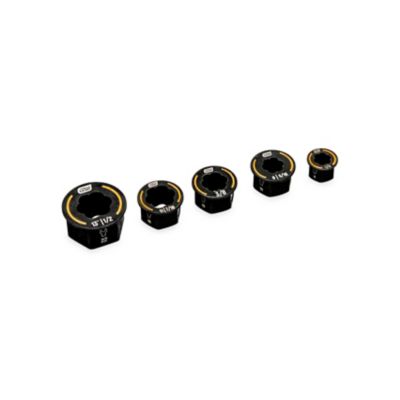
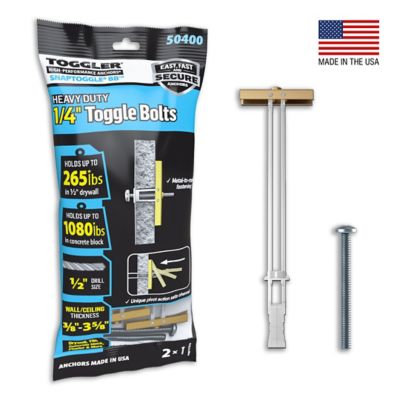
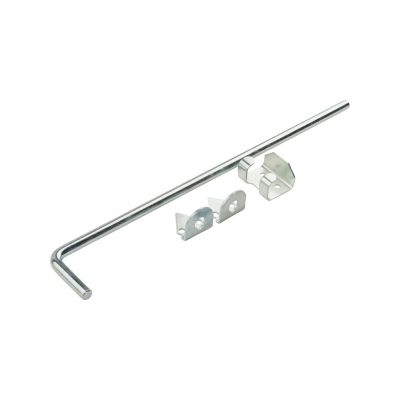
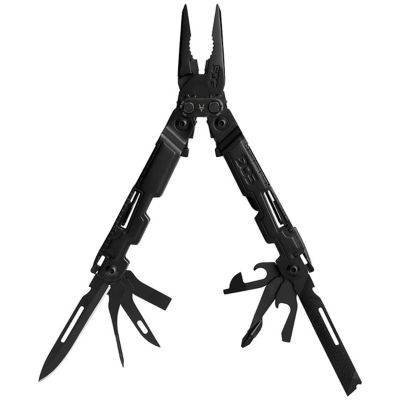
Bolt removal tools are made for the jobs where a regular wrench, ratchet or socket has met its match. A fastener can become difficult to turn for plenty of reasons: years of rust, dirt packed into the threads, too much tightening, repeated use, heat and cold, or a bolt head that has been rounded by the wrong-size tool. On equipment, trailers, trucks, fencing, implements and shop projects, one stubborn bolt can bring the whole job to a standstill. Bolt extractors and related removal tools are designed to help restore your progress when the usual approach no longer works. The right choice depends first on the condition of the fastener. Extractor sockets, sometimes called twist sockets, are intended for bolts and nuts with damaged or rounded heads. Their reverse-spiral interior grips the outside of the fastener as the socket is turned counterclockwise, helping bite into metal that a standard socket can no longer hold. These are especially handy for working on older machinery, weathered gates, mower decks, vehicle hardware and other repairs where the head is still exposed. Internal screw extractors, often known as easy-outs, are used when a bolt has snapped off flush with or below the surface. They generally require drilling a centered pilot hole into the broken fastener, tapping the extractor into that opening, and turning it in reverse so it can grip and back the broken piece out. Left-hand drill bits offer another useful option for damaged or seized fasteners. Because they cut while rotating in reverse, they may catch the bolt and loosen it during drilling before a separate extractor is needed. Keeping different styles on hand gives you more than one way to approach a repair instead of forcing one tool to do every job. For additional options that pair well with removal work, browse
Tools For Fasteners.
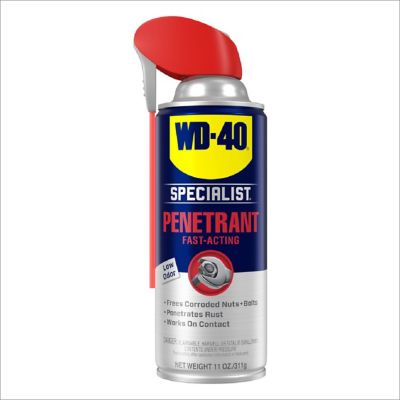
When choosing bolt removal tools, start by matching the set to the fasteners you work with most often. A selection that includes both standard fractional and metric sizes can be a smart fit for a mixed garage, farm shop or household toolbox, since equipment and vehicles may use different measurements. Check the size range carefully, especially if you are repairing compact equipment, imported vehicles or older machinery with less common hardware. Construction matters, too. Hardened high-carbon steel and chrome molybdenum steel are common choices for extractor tools because they are built to withstand the twisting force needed to break loose stubborn metal. Look for clearly marked sizes that are easy to read when your hands are greasy or the shop is dim, along with a sturdy case or organizer that keeps the pieces together. A set with several extractor profiles can be more useful than a single specialty size, particularly for anyone who maintains tractors, utility trailers, livestock equipment, lawn machines or work trucks. Before starting, clean away dirt and loose rust so the tool can seat fully. Apply a penetrating lubricant and give it time to work; on heavily corroded hardware, patience can prevent a snapped extractor or damaged surrounding part. Use the closest matching size, tap an extractor socket firmly into place when appropriate, and turn slowly with controlled pressure. Avoid using an impact tool unless the removal tool is specifically rated for impact use. For a broken bolt, center-punching and drilling a straight pilot hole matters, since an off-center hole can damage threads or make the fastener harder to remove. Heat can sometimes help release rust, but it should be used carefully around fuel, wiring, paint, seals and other heat-sensitive materials. Wear eye protection whenever drilling, striking or applying force, and secure the workpiece so it does not shift. If the fastener is part of a pressurized, structural or safety-critical assembly, the job may call for a qualified mechanic rather than extra force.
Bolt removal tools make a practical addition to a working toolbox because they are useful in those unplanned moments that tend to happen in the middle of a repair. A rancher replacing a worn hinge on a feed gate, a homeowner rebuilding an older riding mower, or a weekend mechanic servicing a pickup may not need an extractor every day, but when a bolt rounds off, having one nearby can save a trip to town and keep a small repair from turning into an all-day project. They can also be a thoughtful gift for someone who enjoys restoring machinery, maintaining a homestead, working on farm equipment or keeping an older vehicle on the road. A compact set is convenient for a truck box or mobile tool bag, while a broader kit makes sense for a shop where jobs range from light household repairs to heavier equipment maintenance. Keep in mind that an extractor is not a substitute for the correct replacement hardware. After the damaged fastener is removed, inspect the threads, clean the opening, and replace the bolt or nut with the proper size and grade for the application. A thread chaser, tap or replacement fastener may be needed to finish the repair correctly. Store the tools dry and wipe away cutting oil or moisture before putting them back in their case, particularly during cooler months when condensation can settle on metal in an unheated shed. With the right size, a sound grip and a steady approach, bolt removal tools can help turn a rusted, rounded or broken fastener from a hard stop into a manageable repair.