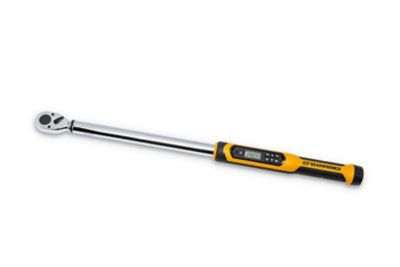
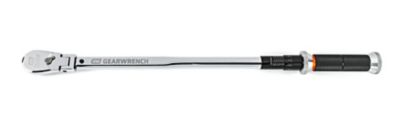
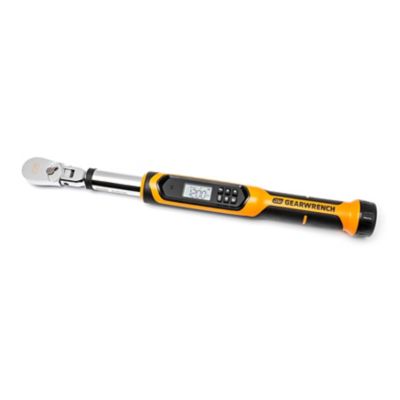
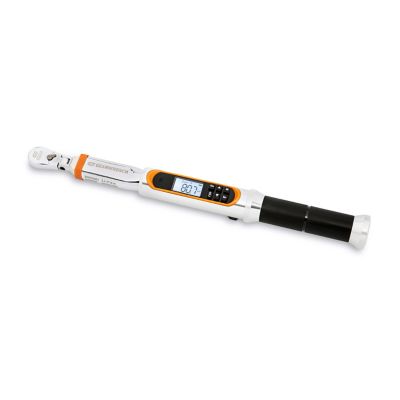
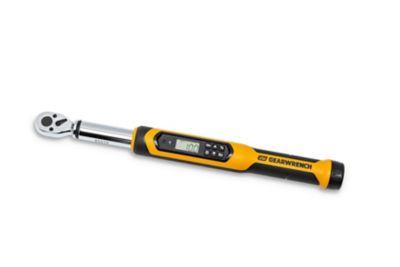
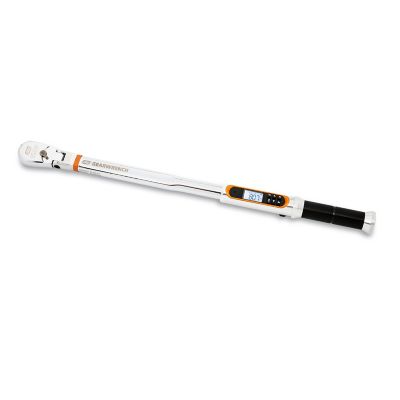
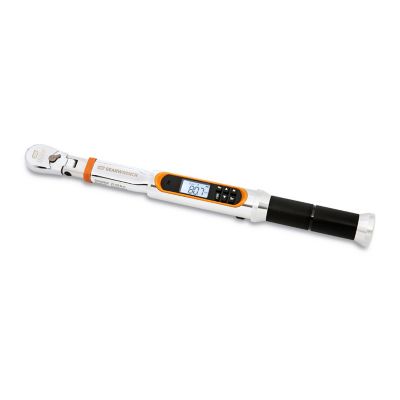
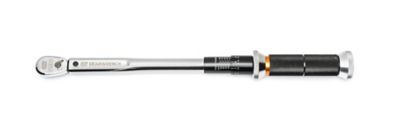
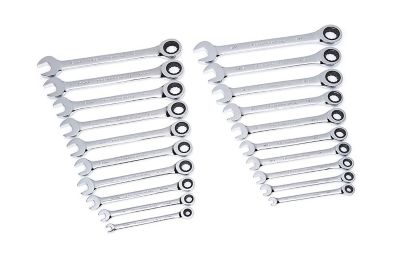
A torque wrench is a precision hand tool that helps apply a specific amount of turning force, called torque, to a nut or bolt. That measured force matters whenever a fastener needs to be tight enough to stay secure without being tightened so much that threads, studs, parts, or gaskets are damaged. It can be a handy addition to the toolbox for a farmer maintaining equipment, a do-it-yourselfer working on a truck, a homeowner assembling heavy-duty equipment, or anyone who prefers to do careful repairs in the shop instead of making a trip to town. Torque wrenches are often used for vehicle lug nuts, trailer components, mower and small-engine repairs, farm machinery, bicycles, engines, and other jobs where the manufacturer provides a torque specification. They are not meant to replace an ordinary wrench for every task. A standard ratchet or a set of
Ratchet Wrenches is generally better for quickly removing and installing fasteners, while a torque wrench is used during the final tightening step when a measured setting is required. Keeping both types nearby makes a repair go smoother: use the regular wrench to run a fastener down, then reach for the torque wrench to finish the job with more control and consistency.
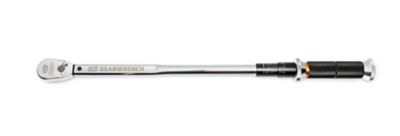
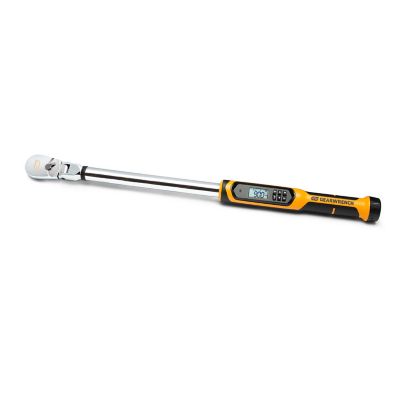
When choosing a torque wrench, start with the kind of work you expect to do and the torque range called for by those jobs. A wrench that covers common automotive lug-nut settings may not be the best fit for delicate bicycle hardware or larger machinery fasteners, so compare the tool’s minimum and maximum torque values rather than choosing by appearance alone. Drive size also matters. Smaller drives are useful for lighter-duty fasteners and tighter spaces, while larger drives are suited to heavier hardware and higher torque demands. Check whether the scale is marked in the units you use, such as foot-pounds, inch-pounds, or Newton-meters, and look for an easy-to-read adjustment collar or display. Click-type torque wrenches are popular because they provide a noticeable click when the preset value is reached. Digital or electronic styles may offer a screen along with sound, lights, or vibration to show that the target is near or has been met. Beam-type designs use a pointer and scale and have a straightforward, traditional layout. Each style can be useful; the best choice is the one that matches your comfort level, work area, and need for quick, clear readings. A longer handle may provide more leverage, but a compact wrench can be easier to use around an engine bay or beneath a mower deck. A reversible head can help in close quarters, and a locking adjustment can help keep the selected setting from shifting while you work. If the wrench will live in a truck, service trailer, or dusty outbuilding, a sturdy case and a scale that remains legible under changing light are practical details. For a gift, a torque wrench is a thoughtful pick for a new vehicle owner, a tradesperson building a first serious toolbox, a young mechanic learning proper maintenance, or the family member who spends cooler weekends restoring equipment in the garage. Pairing it with sockets, gloves, a work light, or a compact tool organizer can make the gift more useful without taking up much extra room.
Correct use and care help a torque wrench do its job reliably. Before tightening, find the equipment or vehicle manufacturer’s specified torque value and confirm that the wrench can be set to that number. Make sure the socket fits the fastener fully, keep the wrench and threads reasonably clean, and avoid adding a cheater bar or extension to the handle unless the instructions specifically account for it. Pull the handle smoothly toward you rather than pushing down with your body weight. A steady pull gives better control and reduces the chance of overshooting the setting, especially when your hands are greasy or the work is being done in an awkward position. Most torque wrenches are intended for tightening, not breaking loose stubborn bolts. Use a standard breaker bar or ratchet to loosen stuck hardware, then use the torque wrench for final tightening. On a click-type model, stop when the click is felt or heard; continuing to pull after that point can apply more force than intended. Digital models should be watched or listened to as they approach the selected value, and beam-style models require keeping your eyes on the pointer and scale while pulling. After use, clean off dirt and oil, follow the manufacturer’s storage instructions, and return an adjustable mechanical wrench to its lowest recommended setting so the internal spring is not left under unnecessary tension. Store it in a case or protected drawer instead of dropping it loose into a toolbox. Like other measuring tools, a torque wrench can lose accuracy after heavy use, a hard fall, or long storage, so periodic calibration or professional testing is worth considering when precise fastener settings are important. During the warmer stretch of outdoor maintenance and through the cooler months of shop projects, having a properly sized torque wrench ready can bring a little more confidence to everything from changing a tire to tightening equipment hardware.