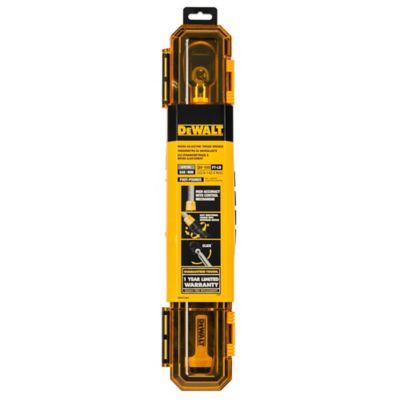
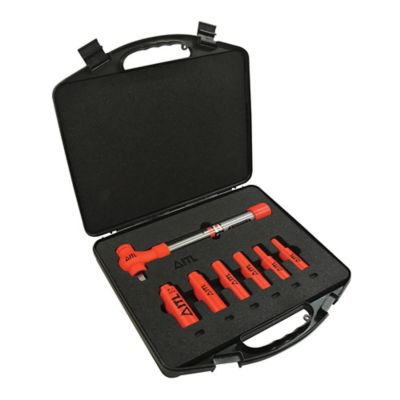
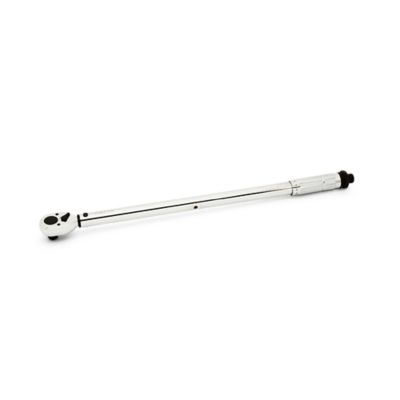
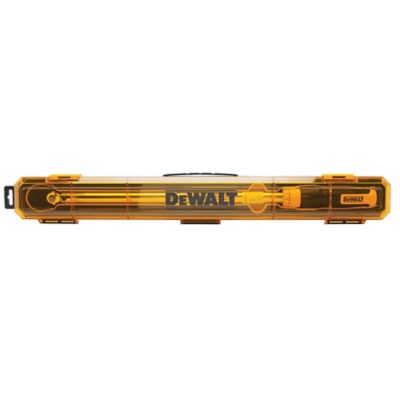
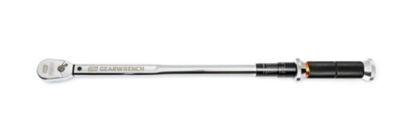
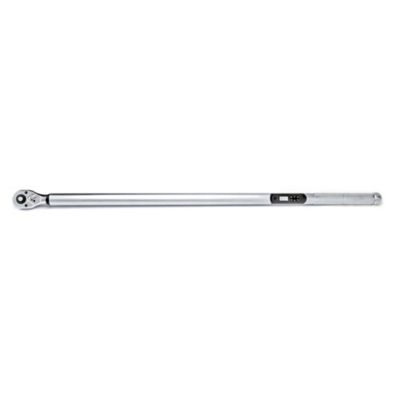
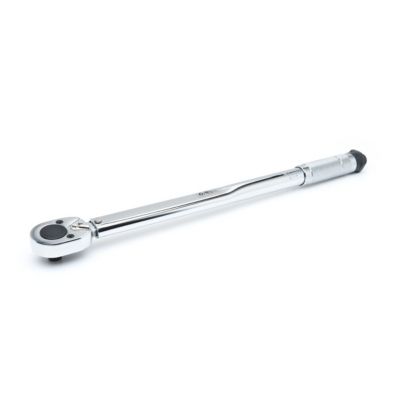
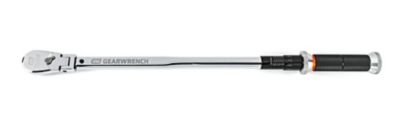
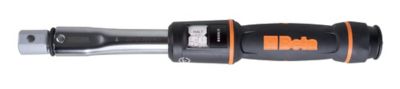
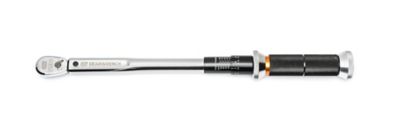
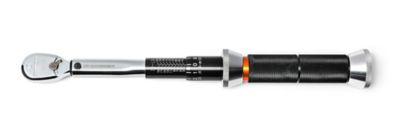
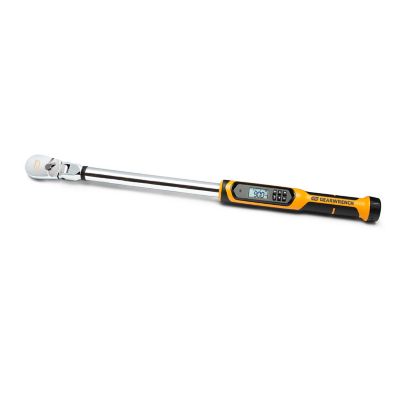
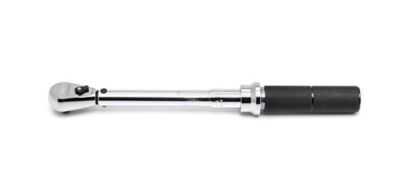
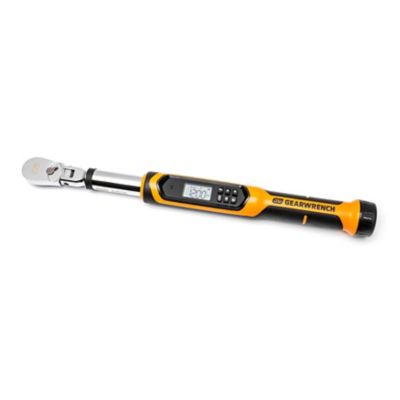
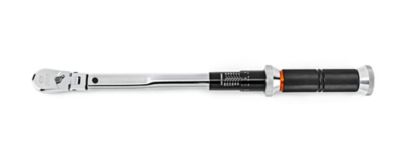
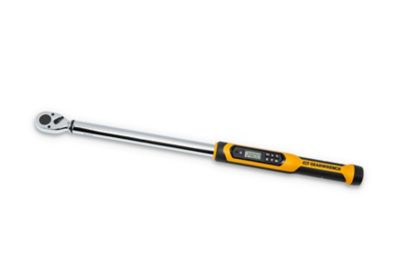
Heavy-duty torque wrenches apply a measured amount of turning force to nuts and bolts on trucks, tractors, trailers, farm implements, and industrial equipment. Their job is to bring a fastener to its specified torque rather than simply tighten it as far as possible. That distinction matters on a wheel assembly headed down the highway, a loader attachment working around the farm, or machinery that runs for hours in the shop. Too little tightening can leave a joint loose, while too much can stretch a bolt, damage threads, or distort connected parts. The heavy-duty category spans high-capacity manual tools and powered hydraulic systems, with the right match depending on the equipment’s service requirements. Many manual designs handle settings in the hundreds of foot-pounds, while specialized hydraulic systems can deliver several thousand foot-pounds or more for demanding industrial bolting. Drive sizes commonly include 1/2 inch, 3/4 inch, and 1 inch, but drive size alone does not establish a wrench’s torque capacity. The marked operating range is what counts. Click-type torque wrenches provide an audible and tactile signal at a preset setting, making them familiar tools for wheel service and general equipment maintenance. Break-over designs give a noticeable change in handle movement when the setting is reached. Neither signal means continued pulling is harmless; both indicate that the specified setting has been reached. Dial and beam-style designs display applied torque on a scale, while electronic versions may provide a digital readout along with lights, sound, or vibration. Some electronic tools also measure turning angle for applications that specify an angle after an initial torque setting. Hydraulic torque wrenches serve a different level of work, including large machinery connections and industrial flanges, and require compatible pumps, hoses, reaction arrangements, and trained operation. Across these designs, the equipment manufacturer’s torque specification—not the size of the bolt head or how tight a connection feels—sets the requirement. A substantial wrench earns its place when that requirement goes beyond the comfortable working range of a smaller tool.
A good fit starts with the torque settings that come up most often, whether that means servicing a truck, maintaining a tractor, or keeping a fleet of equipment ready for work. A wrench should cover those settings within its stated operating range, with clear markings and a documented tolerance that suits the task. A very high maximum capacity does not necessarily make a tool suitable for lower-torque work. For passenger vehicles and other jobs with different working ranges,
Automotive Torque Wrenches provide another category to consider alongside larger equipment tools. Socket drive compatibility, fastener clearance, and room to swing the handle all matter once the wrench reaches the machine. A long handle offers leverage, but its length can become a drawback between a frame rail and an attachment bracket. Head size, ratchet movement, and overall weight can be just as important as capacity in those tight spots. Some reversible ratchets support torque measurement in only one direction, so left-hand threaded applications call for attention to the stated measuring direction. Alloy steel bodies, heat-treated drive components, and protective finishes are common construction details worth comparing for shop and field service. Grip shape and texture affect control when hands are gloved or the handle has picked up a trace of grease. Clearly etched scales, readable displays, and positive setting locks help make repeated adjustments less fussy. Electronic displays bring additional considerations, including battery requirements, unit selection, and protection from shop grime. Foot-pounds, inch-pounds, and newton-meters are not interchangeable, and a readable unit indicator helps prevent a costly mix-up. Extensions and adapters deserve attention as well: certain arrangements change the effective lever length and require a correction to the setting. Manufacturer-approved handle sections belong with the tools designed for them; slipping a pipe over a torque wrench changes how force is applied and can damage the mechanism. Those practical details make a difference when the fastener is tucked behind a wheel or beneath a machine.
Long service life comes from sound construction, sensible handling, and attention to calibration. A torque wrench is a measuring tool, even when it has the size and heft of a breaker bar. Breaking loose seized fasteners, hammering on the handle, or leaning on it after the signal can harm its mechanism or throw off its readings. A separate loosening tool keeps that work away from the torque wrench. Calibration documentation provides a useful record of performance, while the manufacturer’s inspection and recalibration recommendations help establish a maintenance schedule. A wrench that has been dropped, overloaded, or started behaving differently deserves evaluation before it returns to critical fastening work. Shop conditions matter, too. Grit around the head, oil covering the markings, and corrosion on exposed surfaces can interfere with handling and inspection. A wipe-down after the job and storage in a fitted case help keep the tool protected instead of rattling loose in a truck toolbox. Adjustable spring-loaded click wrenches commonly call for storage at their lowest marked setting, but the instructions for the particular mechanism take priority; other designs have different storage requirements. Electronic tools also need battery care and protection from moisture according to their ratings. At the fastener itself, thread condition and lubrication affect the relationship between applied torque and clamping force, so service specifications for dry or lubricated threads matter as much as the number on the handle. Wheel assemblies and other multi-fastener joints may also have a specified tightening sequence or follow-up inspection requirement. For farm owners, equipment operators, fleet mechanics, and folks who handle their own truck maintenance, these considerations help separate a tool that merely has enough leverage from one that fits the work. The best match brings together the required torque range, manageable dimensions, a clear signal or readout, and care requirements that fit the shop’s routine. That combination supports careful fastening on equipment that has plenty of work ahead of it.