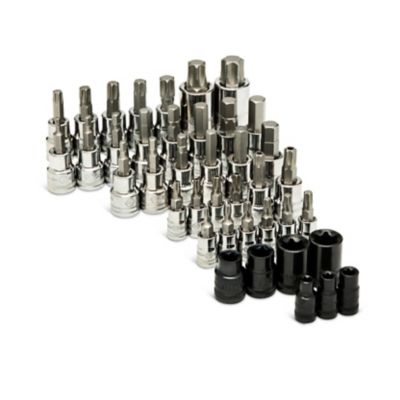
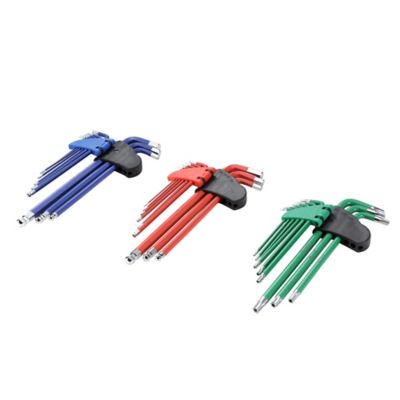
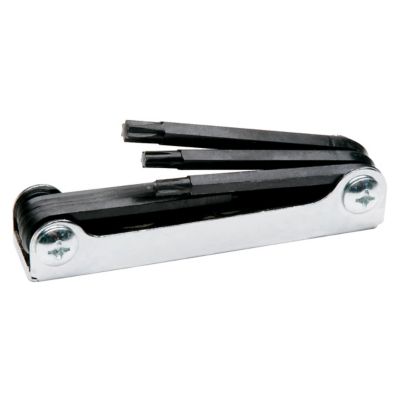
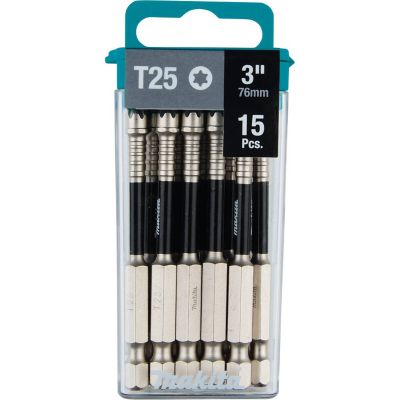
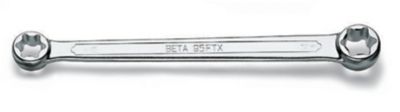
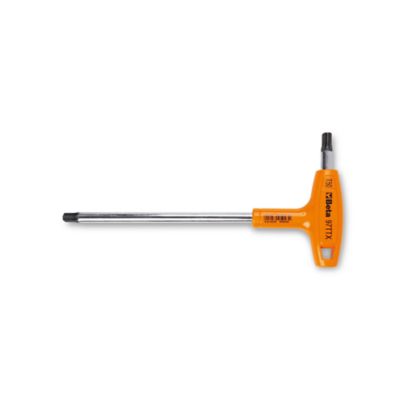
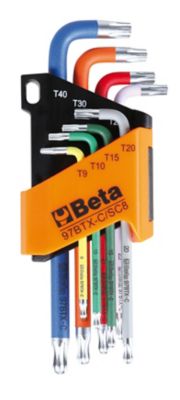
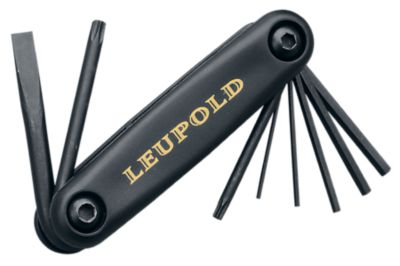
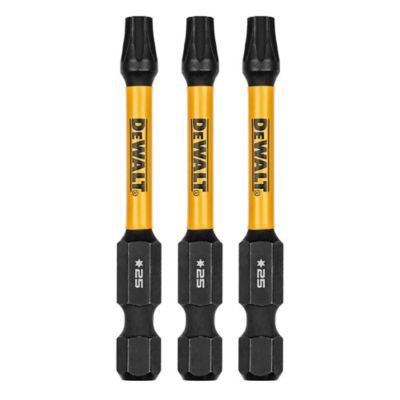
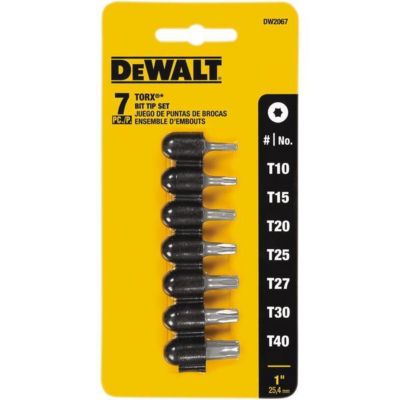
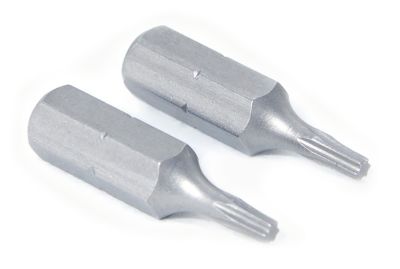
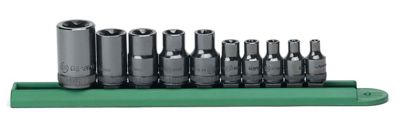
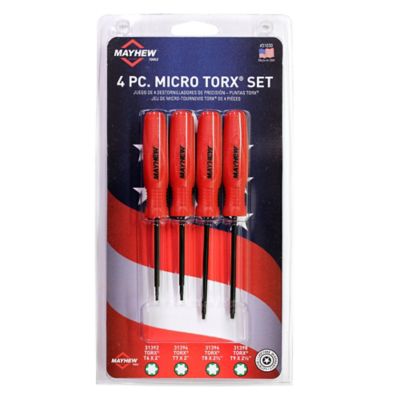
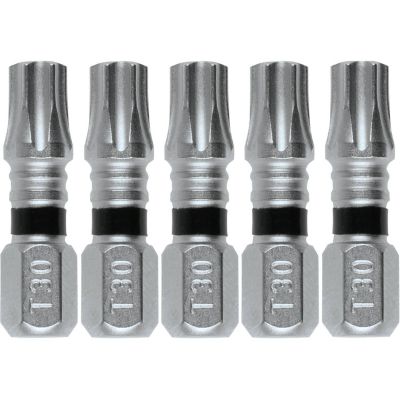
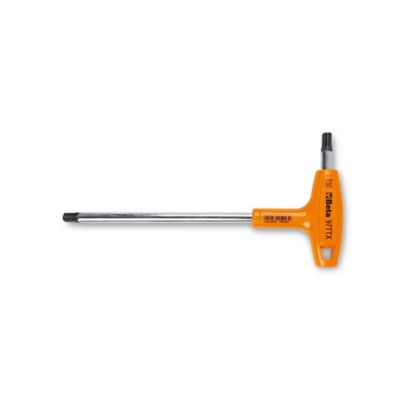
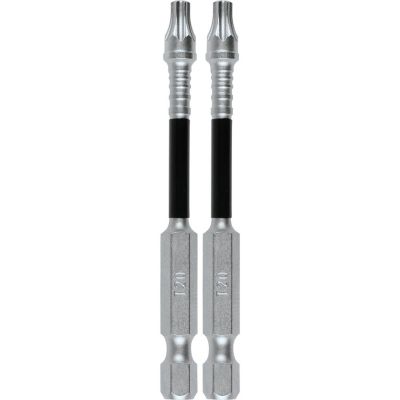
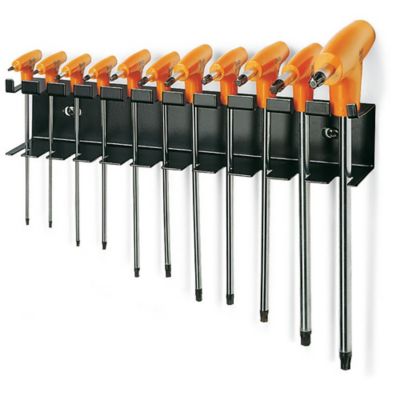
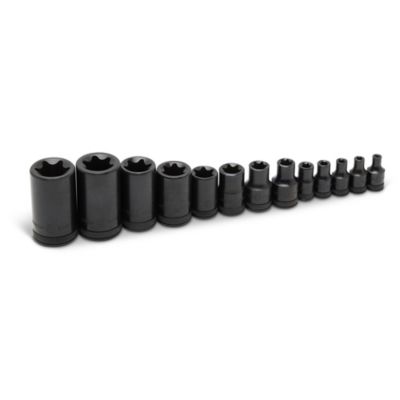
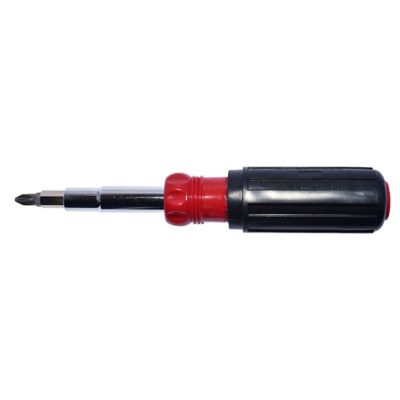
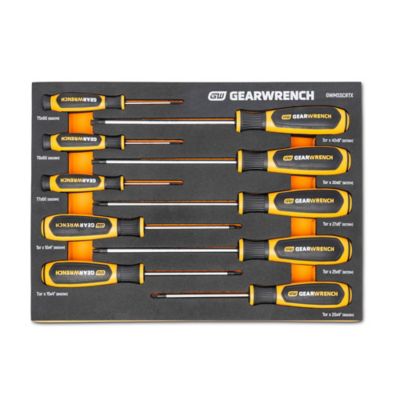
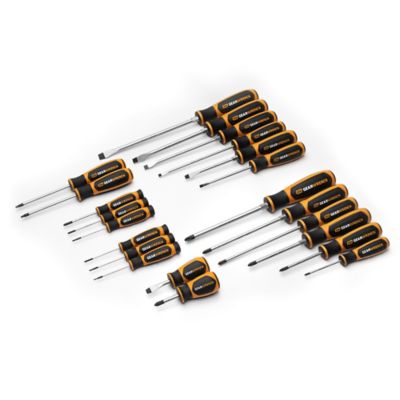
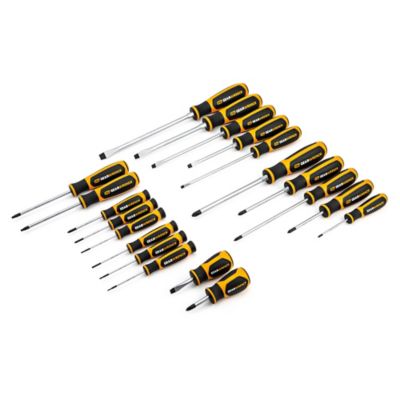
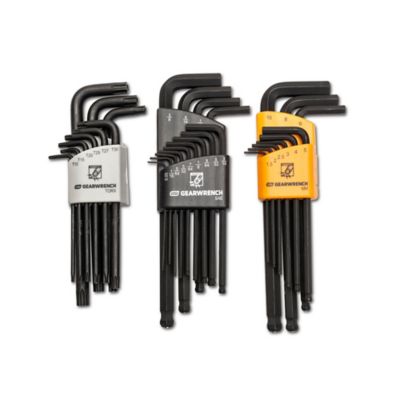
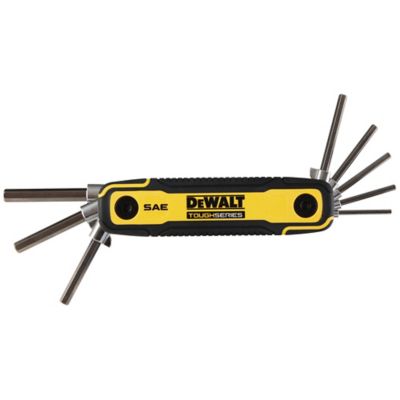
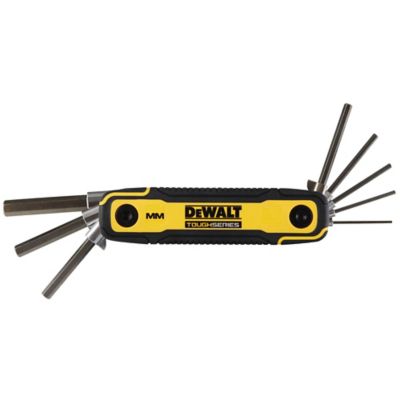
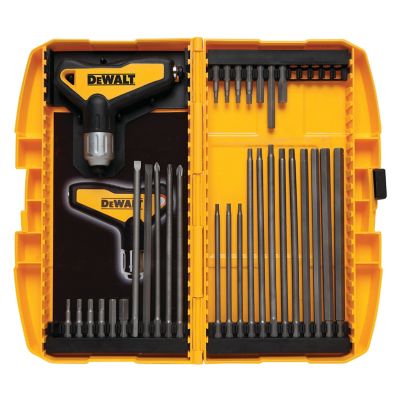
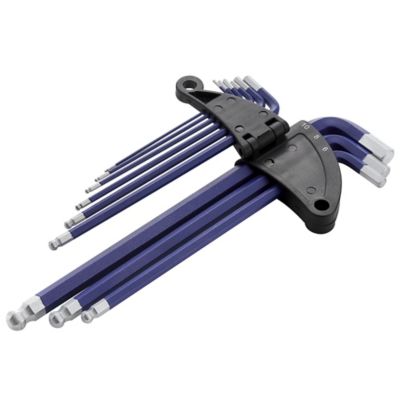
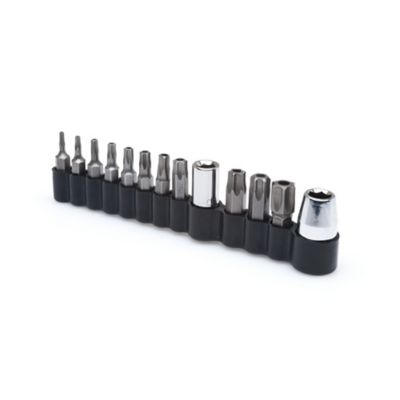
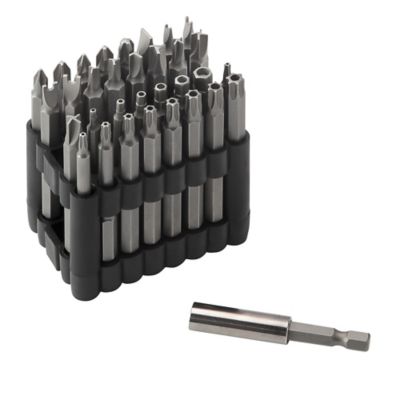
Torx tools earn their place in a farm shop, garage or truck toolbox when the job calls for a firm fit on a six-lobe, star-shaped fastener. That drive pattern shows up on vehicles, lawn and garden equipment, machinery housings and plenty of other assemblies where getting a good grip matters. Unlike a straight slot or cross-shaped recess, the Torx profile spreads turning force across several contact surfaces and helps limit the tendency of the tool to climb out of the screw head. The benefit is easy to appreciate when a mower cover needs to come off or a tight fastener sits down inside an engine compartment. Torx screwdrivers, insert bits, bit sockets and L-shaped keys all work with the same general drive shape, but each style suits a different space and way of working. A full-length screwdriver offers direct control for lighter service work, while a bit socket pairs with a ratchet for jobs that call for more leverage. Short bits fit interchangeable drivers, and longer bits can reach recessed heads that a standard tip cannot touch. L-shaped keys offer a compact option for a toolbox drawer or equipment service kit, with two working ends that provide different combinations of reach and leverage. For folks tending acreage, maintaining a pickup or keeping a small repair bench busy, having the proper Torx tools can keep an ordinary service task from turning into a struggle with a mismatched driver. These tools also make practical gifts for mechanically minded family members, especially when the selection matches the equipment they already maintain. During the cooler months, when more maintenance moves into the shop, a well-organized set is easy to appreciate under the bench light. The most useful assortment is not necessarily the largest one; it is the one that covers familiar fastener sizes and fits the way the owner works.
Fit starts with the fastener profile, not just the size stamped on the tool. Standard internal Torx screws have a recessed star shape, while external Torx fasteners have a raised, lobed head that takes a matching E-size socket. Those systems are different, and a T-size bit and an E-size socket are not interchangeable simply because their markings contain the same number. Security-style Torx fasteners add a center post inside the recess and need a compatible bit with clearance for that post. Other similar-looking drive patterns can require their own matching tools, so a star-shaped recess alone does not confirm compatibility. A properly matched tip seats fully with little play, helping protect both the working end and the screw head. That matters whether someone is removing a small equipment panel or tightening hardware during a repair. For projects that also need replacement hardware,
Torx Fasteners are part of the same fit-and-function picture, with drive size only one consideration alongside thread dimensions, length and the requirements of the assembly. Tool dimensions matter beyond the tip, too. Bit sockets need to match the square drive on the ratchet or extension, and insert bits need a compatible holder. A slim shaft may slip past a nearby hose or bracket, while a wider socket body may not clear the same opening. Long reach helps with deep recesses, but extra length can make it harder to keep the tool square in a cramped space. A compact driver can be the better fit under a seat or behind a shield, where there is little room for a full handle. Handles with a comfortable shape and a secure gripping surface are worth considering for repeated turns, particularly when work gloves stay on. Clear size markings and organized storage also save time when several nearly identical bits are lying beside a partly opened machine. For final tightening on assemblies with a specified torque, a compatible bit socket and the appropriate torque wrench help support the equipment maker’s requirements rather than leaving the result to feel alone.
Materials, construction and care all influence how Torx tools hold up through regular shop work. Tool steels such as chrome vanadium and S2 appear across different tool types, but the steel name is only part of the story; heat treatment, working-end geometry and the intended application matter as well. A tip needs enough hardness to resist wear without becoming too brittle for its job. Protective finishes can help resist corrosion, though no finish takes the place of dry storage. Power-tool compatibility deserves particular attention. A bit or socket intended for hand operation should not be assumed suitable for an impact driver or impact wrench; that work calls for components specifically rated for the tool and application. Even with matching equipment, extra turning force is not a substitute for proper engagement. Packed dirt, paint or rust in a screw recess can prevent full seating, which is a common concern around outdoor equipment and exposed hardware. A clean recess gives the bit a better chance to engage as intended, while keeping the driver in line with the screw reduces sideways loading. Rounded lobes, cracks or a twisted working end are signs that a tool no longer belongs on a demanding fastener. Care between jobs is straightforward: wipe away grime, dry tools before putting them away and follow the maker’s recommendations for corrosion protection. A fitted case, socket rail or divided tray keeps small sizes from disappearing into the bottom of a toolbox and makes missing pieces easier to spot before heading out to the barn. Storage that separates tips from loose hardware also helps protect working edges and keeps markings readable. For occasional household repairs, a compact assortment may cover familiar tasks without taking up much room. For equipment owners and frequent mechanics, a broader range of sizes, lengths and drive styles can better match the mix of tight spaces and stubborn hardware that comes through the shop. The right Torx tools bring together a close fit, suitable strength and workable reach, making them a useful part of keeping everyday equipment ready for its next job.