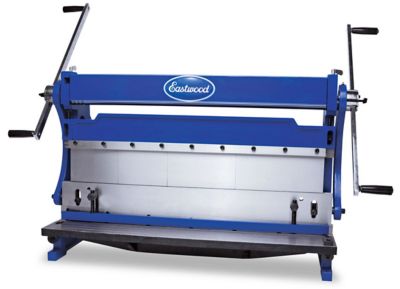
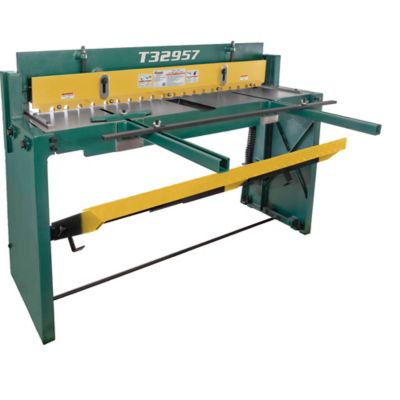
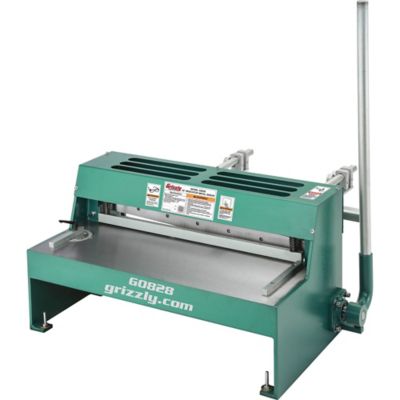
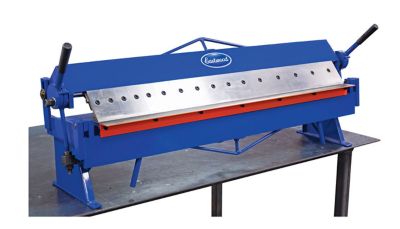
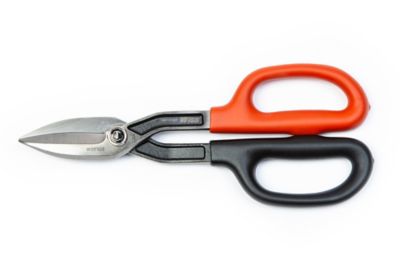
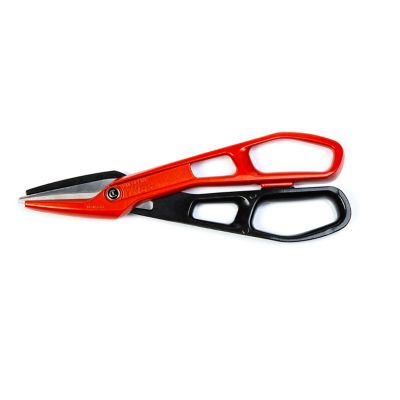
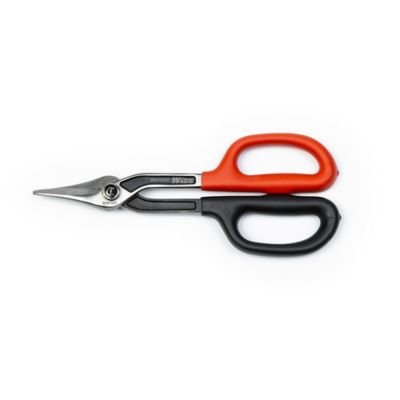
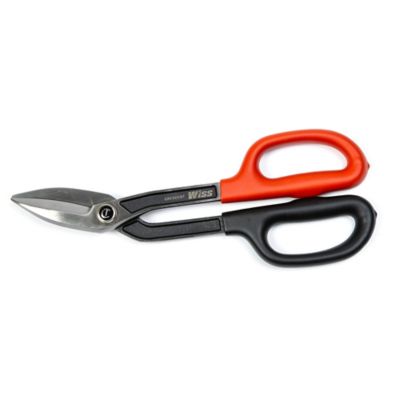
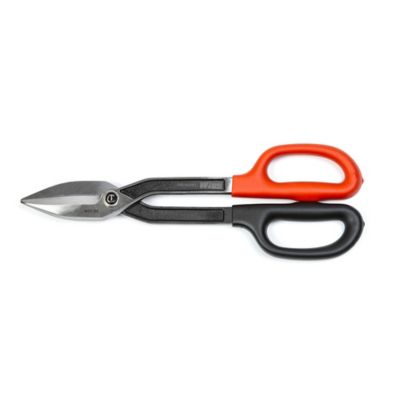
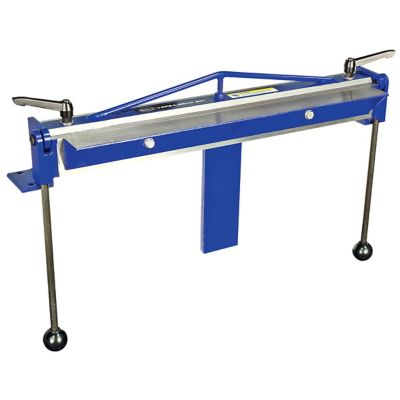
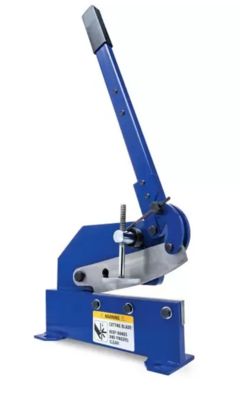
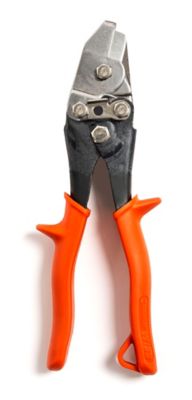
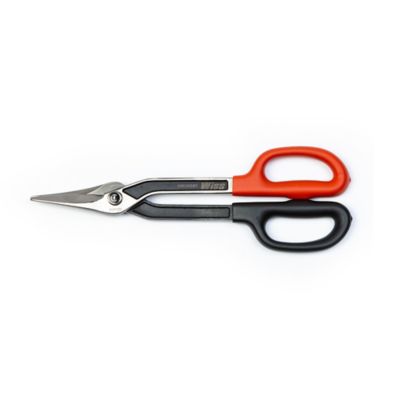
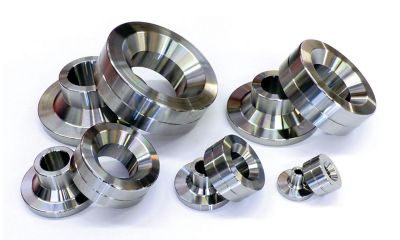
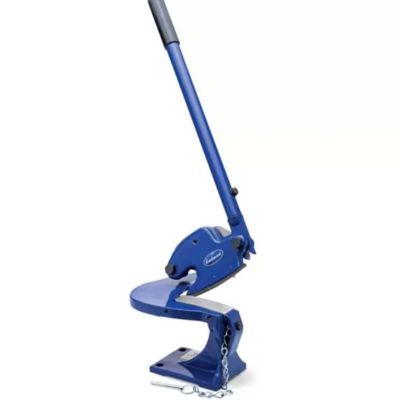
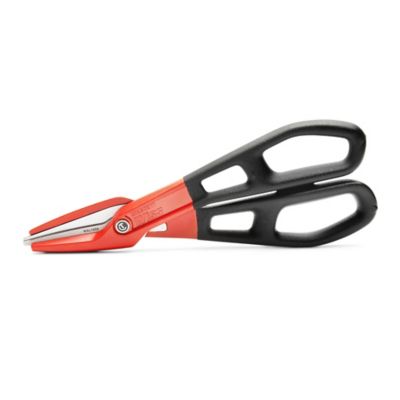
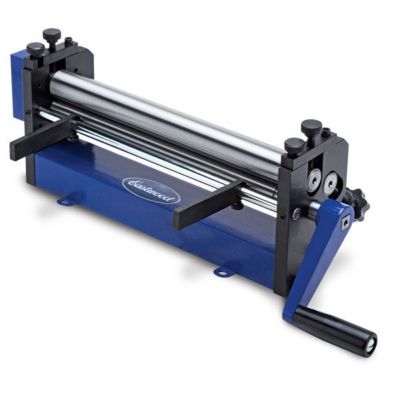
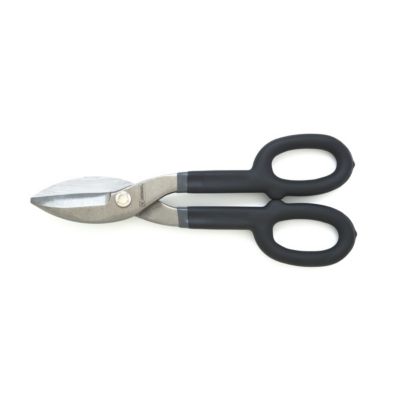
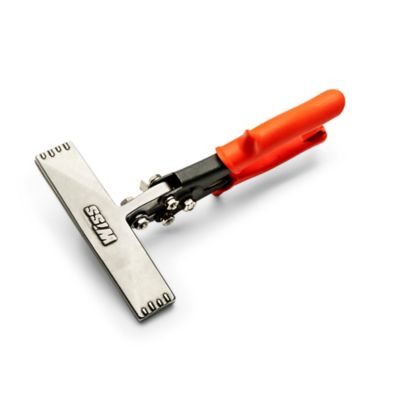
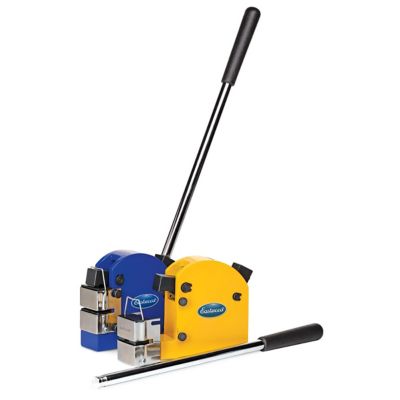
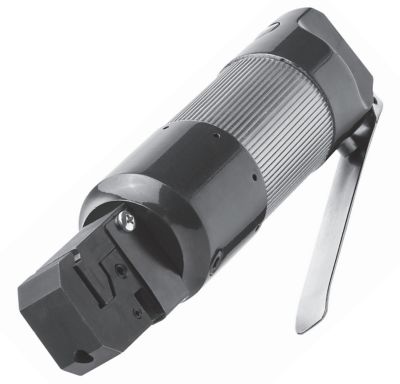
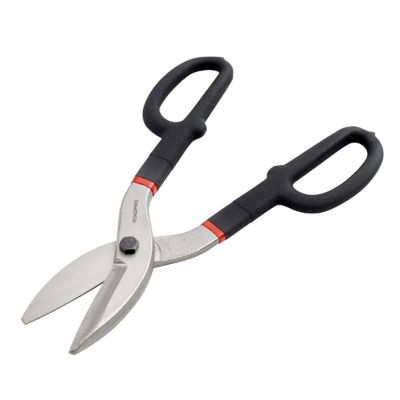
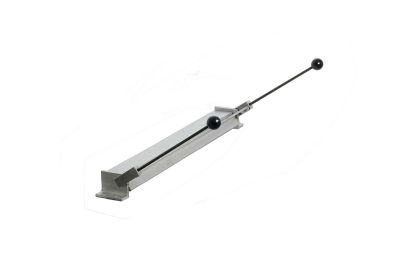
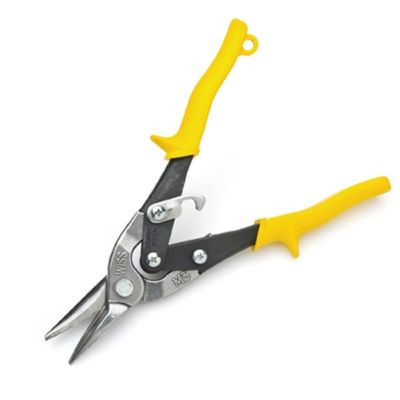
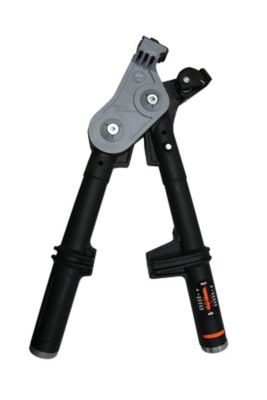
Sheet metal tools help turn flat, flexible metal into useful parts for farm repairs, shop projects, home maintenance, automotive work, and light fabrication. The right setup may include simple hand tools for marking, trimming, bending, and fastening, along with larger shop equipment for repeatable cuts and formed panels. Aviation snips are a common choice for cutting thin sheet, with different jaw designs made for straight, left, or right curves. Offset handles can keep your knuckles above the sharp edge, which is a welcome feature when a cut runs several feet down a panel. For curved work or detailed shapes, a throatless shear gives the material room to move in different directions without limiting the cut to a narrow throat. Notchers remove corners, V-shapes, or small sections along an edge so panels can meet neatly at a bend. Once the metal is cut, hand seamers help fold, flatten, and adjust flanges in small, controlled increments. A manual bending brake is useful when a long, straight bend needs to stay even from one end to the other, whether you are forming a flashing edge, a duct section, a repair panel, or a protective cover for equipment. Shrinker and stretcher tools shape curved edges by gathering or lengthening the metal, while bead rollers add reinforcing ribs that help a broad panel resist flexing and can bring a finished, professional look to custom work. Larger forming tools take up more room and may be best suited to a dedicated shop, but a dependable collection of hand tools can handle plenty of jobs around a barn, garage, service truck, or home workshop.
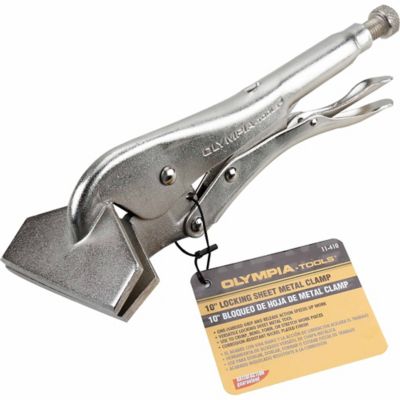
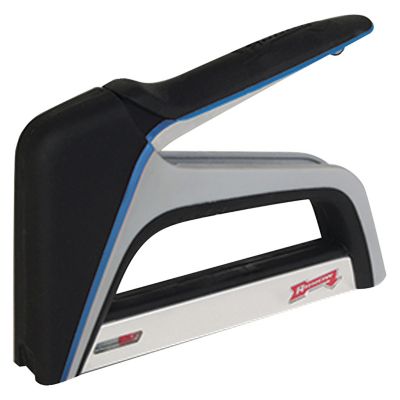
Choosing sheet metal tools starts with the kind of metal and the type of work on the bench. Thin aluminum, galvanized steel, mild steel, and stainless steel each respond differently to cutting and forming, so check the tool’s rated capacity instead of assuming a tool made for light-gauge material will handle heavier stock. Tool shape matters, too. Straight handles and jaws are handy for open, easy-to-reach cuts, while offset designs can improve access around a flange or keep your hand away from the work. Look for comfortable grips, smooth-moving pivots, strong jaw alignment, and a finish that can stand up to regular shop use. Marking tools such as a scratch awl or scribe make clear layout lines directly on metal, and a sheet metal hammer helps set seams, flatten edges, and shape small areas without leaving unnecessary dents. Rivet tools and temporary panel fasteners are useful when two pieces need to be held in alignment before the final fastening, especially during ductwork, body repair, and fabrication projects. A straightedge, sturdy work surface, clamps, a file for smoothing cut edges, and proper eye and hand protection round out a practical setup. Freshly cut metal can be as sharp as a fence wire barb, so gloves made for the task, safety glasses, hearing protection around powered equipment, and careful handling are part of any good purchase decision. Storage deserves some thought as well. A compact hand tool can live in a toolbox or service tote, while a brake, shear, bead roller, or other bench-mounted tool needs a stable place where long sheets can be supported without catching on nearby items. For additional options suited to cutting applications, browse
Metal Cutting Tools.
Sheet metal tools are useful for experienced fabricators, HVAC technicians, maintenance crews, mechanics, farmers, ranchers, and do-it-yourselfers who prefer to repair a part instead of waiting on a replacement. They can help with patching equipment panels, fitting duct sections, building guards and brackets, shaping flashing, repairing trailer components, and adding strength to custom enclosures. A well-chosen tool can also make a thoughtful gift for someone who spends cooler days in the garage, keeps an older truck on the road, or enjoys turning leftover material into something useful. A beginner may appreciate a comfortable pair of hand shears, a reliable marking tool, or a compact seaming tool, while a seasoned metalworker may be looking for specialized equipment that fills a gap in an established shop. Consider the recipient’s available workspace, the thickness of the material they usually handle, whether they work mostly with straight lines or curves, and whether a hand-operated tool fits their pace better than a larger powered option. In many rural shops, the best tools are the ones that earn their place over time: they hang within reach, keep a clean edge, make a stubborn bend behave, and save a trip into town when a repair needs to be finished before the next chore. During the cooler months, sheet metal work often moves indoors, making a sturdy bench, bright task lighting, and organized tool storage especially helpful. Whether the project is a small repair or a carefully formed custom panel, dependable sheet metal tools give you more control over the cut, bend, seam, and finished fit.