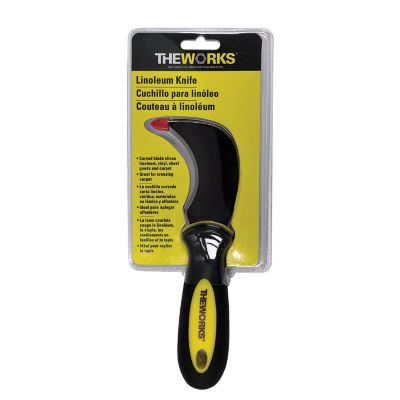
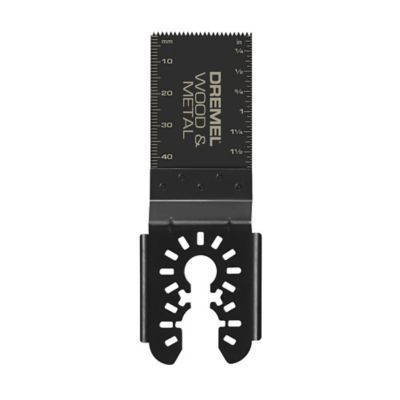
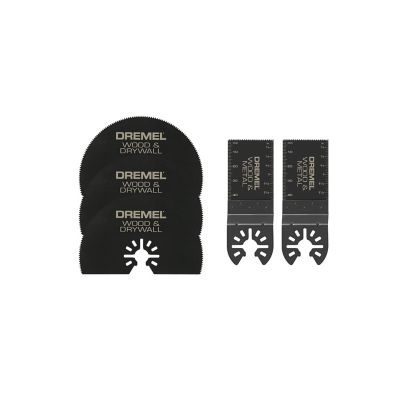
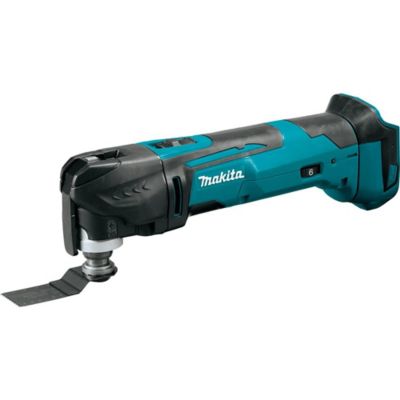
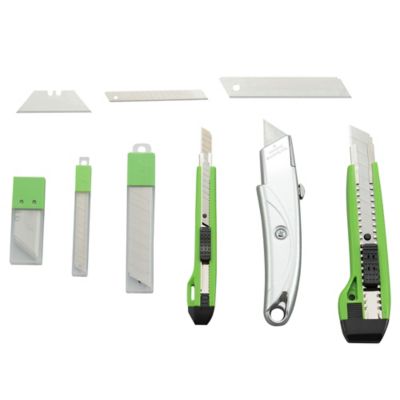
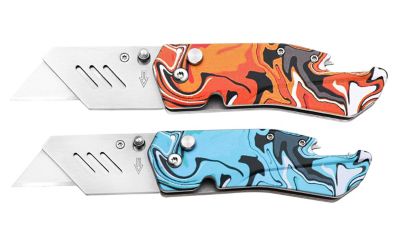
Flooring installation tools help with the measuring, cutting, fitting and fastening that turn separate boards or tiles into a finished floor. The right mix depends on the flooring material, its attachment method and the space where the work takes place. Laminate and click-lock vinyl plank typically call for tapping blocks, pull bars, spacers and suitable cutting tools, while hardwood and tile bring different fastening or adhesive requirements. For a farmhouse kitchen, a mudroom or an office off the shop, matching the tools to the flooring helps protect edges and keep joints fitting as intended. Tapping blocks spread force across a plank edge instead of concentrating it on a locking tab, but their profile needs to suit the flooring manufacturer’s directions. A pull bar reaches the ends of boards near walls and other tight spots where a block will not fit. Spacers help maintain the perimeter clearance specified for the floor; the required gap varies by material and installation system. Nonmarring mallets offer controlled tapping without putting a steel hammer face against the finished surface. Cutting tools deserve the same attention to compatibility. Some vinyl planks allow scoring and snapping, while other products call for a cutter or saw. Laminate cutters need sufficient capacity for the board’s width and thickness, and saw blades should match the material being cut. Fine-tooth blades can help limit chipping on suitable flooring, though the flooring and tool instructions determine blade choice and cutting direction. Jigsaws handle shaped cuts around obstructions, while oscillating tools can help with door-jamb clearance when the installation calls for it. A narrow hallway with several doorways brings different fitting demands than an open room with long, straight runs. Tool reach, cutting capacity and clearance around cabinets all matter when comparing flooring installation tools for either kind of job. A compact tool may fit a cramped corner better, while a larger cutting surface can better support wide planks.
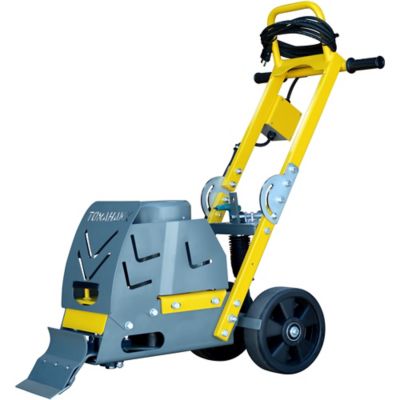
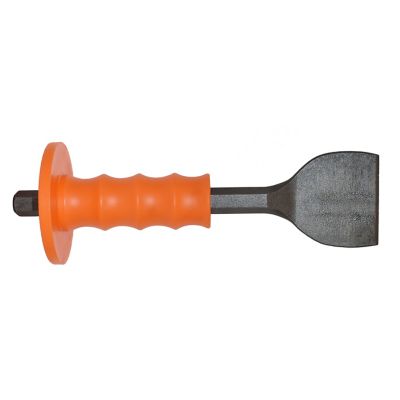
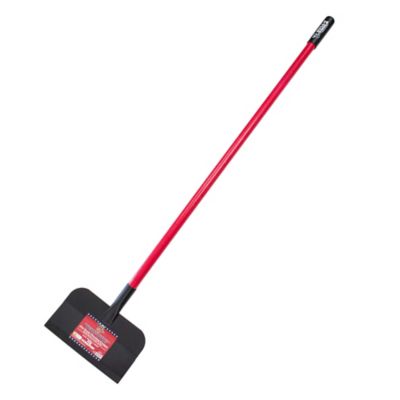
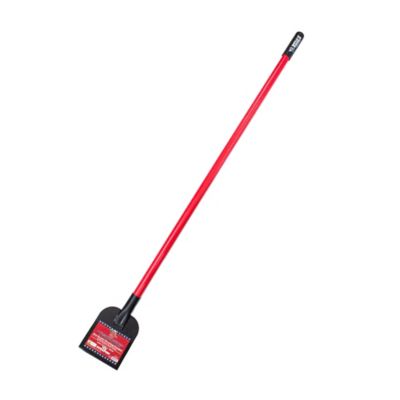
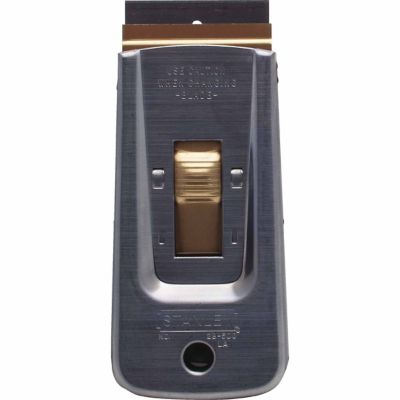
Subfloor preparation and adhesive work account for another important part of the flooring tool lineup. Even a neatly cut plank cannot make up for a raised seam, loose material or a low area beneath it. Straightedges help reveal surface variation, while levels check level where that matters; flatness and level are not the same thing, and flooring instructions set the acceptable tolerances. Scrapers and suitable removal tools help clear old adhesive residue or loose material when the existing surface is safe to disturb. Older flooring and adhesives can contain hazardous materials, so unidentified layers deserve professional assessment before scraping, sanding or demolition. Moisture-testing equipment also has a place in flooring work, with different methods for wood and concrete and acceptance limits set by the flooring and adhesive manufacturers. For glue-down flooring and tile,
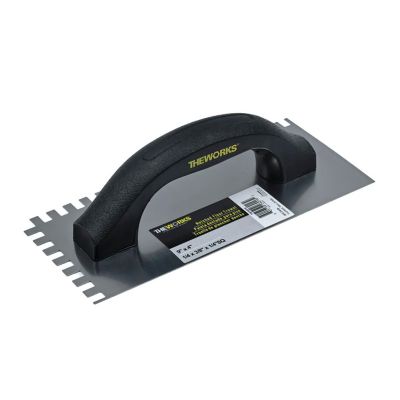
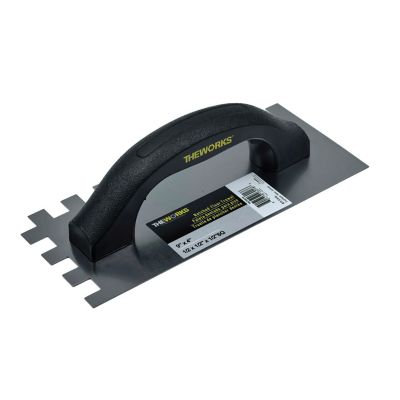
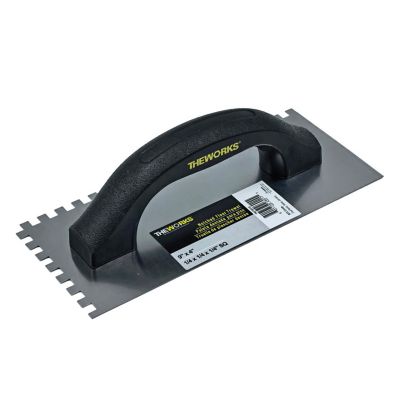
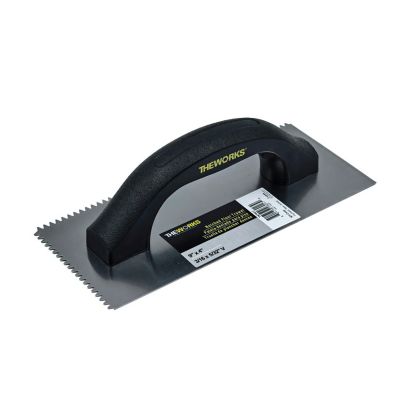
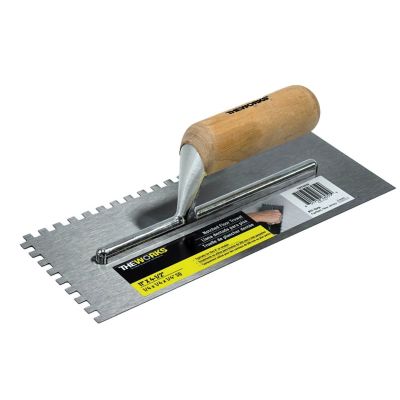
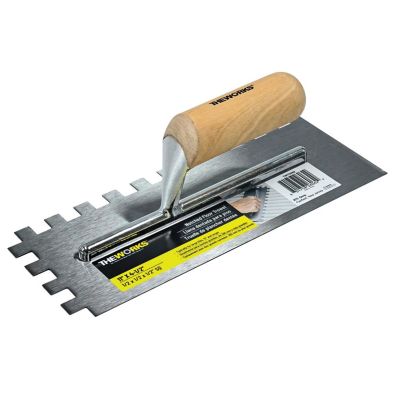
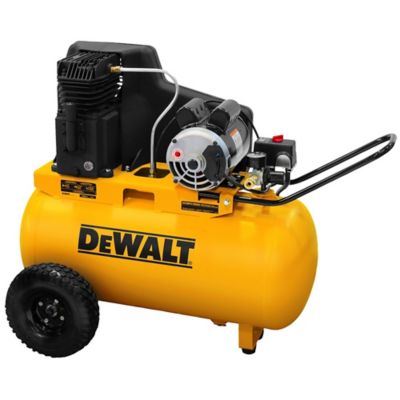
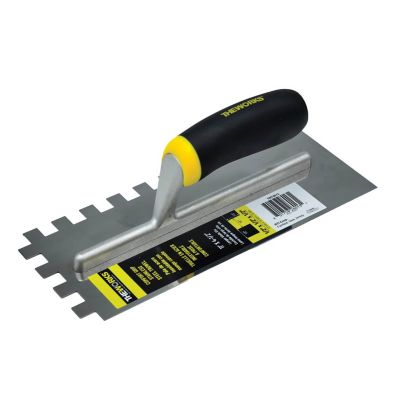
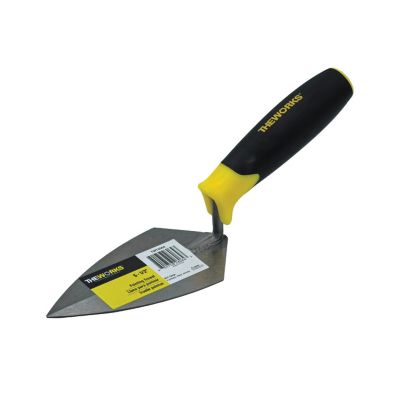
Floor Trowels spread adhesive or mortar in a controlled pattern. Notch shape, notch size and blade angle affect the amount of material deposited, so the right trowel depends on the adhesive, the flooring or tile, and the required coverage. A bigger notch is not automatically a better match. Steel blades provide a firm working edge, while stainless steel options resist rust when properly cleaned and stored. Handle shape and the clearance beneath it matter during long stretches of spreading material close to the floor. Tile work may also involve cutters, wet saws, spacers and grout floats, each serving a different part of the job. Cutter capacity should suit the tile’s dimensions and composition, particularly with large formats or hard porcelain. Tile spacing tools help establish consistent joints, but they do not replace the need for a properly prepared substrate. For nail-down wood flooring, flooring nailers and staplers must match the board profile, thickness and specified fastener. Pneumatic tools also need a compatible air supply. Engineered wood may allow more than one installation method, making the manufacturer’s requirements more useful than assumptions based on appearance alone.
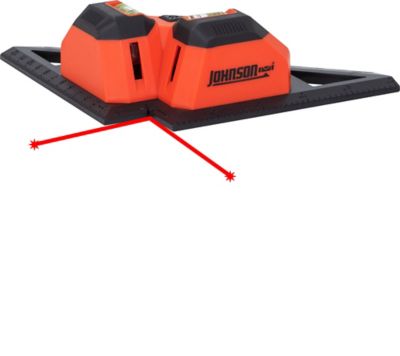
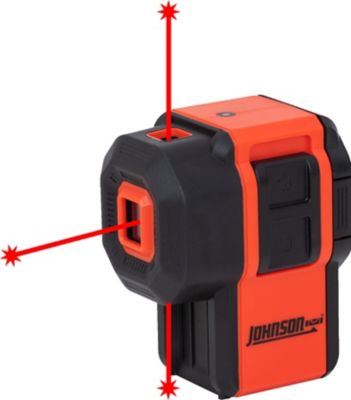
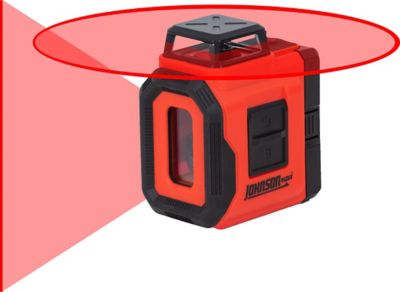
Comfort, control and upkeep matter whether the project belongs to a homeowner tackling one room, a property caretaker repairing a rental or a contractor working through several spaces. Tape measures, squares, straightedges and marking tools support repeatable measurements, especially where a wall wanders or a doorway interrupts a row. Contour gauges can transfer the outline of an irregular obstruction, though their depth and width need to suit the shape being traced. Clear markings and steady work support make a difference when several nearly identical pieces sit beside the cutting station. Knee pads help cushion extended kneeling, with broad contact surfaces and straps that stay in place without pinching behind the leg. Hard outer caps may slide more easily on some surfaces, while softer contact materials may be better suited to protecting a finished floor; clean contact surfaces matter with either style. Handles should allow a secure grip without forcing the wrist into an awkward angle, and tool weight deserves consideration when work involves repeated reaching or carrying equipment between rooms. Eye protection, hearing protection and dust control belong alongside cutting equipment, with respiratory protection selected for the material and exposure involved. Cutting tile or concrete-containing material can create silica dust, so compatible water delivery or dust collection is more than a housekeeping concern. For tool care, dried mortar on a trowel, grit on a tapping block or residue on a cutter can interfere with the next job. Cleaning according to the tool maker’s directions, drying metal parts and protecting cutting edges help keep equipment ready for another room. Replaceable blades, serviceable components and cases that separate sharp edges from measuring tools can also be worth considering. A well-matched set of flooring tools covers the tasks the floor actually requires without filling the work area with equipment meant for a different installation system. That leaves more room to handle boards, support cuts and work comfortably around the doorway, closet or last tight row along the wall.