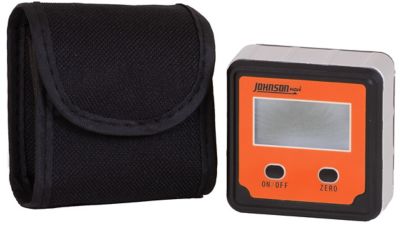
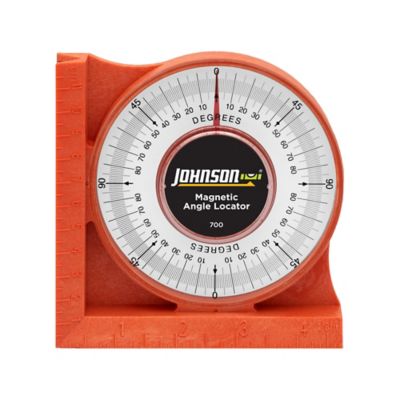
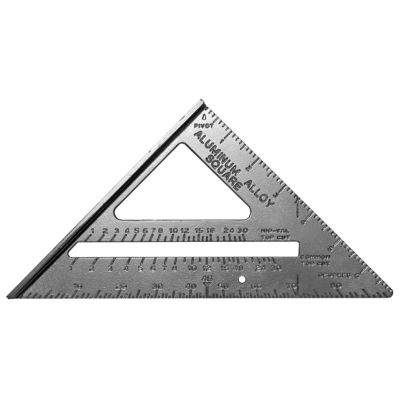
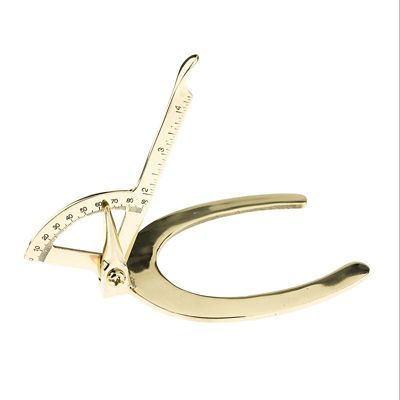
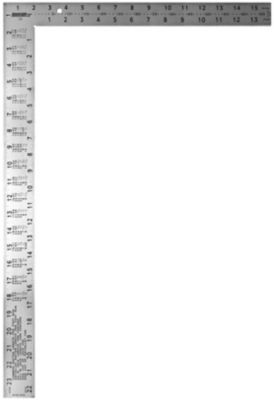
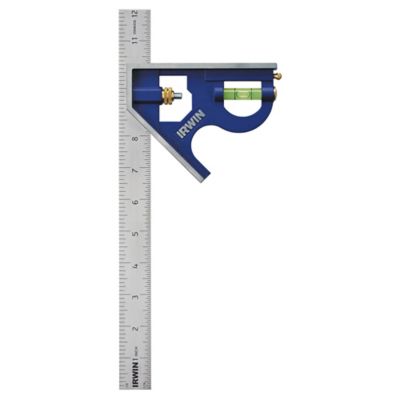
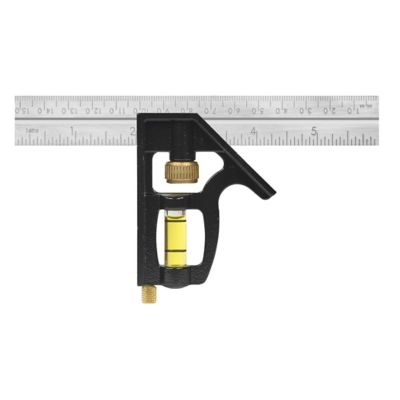
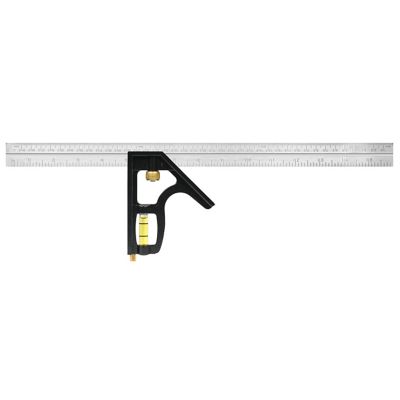
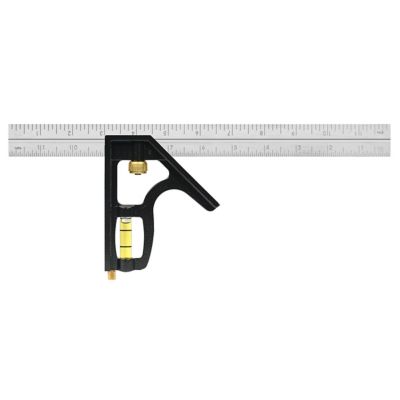
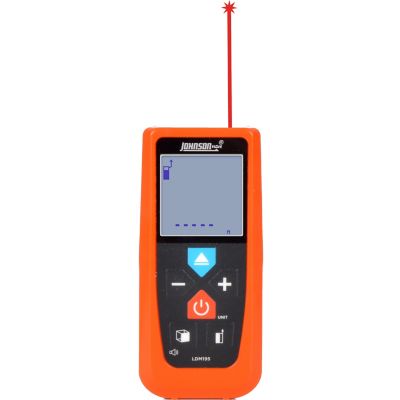
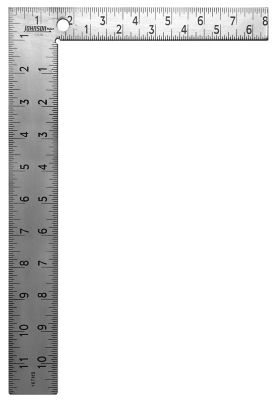
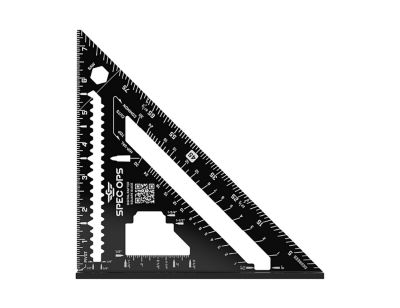
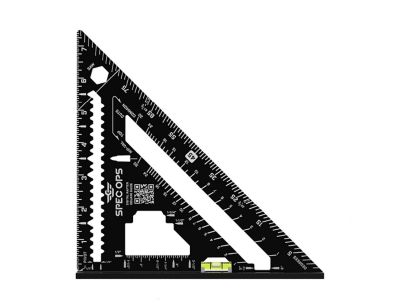
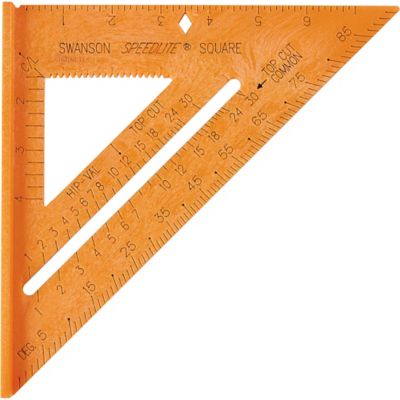
Tools for measuring angles help measure, check, copy, and lay out the relationship between two surfaces or the tilt of a surface against a reference. They belong on the bench for woodworking, carpentry, metalworking, and plenty of farm-shop repairs where a close-fitting joint matters. A gate frame that needs to sit square, a shelf bracket with an angled brace, and trim meeting at an uneven corner all call for more than a quick look and a pencil mark. Different tool styles handle those jobs in different ways. A manual protractor pairs a marked degree scale with an edge or movable arm, making it useful for reading angles on boards, sheet material, and drawings. Pivoting angle finders bring two arms against adjoining surfaces to capture the angle between them. Digital versions display a numerical reading, and some include a hold function that keeps the number visible after the tool comes away from a tight corner. Measuring ranges vary by design, with some tools covering 180 degrees and others allowing a full 360-degree rotation. Compact digital angle gauges, also called angle cubes or inclinometers, measure surface tilt rather than the opening between two arms. Depending on the design, they can reference level or establish a relative zero from another surface, which is handy when comparing a saw table with its blade. A sliding T-bevel serves a different purpose: its adjustable blade copies an existing angle and transfers that shape to another piece without necessarily providing a degree reading. That distinction matters when choosing between a tool for recording numbers and one for matching an existing joint. Bubble levels with fixed angle vials check designated positions, while adjustable angle vials offer another way to compare slopes. The right style depends on whether the job calls for checking square, finding an unknown angle, matching a corner, or setting the tilt of a cutting surface.
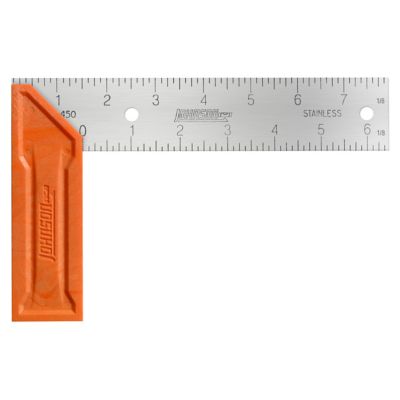
The way a measuring tool fits the work can matter as much as the display or scale. Longer arms reach across broad boards and give more contact along a frame, while shorter bodies fit between brackets, inside cabinets, and around closely spaced parts. A slim blade can reach an inside corner that a thick housing cannot. Broad, flat contact surfaces help a gauge sit steadily, and a firm pivot lock helps an adjustable arm keep its position while moving from the workpiece to the bench. For anyone fitting trim in an older farmhouse, walls that look square may tell a different story once both arms touch the corner. A clear reading can help with planning the joint, but the measured corner angle is not automatically the setting required on a miter saw. Inside and outside angles, the saw’s scale, and the joint layout all affect that relationship. Compound joints involve more than one cutting angle, so a basic angle reading alone does not settle every setup. Around the shop, magnetic bases can help hold compatible gauges against ferrous metal surfaces, such as certain saw blades, steel brackets, or square tubing. Magnets do not grip wood or every type of metal, making base design an important consideration for the intended work. Aluminum bodies offer a lighter feel for carrying between the barn and the bench, while stainless steel blades provide firm edges for layout and resist corrosion. Molded housings can make compact electronic gauges easier to handle, though the contact surfaces still need protection from knocks. Etched markings, readable degree graduations, and good contrast make manual scales easier to check under shop lighting. With digital tools, useful features may include a rotating display, a reading hold, clear battery indicators, and controls that are manageable with work gloves. Display resolution describes the smallest increment shown; it does not, by itself, establish how closely a tool measures. Stated measurement tolerances and repeatable readings give a better basis for comparing performance.
A good match also depends on how often the tool travels and what happens around it. Someone building furniture at a bench may favor long reference edges and a smooth locking blade, while a fencing contractor or farm maintenance worker may lean toward a compact body that rides easily in a tool pouch. A homeowner replacing baseboards might need a tool that captures an awkward room corner, while a metalworker may care more about a magnetic base and clear readings on a tilted surface. These are practical gifts for woodworkers, mechanics, and folks setting up a home shop, especially when the measuring style matches the work they already enjoy. Angle measurement also fits alongside other layout tasks.
Leveling Tools help check horizontal and vertical alignment, while angle-measuring tools handle degrees, slopes, and relationships between surfaces. Neither replaces a straight reference edge or careful layout marks. Sawdust under a gauge, a burr on a steel bracket, or dried glue along a board edge can keep the tool from seating flat and throw off a reading. Clean contact faces and an undamaged pivot help preserve consistent results, especially when moving between rough repair work and finish carpentry. Care needs vary with the materials and electronics: metal blades benefit from being wiped clean and dry, pivot joints need freedom from packed debris, and digital housings need cleaning methods suited to their construction. A padded case or a separate pocket keeps measuring edges away from loose fasteners and prevents other tools from pressing against a display. Battery type, replacement access, and automatic shutoff are worth considering for electronic models that spend stretches in a toolbox. Clear scales, comfortable handling, a secure lock, and a size suited to the task all contribute to a tool that earns its place on the bench. From fitting a diagonal brace to checking a blade setting, the most useful choice is the one that makes the measurement easy to read, repeat, and carry over to the work.