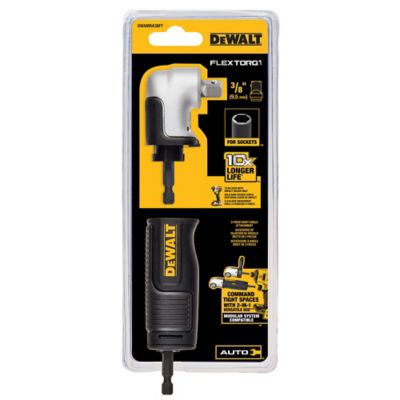
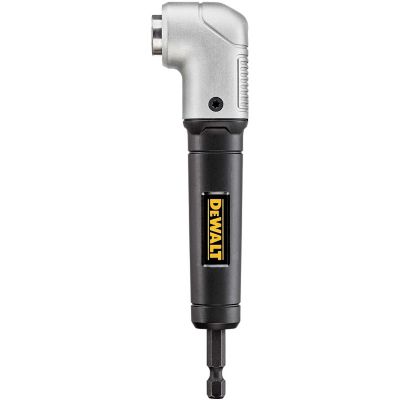
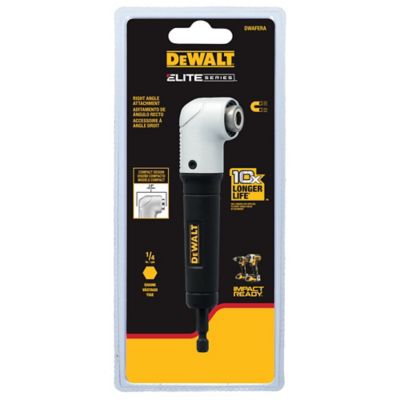
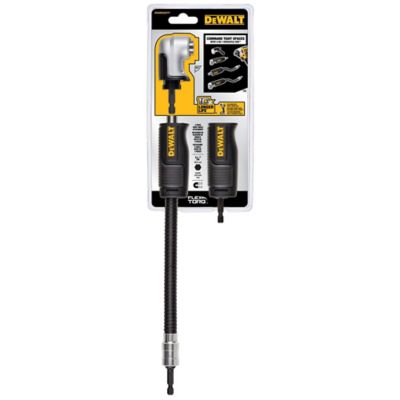
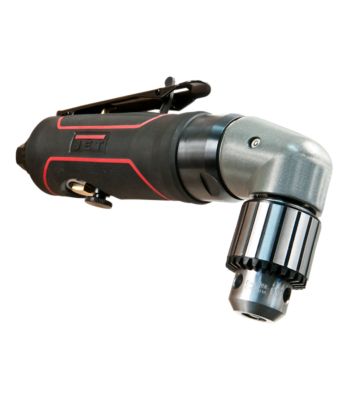
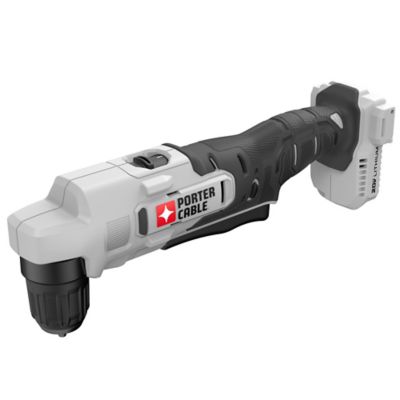
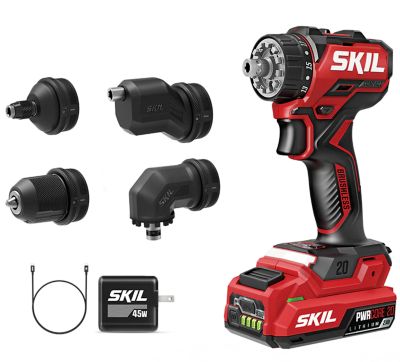
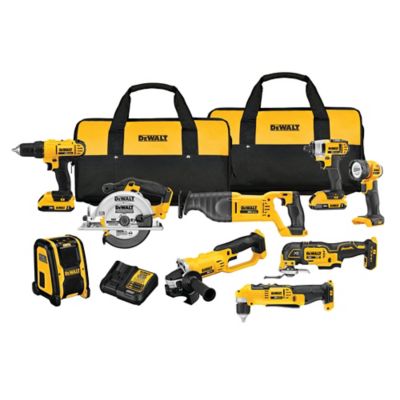
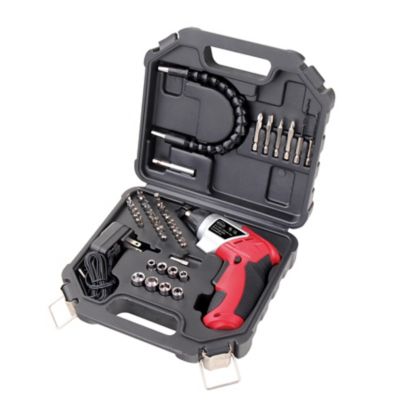
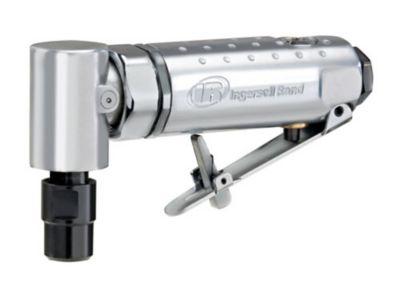
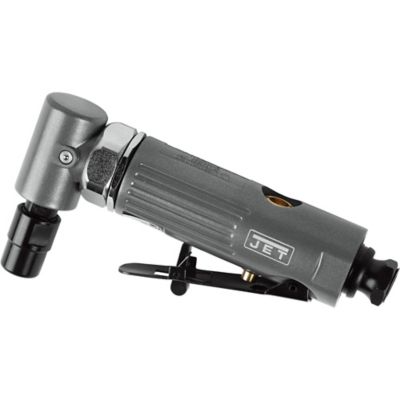
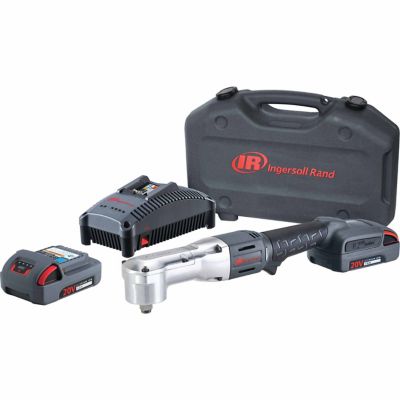
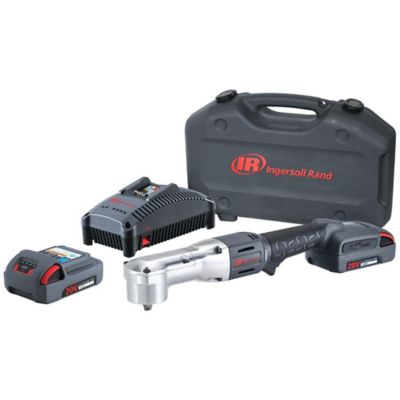
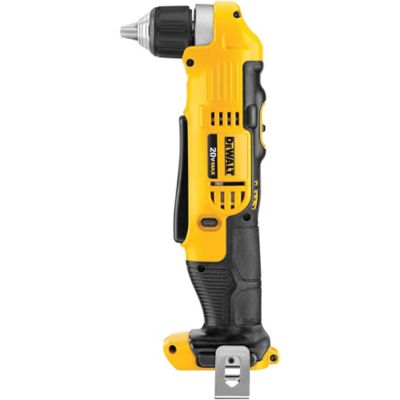
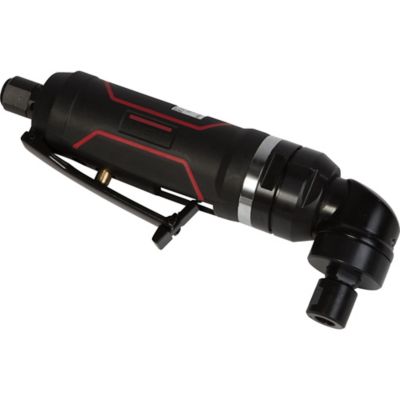
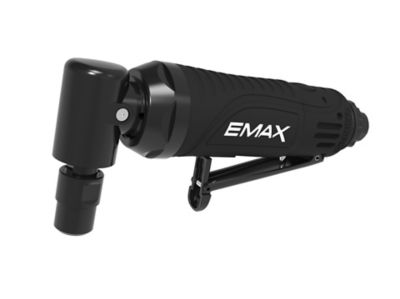
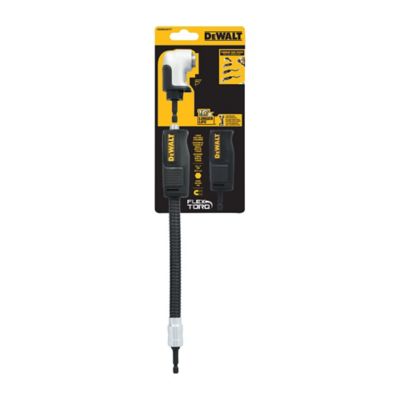
Right angle drivers are handy power tools built for the spots where a standard drill or impact driver simply will not fit. With the drive head set at 90 degrees to the motor, they can reach into cabinet corners, between floor joists, along wall framing, under equipment, and behind pipes or other obstructions. A low-profile head makes a real difference when you are working in a narrow gap, while a compact body helps you keep the tool steady when your hands are pressed close to the work. These tools are useful for driving screws, tightening fasteners, and drilling holes in hard-to-reach areas during remodeling, maintenance, electrical work, plumbing, cabinetry, automotive repairs, and farm projects. A dedicated right angle drill or driver is made specifically for this kind of work and may offer a built-in clutch, multiple speed settings, a stronger gear case, and a cordless motor for moving freely around a shop, barn, home, or jobsite. Corded models can be a dependable choice when you have a nearby outlet and expect to work for long stretches without stopping to change batteries. Attachments and adapters offer another practical route, converting a compatible drill or impact driver into a 90-degree tool for occasional corner work. They are often easy to keep in a toolbox, though every attachment has a rated torque limit, so match it to the job instead of forcing it through heavy-duty fastening.
When comparing right angle drivers, start with the space you need to enter. The front-to-back depth of the head can determine whether the tool slips between studs, fits inside a cabinet, or reaches a fastener tucked behind a frame. Check the chuck and drive style as well. A 1/4-inch hex quick-change chuck is convenient for driver bits and common fastening tasks, while a 3/8-inch chuck may offer more flexibility for drill bits and general hole-making. If you already own a cordless tool system, staying with the same battery platform can help simplify charging and keep spare batteries working across several tools. Look at the tool’s speed range and torque rating, but remember that more power is not always better for delicate work. A clutch or adjustable setting helps prevent stripped screw heads, damaged hardware, and overdriven fasteners in softer wood. For framing, decking, equipment repair, and other demanding jobs, a sturdy metal gearcase and a motor designed for higher torque may be worth the investment. For light assembly or the occasional tight corner, a smaller driver or adapter may be easier to handle and store. Built-in LED lights are especially helpful in shadowed spaces, such as the back of a vanity, the underside of a trailer, or a dim pocket between rafters. A comfortable grip, balanced weight, forward and reverse controls that are easy to reach, and a trigger that allows steady speed control can make a long repair much less tiring.
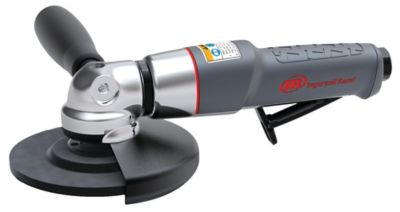
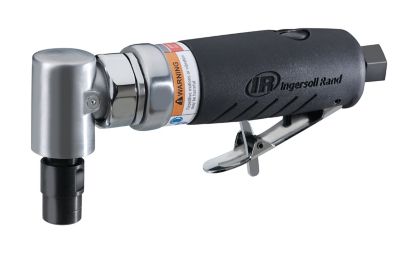
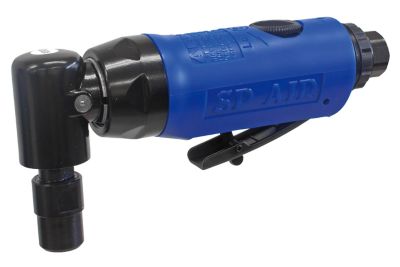
Right angle drivers earn their keep in all kinds of hands-on work. A cabinet installer may use one to fasten hinges and drawer hardware without removing surrounding panels. A maintenance worker can reach fasteners inside machinery or around a motor housing, while an electrician or plumber may use one to drill through framing from a narrow access point. On the farm, a compact 90-degree driver can be useful for repairing gates, feeders, panels, stalls, trailers, and equipment where a full-size drill bumps against nearby metal or lumber. Homeowners often appreciate one during cooler-weather repair projects, when a quick fix in a garage, shed, or utility room saves a trip to the shop. These tools can also make thoughtful gifts for a handy family member, new homeowner, contractor, mechanic, or do-it-yourselfer who already has a basic drill but needs better access in cramped spaces. Keep bits sharp and properly seated, use the right bit for the fastener, and avoid leaning hard on an attachment beyond its stated capacity. Let the tool do the work, especially when drilling metal or driving long screws, and wear eye protection when chips, dust, or overhead debris may be present. For jobs that call for abrasive cutting, polishing, or detailed metal finishing rather than drilling or fastening, a
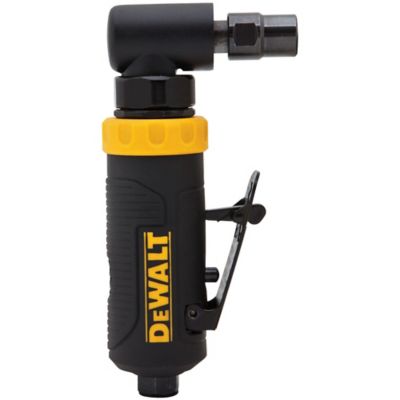
Right Angle Die Grinders page can help you find a tool suited to that different type of work. With the right head profile, drive system, torque range, and accessories, a right angle driver can turn an awkward repair into a clean, controlled job.