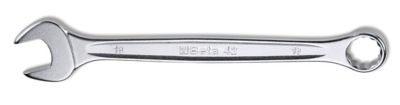
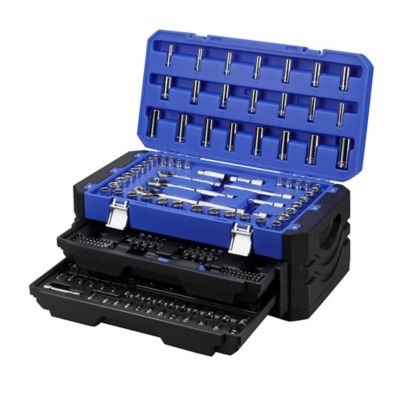
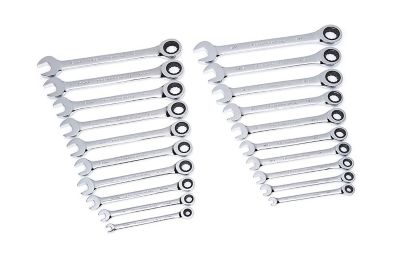
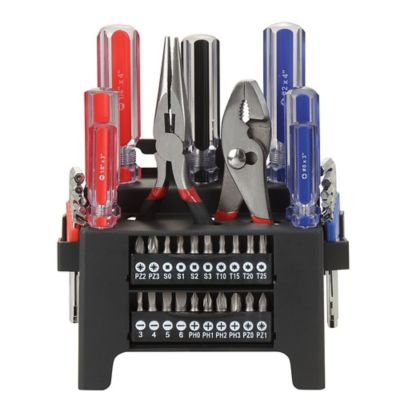
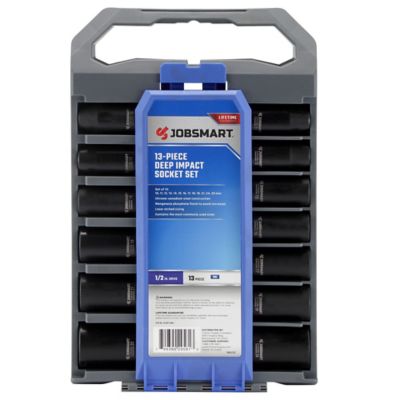
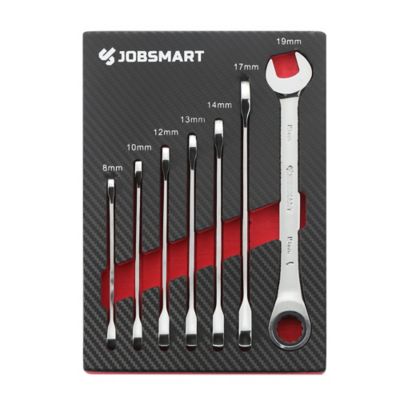
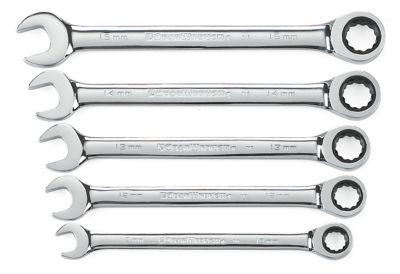
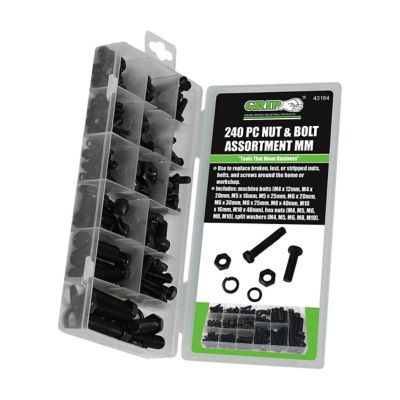
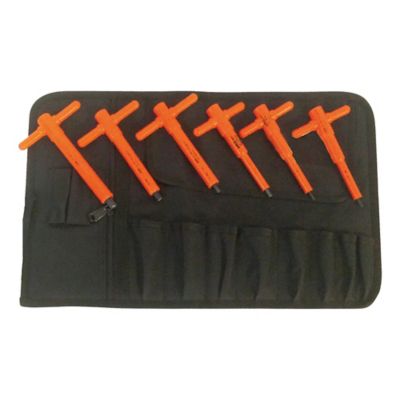
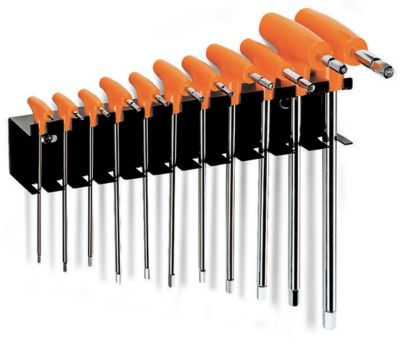
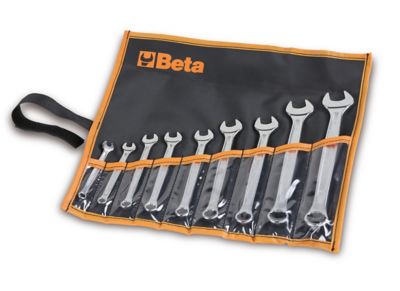
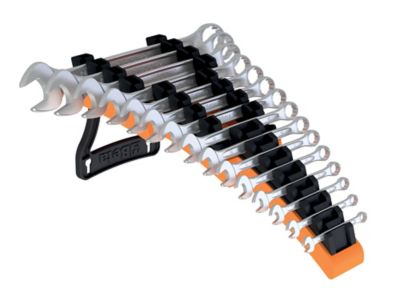
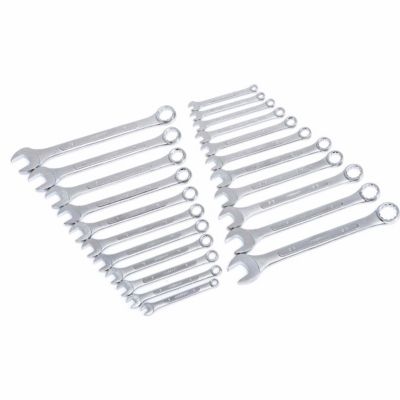
Metric tools are built around the millimeter-based system used on much of the world’s equipment, vehicles, machinery and hardware. Instead of inch measurements found on SAE tools, metric tools are sized in millimeters, with common wrench and socket sizes often ranging from 8 mm through 19 mm for everyday repair work. You’ll also see metric measurements on hex keys, screwdrivers, pliers, measuring tools and fasteners. A bolt marked M6 x 1.0, for example, has a 6 mm diameter and a thread pitch of 1.0 mm. That extra information matters when replacing hardware, since the diameter alone does not tell you whether the threads will match. Metric tools are especially handy around imported cars and trucks, motorcycles, bicycles, small engines, tractors, implements, appliances and equipment made with international parts. They also come in handy for furniture assembly, shop projects and repairs around the house, where a mix of metric and SAE hardware may turn up in the same toolbox. Matching the tool to the fastener helps prevent rounded corners, damaged threads and the kind of stubborn repair that turns a quick fix into an all-afternoon job. Keeping the right size close at hand makes a difference when you’re working in a cramped engine bay, reaching beneath a mower deck or making a repair before the weather rolls in.
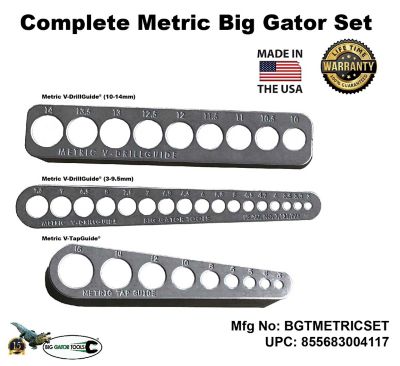
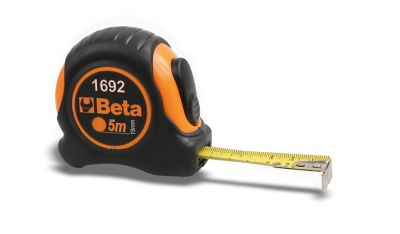
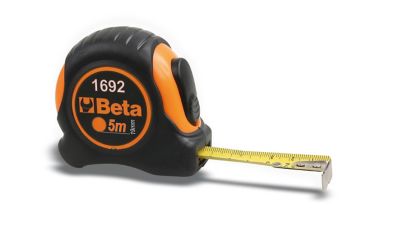
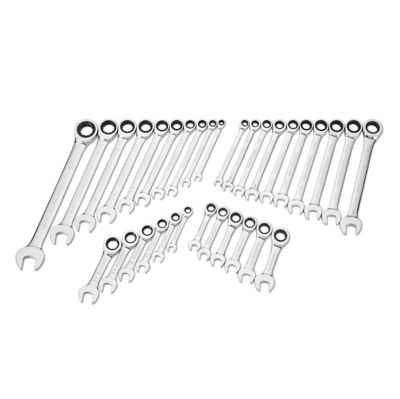
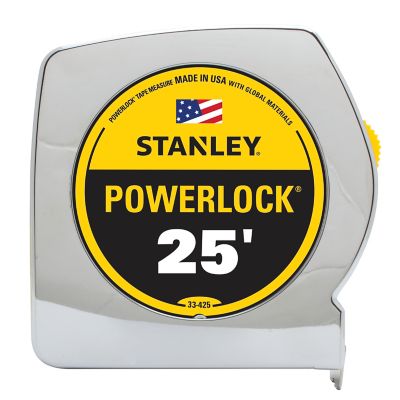
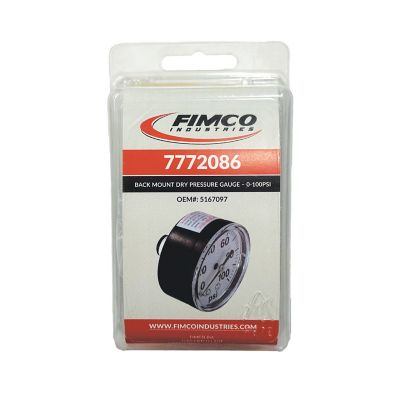
When choosing metric tools, start with the work you expect to do most often. A basic assortment of commonly used sizes is a practical choice for general maintenance, while a broader selection can be worthwhile for automotive work, equipment repair or a busy home shop. Look for clear size markings that are easy to read, even when the tool is covered with a little grease or shop dust. A snug fit is more important than having the biggest collection in the drawer. The correct socket or wrench should sit squarely on the fastener without rocking, and a six-point design can provide a firm grip on stubborn nuts and bolts. For tight spaces, consider tools with a slim profile, different handle lengths or a ratcheting mechanism that lets you work without swinging through a wide arc. Durable construction and a comfortable grip are valuable when a job takes longer than planned, especially during cooler weather when cold hands and stiff fingers make fine work harder. If your projects involve checking dimensions, choosing hardware or setting parts in place, measuring tools that read in millimeters or centimeters can help with accurate layout and fit. Calipers, micrometers and laser distance measures are useful for different kinds of jobs, from checking a shaft or washer to measuring a wall, workbench or storage area. For more options used to check dimensions and clearances, browse
Gauge Tools. It is also worth keeping metric and SAE tools separate or clearly marked. Similar-looking sizes are not interchangeable, and forcing an inch-sized tool onto a metric fastener can round the corners before you realize the fit is wrong.
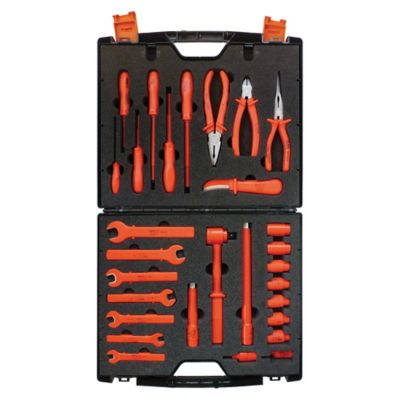
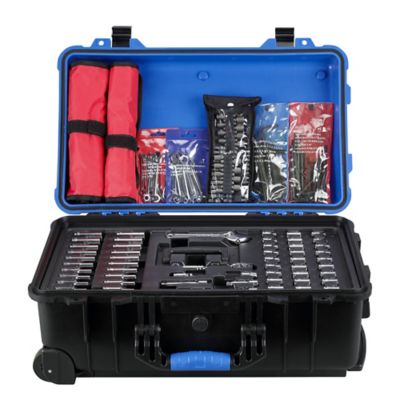
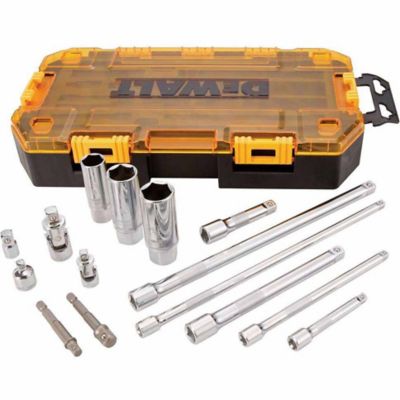
Metric tools suit a wide range of people, from a first-time homeowner putting together a workbench to an experienced mechanic keeping a vehicle or piece of farm equipment in good shape. Gardeners and property owners may reach for them while maintaining a mower, pressure washer, tiller or utility trailer. Bicycle riders, hobbyists, woodworkers, makers and small-engine enthusiasts often need metric sizes for adjustments and repairs, too. They can make a useful gift for someone setting up a first toolbox, moving into a new home or spending more time in the garage during the cooler months. A well-chosen set is practical without being overly personal, and it gives the recipient something they can use for years instead of a novelty that ends up in a drawer. For gift giving or everyday use, pay attention to storage as well as the tools themselves. A sturdy case, labeled slots or an organized tray makes it easier to spot a missing size and keeps tools from sliding around in a truck, toolbox or shop cabinet. Before buying, take stock of the equipment already on hand and check whether the manuals call for metric sizes, SAE sizes or both. If you work on several types of equipment, a combination of systems may save time and prevent a trip back to the store. Wipe tools clean after use, keep them dry and use the proper size rather than adding a pipe for extra leverage. Those simple habits protect the tool, the fastener and your knuckles, whether you’re making a quick adjustment by the barn or tackling a careful repair at the workbench.