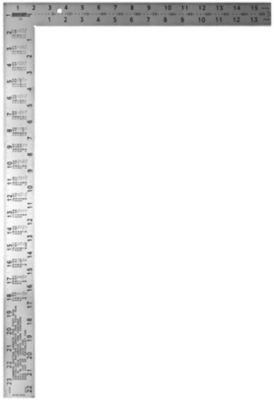
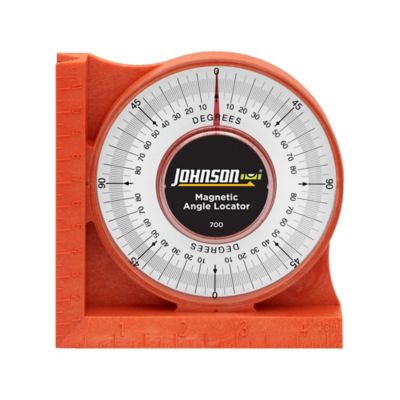
Right angle tools help make accurate work easier, whether you are laying out a fence gate, building a workbench, setting up a saw, repairing equipment, or fitting materials in a tight corner. In many cases, the term refers to a square or angle-finding tool used to draw, measure, or verify a 90-degree corner. A carpenter’s or framing square has a broad L-shaped design that is useful for marking lumber, checking corners, laying out stair parts, and working with larger boards or sheet goods. Its long legs give you plenty of reach along the edge of a board, while the shorter leg helps establish a dependable right angle for cutting or assembly. A compact try square, machinist square, or engineer square is better suited to smaller, more precise jobs where a solid reference edge matters. These block-style squares are commonly used in woodworking, metalworking, cabinetry, fabrication, and tool setup, especially when even a small error can leave a drawer sitting crooked or a joint showing an uneven gap. Digital angle gauges offer another way to check alignment. Many use a magnetic base to hold against a saw blade, metal surface, table, or other ferrous material, then display the angle on an easy-to-read screen. They can help verify that a blade is set at 90 degrees, check a bevel, or compare two surfaces during installation and repair. For a broader look at tools that help with layout and angle checks, visit
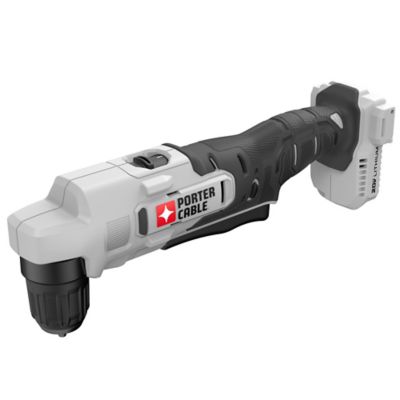
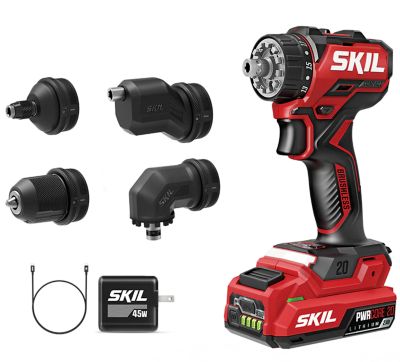
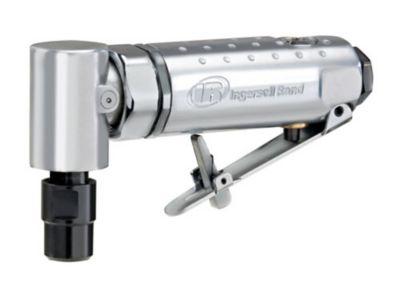
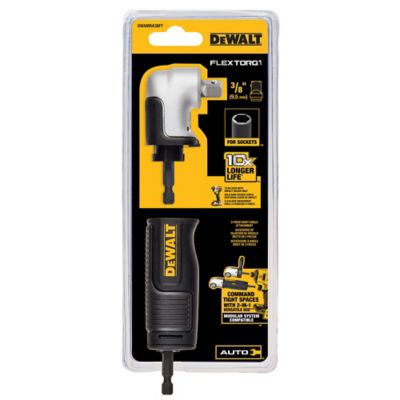
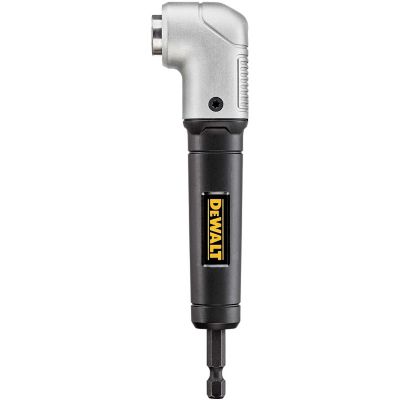
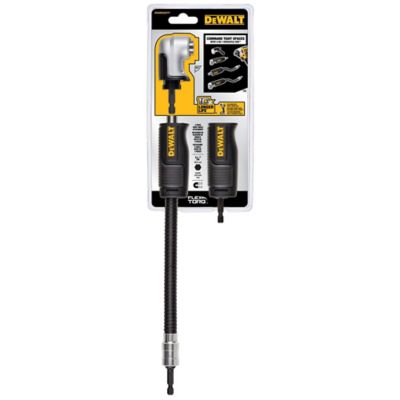
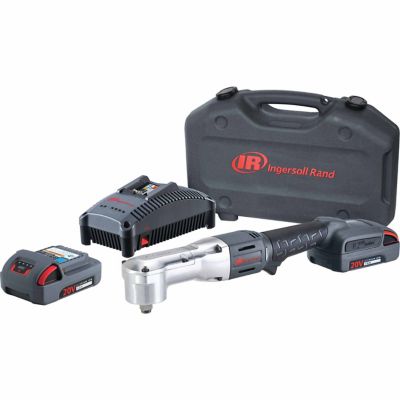
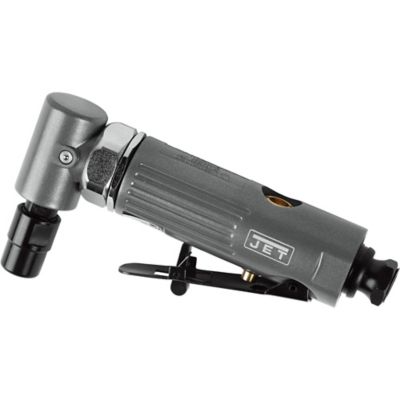
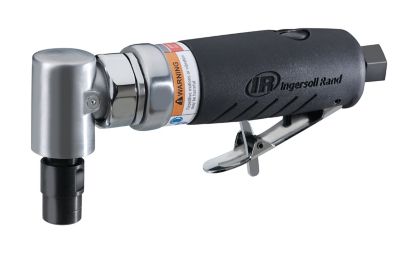
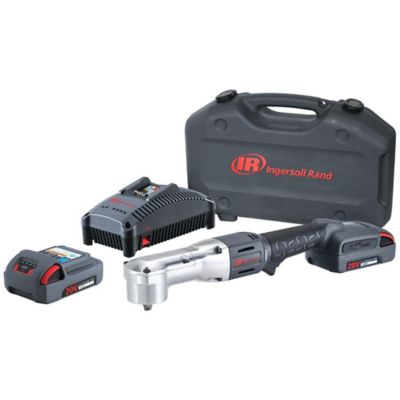
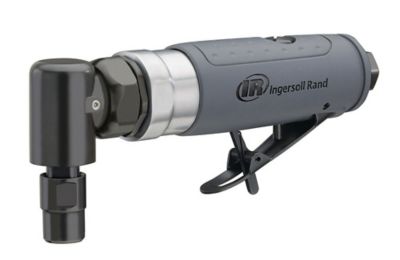
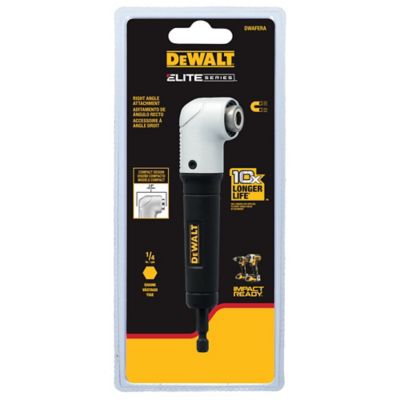
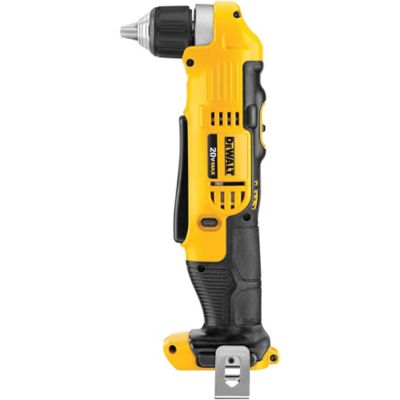
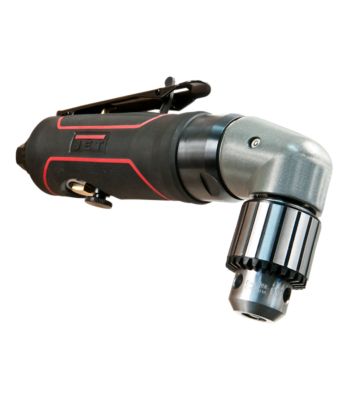
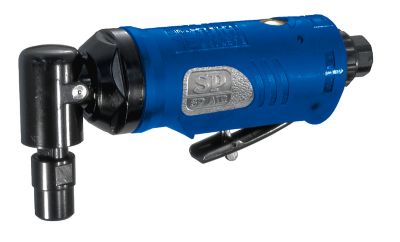
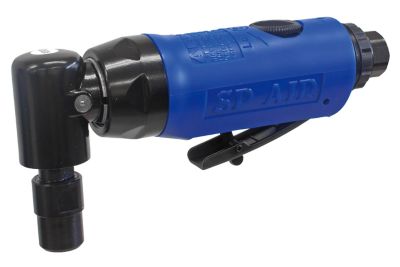
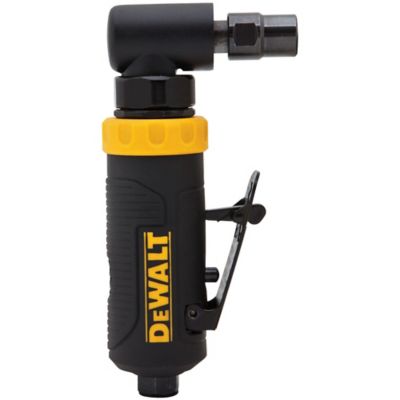
Tools for Measuring Angles. When choosing among these styles, think about the size and material of your work, the level of precision you need, and whether the tool will live in a shop, truck box, tool chest, or barn cabinet. A larger square is handy for framing and rough construction, while a smaller metal square is easier to carry and better for fine joinery. Look for clear markings that will remain readable after regular handling, a straight reference edge, and construction that feels sturdy without being awkward to hold. If you work outdoors, durable materials and corrosion-resistant finishes are worth considering, particularly where tools may see sawdust, damp lumber, soil, or changing temperatures. For digital models, pay attention to display visibility, magnetic hold, battery access, and whether the readout can be zeroed on an uneven starting surface. A right angle drill or right angle impact tool is a different type of product, designed with a 90-degree head so the user can drill, drive, or fasten where a straight tool will not fit. These are useful between studs, joists, rafters, cabinets, machinery, and other crowded spaces. Check the tool’s head profile, chuck or drive size, speed, torque, and overall length against the jobs you expect to handle.
The best right angle tool is the one that matches the way you work. A farmer repairing a gate or building a livestock shelter may appreciate a large, easy-to-read square for marking posts, rails, and braces before making a cut. A fence installer can use one to keep corners true and help confirm that brackets or hardware sit where they should. For a homeowner, a dependable square can come in handy for hanging shelves, assembling storage projects, replacing trim, setting deck boards, or making sure a new work surface meets its adjoining edge cleanly. Woodworkers often keep more than one size close by: a larger square for breaking down stock and a compact square for checking cabinet parts, box joints, and smaller assemblies. Mechanics and equipment owners may lean toward a right angle drill or impact tool when access is limited around an engine bay, frame, implement, or machine housing. During the warmer stretch of outdoor building and repair work, these tools can save time by helping you mark once and cut with confidence, rather than making repeated adjustments after parts are already fastened. They remain just as useful during cooler months when shop projects move indoors and people tackle shelving, furniture repairs, holiday storage builds, or maintenance before winter weather settles in. Right angle tools also make practical gifts for a new homeowner, a student learning the trades, a handy family member, or anyone setting up a first workshop. A simple square is approachable for beginners, while a digital gauge or compact right angle power tool makes a thoughtful addition to an experienced DIYer’s tool collection. Before purchasing, consider whether measurements need to be read in inches, metric units, or both; whether the tool needs to fit into a pocket or can stay on a workbench; and whether you will use it for rough layout, finish carpentry, precision machining, or fastening. Keep the tool clean and dry, wipe away pitch or metal filings after use, and store squares where their edges will not be knocked against heavy equipment. For digital tools, remove batteries if they will sit unused for a long stretch and check calibration before an especially important job. A square can be tested against a known straight edge by marking one line, flipping the tool, and checking whether the second line meets the first without a gap. Taking a moment to check your tool is a small habit that helps prevent crooked cuts, misaligned hardware, and wasted material. With the right combination of size, accuracy, visibility, and reach, right angle tools bring a steady reference to everyday work around the farm, home, garage, and shop.