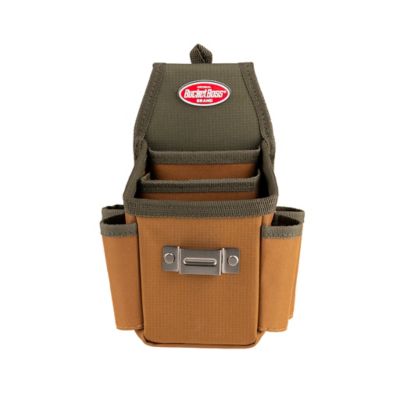
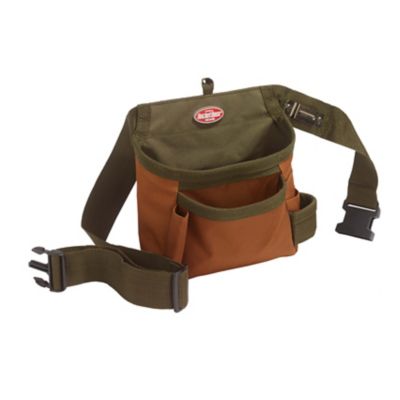
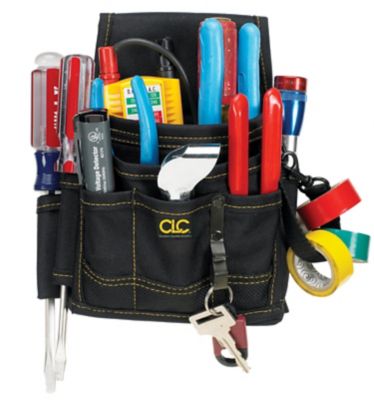
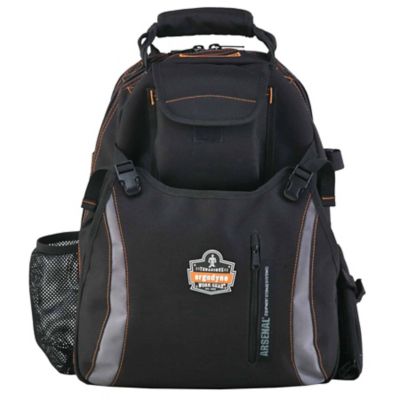
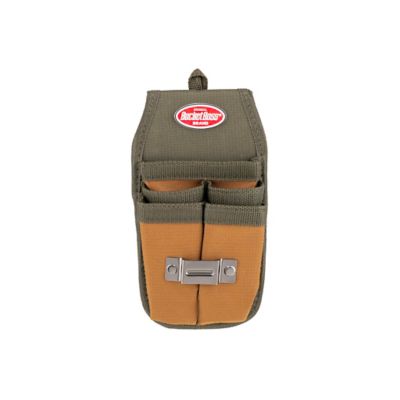
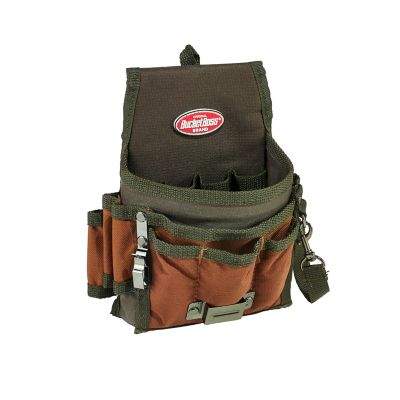
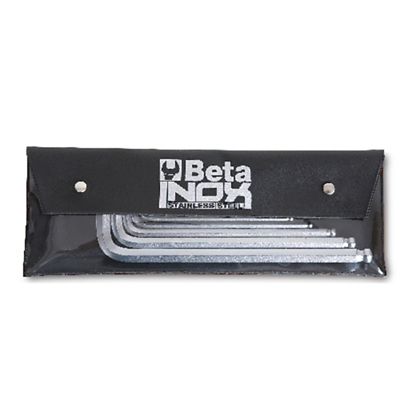
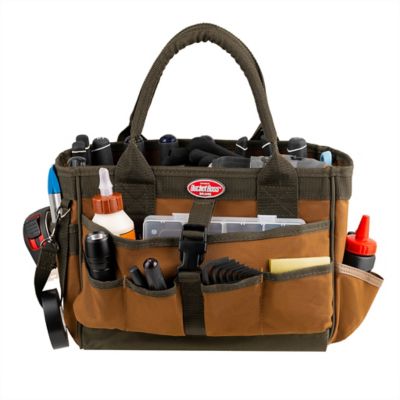
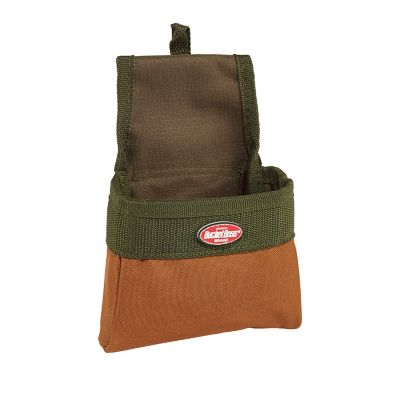
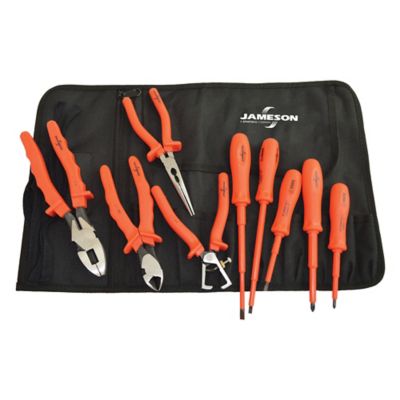
Tool pouches keep the tools you reach for most close at hand, whether you are repairing a gate, hanging a light, checking fence lines or finishing a project in the shop. Instead of walking back and forth to a toolbox, you can carry the basics right on your belt and keep both hands available for the job. A good pouch can hold everyday hand tools, fasteners, measuring tools and small supplies without taking up much room, making it useful for homeowners, farmers, ranchers, maintenance crews, builders and weekend do-it-yourselfers alike. They also come in handy for seasonal work around the property. During the cooler months, you may be weatherproofing a shed, tightening hardware on equipment or making repairs before the ground freezes, and a pouch helps keep your setup simple when you are moving between the barn, truck and workbench. When choosing one, start with the kind of work you do most often. A compact pouch may be all you need for quick chores and light repairs, while a larger design with multiple compartments can make more sense for construction, installation work or jobs that call for several tools at once. Think about the tools you normally carry and look for a layout that gives each item a sensible place. Open pockets make frequently used tools easy to grab, while narrower slots help keep smaller items from sinking to the bottom. Loops, clips and fastener pockets can add useful storage, but too many compartments may make the pouch bulky, so the best choice is the one that matches your working habits rather than simply offering the most space.
Comfort and durability matter just as much as storage. A pouch that feels fine for ten minutes may become a nuisance after a full afternoon of fence work or repairs around the property. Look for a belt attachment that stays secure as you bend, climb or reach, along with a shape that sits close to your body instead of swinging into gates, ladders or machinery. Adjustable straps and sturdy loops can make it easier to get a comfortable fit over work pants, heavier clothing or coveralls during colder weather. Materials also play a big part in how a pouch handles daily use. Tough fabric can be a practical choice for general repairs and routine chores, while reinforced stitching, strong rivets and durable trim help a pouch stand up to sharp edges and repeated loading. If you work outdoors, consider how the material will handle dust, mud, rain and rough surfaces. A pouch that is easy to wipe clean may be especially helpful on a farm or jobsite, where a clean workbench is not always nearby. Pay attention to the opening and closure, too. Easy-access pockets are convenient when you are moving quickly, while secure flaps or fasteners help keep contents in place when climbing into a truck or crossing uneven ground. Weight is another consideration. Tools add up fast, and carrying more than you need can leave your hip and back tired before the work is done. Start with the essentials, then choose a pouch with just enough room to add a few helpful extras without turning it into a heavy load. For those who spend most of the day turning wrenches, checking machinery or servicing equipment, a dedicated
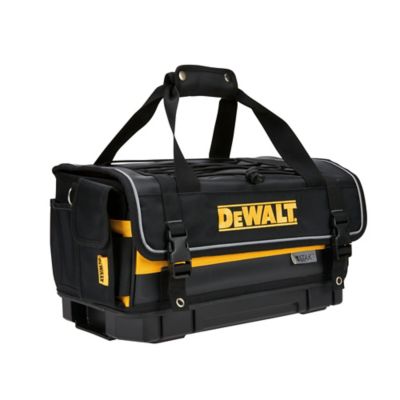
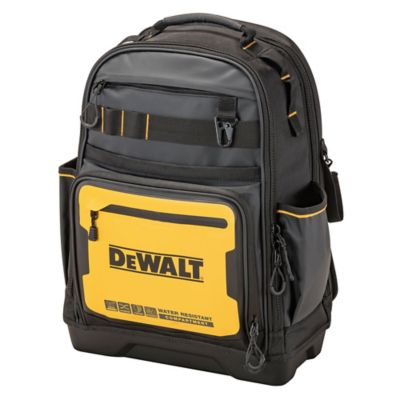
Tool Bags for Mechanics option may provide the broader organization and carrying capacity that a belt pouch cannot.
Tool pouches also make practical gifts for anyone who likes having the right tool within reach. They are a thoughtful choice for a new homeowner learning to handle basic repairs, a parent setting up a garage workspace, a tradesperson building out a daily kit or a farm kid taking on more responsibility around the place. Even someone who already owns plenty of tools may appreciate a better way to carry them from one task to the next. Before giving one as a gift, consider the recipient’s usual work. Someone who spends the day on ladders may prefer a low-profile pouch that stays out of the way, while a person who works at a bench or services equipment may want extra pockets for sorting several types of tools and hardware. A general-purpose design is useful for household projects, hanging pictures, assembling furniture and handling repairs in the garage. More rugged construction may be better suited to fencing, carpentry, livestock facilities or outdoor maintenance. It is also worth thinking about whether the pouch will be worn over a standard belt or needs its own belt system, since a secure fit makes a noticeable difference in comfort and safety. Keep tools arranged so the sharp or heavy items do not press against your leg, and avoid overloading any pocket beyond what it can comfortably support. A little organization goes a long way: keep the tools used together in nearby pockets, return them to the same places after each job and empty out loose screws, dirt and debris before storage. With that simple routine, a tool pouch can become part of the daily rhythm of work, riding along for quick fixes, larger projects and the small repairs that keep a home, farm or shop running smoothly through changing seasons.