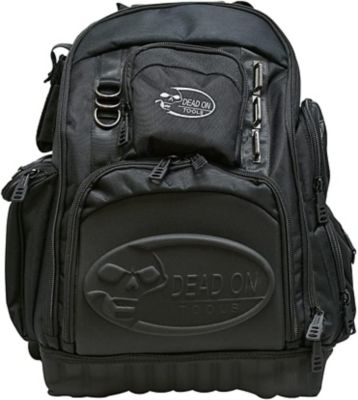
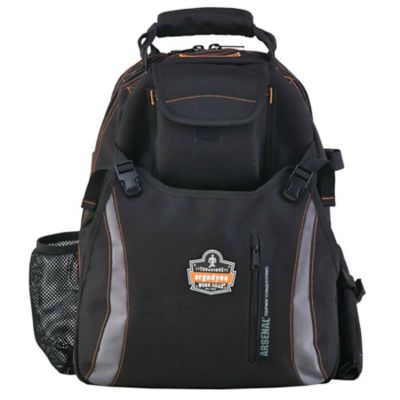
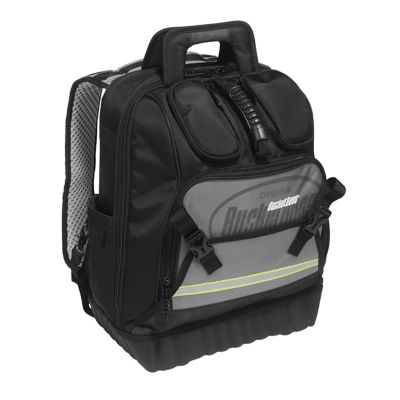
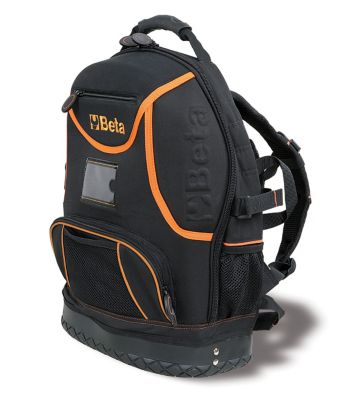
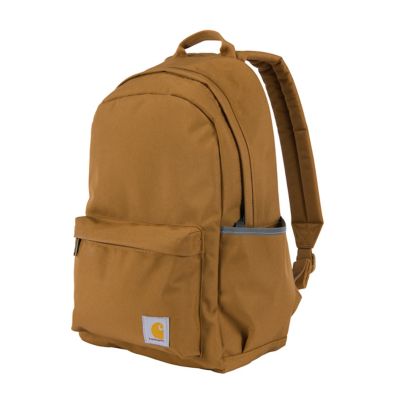
Tool backpacks carry hand tools, meters, and small job supplies in a shoulder-worn pack, leaving both hands free while walking between work areas. They suit jobs that take more than a few tools but do not call for hauling a full rolling chest from place to place. For an electrician heading into an outbuilding, a maintenance worker making rounds, or a property owner checking a stubborn gate latch, having the right gear on your back can mean fewer trips to the shop. Unlike an ordinary daypack, a tool backpack typically has pockets, sleeves, loops, or divided compartments meant to keep tools separated and easier to reach. Upright storage gives pliers and screwdrivers a place of their own instead of letting them settle into a pile at the bottom. Smaller pockets can hold pencils, bits, and other little necessities, while a larger section may have room for a drill or other compact equipment, depending on its dimensions. Pocket shape matters as much as pocket count: a narrow sleeve suits a screwdriver, but wide-handled pliers need more room. A pack with dozens of small openings will not necessarily suit someone carrying fewer, larger tools. Wide-opening compartments make it easier to see what is packed, and a light-colored lining can help a dark socket or bit stand out inside. Separate padded sections may provide space for a meter or electronic device, though padding alone does not make a compartment waterproof or electrically protective. Some layouts also include an outside tape-measure clip, a quick-access pocket, or a spot for a water bottle. Those details make the most sense when they match the workday rather than simply adding more storage. The goal is a manageable load with a clear place for the tools that earn their keep, whether the next stop is a repair call, a shop bench, or the far side of the property.
Materials and construction make a real difference when a tool backpack moves between a truck cab, a concrete floor, and a crowded work area. Woven polyester and nylon are common choices, often paired with reinforced panels where tools rub or the pack meets the ground. Fabric weight, stitching, and reinforcement all contribute to how a bag handles repeated carrying; a tough-looking outer shell is only part of the picture. Strap attachment points, pocket edges, zipper tracks, and the bottom panel take plenty of strain once tools are loaded. A molded base can help a pack hold its shape and provide a barrier between the fabric and a dirty floor, while a broad footprint may help it stand upright on a level surface. Whether it stays standing still depends on the load and how the weight is distributed. A softer base may fit more easily into a tight storage space, so the best construction depends on where the pack travels and where it rests between jobs. Water-resistant fabric can help with incidental moisture, but it does not mean every seam, zipper, or compartment will keep water out. Carrying comfort deserves the same attention as the shell. Padded shoulder straps spread contact across the shoulders, and adjustable straps help position the pack close to the body instead of letting it hang low and swing. A chest strap can limit shifting, while a supportive back panel can keep tool shapes from pressing directly against your back. On designs with a hip belt, the amount of support depends on the belt structure and the pack’s fit. Empty bag weight also counts, especially when the load includes steel hand tools and batteries. The stated capacity describes storage space, not necessarily a sensible carrying weight for every person. Keeping heavier tools close to the back and balancing the load from side to side can make a packed bag easier to manage. A sturdy grab handle is handy for short moves from the floor to a bench, but the backpack should still stay within its stated load limit.
A tool backpack works best when its layout matches the tools that actually leave the shop. Service technicians may value divided space for testing equipment and hand tools, while someone handling repairs around a barn may need room for fasteners, pliers, a flashlight, and a compact driver. Apprentices often benefit from a straightforward layout that makes missing tools easy to notice before heading home. For a practical gift, the recipient’s work matters more than the biggest pocket count: a pack sized around an established tool kit is more useful than one that adds weight and unused space. Tool length deserves attention, too, since a tall handle can interfere with a zipper even when the rest of the bag looks roomy. Sharp edges belong in suitable guards or holders so they do not cut pocket fabric or create a hazard when reaching inside. Small parts stay easier to sort in closed pouches or fitted compartments, rather than loose among larger tools. For work centered around one spot,
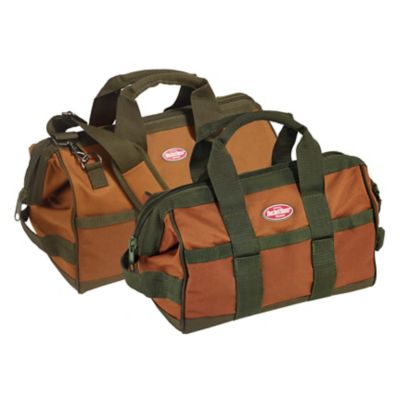
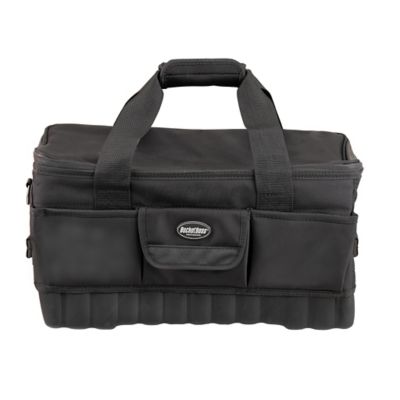
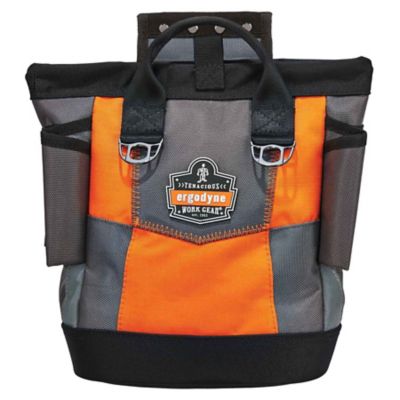
Bucket Tool Bags offer another approach to organizing tools around a bucket; a backpack puts more emphasis on carrying the load between locations. Either way, a little routine care helps preserve the fabric, hardware, and organization. Emptying out metal shavings and grit keeps debris from collecting along seams and zipper tracks. A soft brush or damp cloth may be enough for everyday dirt, with cleaning methods guided by the care label. Letting the bag dry completely before closing it up helps avoid trapping moisture against tools and lining. Checking loose stitching, worn straps, and damaged closures gives you a chance to address trouble before the next loaded trip. With sensible packing and regular care, a tool backpack can keep everyday gear together and ready for the next repair without turning every walk across the property into a balancing act.