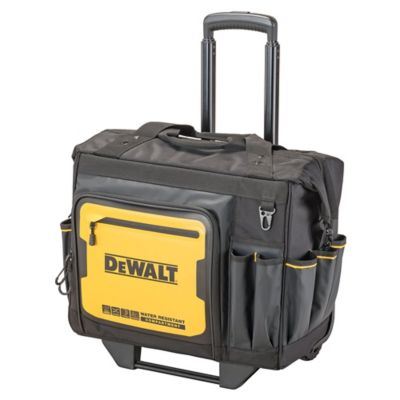
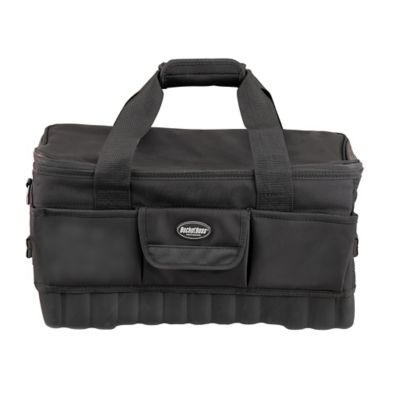
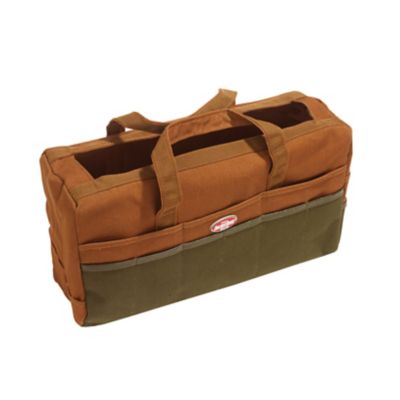
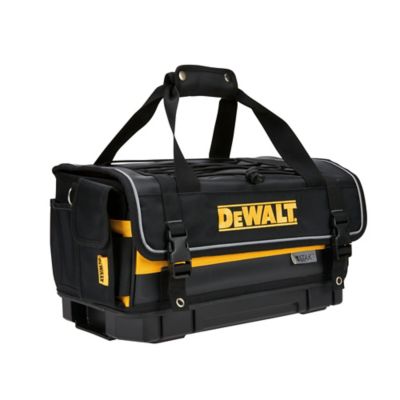
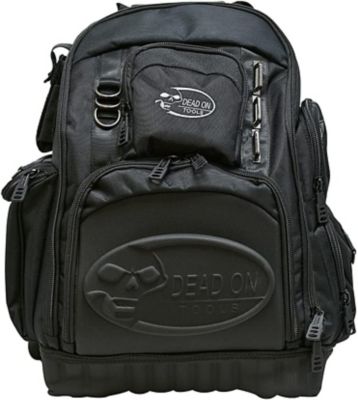
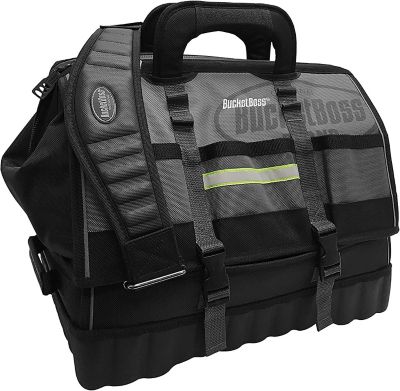
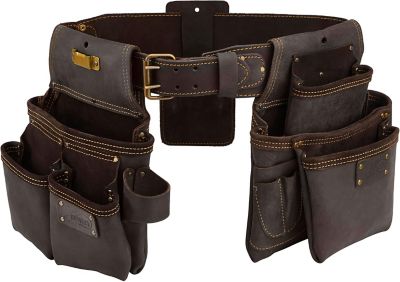
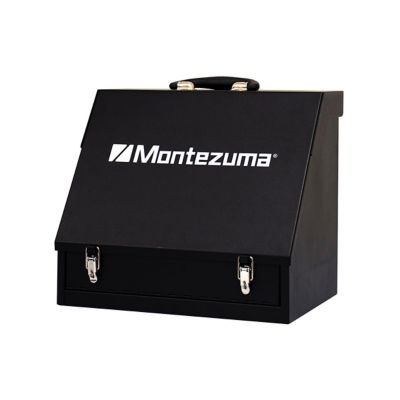
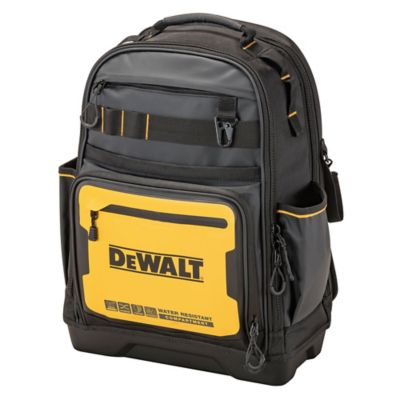
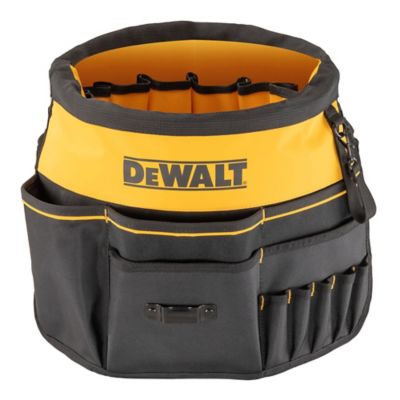
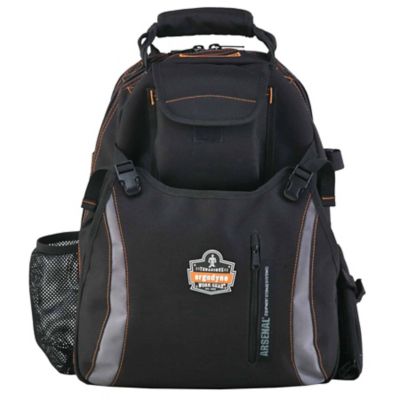
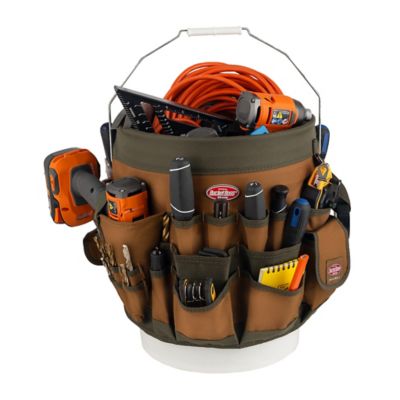
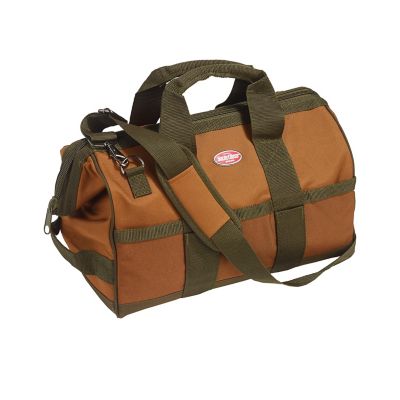
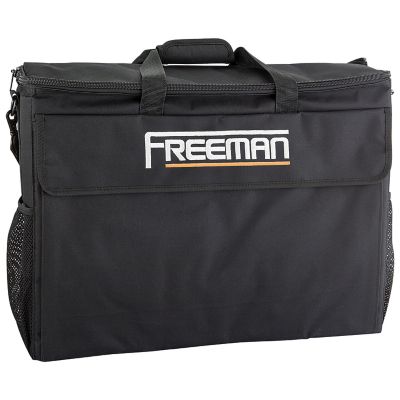
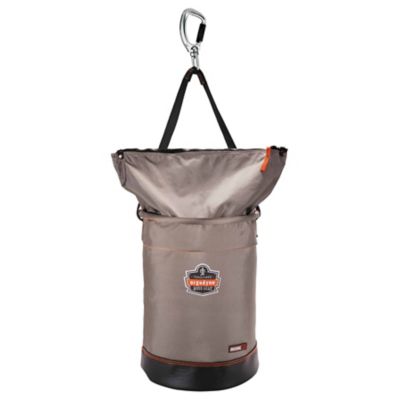
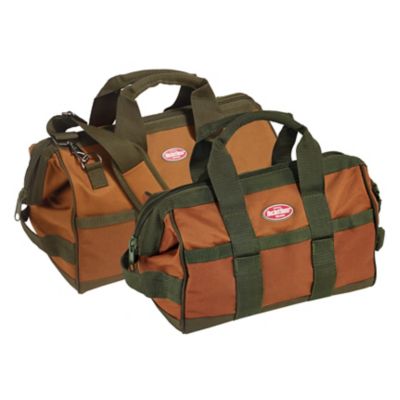
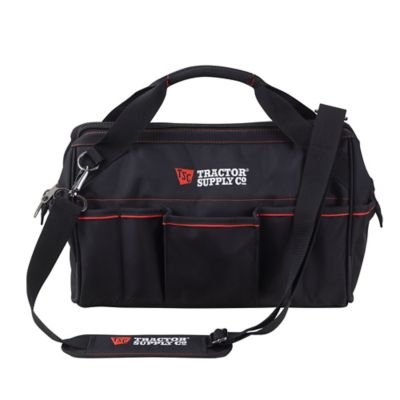
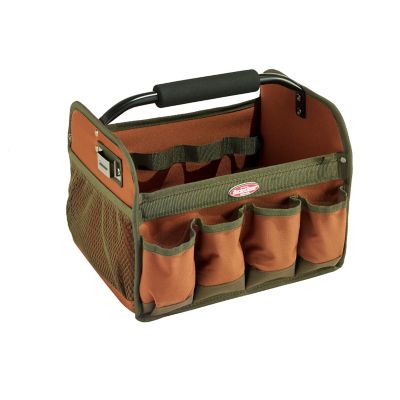
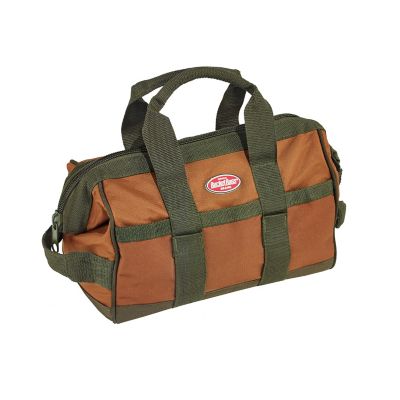
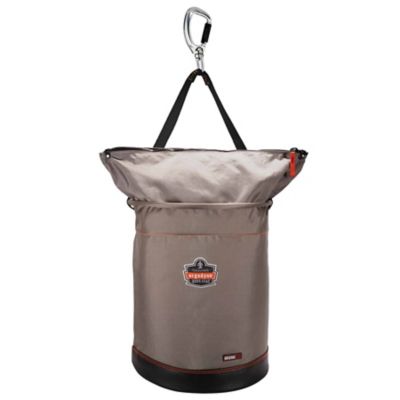
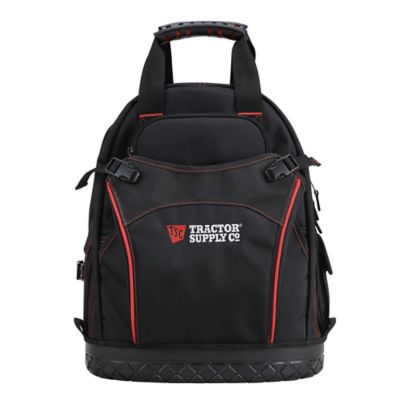
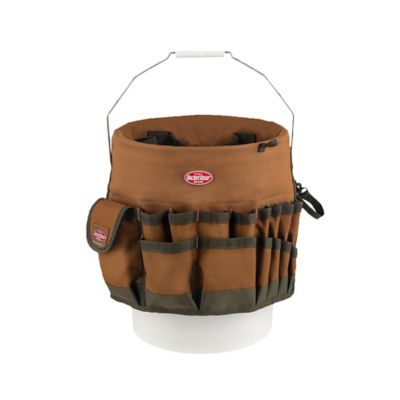
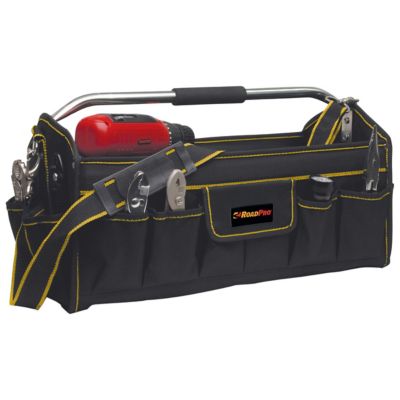
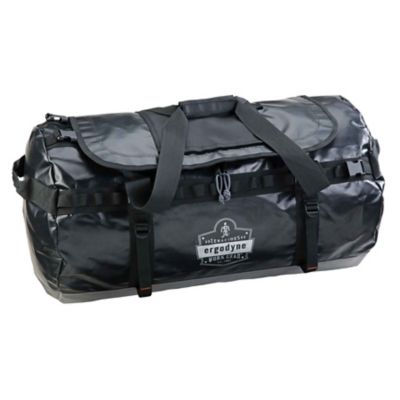
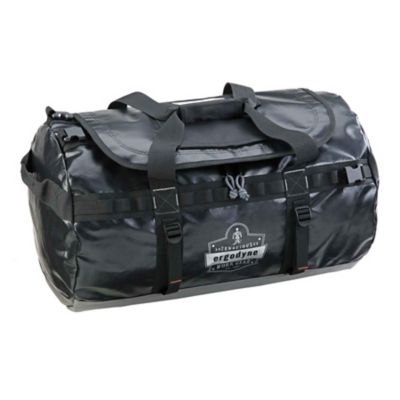
Tool bags for mechanics help keep hand tools, sockets, wrenches, meters, drivers, and small repair supplies ready to travel from the shop to the driveway, jobsite, farm, or roadside. The right bag can make a long repair feel far more manageable, especially when tools need to move across gravel, up a ladder, through a crowded garage, or from a service truck to a piece of equipment in the field. Start by thinking about the kind of work you do and how far the bag needs to go. A broad tote with a flat bottom can work well for a shop bench or service truck, while a backpack leaves both hands free for climbing steps, carrying parts, or walking across a yard. Rolling tool bags can take some of the strain out of hauling a heavy socket set, making them a practical choice for mobile mechanics and side jobs. A compact pouch or roll can serve as a smaller run-and-go kit for quick diagnostics, junkyard trips, minor roadside fixes, or routine maintenance when carrying a full load of tools would be more trouble than it is worth. When shopping, look for sturdy fabric, reinforced stitching, strong handles, dependable closures, and a base that stands on its own. A molded or waterproof bottom helps keep moisture, mud, oil, and shop grime away from the contents when the bag is set on a damp driveway or garage floor. Heavy metal tools can add up fast, so pay attention to the bag’s overall capacity, handle construction, shoulder straps, and weight when empty. A roomy opening makes it easier to see what is inside, but a more structured shape can help prevent tools from piling into one hard-to-sort heap. For mechanics who work outside during the cooler months, a bag that can be opened with gloved hands and carried without slipping is a small detail that makes a real difference.
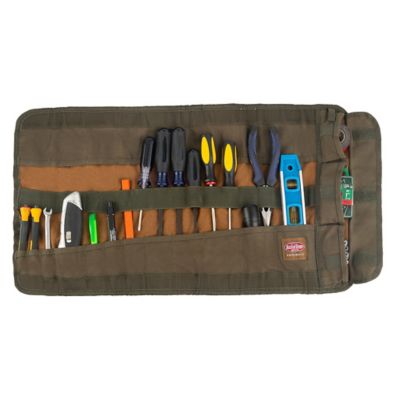
Organization matters just as much as size. Look for a layout that matches the tools you reach for most often, with vertical pockets, open compartments, zippered sections, and slots that keep drivers or pliers from disappearing beneath heavier items. Separate spaces for sockets, ratchets, extensions, wrenches, electrical testers, fasteners, and shop supplies can save time when a repair is already demanding enough. A wide-mouth tote is handy when you need to grab several tools at once, while a tool roll keeps smaller hand tools arranged in individual sleeves and can spread out on a workbench for a quick view of the whole kit. Backpacks are a good fit for technicians who move between buildings or carry tools into tight spaces, and rolling bags suit people who regularly transport larger collections over smooth floors or packed ground. No single layout suits every mechanic. Someone servicing tractors and farm equipment may want extra room for larger wrenches, impact accessories, and gloves, while an automotive technician may place more value on socket storage, electrical test tools, and a compact shape that fits beside a vehicle. A home garage owner may prefer a straightforward tote that stays near the workbench and travels out for occasional repairs. Consider the tools you already carry, then leave a little room for commonly added items such as a flashlight, tape, cable ties, penetrating oil, spare fuses, work gloves, and a phone charger. Keeping a small secondary pouch inside a larger main bag can also make quick jobs easier; it gives you a grab-and-go selection without emptying the full kit onto the tailgate. For a more extensive selection built around shop work and mobile service, browse
Professional Tool Bags.
A mechanic’s tool bag can make a thoughtful gift for a working technician, farm owner, fleet manager, apprentice, off-road enthusiast, or anyone who enjoys keeping equipment in running shape. It is especially useful for someone setting up a first service kit, moving between a home garage and jobsite, or replacing a worn bag that has spent years around grease and gravel. Before choosing one as a gift, take note of the recipient’s routine: a person who repairs vehicles at home may appreciate a structured tote, while a field mechanic may need backpack straps, a rugged bottom, or wheels for longer walks. Color and appearance matter less than a practical layout, comfortable carry points, and enough room for the tools that person actually reaches for. Regular care can help the bag stay ready for work through changing weather and busy repair seasons. Empty it from time to time, shake out metal filings and dirt, and wipe fabric or nylon with a suitable cleaner before grime has a chance to settle in. Clean oil, grease, and brake-fluid residue promptly, since shop fluids can work into fabric and weaken some materials. Let the bag dry fully before closing it, and avoid packing wet gloves or damp rags inside. Check zippers, seams, handles, wheels, and shoulder straps now and then, particularly after carrying heavy tools over rough ground. Keep sharp punches, loose drill bits, and other pointed items in dedicated sleeves or a small case so they do not snag the lining. During the cooler months, a well-organized tool bag can stay in the service truck, barn, or garage ready for a dead battery, a stubborn fastener, or an unexpected equipment repair. With the right mix of capacity, protection, and organization, it becomes more than a place to store tools—it becomes a dependable part of the mechanic’s daily setup.