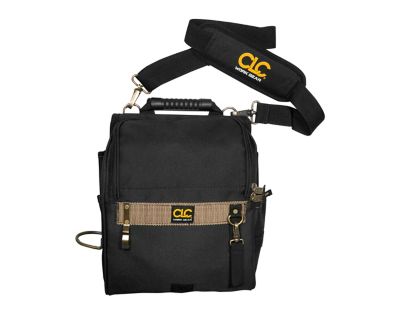
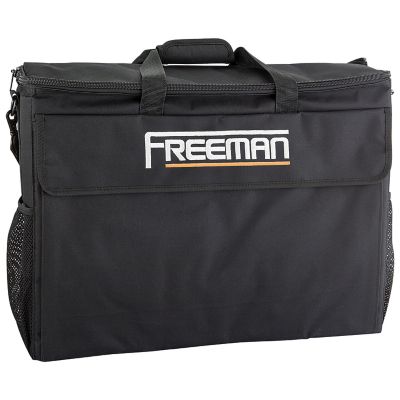
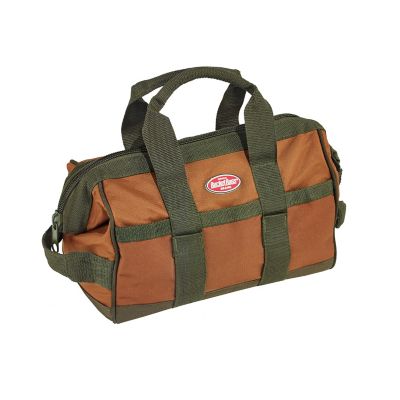
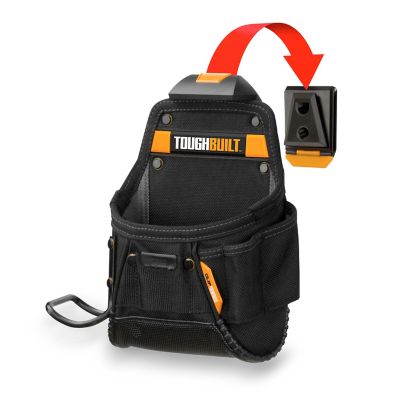
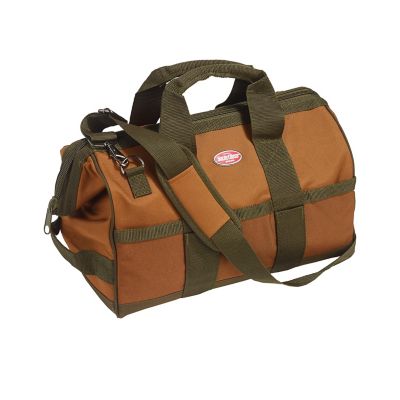
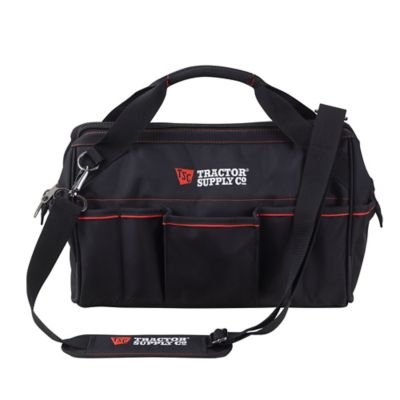
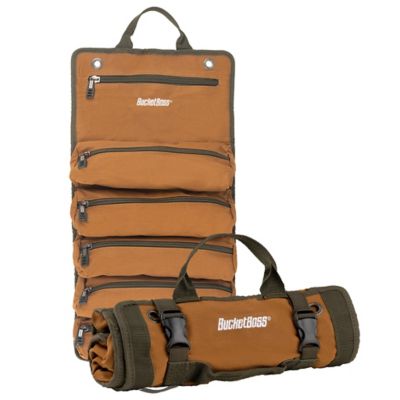
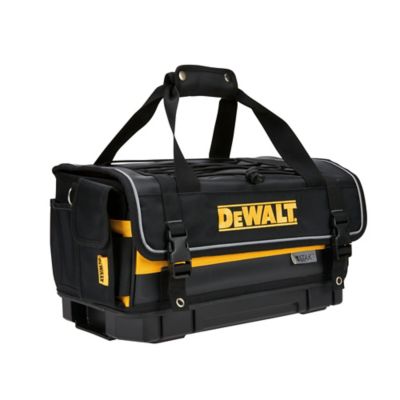
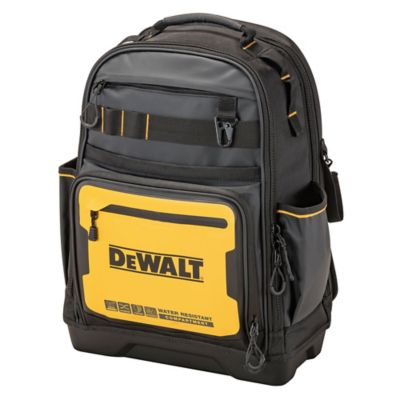
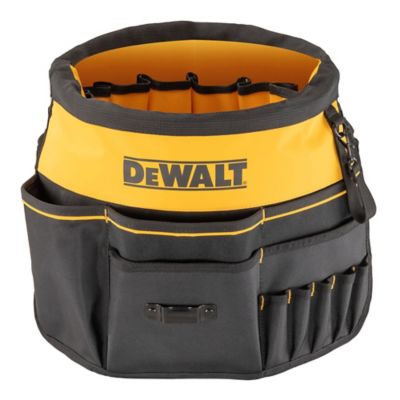
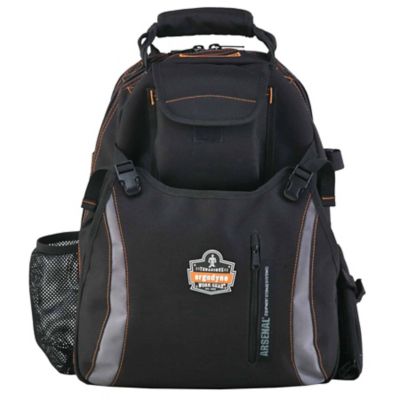
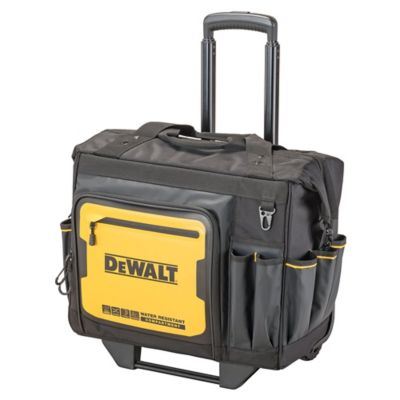
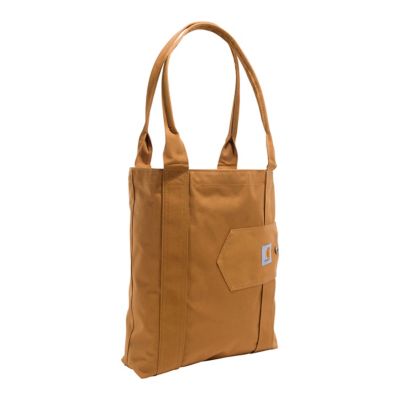
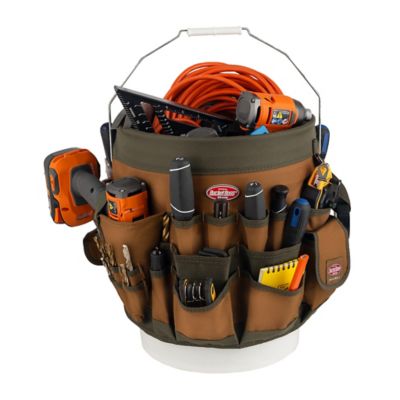
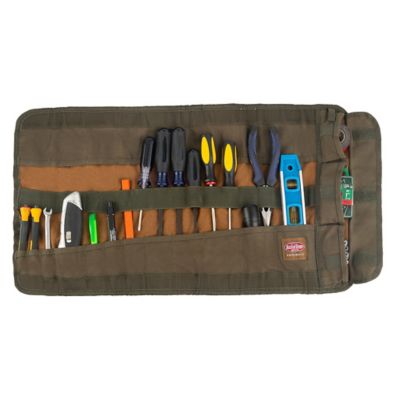
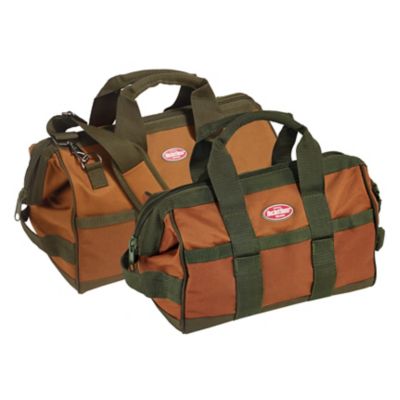
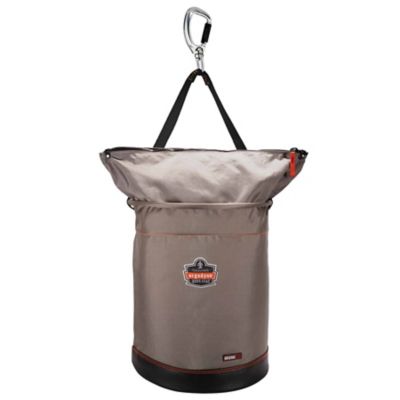
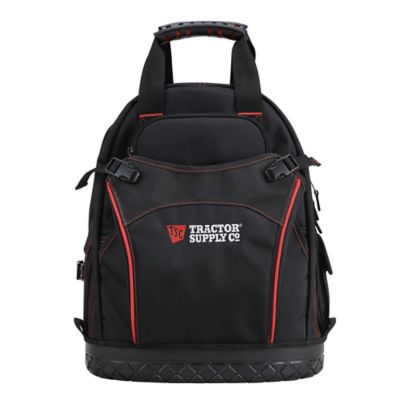
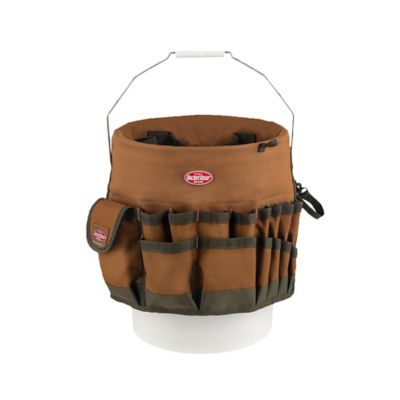
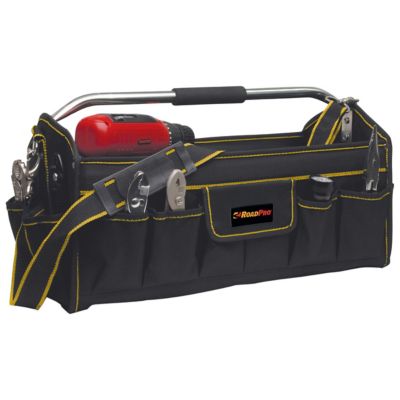
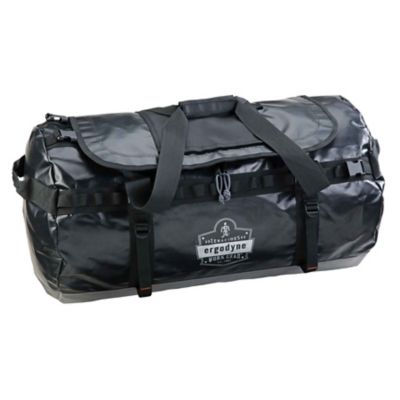
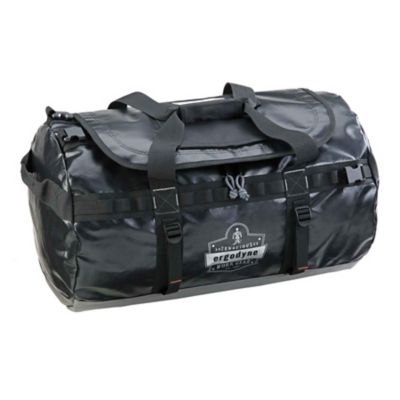
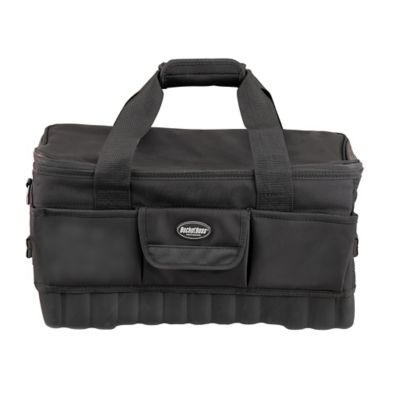
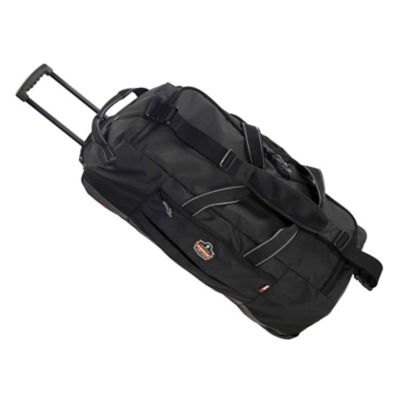
Tool bags for men give hardworking folks a dependable way to carry the tools they use around the farm, shop, garage, jobsite, or house. A good bag keeps everyday gear together, makes it easier to see what is packed, and saves time that would otherwise be spent digging through a truck bed or rummaging through a crowded toolbox. They are useful for contractors, electricians, mechanics, carpenters, maintenance workers, farmers, ranchers, and do-it-yourselfers, along with anyone who likes to keep a few essentials ready for the next repair. A roomy tote can handle hand tools for fence work, equipment maintenance, or home projects, while a backpack-style bag leaves both hands free when climbing stairs, crossing a muddy yard, or carrying supplies from the barn to the shop. Smaller organizers work well for fasteners, bits, measuring tools, and other loose pieces that tend to disappear in a larger compartment. Tool bags can also make a practical gift for a dad, husband, brother, son, neighbor, apprentice, or friend who takes pride in keeping his gear in good working order. They are especially handy for someone setting up a first workshop, building a mobile repair kit, or replacing an old bag that has seen years of hard use.
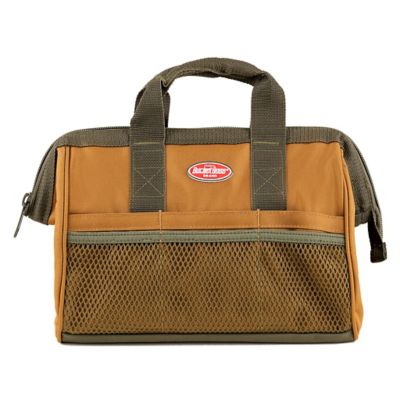
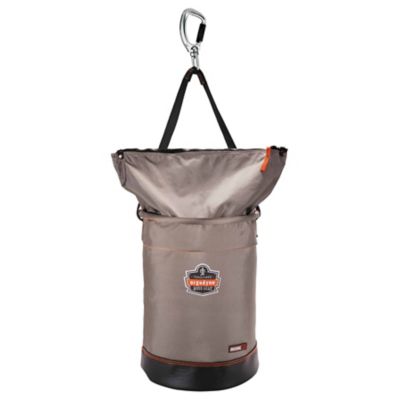
When comparing tool bags for men, start with the material and construction. Heavy-duty canvas, high-denier polyester, ballistic nylon, and other tightly woven fabrics can stand up to daily handling, sharp tool edges, and the rough surfaces found around a worksite. Reinforced stitching at the handles, seams, and pocket openings helps the bag hold up when it is loaded with wrenches, pliers, drivers, sockets, and power-tool accessories. A waterproof, water-resistant, or abrasion-resistant bottom is another valuable feature, especially when a bag may be set on damp grass, a wet tailgate, a concrete floor, or a dusty shop surface. Molded rubber or hard-plastic bases can help keep moisture out while adding stability and making the bag easier to wipe clean. For quick access, look for a wide-mouth opening or an internal frame that helps the main compartment stay open instead of collapsing around the tools. A structured bag can make it easier to spot a tape measure or utility knife at a glance, while a softer canvas tote may offer a little more flexibility for bulky gear. There is no single best layout for every job, so think about the tools that usually travel together and choose a size that leaves enough room without becoming an awkward, overloaded catchall.
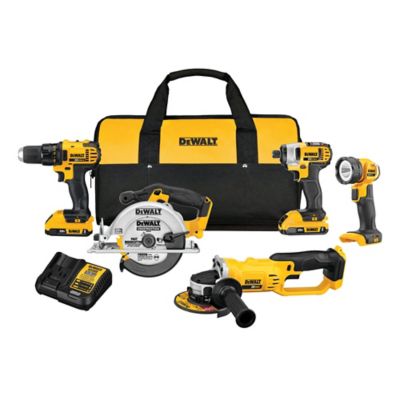
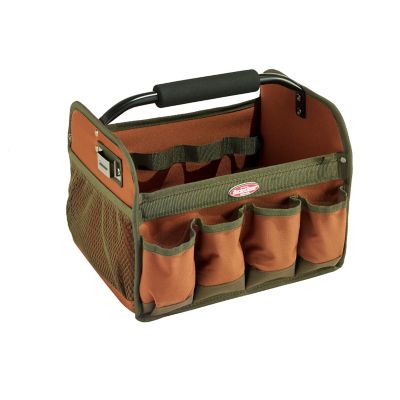
Pocket layout matters just as much as capacity. Interior vertical slots are useful for screwdrivers, pliers, pry bars, meters, and other long-handled tools that are easy to lose beneath heavier equipment. Exterior pockets can keep pencils, fasteners, gloves, chargers, and small hand tools close at hand, while a broad center compartment may hold a cordless drill, impact driver, batteries, and a few larger accessories. Those shopping for dedicated storage can also browse
Tool Bags for Power Tools for options suited to portable equipment. Carry comfort becomes more important as the load gets heavier, so pay attention to padded shoulder straps, adjustable straps, sturdy handles, and comfortable grips that will not dig into your hand. A bag that sits upright and distributes weight well can feel much easier to carry across a jobsite or between outbuildings. During the cooler months, a dependable tool bag is useful for indoor repairs, winterizing equipment, fixing gates, and handling small maintenance jobs before the weather turns rough. Keep the bag’s intended use in mind, then choose durable construction, sensible organization, and enough capacity for the tools that actually earn a place inside.