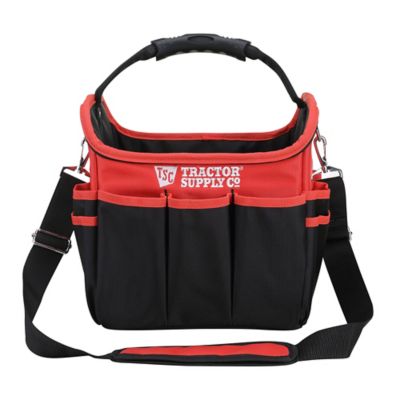
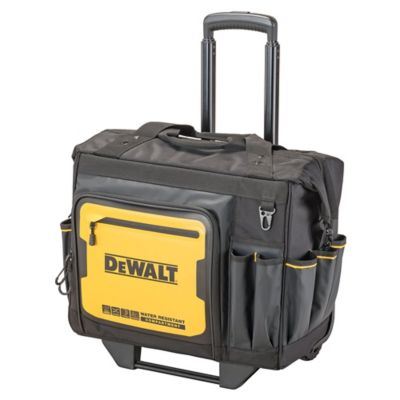
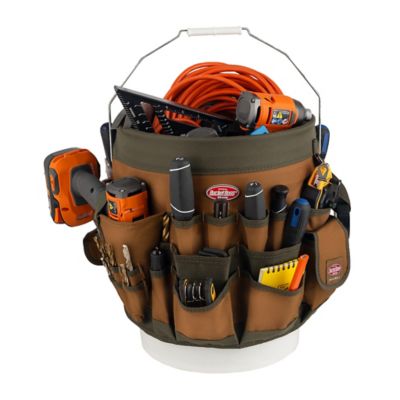
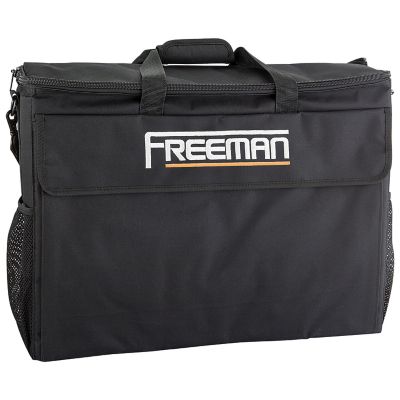
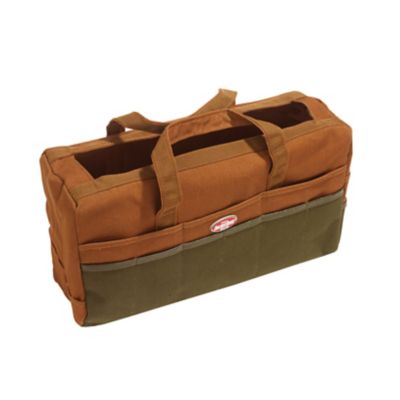
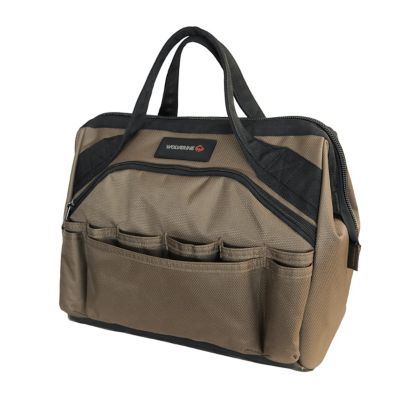
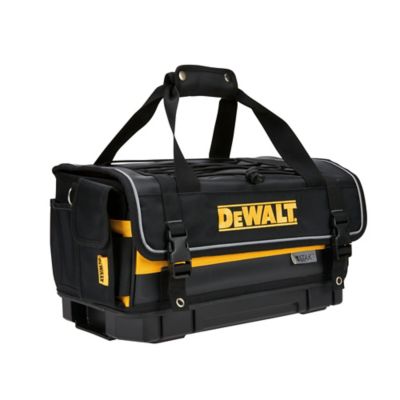
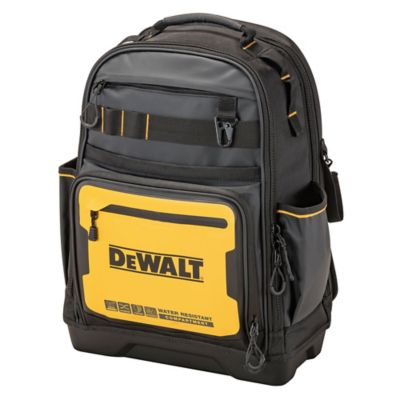
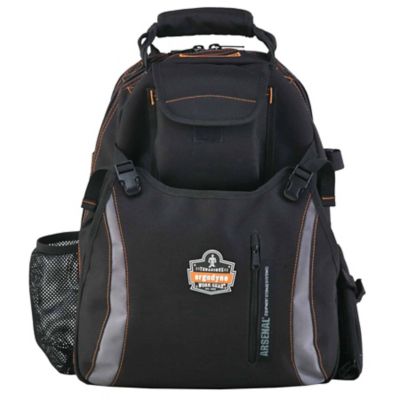
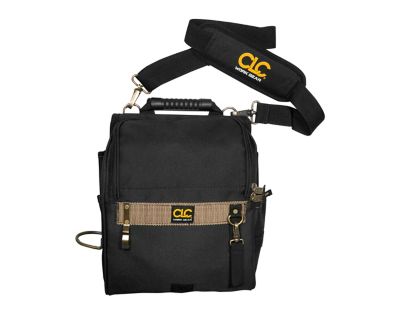
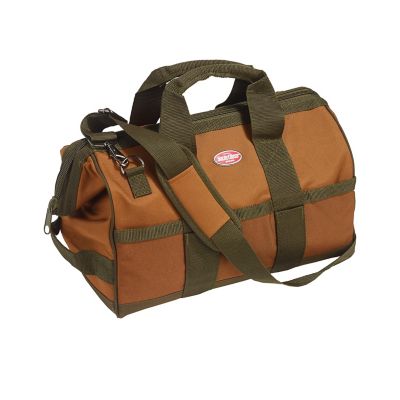
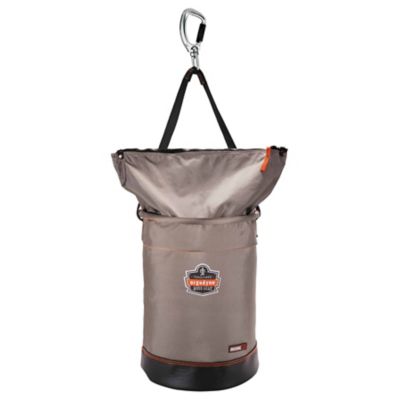
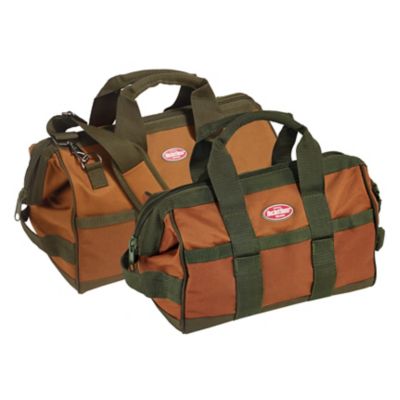
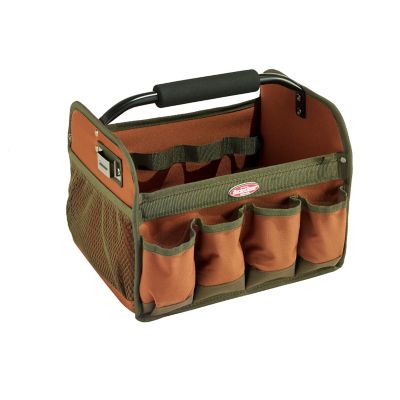
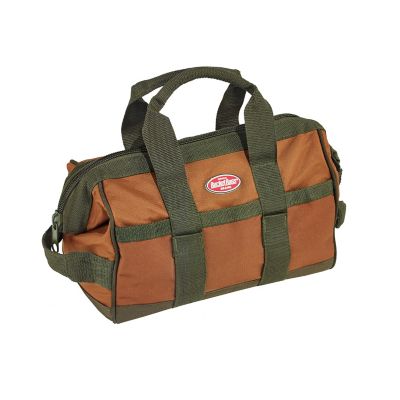
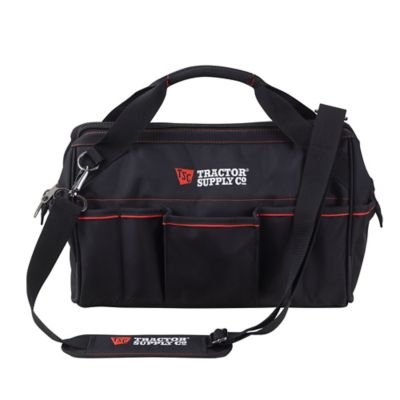
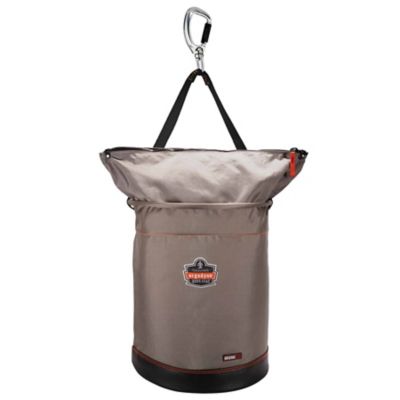
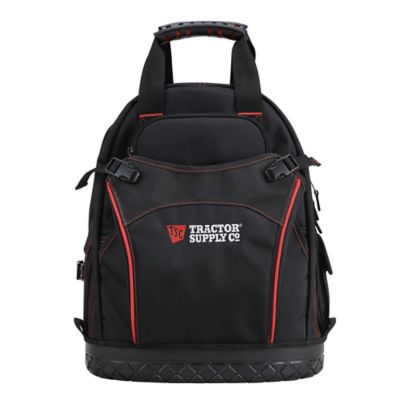
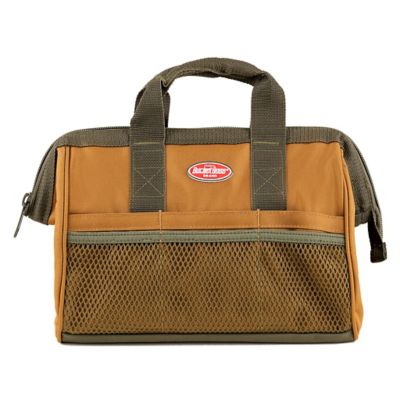
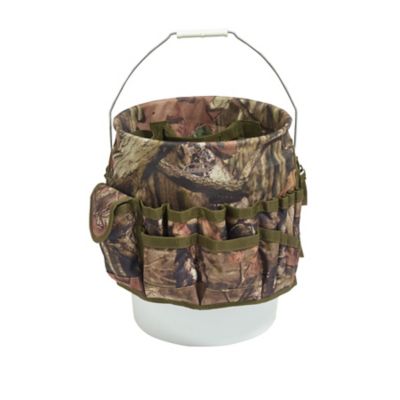
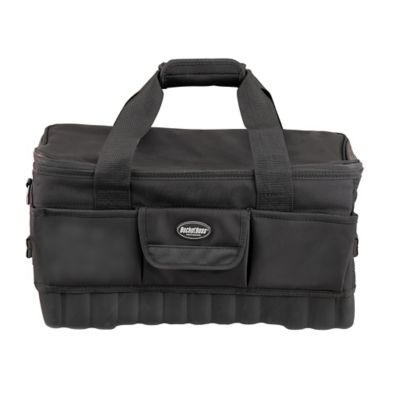
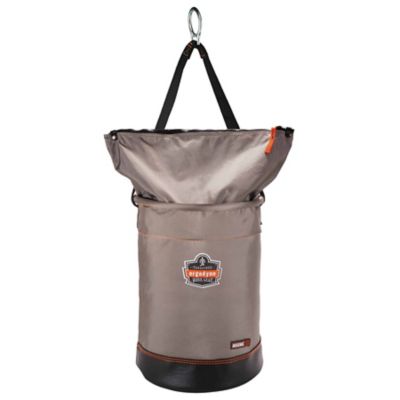
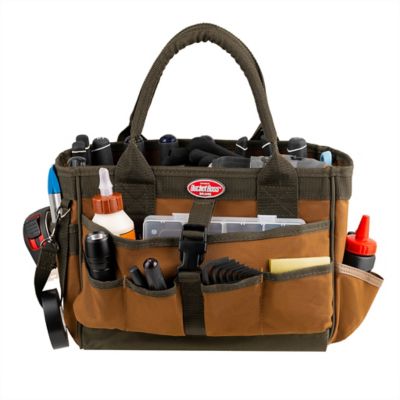
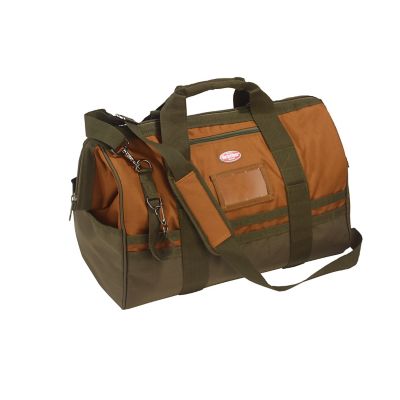
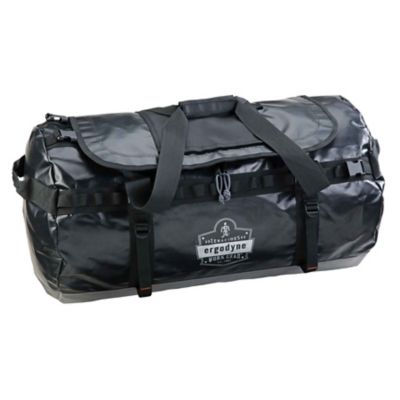
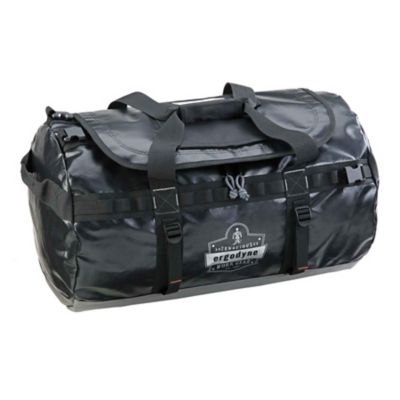
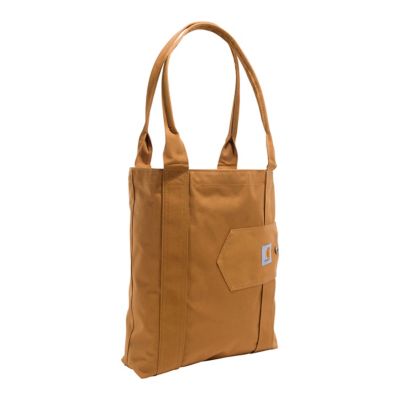
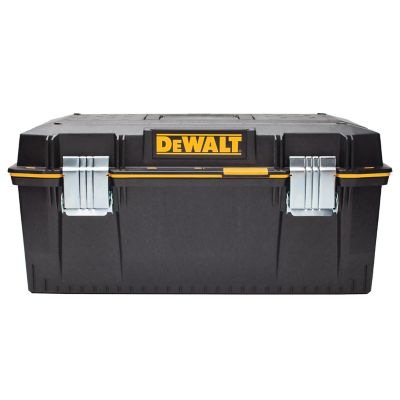
Professional tool bags keep working gear organized, protected and ready to carry from the truck to the next job. For electricians, plumbers, service technicians, carpenters and folks maintaining farm equipment, the right bag brings the tools for the task together without turning every repair into a search through a jumbled pile. These bags range from open tool totes with easy access to zippered carry bags, tool backpacks and rolling designs built around different ways of getting work done. An open tote makes sense beside a workbench or at a repair station where tools move in and out all day. A closed bag helps contain smaller gear during transport, while a backpack leaves hands free when walking between buildings or carrying other supplies. Rolling tool bags can take some of the carrying strain out of moving a heavier kit across smooth floors, though wheels are less practical on stairs or uneven ground. Size matters most in relation to the tools going inside. A long level or pipe wrench needs a different interior layout than a set of screwdrivers, pliers and a test meter. A bag that is too shallow may leave handles sticking out where they interfere with the closure; one that is much larger than the kit can invite extra weight and let tools shift around. Structured vertical pockets help keep hand tools upright and visible, making it easier to spot the missing screwdriver before leaving a job. Wider compartments accommodate larger equipment, while small zippered pockets help separate bits, sockets and other loose pieces. Pocket count alone does not tell the whole story: pocket depth, spacing and accessibility matter just as much. A practical layout lets a technician reach a frequently needed tool without unloading half the bag onto a shop floor. That organization is useful whether the day's work involves servicing machinery, finishing a wiring job or keeping gates and equipment working around the property.
Materials and construction affect how a professional tool bag handles the weight, rubbing and repeated handling that come with regular work. Heavy woven polyester, nylon and canvas are common choices, with differences in fabric weight, flexibility and abrasion resistance. Ballistic nylon typically has a dense weave that helps it stand up to friction, but no fabric should be treated as puncture-proof around exposed blades or sharp chisels. Protective covers on cutting edges help preserve both the bag and nearby tools. Reinforced stitching at handles, strap attachments and pocket openings is especially important because those spots take repeated strain. A sturdy base helps a loaded bag hold its shape and sit upright, reducing the tendency to tip over when a wrench comes out of a side pocket. Molded plastic bases can also create a barrier between the fabric and dampness or grime on a shop floor. A water-resistant fabric or waterproof base does not necessarily make the entire bag waterproof, since seams, zippers and openings can still allow moisture inside. For tools with sensitive displays or small fittings, padded compartments and covered storage offer useful separation from heavier steel tools. The closure deserves attention, too: a wide-opening zipper makes the main compartment easier to see, while a reinforced rim can keep the opening from folding inward during work. Carrying comfort depends on the whole loaded bag rather than the empty weight alone. Padded handles, a shoulder strap that adjusts to a comfortable length and balanced attachment points can make trips between the service truck and work area less awkward. Backpack styles benefit from shoulder straps that fit without pulling the load too far away from the body. The bag should stay manageable when filled with the actual kit, with its stated load limit respected. Extra pockets are handy, but they are not a reason to carry every tool in the shop to a small repair.
The best fit for a trade often comes down to the rhythm of the work. An electrical service kit may call for narrow upright pockets, space for a meter and a separate place for small connectors. Plumbing work often calls for roomier compartments that can accommodate longer handles and broader tool heads without blocking access to the rest of the kit. Maintenance crews may need a mix of both, with a grab-and-go bag for routine calls and another place to keep less frequently needed equipment. For folks whose work centers on engines, shop repairs and equipment service,
Tool Bags for Mechanics offer a related option for organizing the gear that travels between the bench and the machine. In any trade, grouping tools by task can make a bag easier to work from: measuring tools together, fastening tools within reach and small parts contained rather than scattered across the bottom. Removable pouches can help keep those groups together when only part of the kit needs to leave the bag. Keeping the load balanced also matters, especially when a heavy tool in an outside pocket makes the whole bag lean to one side. Basic care helps preserve the fabric, hardware and shape over time. Emptying out metal shavings, grit and loose fasteners keeps them from grinding into pocket bottoms or jamming zipper tracks. Cleaning should follow the material's care directions, with spills addressed promptly and the bag allowed to dry fully before tools go back inside. Periodic checks of seams, handles, straps and closures can reveal wear before a loaded handle gives out during a carry. For an apprentice building a working kit, a tradesperson replacing a worn-out bag or a family member who handles repairs around the farm, a thoughtfully sized tool bag can make a useful gift. Matching it to the recipient's existing tools and carrying habits gives it a better chance of becoming part of the everyday routine, not another oversized bag sitting beneath the bench.