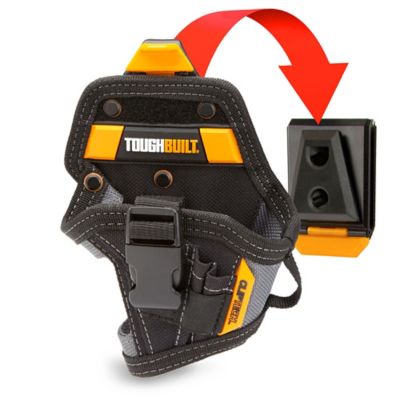
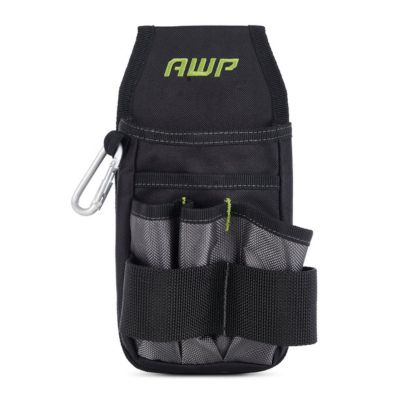
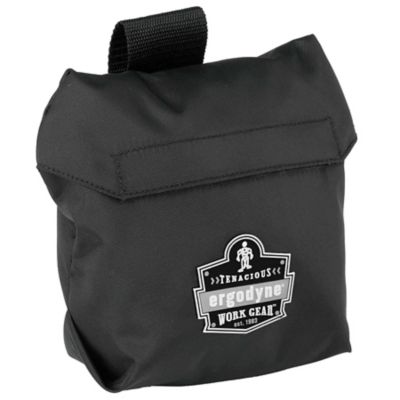
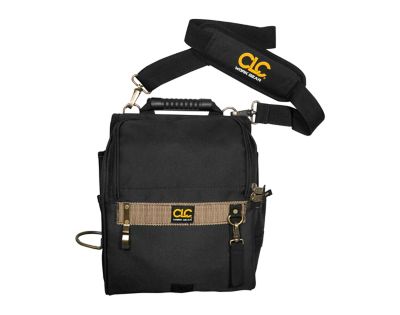
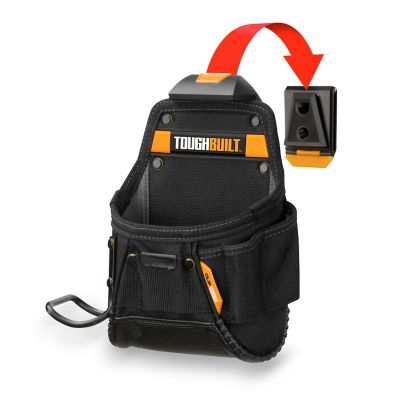
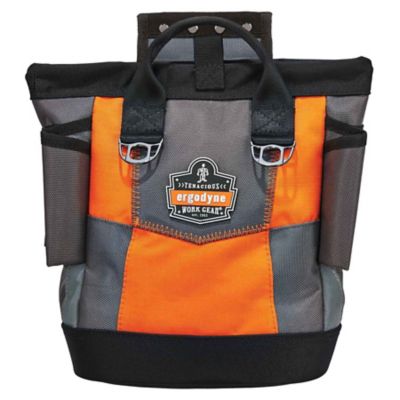
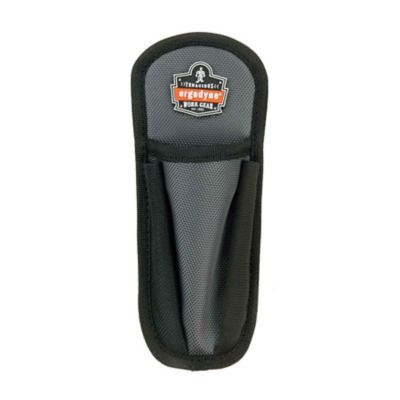
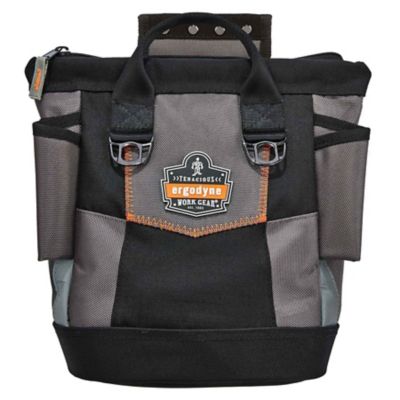
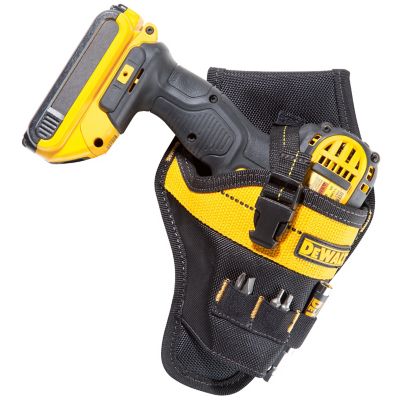
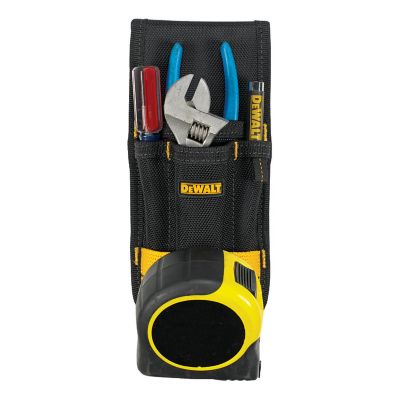
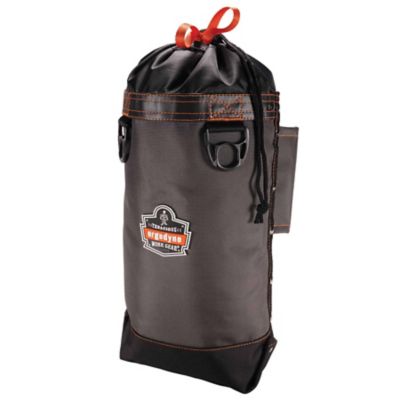
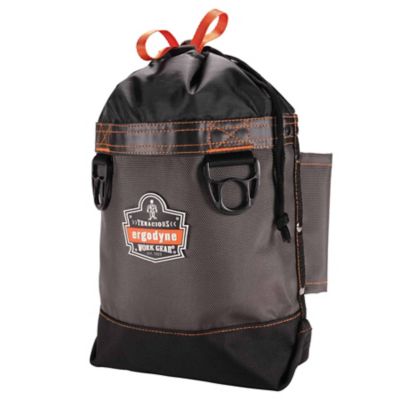
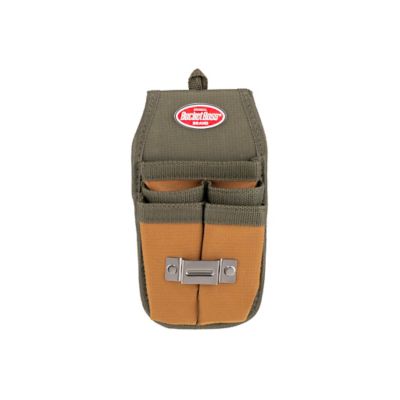
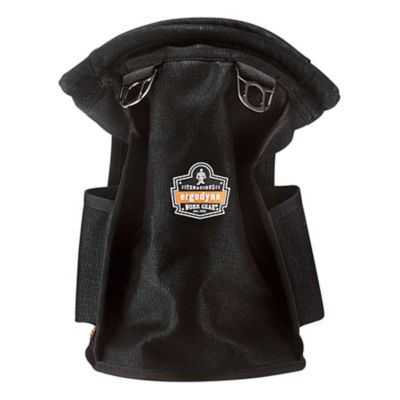
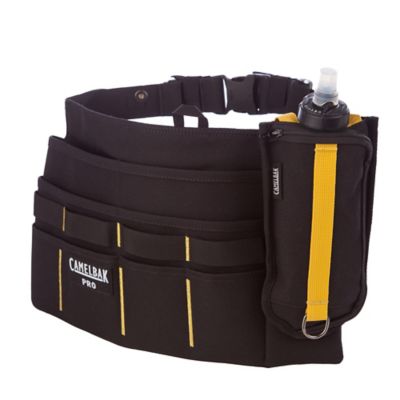
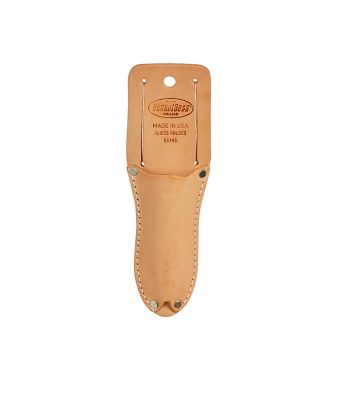
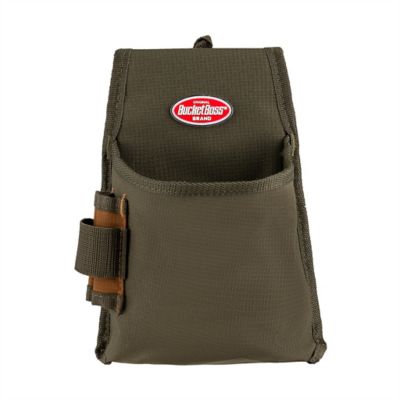
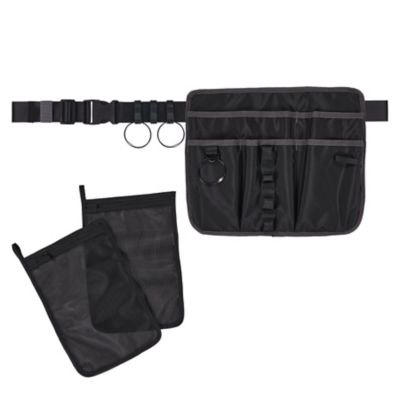
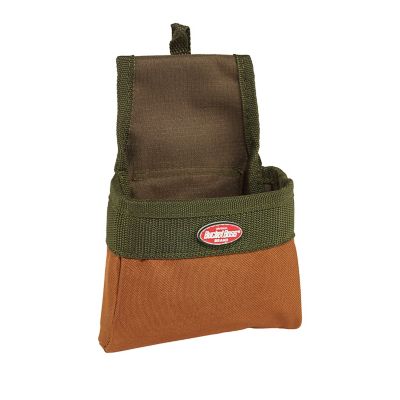
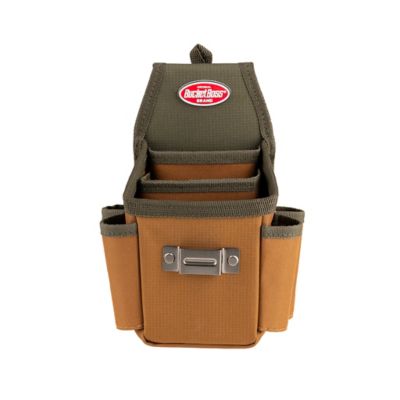
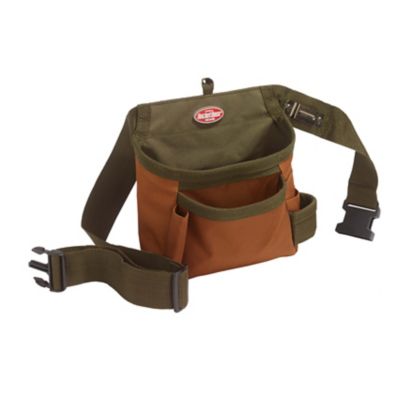
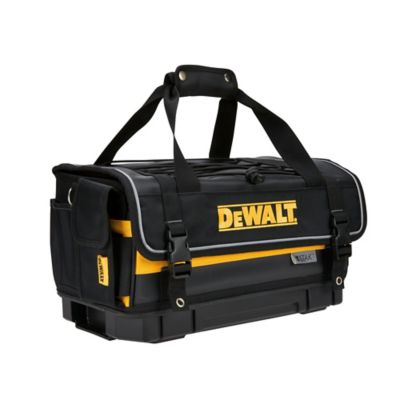
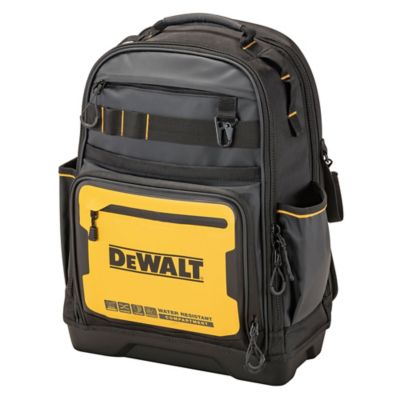
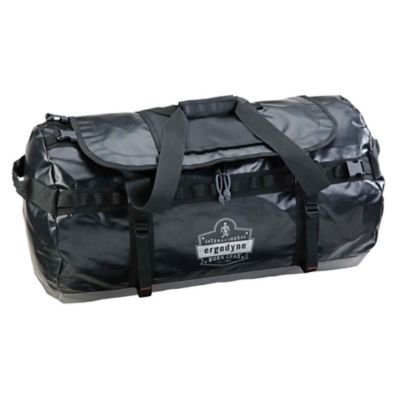
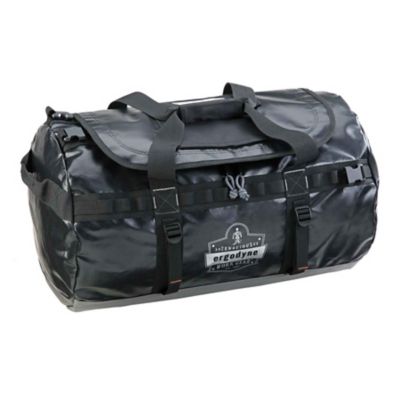
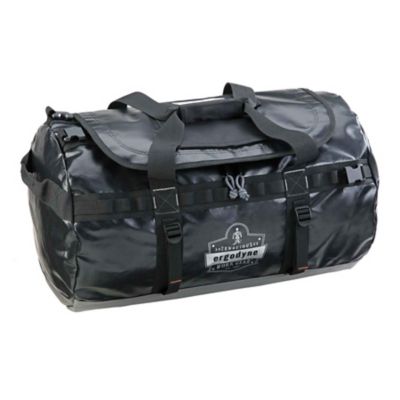
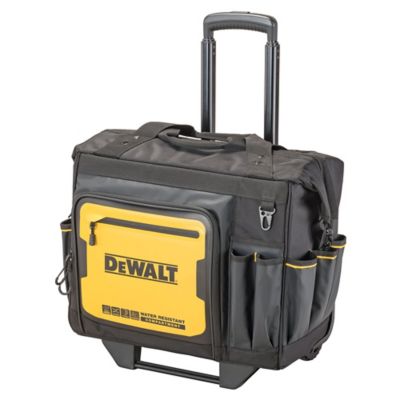
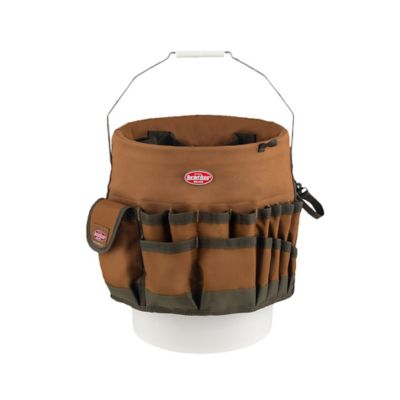
Tool belt pouches keep the little things that drive a job forward close at hand, whether that means screws for a gate hinge, a tape measure for a shelf, or pliers for a repair around the barn. Instead of setting tools on a fence rail or making another trip to the workbench, a pouch gives each piece a place to ride while your hands stay free for the task. The right layout depends less on how many pockets a pouch has and more on what needs to go in them. A roomy main pocket can make sense for handfuls of fasteners, while narrow slots help separate pencils, drivers, and other small tools that tend to disappear at the bottom of a larger compartment. Divided pockets can keep different screw lengths apart, and an open top makes frequent reaches simpler. A flap or closure may suit smaller parts that need more help staying put when bending or kneeling. Carpenters, electricians, maintenance crews, farmhands, and folks tackling repairs at home all have different carrying needs, so pouch shape and pocket placement matter. Someone hanging fence hardware may want fasteners within easy reach, while someone fitting cabinet doors may prefer a lighter setup with room for a few hand tools and a pencil. A broad pouch can spread out a bigger load, but a compact one may stay out of the way better beside a workbench or inside a tight stall. Tool belt pouches also make it easier to separate tasks: a pouch arranged for measuring and marking serves a different purpose from one holding hardware for repeated fastening. That practical organization helps keep attention on the work instead of on finding the next small part. A sensible setup carries the tools needed for the job at hand without turning every repair into a full load around the waist. Less clutter also means less digging through loose hardware to find the one bit that fits.
Materials and construction make a noticeable difference in how a tool pouch feels through a full stretch of work. Leather generally has a firmer feel at first and can soften with handling, while heavy canvas offers a flexible feel that moves readily against work clothes. Woven synthetic fabrics can provide another balance of weight, structure, and resistance to abrasion, depending on the fabric and construction. No material tells the whole story by itself. Stitching around pocket openings, reinforcement at belt attachments, and support beneath frequently loaded compartments all deserve a close look because those areas take repeated pulling and rubbing. A pouch that stands open can be easier to reach into with one hand, while a softer shape may sit closer to the hip. Pocket depth deserves just as much attention: shallow compartments make small pieces easier to spot, but taller tools need enough support to stay settled as you move. Tool loops and holders should match the shape and weight of what they carry, rather than leaving a heavy tool swinging against your leg. Attachment style matters, too. Belt loops, tunnel-style backs, and clip attachments fit differently, and the opening must work with the width and thickness of the belt. For a complete carrying setup,
Utility Belts provide the foundation, while compatible pouches let the load sit where it feels most natural. Fit should account for work pants, belt placement, and the movements the job requires. A pouch that seems comfortable while standing still may press against the thigh when squatting to set a bottom hinge. Positioning heavier tools close to the body and spreading the load between sides can help limit tugging and shifting. Left- or right-side placement also changes how easily a person can reach a familiar tool. Enough room to move matters more than filling every available pocket, especially for work that involves frequent bending, kneeling, or stepping through narrow openings.
Everyday care helps tool belt pouches hold their shape and keeps their pockets ready for the next job. Loose screws, metal filings, sawdust, and grit can collect in seams and corners, so emptying the pouch regularly gives those materials less chance to grind against the fabric or leather. A quick inspection also makes loose stitching, stretched attachment points, or a worn pocket bottom easier to notice before a tool slips through. Cleaning should follow the pouch maker’s directions, since leather, canvas, coatings, and synthetic fabrics do not all respond the same way to soap, soaking, or conditioning products. Leather may need a suitable conditioner if the care directions call for it; other materials may only need brushing and a light wipe. Letting a cleaned pouch dry fully before storage helps keep trapped moisture from becoming a problem, and storing it without a heavy load can reduce unnecessary strain on pockets and attachments. Sharp edges deserve their own attention. Chisels, blades, and pointed tools need appropriate guards or holders rather than an unprotected pocket shared with loose fasteners. Fasteners belong where they can be reached without brushing a hand against a cutting edge. For regular shop work, a simple pocket arrangement can be easier to maintain than a crowded setup with tools tucked wherever they fit. Keeping measuring tools together and separating hardware by task makes it easier to see what needs replenishing before heading away from the bench. Tool belt pouches can also be a thoughtful gift for someone who spends time repairing equipment, building out a workshop, or keeping a property in shape. Knowing the recipient’s belt width, preferred working side, and usual tools helps narrow the fit far better than choosing by pocket count alone. Whether the work fills a whole day or just an hour after chores, a well-matched pouch keeps essential gear close without getting in the way.