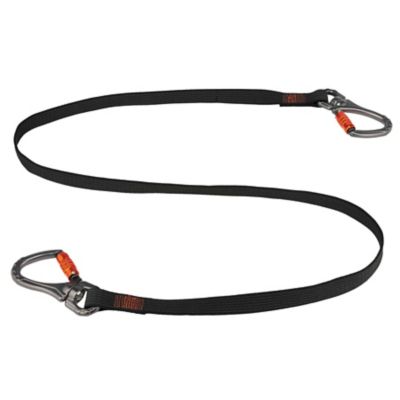
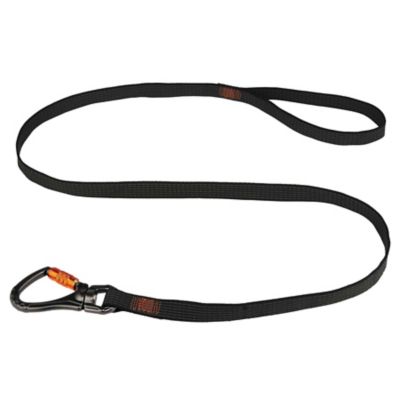
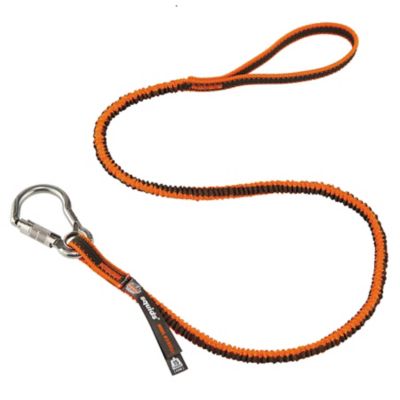
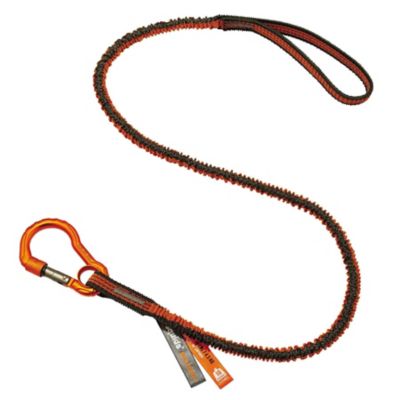
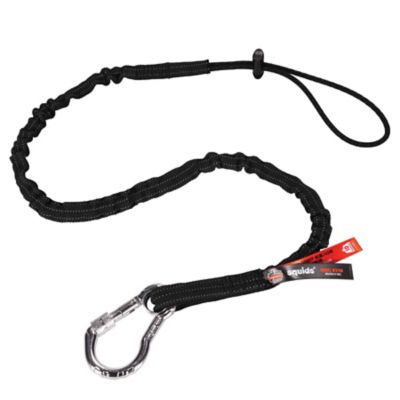
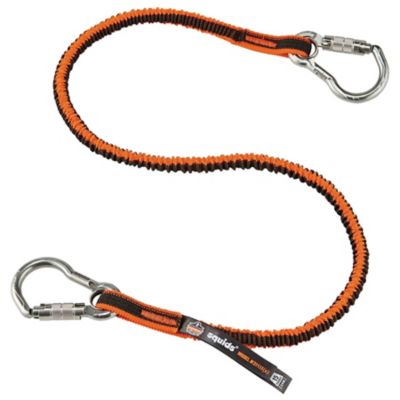
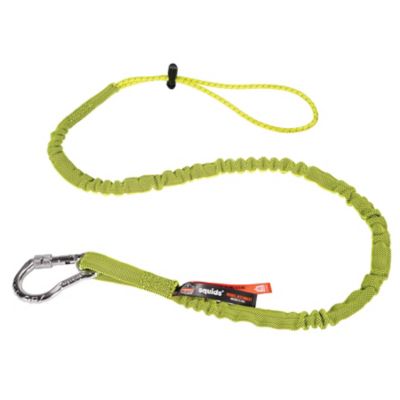
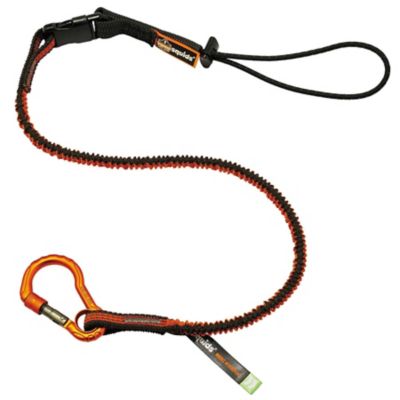
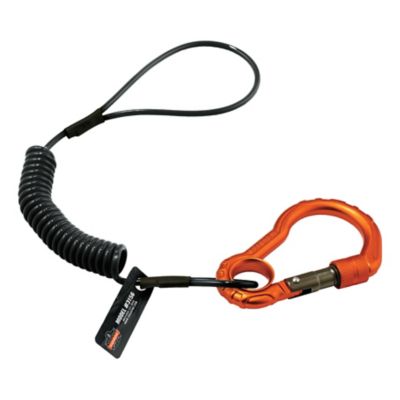
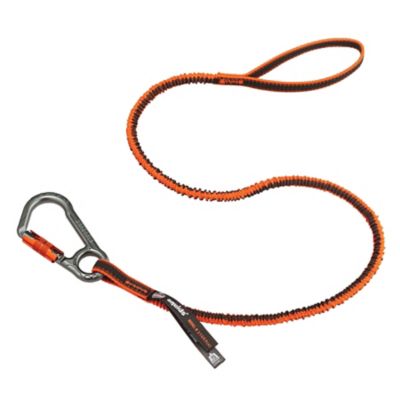
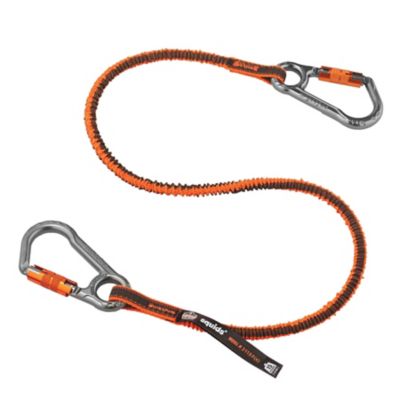
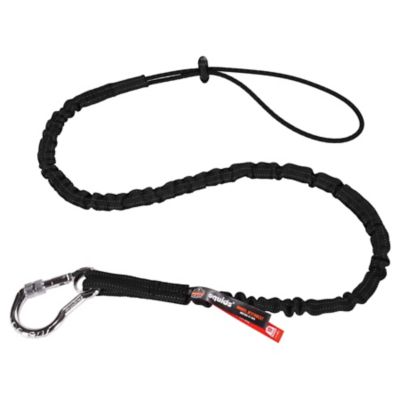
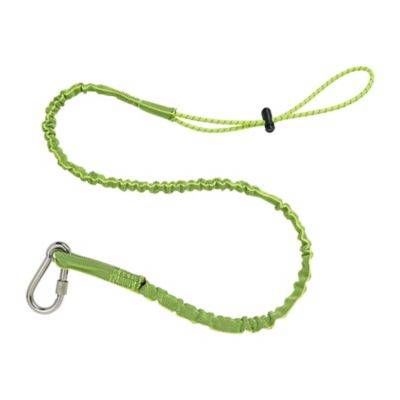
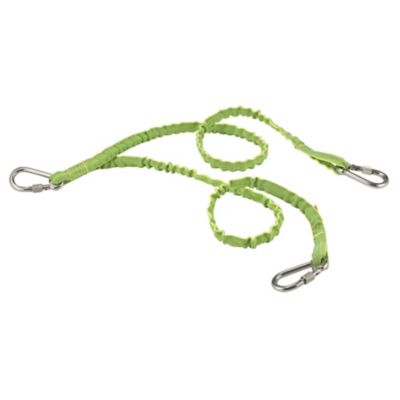
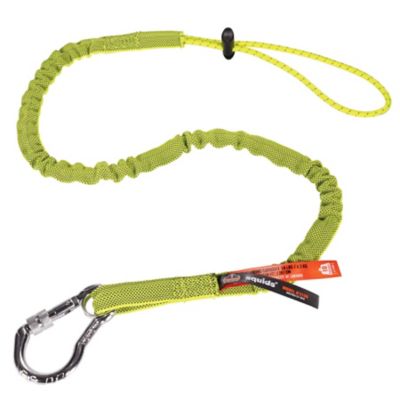
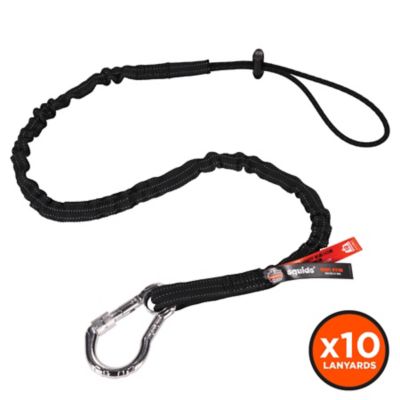
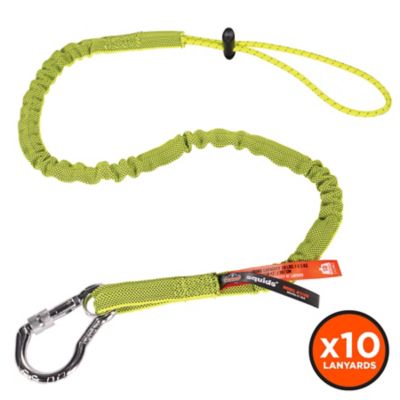
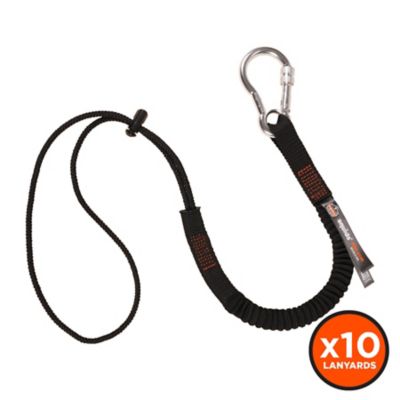
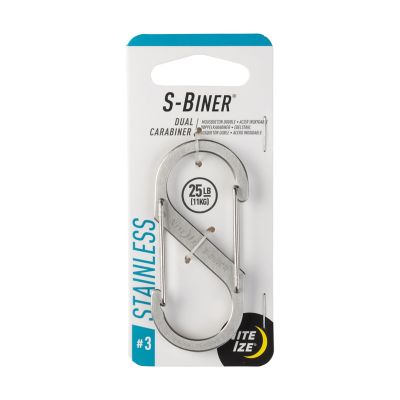
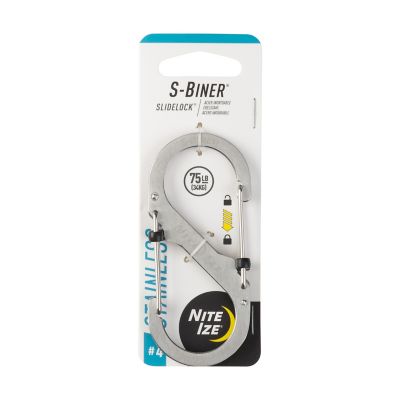
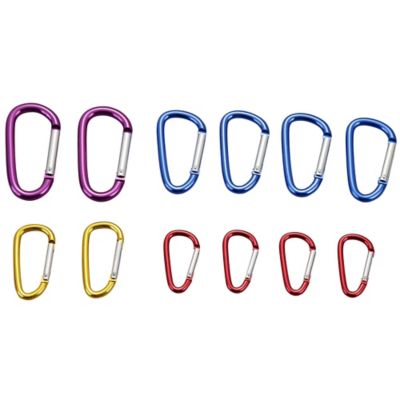
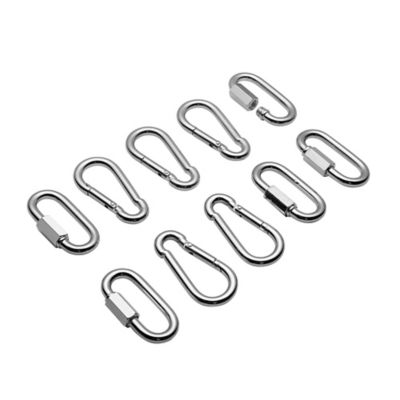
Tool lanyards are safety tethers that connect tools to an approved attachment point, helping reduce the risk of dropped tools striking someone below or falling into hard-to-reach places. Around a farm, shop, or jobsite, that can matter when repairs take the work above ground level or over an opening. A loose tool can disappear between deck boards, land beneath equipment, or fall from an elevated work platform before anyone has time to react. Tool safety lanyards add a connection between the tool and a suitable anchor, but they do not replace secure footing, proper tool storage, or keeping people clear of the area below. Farmers, maintenance crews, construction workers, and folks tending outbuildings may all have jobs where tool tethering belongs in the work setup. The right match starts with the tool’s working weight, including any battery, accessory, or attachment that stays on it during the task. A lanyard’s maximum load rating needs to cover that complete weight, and every part of the tethering system must be suitable for the load. The lowest-rated component sets the limit, whether that component is the lanyard, tool attachment, connector, or anchor. A tether intended for a lightweight hand tool is not automatically suitable for heavier equipment, even if its clips fit. The manufacturer’s instructions also determine permitted attachment methods, working length, and anchoring requirements. Where a jobsite calls for dropped-object prevention equipment that meets ANSI/ISEA 121, documented compliance matters more than appearance; that standard addresses design, performance, and labeling requirements for this equipment. Tool lanyards are not personal fall-protection equipment and must never serve as a worker’s fall-arrest connection. Their job is to help control a dropped tool, not support a person. For work above livestock areas, walkways, or equipment, that distinction belongs alongside a clear plan for protecting whatever is underneath. A tether is one part of that plan, working with barriers, sound work practices, and the right access equipment.
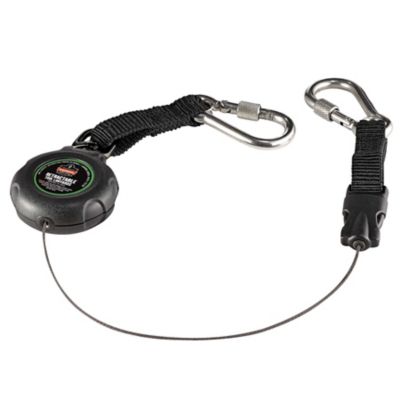
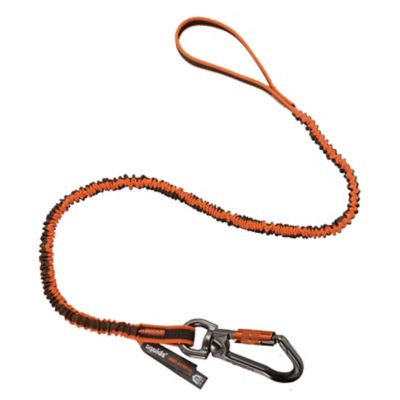
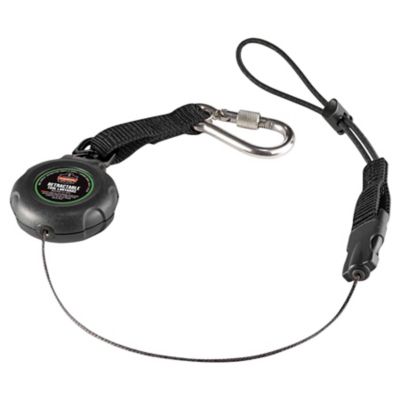
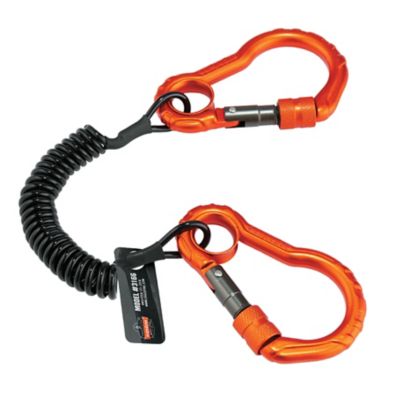
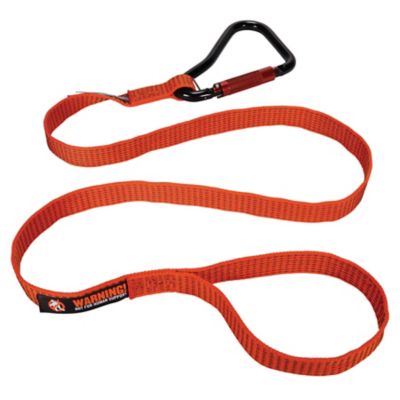
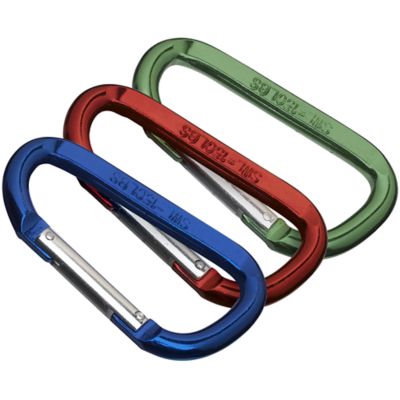
Lanyard construction affects how the tether feels through a full day of reaching, turning, and putting tools away. Webbing designs commonly feature synthetic materials such as nylon or polyester, with stitching and protective sleeves that deserve as much attention as the strap itself. Bungee tool lanyards stretch during movement and gather back toward a shorter resting length, helping limit loose material around the work area. Designs with stated shock-absorbing features can reduce the force transferred when a tool drops, within their specified limits. Coiled tool lanyards keep their connecting line compact between reaches, which can be handy where extra hanging length would get in the way. Retractable tool lanyards feed out line as the tool moves and draw it back toward the housing afterward. Each style still needs enough reach for the task without leaving an unnecessary loop near a ladder rung, platform edge, or piece of equipment. Working length and maximum extended length are different measurements, and both matter when judging whether a dropped tool could hit something below. Connector size matters, too. A clip that looks fine on a bench may be awkward to operate in work gloves, while an oversized connector can crowd the tool’s grip or controls. Locking carabiners and double-action closures can help resist unintended opening when properly connected and maintained. Gates should close completely, and connectors need to sit in the orientation specified by their manufacturer rather than resting sideways against an edge. Tool-end loops, attachment rings, and other tether points must also match the tool and the tethering system. Wrapping a line around a smooth handle or clipping to a convenient opening does not establish a rated connection. Factory-provided tether points or attachment methods expressly approved for the tool offer a clearer basis for selecting compatible equipment. Around welding, sharp sheet metal, chemicals, or electrical hazards, ordinary webbing and metal hardware may not be appropriate. Material ratings and workplace requirements should settle those choices before the tool leaves the ground.
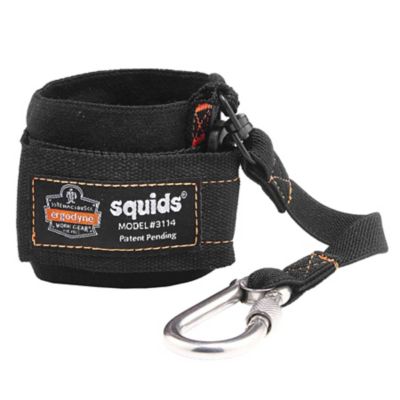
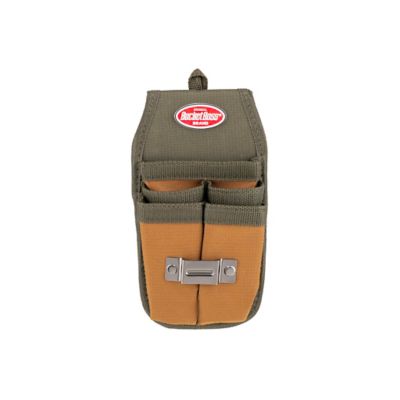
Fit is about more than whether a lanyard reaches from a belt to a tool. A comfortable setup leaves the handle clear, lets the wrist move naturally, and keeps the connection from interfering with switches, guards, or the task itself. Wrist-mounted tool lanyards may suit certain lightweight tools when the manufacturer permits that arrangement, but heavier tools can require a separate, suitably rated anchor rather than attachment to the body. An ordinary belt loop, railing, or personal fall-protection harness is not automatically an approved tool anchor. The connection also needs to stay clear of moving machinery; a loose tether near a rotating shaft or other moving part can create an entanglement hazard. During cooler months, thicker gloves and coat sleeves can change how easily connectors operate and how freely a tether travels. A setup that works with bare hands should still allow secure handling with the clothing the job requires. Storage plays a part in keeping the work area orderly, and
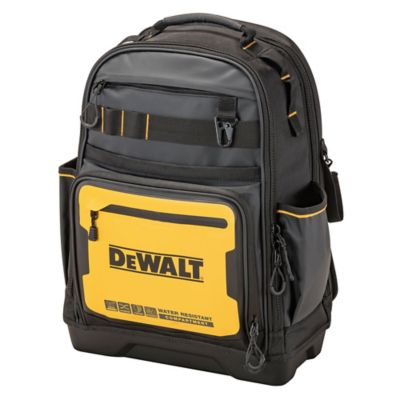
Tool Pouches can give tools a place between tasks, although a pouch is not a rated tether anchor unless its manufacturer specifically identifies it for that purpose. Before each work period, a close look at the lanyard can reveal cuts, fraying, damaged stitching, cracked hardware, or a gate that no longer closes as intended. Retracting mechanisms should move as directed, and labels need to remain readable so load limits are not left to guesswork. A lanyard that has arrested a dropped tool should come out of service for evaluation or replacement according to its manufacturer’s instructions, even when damage is not obvious. Mud, moisture, and grit deserve attention after outdoor work, especially around connector gates and housings. Cleaning should follow the care directions rather than involve harsh solvents or high heat that could harm the materials. Letting approved washable components dry before storage and keeping the whole assembly away from sunlight, chemicals, and sharp edges helps protect it between jobs. A well-matched tethering setup keeps the focus on the repair at hand, with tool weight, reach, attachment, and working conditions all accounted for.