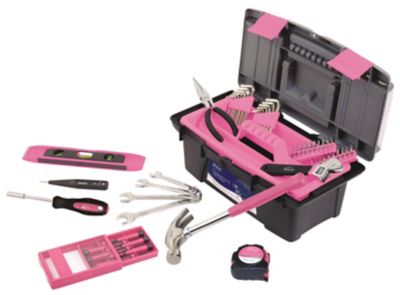
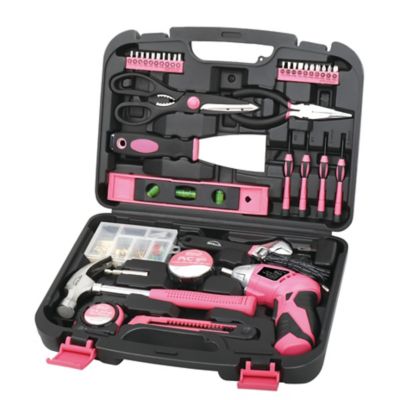
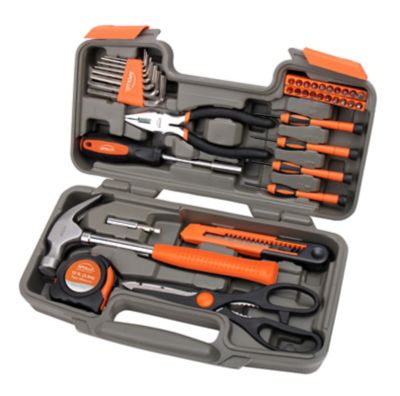
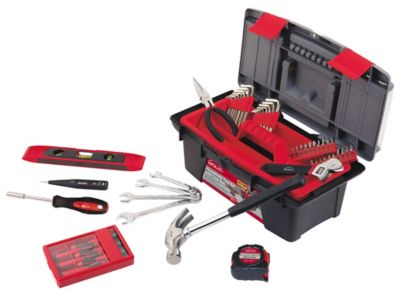
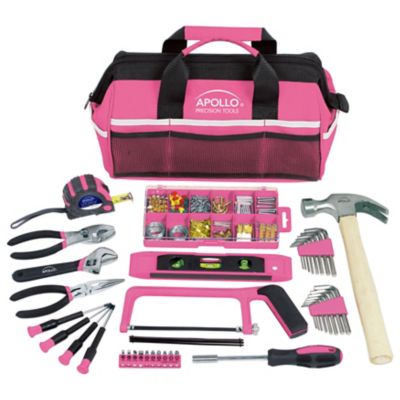
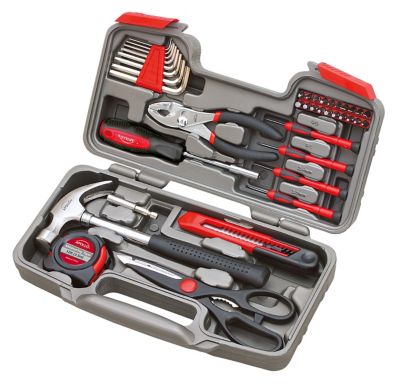
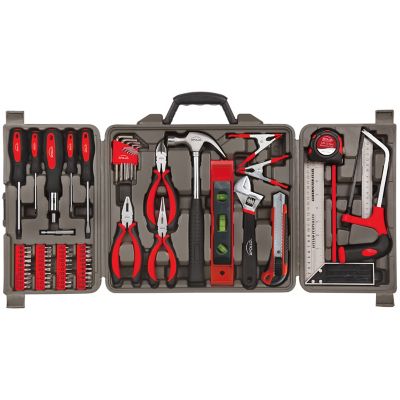
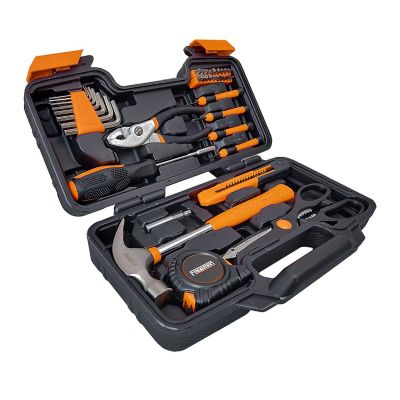
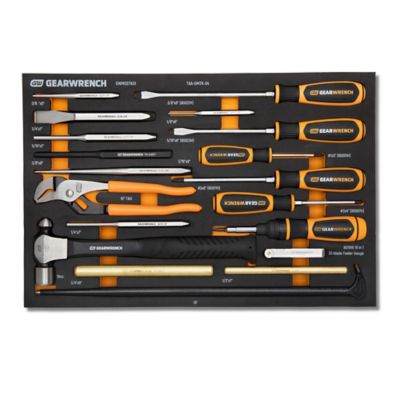
Tool kits for home put the basics for everyday repairs in one place, whether the job is tightening a cabinet pull, assembling a bookcase, or hanging a picture straight. A well-rounded home tool kit typically includes a claw hammer, tape measure, flathead and Phillips screwdrivers or a multi-bit driver, pliers, and an adjustable wrench. These tools cover many small jobs around a house, apartment, or farmhouse without taking up a whole workbench. A level helps with shelves and wall hangings, while hex keys and sockets expand the range of furniture hardware and household fasteners a set can handle. The right assortment depends more on the work ahead than on the number printed on the case. A compact kit with practical tool sizes can make more sense for occasional fixes than a larger assortment filled with bits that rarely leave their slots. For someone setting up a first home, the essentials provide a starting point for loose hinges, wobbly chairs, and furniture assembly. For a household with an established garage work area, a separate indoor kit keeps a screwdriver or pair of pliers close at hand instead of sending someone out to the shed for every little task. A
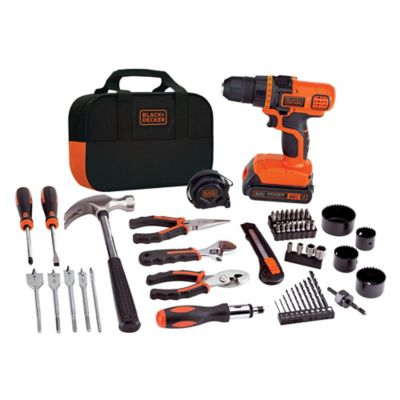
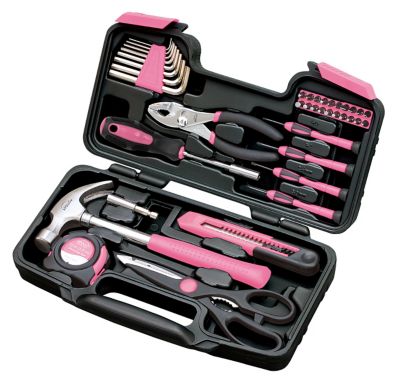
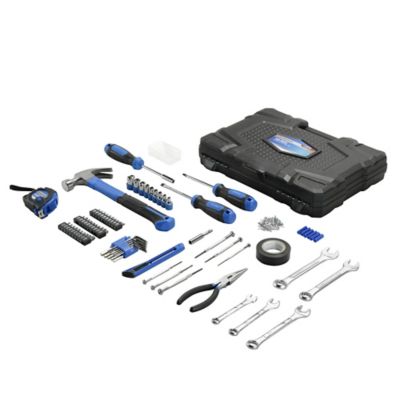
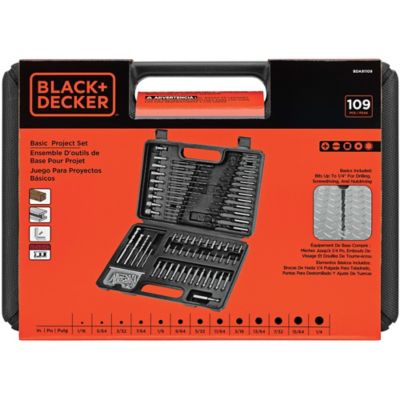
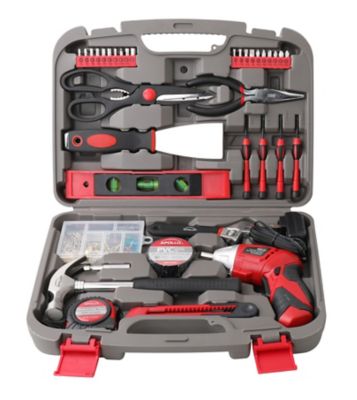
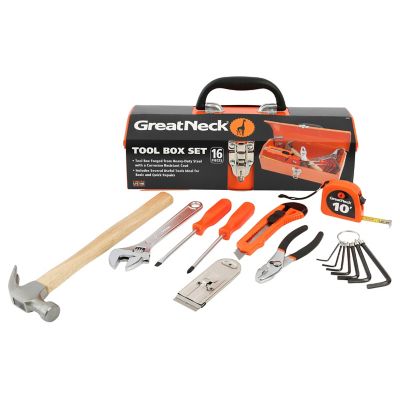
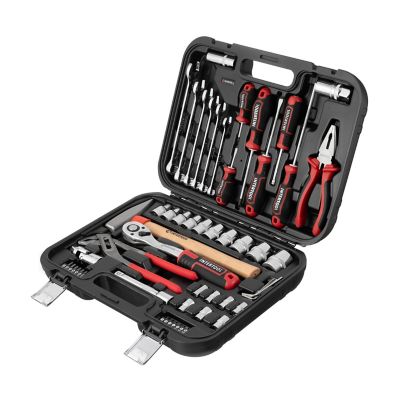
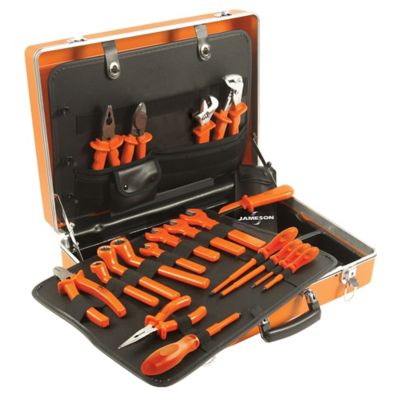
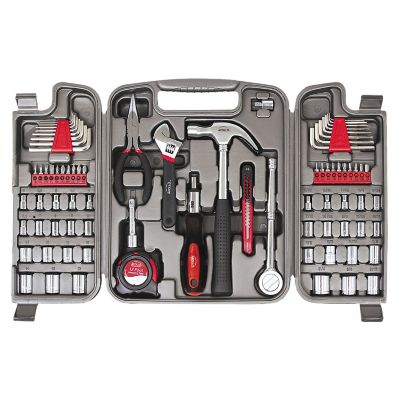
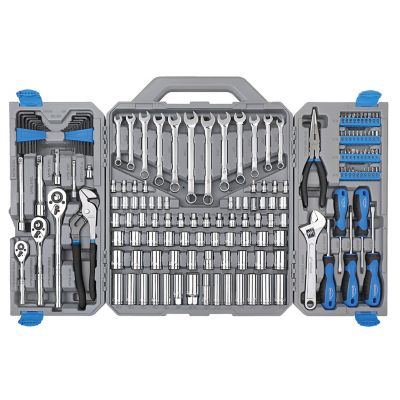
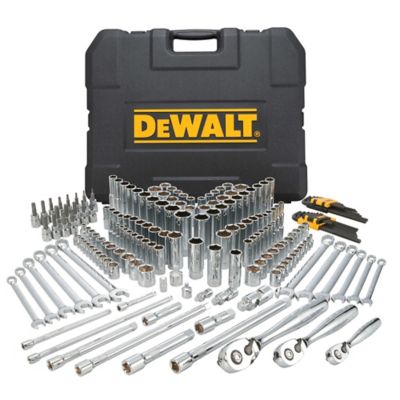
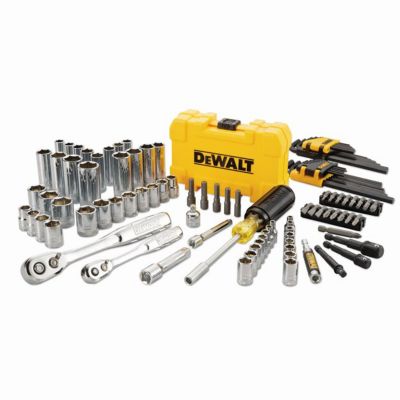
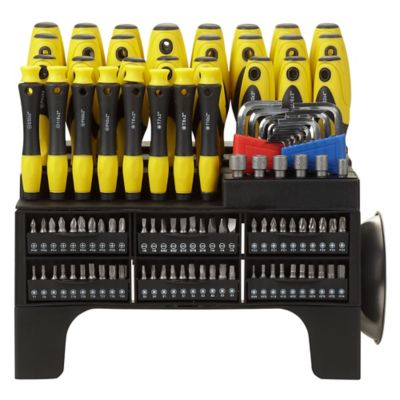
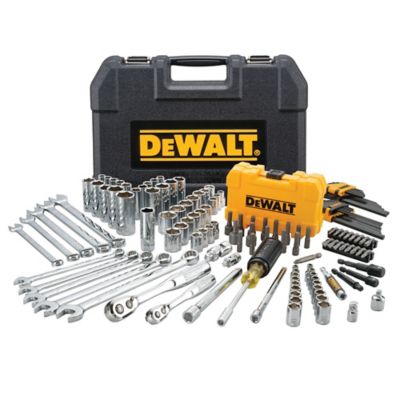
Home Repair Tool Set is a practical starting point for that kind of everyday upkeep. Sets with both standard and metric sizes help accommodate different hardware, especially when furniture, appliances, and household fixtures call for different fasteners. Small components deserve a look, too: screwdriver bits, sockets, and hex keys may account for much of a kit’s piece count. The contents list gives a clearer picture of what the set can actually tackle. Household tool sets work best when their contents match familiar jobs, with enough variety to handle routine adjustments and enough organization to make the right tool easy to find.
Materials, handle design, and working size all affect how a home tool kit feels once the case is open. Steel construction is common across hand tools, with hardened working surfaces helping screwdriver tips, plier jaws, and socket openings resist wear. Chrome finishes can help protect exposed metal from corrosion, although no finish replaces sensible care. Chrome-vanadium steel is common in sockets and wrenches, while hammer handles may be steel, fiberglass, or wood. Those choices change the balance, weight, and feel of a tool in the hand. A lighter hammer can be easier to control for small household tasks, while a heavier head brings more striking force and calls for a steady grip. Cushioned handles can make repeated gripping more comfortable, but handle shape matters just as much as padding. A grip that feels secure should still allow fingers to close naturally without stretching around an oversized handle. For work inside a cabinet or beside a wall, shorter tools may offer useful clearance; longer handles need more room to swing. Fastener fit matters throughout the kit. A screwdriver tip should seat fully in the screw head, and a socket should match the fastener size rather than wobble around it. An adjustable wrench adds flexibility, but fixed-size wrenches and sockets can offer a snug fit for repeated tasks. Pliers serve a different purpose: slip-joint styles handle general gripping, while needle-nose jaws reach into narrow spaces and hold small parts. Measuring tools bring their own practical details, including easy-to-read markings, a blade lock that holds firmly, and a case that sits comfortably in the palm. These are the features that matter when measuring a doorway for furniture or marking shelf brackets above a work surface. A household kit need not handle every repair; it should feel manageable and suit the scale of the jobs it is meant to cover.
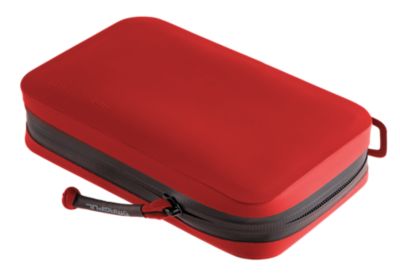
Storage makes a real difference in whether a tool kit stays ready for the next loose screw or crooked cabinet door. A fitted case gives each piece a place and makes a missing socket easy to spot before the kit goes back on the shelf. Molded cases keep tools separated during carrying, while zippered bags and open compartments leave more room for additions over time. Latches, hinges, carrying handles, and the layout inside deserve attention alongside the tools themselves. A case that opens flat on a table can keep small parts visible, and clearly marked spaces help put everything back after a repair. For a smaller home, a compact set may tuck into a closet or utility-room cabinet; in a larger household, a grab-and-go kit can travel from the kitchen to an upstairs bedroom without several trips to the garage. Keeping metal surfaces clean and dry helps prevent rust, and wiping away dust or residue before storage keeps moving parts from collecting grit. Any lubrication or protective treatment should follow the tool maker’s care directions, particularly around grips and measuring components. Damaged handles, cracked cases, loose hammer heads, and badly worn tips are signs that a tool needs attention or replacement rather than another job. Household tool kits also make useful gifts for someone moving into a first apartment, buying a home, or taking on more of the small fixes around the place. A manageable assortment and an easy-to-carry case often matter more to a new tool owner than a sprawling collection. For someone already comfortable with repairs, a second kit can keep frequently needed tools close to the living space. These sets are meant for ordinary assembly, adjustments, and maintenance, not every electrical, plumbing, or structural problem. Matching the tool to the task, wearing suitable eye protection, and knowing when a repair calls for professional help keep a simple household fix from becoming a bigger job.