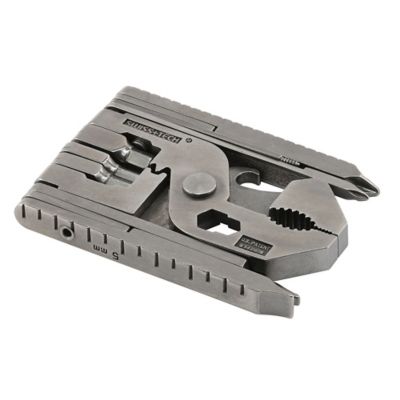
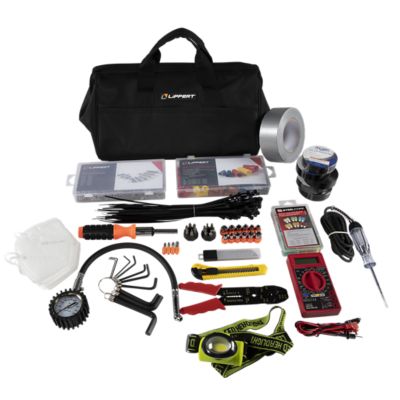
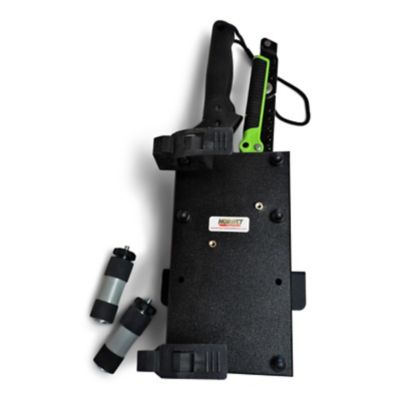
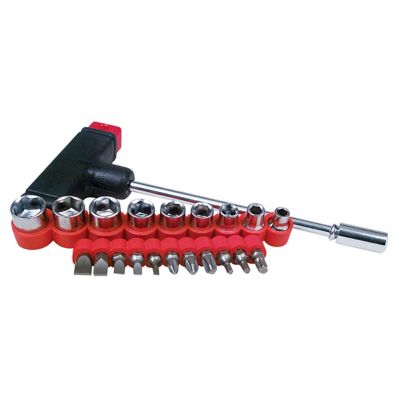
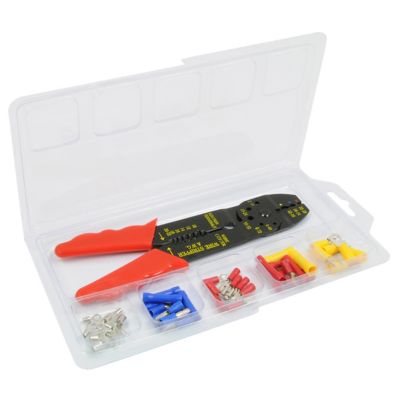
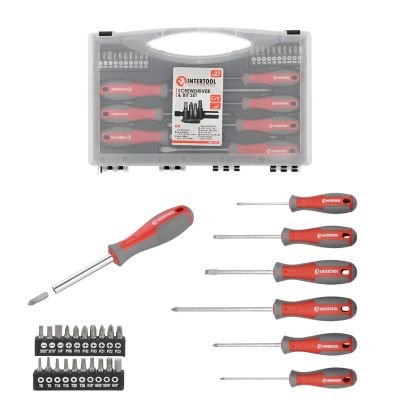
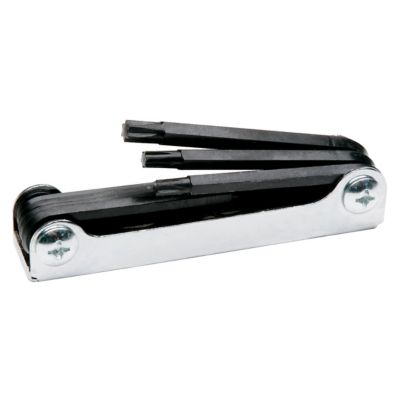
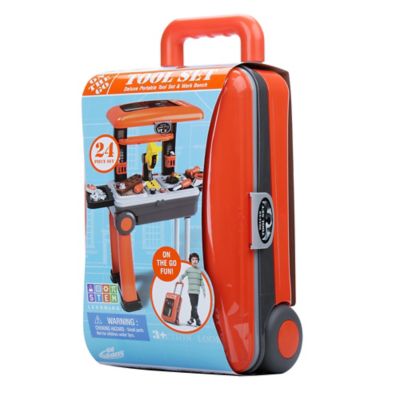
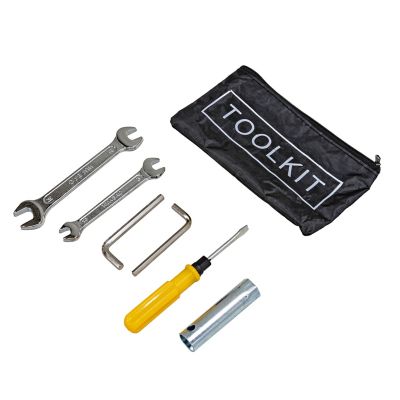
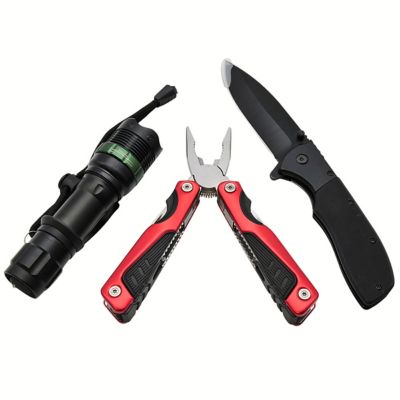
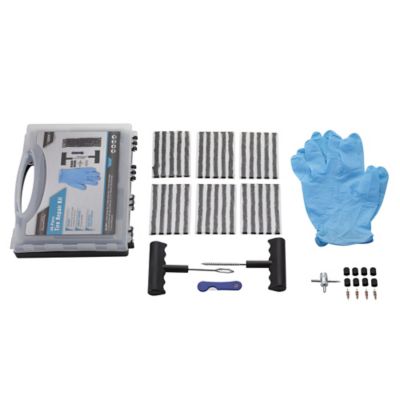
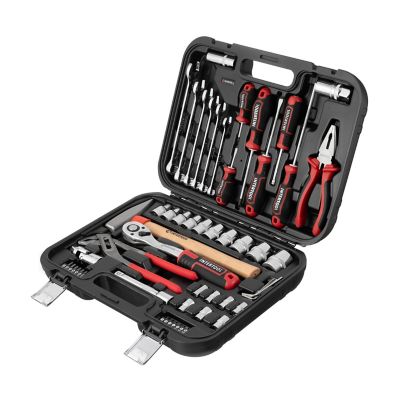
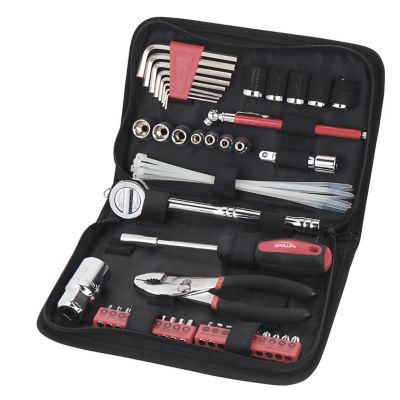
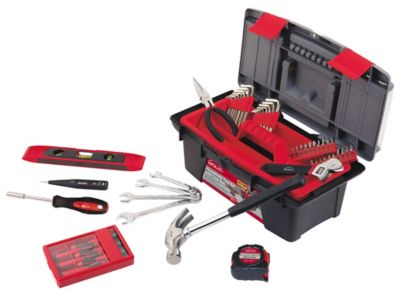
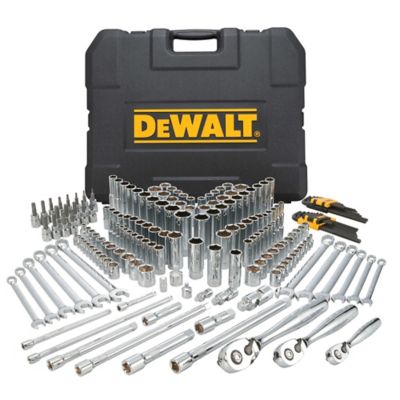
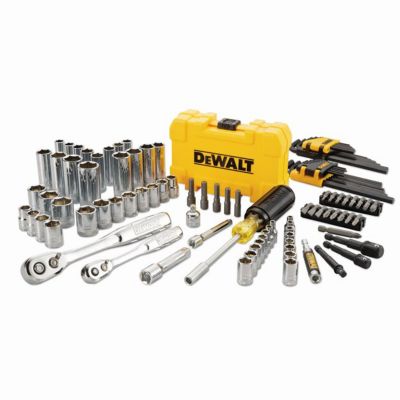
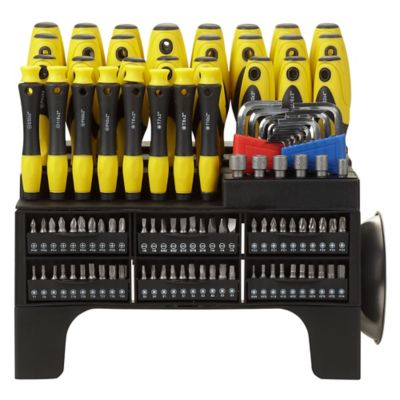
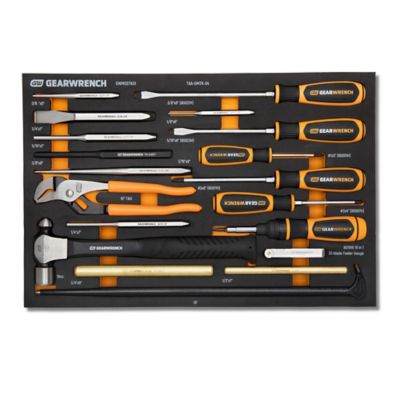
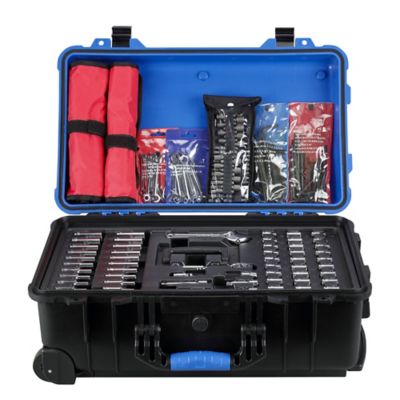
Travel tool kits are compact sets of hand tools packed for transport, keeping basic repair gear together in a vehicle, trailer, camper, or travel bag. They make sense for the small jobs that turn up away from the workbench: a loose cabinet handle at the campsite, a stubborn fastener on a storage rack, or a bracket that needs attention before equipment heads back down the road. Unlike a full shop setup, a travel kit puts the emphasis on carrying practical tools without taking up the whole truck cab. The right assortment depends more on the equipment along for the ride than on the number printed on the case. A smaller set with the right wrench sizes can be more helpful than a larger assortment that does not match the job. Common tool categories include sockets, ratchets, combination wrenches, screwdrivers, pliers, and hex keys, though the contents vary from set to set. Metric and SAE inch sizes are an important distinction, especially for households with a mix of vehicles, implements, and recreational equipment. Screw and bolt head styles matter, too; a driver that fits snugly is less likely to slip or damage the fastener than one that only comes close. Reach also affects usefulness. Short tools tuck into tight spaces, while longer handles can provide more leverage but require additional room to swing. A compact ratchet may fit under a seat yet still need an extension to reach a recessed bolt. For folks hauling a camper, making service calls, or traveling between farm properties, these details help separate a convenient carry-along set from a case full of tools that rarely leave their slots. Piece counts deserve a closer look because bits, sockets, and other small accessories may each count toward the total. A balanced travel tool kit brings together suitable sizes, manageable weight, and enough working range for familiar tasks, rather than trying to stand in for every tool back at the barn.
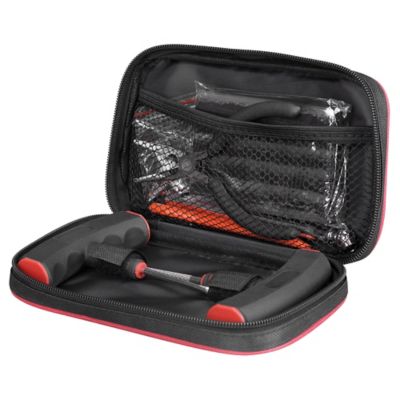
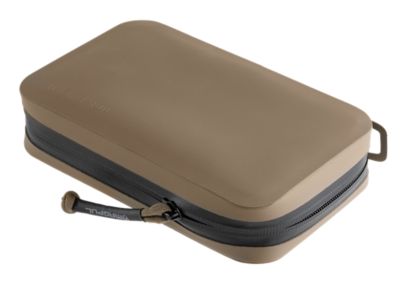
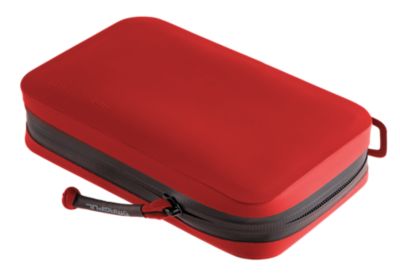
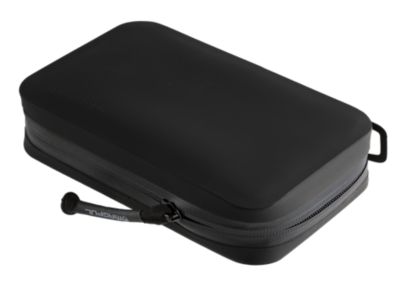
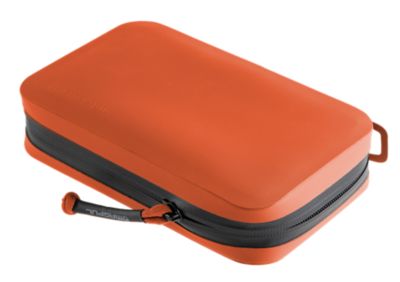
Materials and construction affect how a travel tool kit handles repeated packing, vibration, and everyday work. Steel hand tools are common, with chrome-vanadium steel appearing in many sockets and wrenches. Metal composition is only part of the picture; heat treatment, tool shape, and the fit against a fastener also influence performance. Plated finishes can help resist corrosion and make grease easier to wipe away, but no finish takes the place of basic care. Tools put away clean and dry are less likely to develop rust or leave grit inside a ratchet mechanism. Grip design matters when a repair takes more than a quick turn. Broad screwdriver handles can feel steadier in the palm, while textured surfaces may help maintain a hold when hands are slick. A soft grip, however, does not by itself mean a tool is rated for electrical work. The carrying case deserves just as much attention as the steel inside it. A molded case with fitted spaces makes missing tools easy to spot before leaving a campsite or jobsite. Secure latches help keep the contents together when the case gets shifted around behind a truck seat. Fabric bags offer a different kind of flexibility, with pockets and compartments that can accommodate tools of varying shapes. Reinforced stitching, a supported bottom, and comfortable handles are useful details when the kit travels often. Exterior dimensions matter as much as weight: a case needs to pass through the storage opening and sit without crowding passengers or interfering with seat movement. Organization should also hold up when the kit is carried upright, laid flat, or opened on uneven ground. Removable trays and clearly marked sizes can make a small workspace easier to manage. After a job, a quick wipe-down and a check for cracked handles, worn driver tips, or damaged sockets help keep the kit ready for the next trip. Storage away from leaks and standing water protects both the tools and the case.
The best match for a travel tool kit comes down to where it will ride and what its owner is comfortable repairing. A driver keeping a set in the cab may favor a slim case that stays easy to reach, while someone traveling with a camper may have room for a broader assortment. Farm families moving between fields and outbuildings often need tools that cover familiar hardware without requiring another trip to the shop. Travelers carrying everything by hand have a different trade-off: each additional tool adds weight, so useful coverage matters more than a crowded bag. For air travel, airline and security restrictions can limit what belongs in carry-on baggage, and the rules should be checked before packing. A travel kit can also make a practical gift for a new driver, a camper owner, or someone setting up a first truck, provided the tools match the recipient’s equipment and experience. Familiarity counts; clearly marked tools and an orderly case can be more helpful than an assortment built around specialized repairs. These sets work best with realistic expectations. A compact hand-tool kit does not replace diagnostic equipment, lifting equipment, or the specialized tools that some vehicle repairs require. Critical fasteners need the tightening specifications supplied by the equipment manufacturer, and repairs involving brakes, fuel systems, or other safety-related parts may call for trained help. Roadside work also requires a safe place away from moving traffic; having tools along is not a reason to attempt a repair on a narrow shoulder. For larger building and property projects,
Construction Tool Kits are a related category to consider alongside a smaller travel setup. Keeping those roles separate makes packing simpler: the travel set handles manageable tasks away from home, while the shop holds the equipment for more involved work. With sensible tool coverage, a case that fits its storage spot, and a little care after each job, a travel tool kit earns its place without taking over the ride.