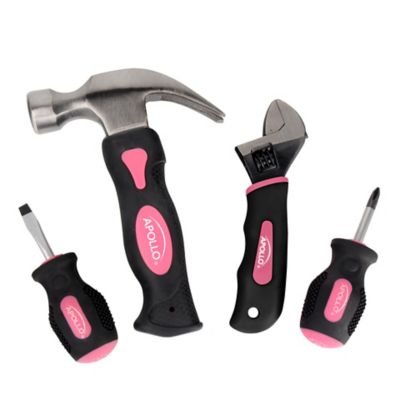
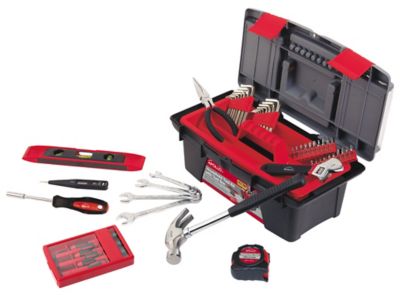
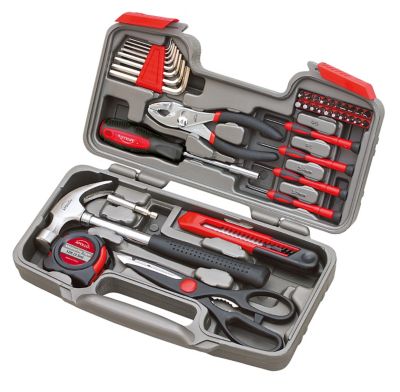
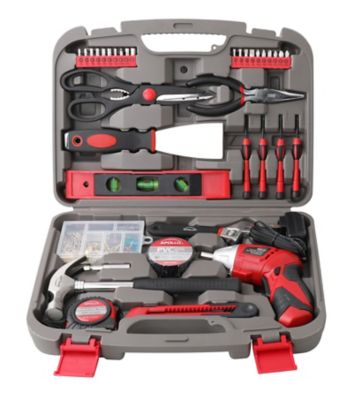
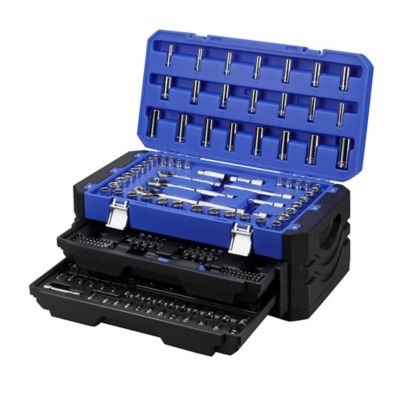
Compact tool kits bring the basic tools for everyday repairs together in a small, easy-to-carry case. They are handy for more than just a crowded workshop bench: keep one in a truck, glove box, camper, utility room, garage, barn office or kitchen drawer for those jobs that pop up without much warning. A loose cabinet pull, wobbly chair leg, battery terminal, gate latch or picture frame can often be handled with the right screwdriver, pliers, hex keys and a small hammer close at hand. For drivers, a compact kit can provide useful backup for simple roadside adjustments, equipment checks and minor fixes around the farm or property. For renters, college students and first-time homeowners, a small household kit covers many of the repairs that come with settling into a new place without taking up the room or cost of a full-size toolbox. These kits also make practical gifts for a new homeowner, a handy friend, a family member heading off to school or anyone setting up a workbench in a shed or garage. During the warmer part of the year, a portable set can ride along for camping trips, trailering, fence work and outdoor projects; when the weather turns cooler, it is just as useful for tightening storm-door hardware, assembling indoor furniture and taking care of small repairs before winter chores settle in. A compact case keeps tools from rolling around under a seat or getting buried beneath extension cords, and molded slots or labeled pockets make it easier to spot a missing bit when the light is fading.
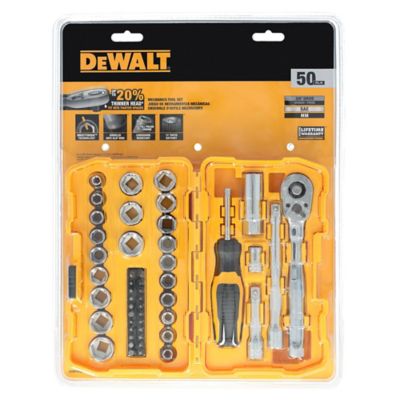
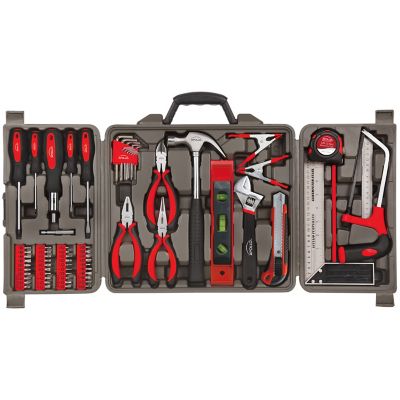
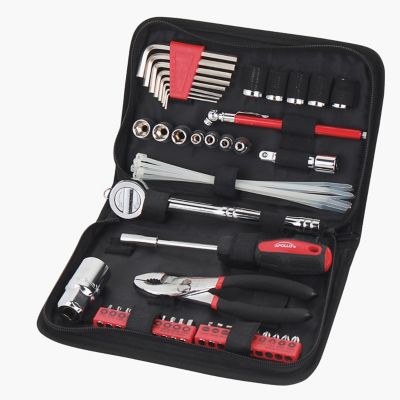
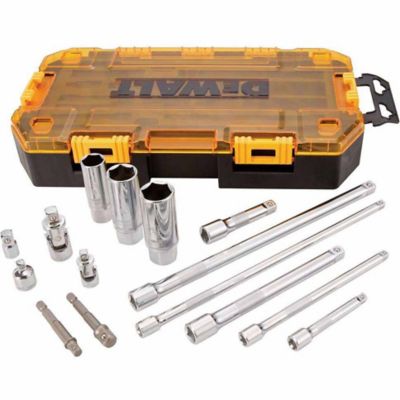
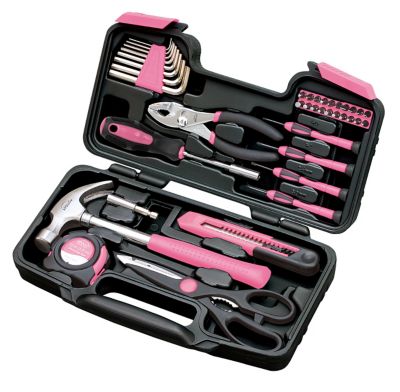
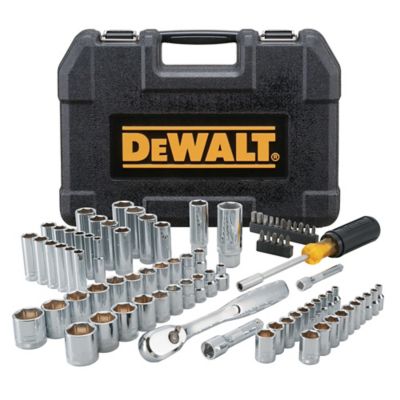
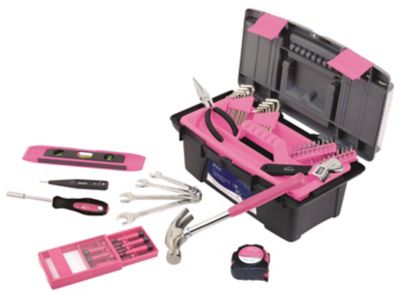
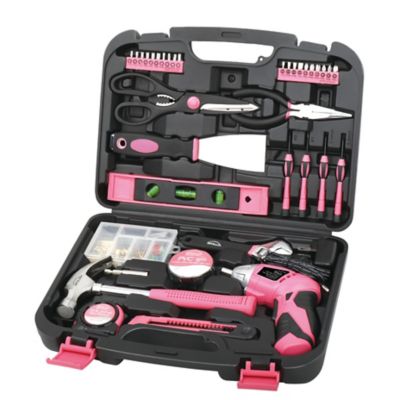
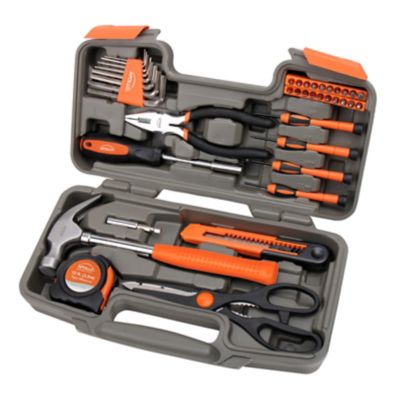
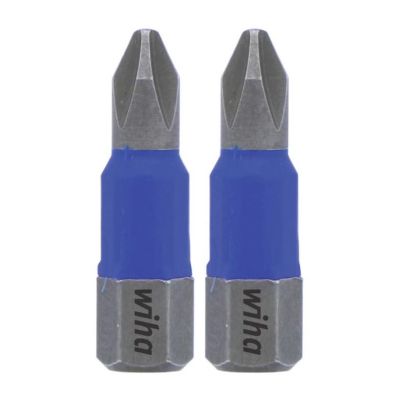
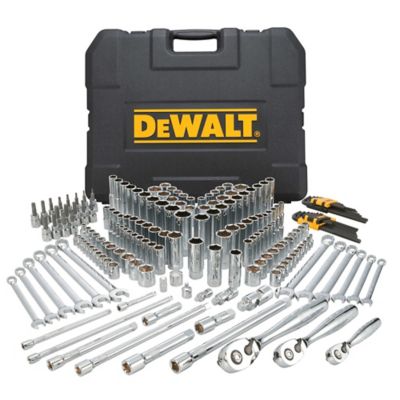
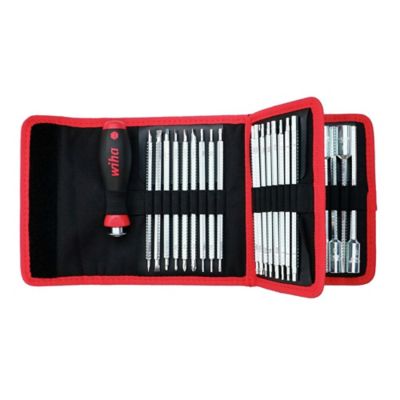
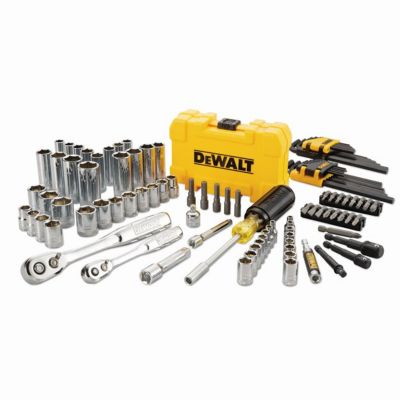
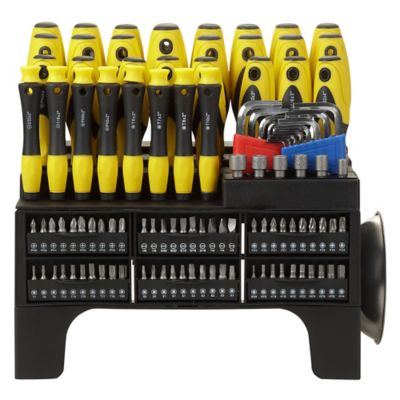
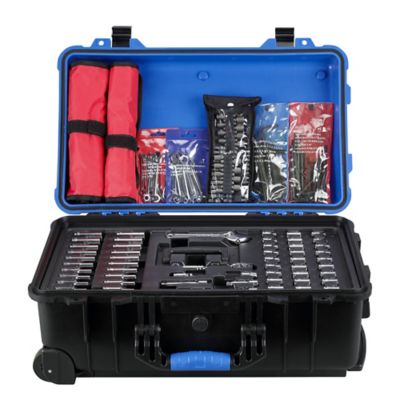
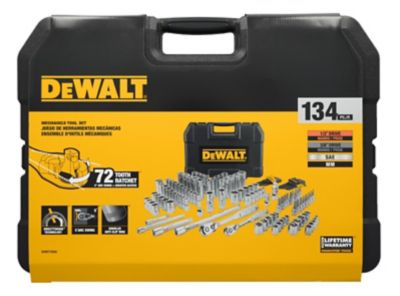
When comparing compact tool kits, start with the kind of work you expect to do most often. A general household set commonly includes a claw hammer, tape measure, utility knife, adjustable wrench, combination pliers, screwdrivers and a selection of hex keys. An automotive-focused set may put more emphasis on a ratchet, common sockets, extension bars, combination wrenches and pliers that can reach fasteners under a hood or around a trailer. If you work on bicycles, lawn equipment or small engines, look for a useful spread of metric and standard sizes, since fasteners can vary from one machine to the next. Kits made for electronics and small hardware usually include precision drivers, fine-point tweezers and small bits for delicate screws, rather than larger hand tools. A ratchet or driver with interchangeable bits can save space while giving you more flexibility, but make sure the bit holder grips securely and that the included sizes match the fasteners you see around the house, shop or vehicle. Socket markings should be easy to read, and tools should sit firmly in the case instead of rattling loose every time it gets carried across a gravel drive. For work in tight mechanical spaces, a short-handled ratchet or compact driver can fit where a standard handle cannot, though a smaller tool should still feel solid in your hand. Pay attention to the case, too: a soft zippered pouch is light and slips neatly into a glove box, while a hard case offers more protection for small bits and precision pieces. A handle with a comfortable grip matters when a stubborn screw takes a little extra effort, and smooth, well-finished jaws on pliers can help prevent unnecessary marring on nuts and fittings.
Build quality is worth considering even when the kit is meant for occasional repairs. Chrome-vanadium steel and heat-treated carbon steel are commonly used for durable sockets, wrenches and drivers because they are designed to handle regular turning force without easily bending or rounding. Look for tips that fit screw heads cleanly, ratchets with a positive direction switch and sockets with clear size markings. A kit does not need the biggest piece count to be useful; a thoughtfully chosen selection of dependable tools is often more valuable than a case filled with duplicate bits or sizes you are unlikely to use. Before choosing, think about where the kit will live, how often it will travel and whether you need standard measurements, metric measurements or both. If the main job involves vehicles, trailers, implements or machinery, browse
Mechanic Tool Kits for options suited to mechanical work. For general repairs, choose the pieces that match your routine and leave room for a few additions over time. A compact tool kit will not replace every tool in a fully equipped shop, but it can turn a frustrating five-minute repair into a straightforward job, whether you are tightening a hinge before supper, fixing a loose handle at the barn or making a quick adjustment before heading down the road.