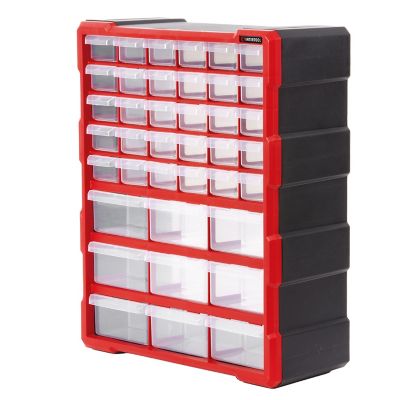
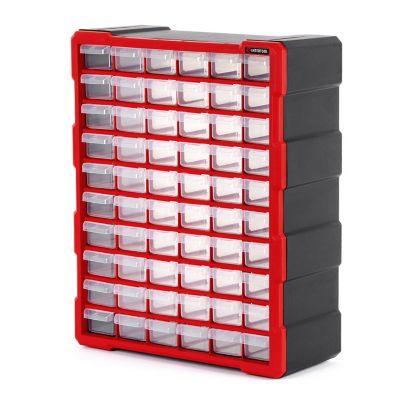
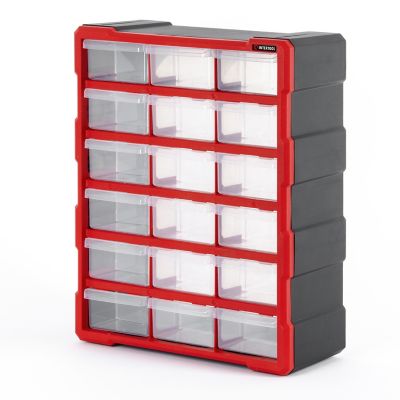
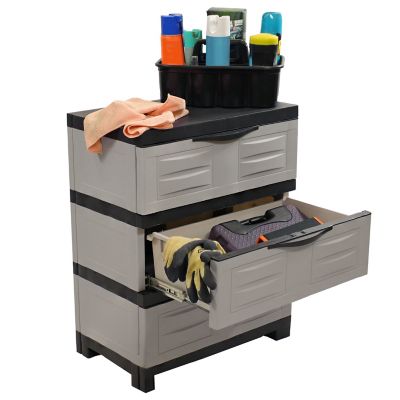
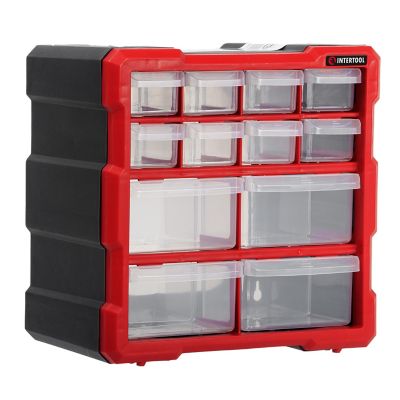
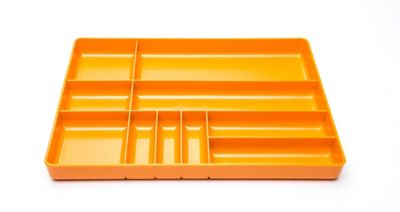
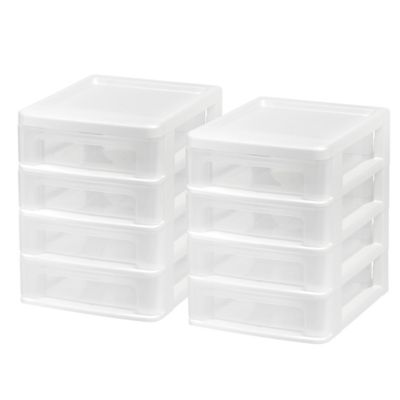
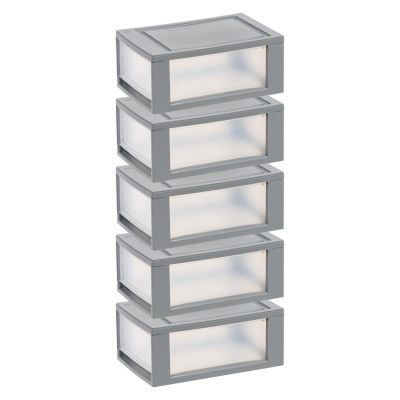
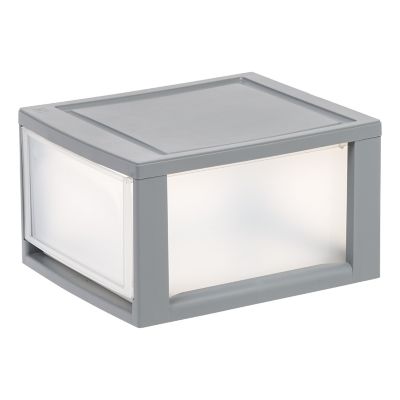
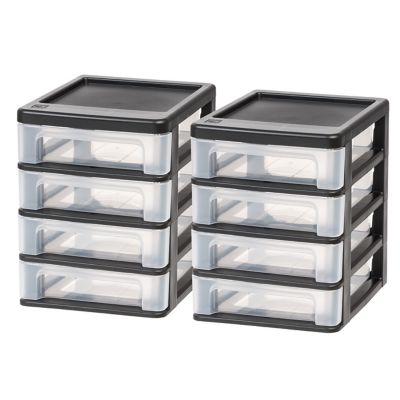
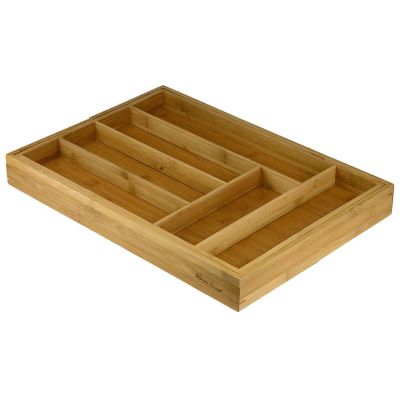
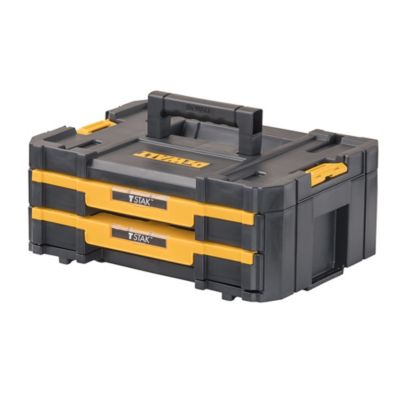
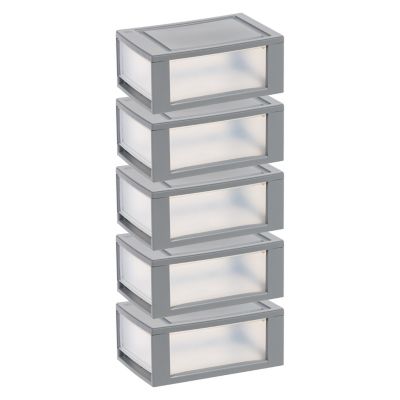
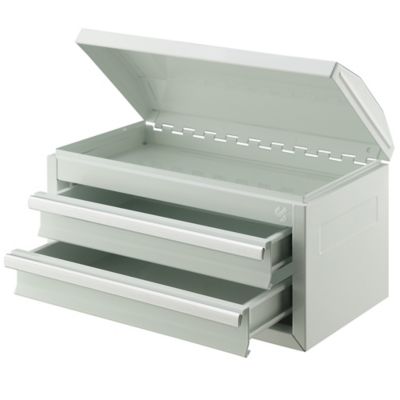
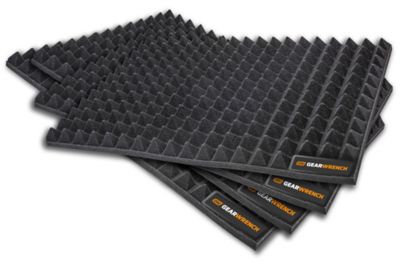
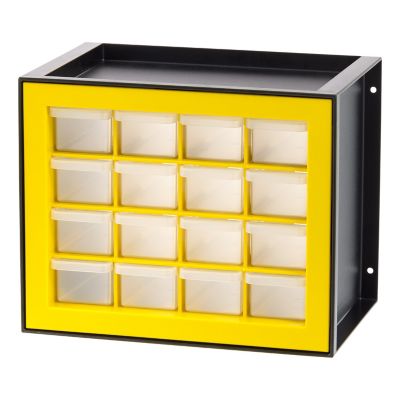
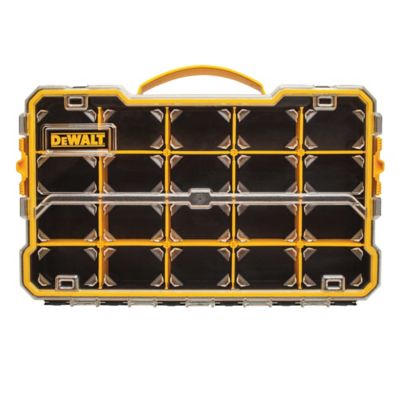
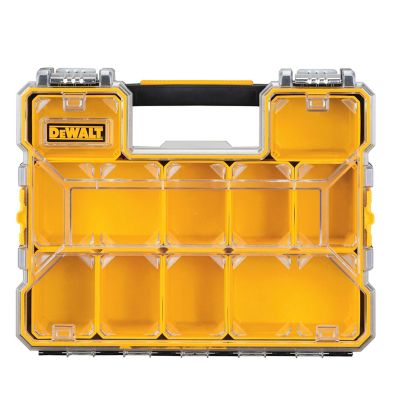
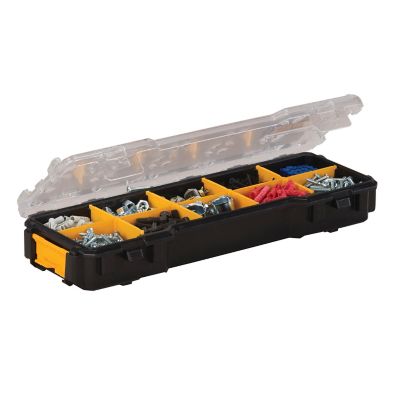
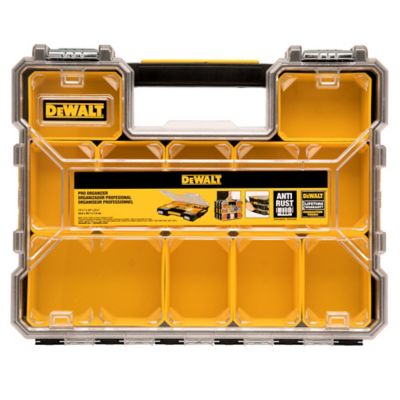
A tool drawer organizer keeps tools and small hardware in their places inside a tool chest, rolling cabinet or workbench drawer. Common styles include divided trays, adjustable dividers, foam inserts and nonslip liners. They solve different problems: Trays keep little pieces from getting mixed together, dividers turn a wide drawer into separate lanes, foam inserts give individual tools a place to sit, and liners help slow the slide without dictating where every tool goes. A shallow drawer near the work surface might hold the wrenches and drivers that come out for everyday repairs, while a deeper drawer can give heavier hand tools room to lie flat without their handles catching on the drawer above. Compartment size matters as much as the number of compartments. A tray full of little pockets makes sense for fasteners, bits and other small pieces, but long, open sections leave room for tools with wide grips or handles that don’t line up neatly. On a bench where the work runs from tightening a gate latch to fixing a loose mower handle, an open layout makes it easy to grab what feels right for the job. In a shared shop, a more defined layout makes it just as easy for the next person to put everything back. An empty spot in a fitted insert is easy to see before the drawer gets shut, especially when several people pull tools from the same chest. Trays with raised edges can also help keep loose pieces together when a rolling cabinet moves across the shop floor. Not every drawer needs that level of separation, though. A liner may be enough in a drawer that holds only a few broad, heavy tools, while a mix of long channels and small compartments can make better sense in a busy top drawer. The right layout leaves enough space to get a hand around a handle without having to pick up two other tools first.
Fit starts with the usable space inside the drawer, not the width printed on the outside of the cabinet. Interior width and depth matter, but so do the corners, any lips or ridges along the sides, and the clearance above the organizer once the tools are in place. A tray can fit the footprint and still sit too high if the tool handles rub as the drawer closes. Low dividers suit shallow drawers where everything needs to stay in one layer. Taller walls can keep loose hardware from hopping from one section to another in a deeper drawer, but a tall, narrow pocket can make a small piece harder to pinch out with work gloves on. A single insert covers more of the drawer in one piece, while separate trays leave room to work around odd corners or set aside a spot for a tool that doesn’t fit the rest of the layout. Material makes a difference in how the setup feels and holds up. Rigid plastic trays are easy to lift out and wipe down, and thicker bases with supported corners make sense under heavier pieces. Steel dividers offer a firm partition in a drawer that gets opened and closed all day. Foam cushions tools against contact with the drawer and quiets some of the rattle, though softer foam may compress where heavy tools bear down on it. Rubber and other grippy liner materials are useful when the goal is to keep a row of tools from sliding to the back without closing them into compartments. For drawers that see greasy tools, a smooth surface and open corners make cleanup simpler than a fabric surface or a tight pocket that catches grit. Some setups need to flex as the tool collection grows, so movable dividers and separate trays make sense there. A fixed arrangement works well when the same set of tools goes out and comes back every day. If some of that work happens away from the bench, the
Truck Tool Box Organizer page covers storage for gear that rides along to the job.
A little attention to care helps a drawer organizer hold up through daily work. Metal filings, sawdust and grit tend to settle at the bottoms of trays and beneath lift-out liners, where they can scratch the drawer or wear against tool finishes. Smooth trays can generally be wiped with a soft cloth, while a soft brush works well for getting loose debris out of foam recesses and tight corners. Mild soap is enough for many surfaces, though care directions matter around foam, rubber and finishes that may not take well to strong solvents. Letting a tray or liner dry before it goes back keeps moisture from sitting against the drawer bottom, and wiping off oily or damp tools before putting them away makes the next cleanup easier. Heavy hand tools are better supported on a flat base than perched across thin divider walls, and a tool that sits fully in its spot is less likely to drag against the cabinet frame. Those details matter whether the organizer is headed for a mechanic’s chest, a farm shop or the workbench in a home garage. Someone who handles repairs across several buildings may appreciate lift-out sections that keep small parts together on the walk from the bench to the job. A woodworker may want shallower compartments that keep measuring and marking tools separate from heavier gear. For a new homeowner setting up a first workbench or someone who has just added a rolling cabinet to the shop, a drawer organizer can make a practical gift. Separate trays or movable dividers offer some room to make the layout their own when the exact tool mix isn’t known; a fitted insert is a better match when the drawer dimensions and the tools it will hold are already established. In either case, the payoff is easy to notice on an ordinary day: The drawer opens, the right tool is in reach, and there’s no need to dig through a pile with a half-finished repair waiting on the bench.