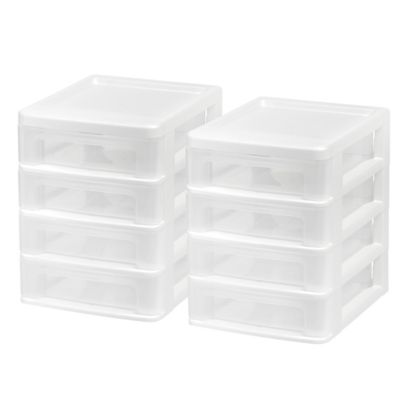
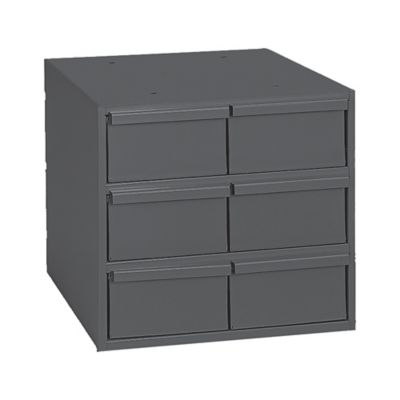
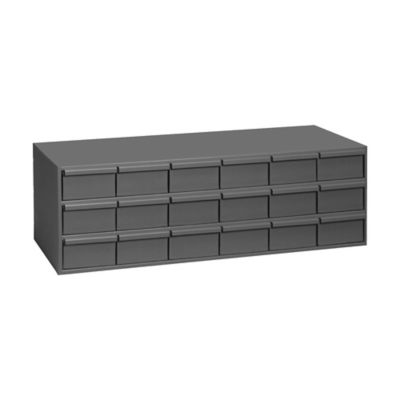
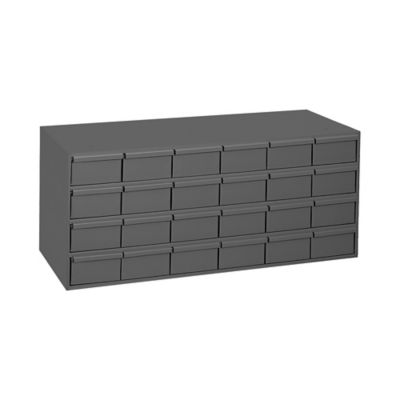
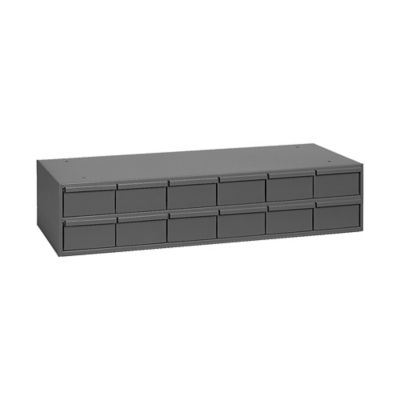
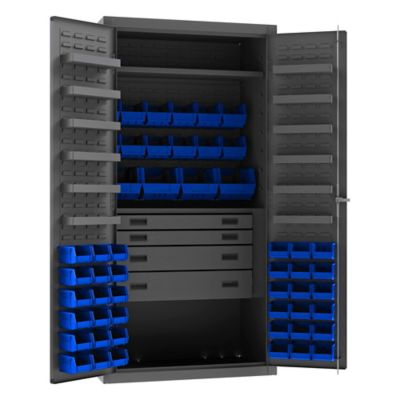
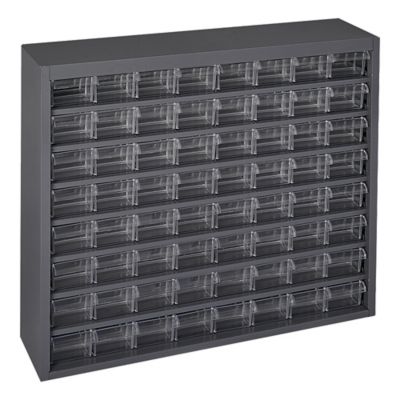
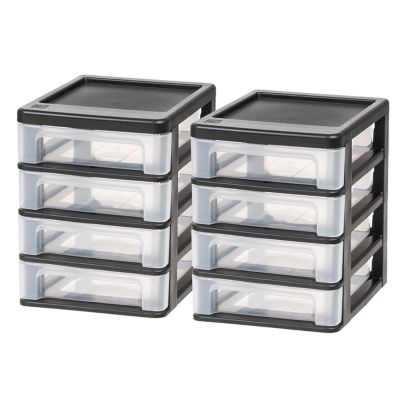
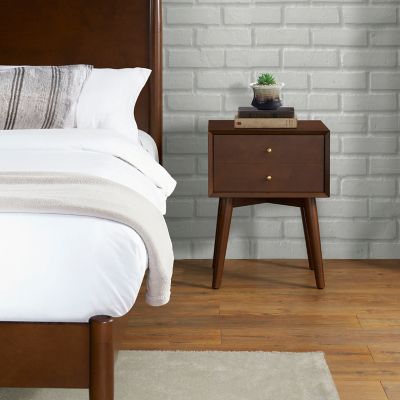
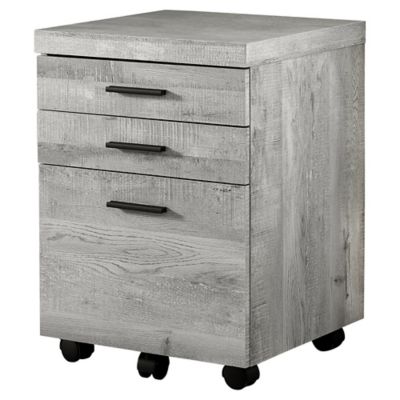
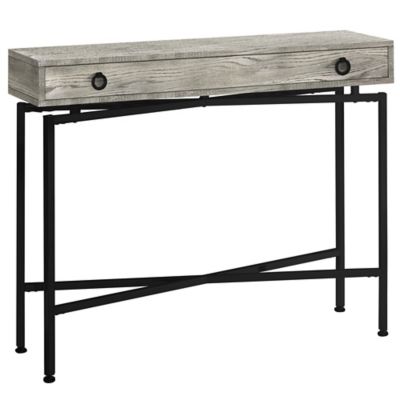
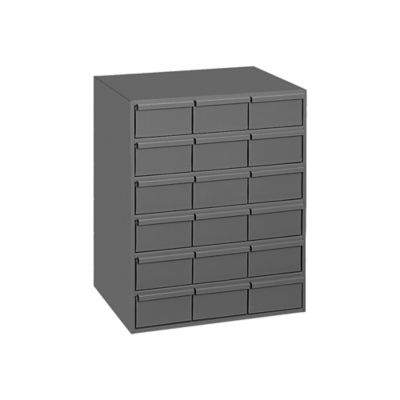
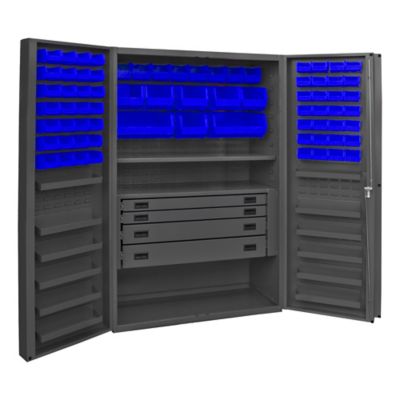
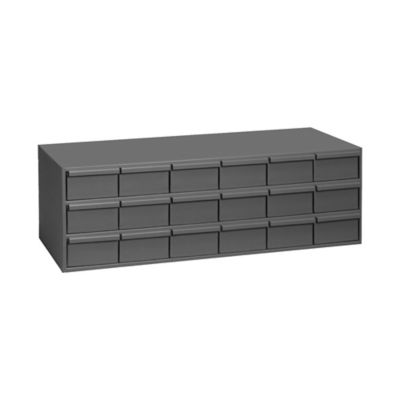
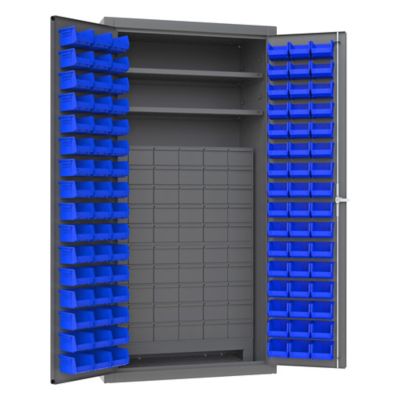
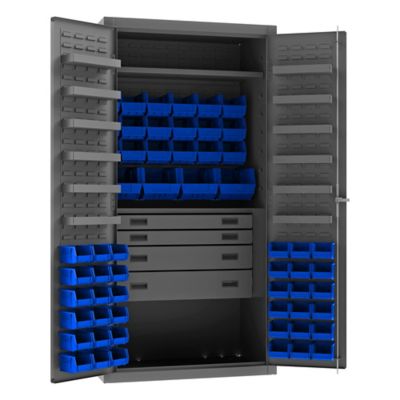
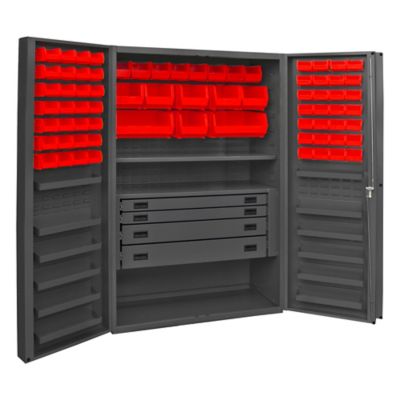
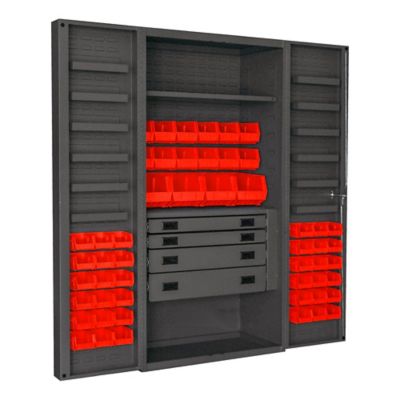
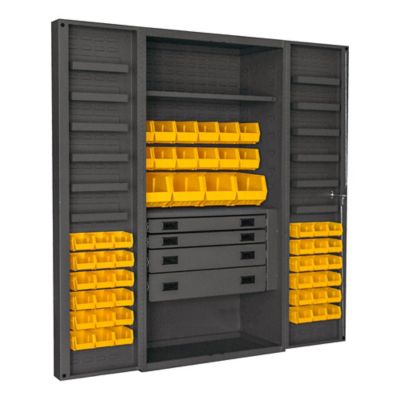
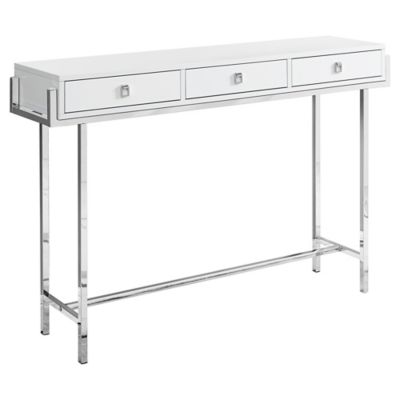
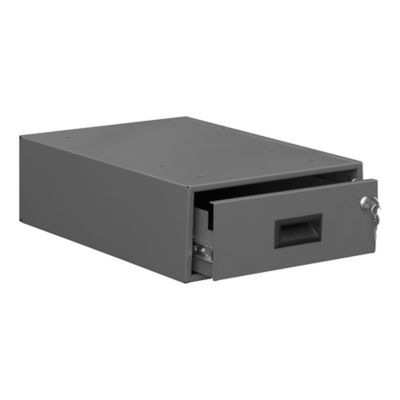
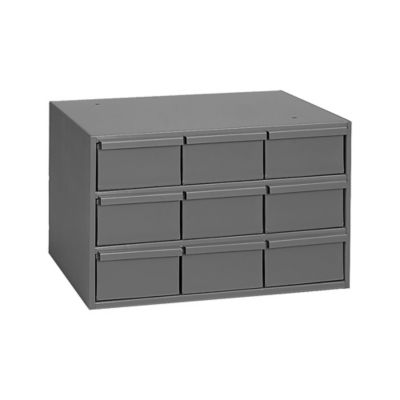
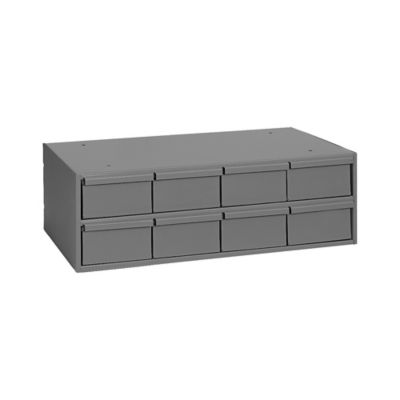
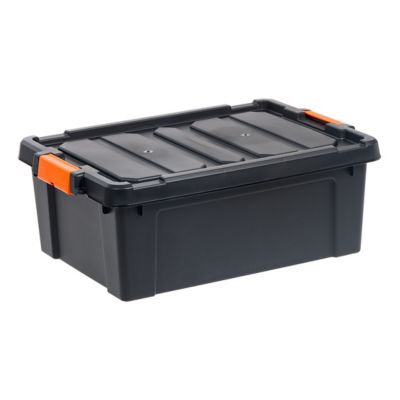
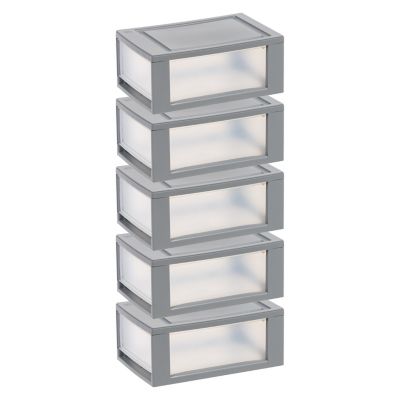
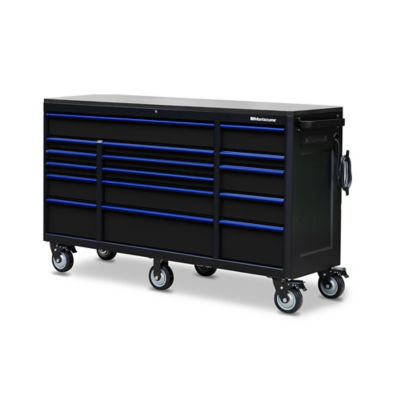
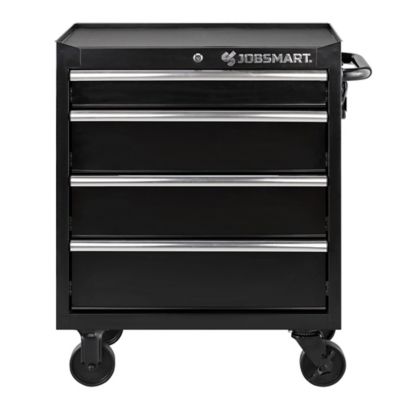
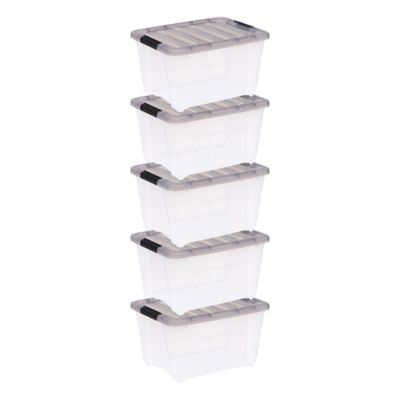
A drawer unit gives everyday supplies a home while keeping them close at hand, whether it sits beside a desk, under a workbench, or along the wall of a mudroom. These storage pieces come in many shapes and sizes, from compact rolling carts with several shallow drawers to taller cabinets with room for clothing, paperwork, tools, craft supplies, or household odds and ends. A small unit can keep pens, tape, chargers, receipts, and spare keys from spreading across a work surface. Larger drawer storage can hold folded shirts, gloves, office files, grooming supplies, or the small parts that tend to collect around a shop or shed. For farm offices and home workspaces, drawers help separate invoices, seed notes, warranties, and everyday supplies so they are easier to find when the phone rings or a task needs attention. In a bedroom or closet, they make use of vertical space without taking up the room required by a wide dresser. A rolling design can be handy when a project moves from the office to the garage, while a stationary unit may suit a more settled workspace. Clear fronts make it easier to spot what is inside, while solid drawer fronts give a room a cleaner, more finished look. Metal, wood, and molded plastic each bring a different feel and care routine, so think about where the unit will live and what it will hold before choosing one.
Size is one of the first details to check. Measure the open space, then leave enough room for drawers to slide out fully without hitting a wall, chair, door, baseboard, or nearby equipment. A narrow unit can fit beside a desk or refrigerator, but a wider cabinet may be a better match for folded clothes or files. Drawer depth matters, too. Shallow drawers are useful for small desk supplies, fasteners, grooming items, and other pieces that are easy to lose in a deep bin. Deeper drawers can handle bulky clothing, hand tools, pet supplies, or seasonal accessories. Pay attention to the total height if the cabinet will sit under a counter or worktable, and check the width of doorways if the unit arrives assembled. For a busy home office, look for smooth drawer movement, a stable frame, and casters that lock when the unit is in place. In a workshop, consider the weight of the items you plan to store and choose a cabinet suited to that load. A unit with a finished back can stand away from the wall, while a lighter cart may be easier to move when sweeping, rearranging, or making room for a new project. If your storage needs lean toward wider pull-out compartments, browse
Sliding Drawer Cabinets for another setup to consider. Simple details such as handles that are easy to grip, drawers that open without catching, and surfaces that wipe clean can make a noticeable difference during daily use.
Drawer units can serve nearly any room where loose items need a proper place. In the entryway, use one for hats, work gloves, dog leashes, sunglasses, and keys. In a laundry area, drawers can sort stain supplies, clothespins, sewing tools, and spare buttons. A child’s room may benefit from shallow storage for socks, art materials, books, or small toys, while a guest room unit can hold extra towels and personal items. In a garage or barn office, a drawer cabinet can keep tape measures, labels, batteries, and paperwork together instead of scattered across a counter. These pieces also make thoughtful gifts for someone settling into a first home, setting up a home office, preparing a nursery, or taking on a new hobby. During the cooler months, extra indoor time often brings more sorting, mending, planning, and small repair work, and an organized drawer can make those routines feel less scattered. Add simple labels if more than one person uses the cabinet, and group supplies by task rather than by shape alone—for example, keep fence-repair items together or place all pet-grooming supplies in one drawer. Leave a little open space for future needs, and avoid forcing drawers closed when they are overfilled. With the right size, layout, and placement, a drawer unit can turn an overlooked corner into useful storage and help keep the rest of the room ready for the work, chores, and quiet moments that fill the day.