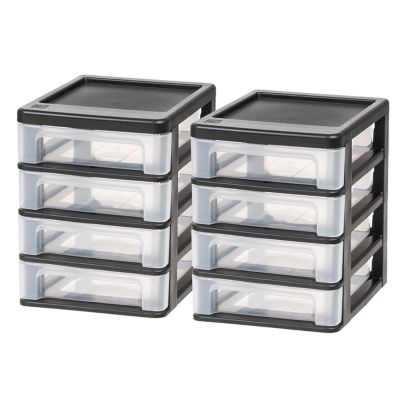
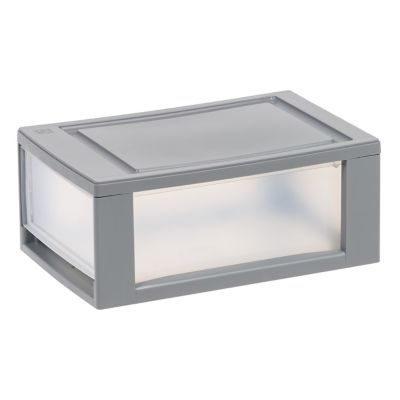
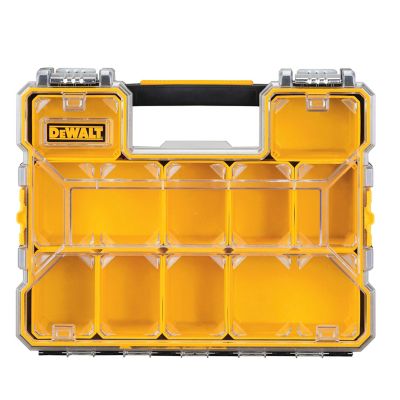
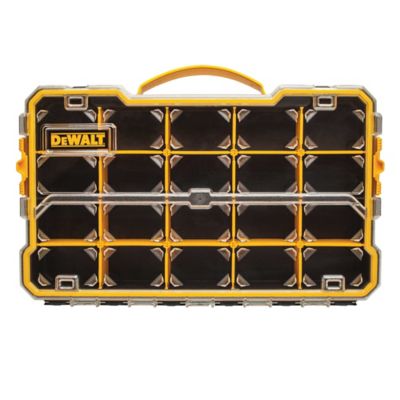
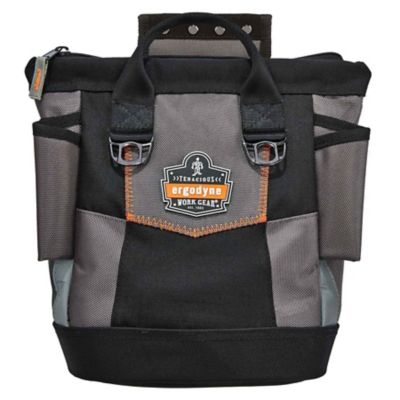
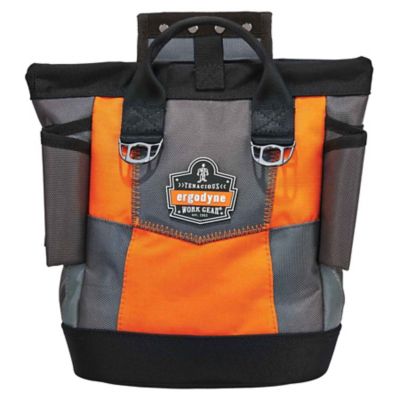
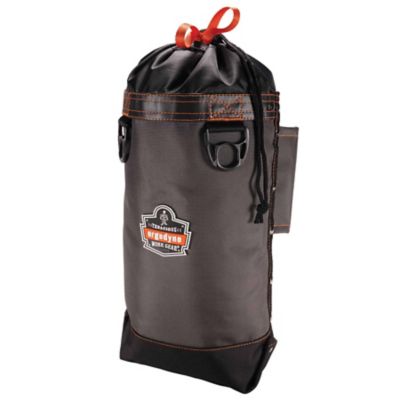
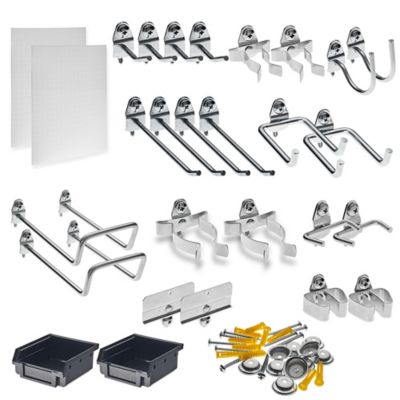
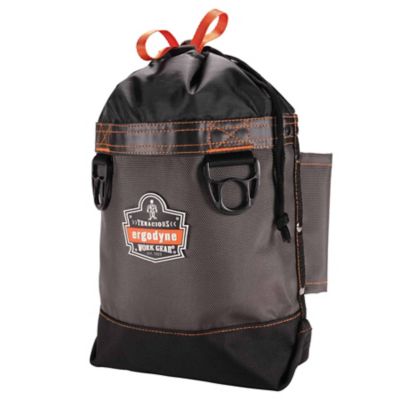
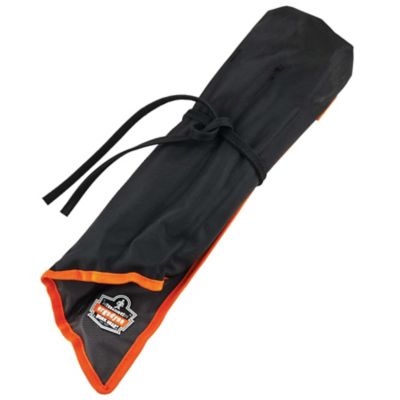
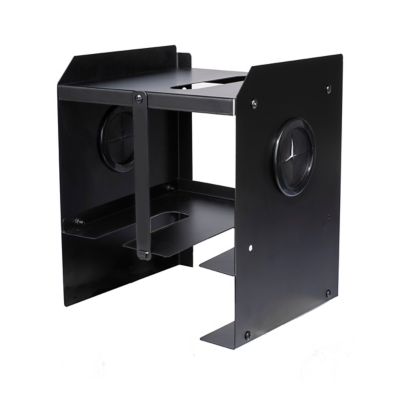
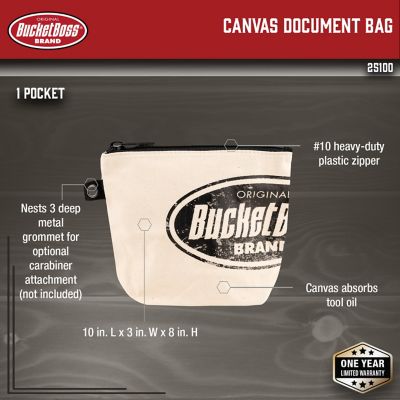
Small tool organizers keep hand tools, drill bits, sockets, screws, and other small parts sorted so you can find what you need without digging through the bottom of a toolbox. They give the little things a place of their own, whether your work happens at a garage bench, in a barn, or out by a fence line. That matters when a loose handful of fasteners can turn a simple repair into a long search. Compartment boxes separate hardware by size or purpose, drawer inserts keep tools from rolling together, and portable organizers carry a manageable selection from one job to the next. Open trays offer quick access at a workstation, while enclosed designs help contain small pieces between jobs. The best fit depends less on how many compartments an organizer has and more on what those compartments need to hold. A collection of short driver bits calls for a different layout than longer punches, pliers, or extensions. Shallow sections keep tiny pieces visible; deeper spaces leave room for larger tools and fuller supplies of hardware. For folks tending acreage, maintaining equipment, or keeping up with repairs around the house, that separation can make the workday run a little smoother. Picture a bench with room to set down a project instead of a scattering of loose sockets and mismatched screws. Having a place to return each piece makes it easier to see what belongs there and spot an empty space before heading out. Small tool storage also makes sense for shared work areas, where more than one person reaches for the same supplies. A clear layout helps everybody put things back where the next person expects to find them. During the cooler months, when more repair work may move into a garage or shop, compact organizers help make the most of bench and drawer space without taking over the whole work area.
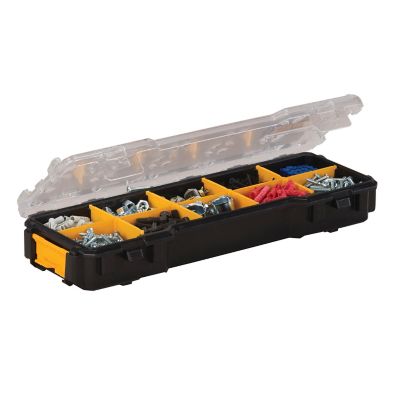
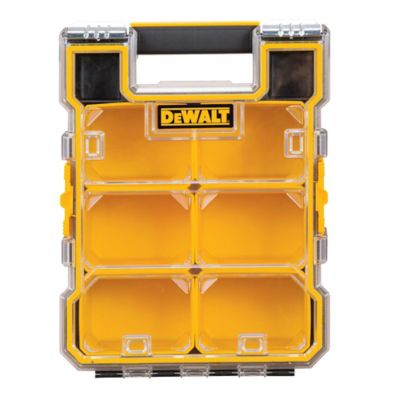
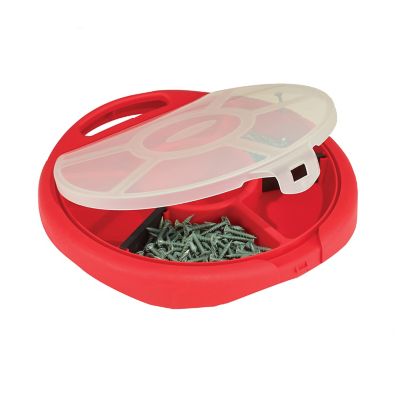
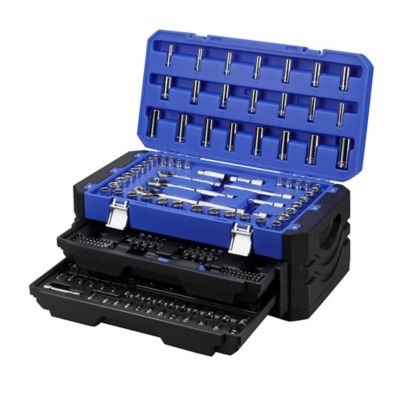
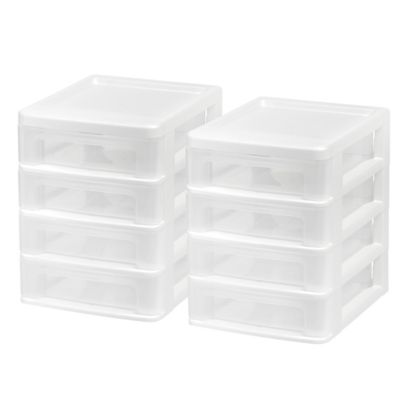
Compartment layout, overall dimensions, lid design, and carrying features are worth a close look when choosing small tool organizers. Fixed compartments keep a consistent arrangement, while removable dividers let you adjust the space for different lengths and widths. With adjustable layouts, the fit between dividers and the lid matters: gaps can let thin washers, small screws, or fine bits slip into neighboring sections when the box tips. A clear lid lets you check the contents before opening, which is handy when several containers share a shelf. Removable cups or trays, where offered, bring a smaller selection right to the work surface without requiring the whole organizer to sit beside the repair. For drawer storage, outside measurements deserve as much attention as the interior layout. Drawer clearance needs to account for the organizer's full height, including any lid, handle, or raised edge, and enough room to lift out a tray comfortably. A close fit makes better use of space, but an overly tight arrangement can make everyday access awkward. Portable storage has its own considerations. A handle should feel comfortable with the organizer loaded, and closures should hold the lid firmly without being difficult to work with cold fingers or gloves. Stackable designs can help keep several organizers together, though stacking alone does not mean the boxes lock to one another. Connecting features and compatible sizes are details to check before building a larger setup. Materials matter, too. Weight, resistance to impacts, and suitability around the oils or cleaners in your workspace can all influence the choice. A closed lid is not necessarily a weather seal, so storage that may encounter rain, blowing dust, or damp floors calls for a closer look at the stated protection. Smooth interior surfaces and accessible corners make stray grit easier to wipe away. Those practical details may not stand out on an empty box, but they make a difference after a few rounds of work, when the compartments are full and the organizer is getting carried, opened, and put away throughout the day.
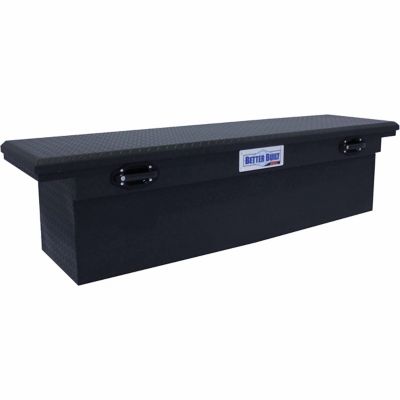
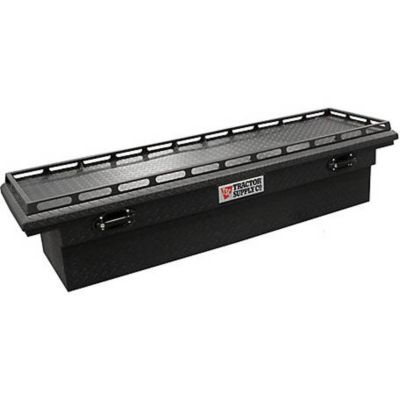
Small tool organizers suit everyone from a first-time homeowner building a basic tool collection to a mechanic who already knows every drawer in the shop by feel. Farm and ranch work often involves moving between tasks, and keeping related tools and hardware together can cut down on trips back to the bench. A compact setup for routine maintenance does not need to carry everything you own; it needs room for the pieces that tend to go along on the same job. There is real satisfaction in opening a box beside a gate or equipment shed and seeing the right sizes laid out instead of tangled in a coffee can. For storage that travels in a pickup, a
Truck Tool Box Organizer can be another part of keeping the larger work setup in order. Small organizers still need a secure place inside the vehicle or storage box so they do not slide around during travel. Back in the shop, visible contents and space for labels help distinguish similar-looking fasteners and separate different measurements. Keeping a little room for additions can be useful, especially when a tool collection grows one repair at a time. Storage is also a practical gift for someone setting up a garage, taking on more equipment maintenance, or bringing order to an established workspace. Matching the organizer to that person's habits matters more than choosing the largest option: a bench worker may appreciate easy-access trays, while someone working across a property may prefer a compact carrying design. A manageable loaded weight, convenient access, and a sensible place to put the organizer away all encourage regular use. Whether the next task is tightening hardware, checking equipment, or finishing a repair before heading indoors, small tool organizers help keep the essentials close at hand. They turn a jumble of little pieces into a collection that is easier to carry, easier to check, and easier to put back at the end of a working day.