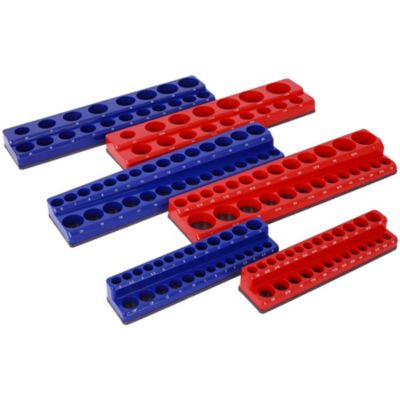
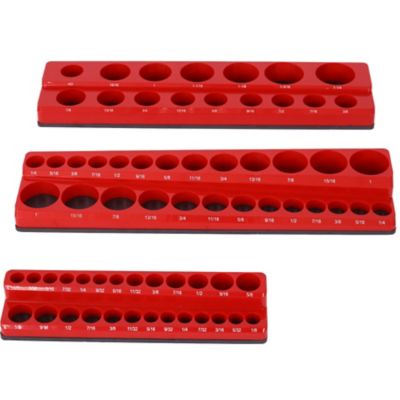
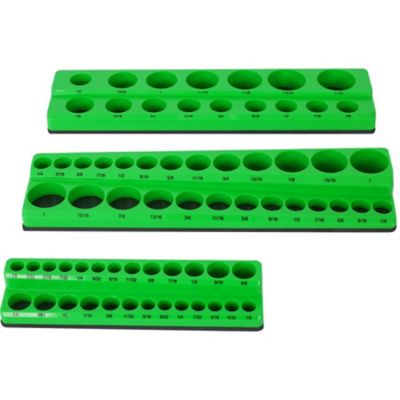
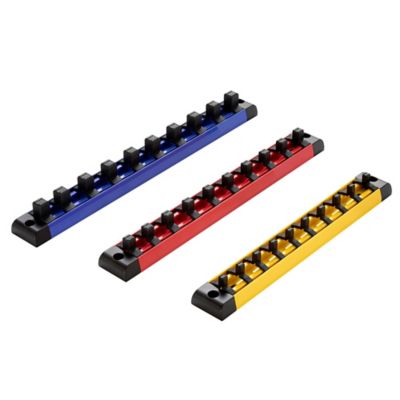
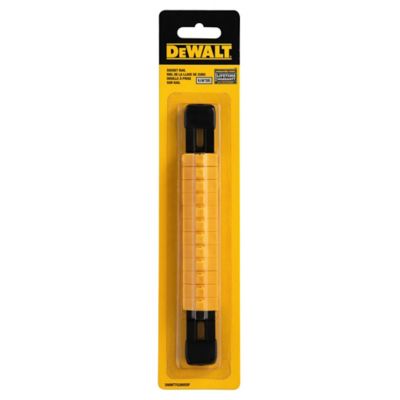
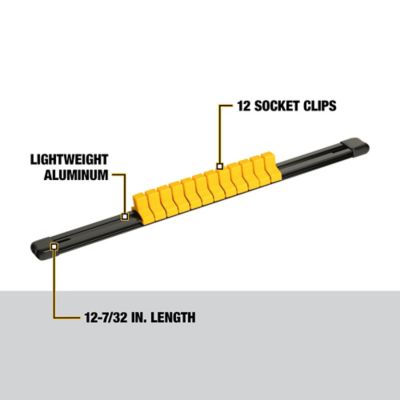
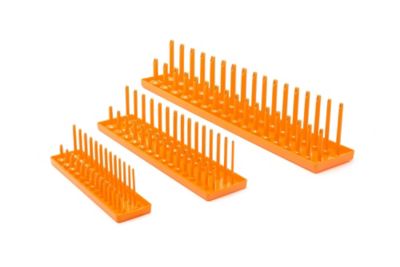
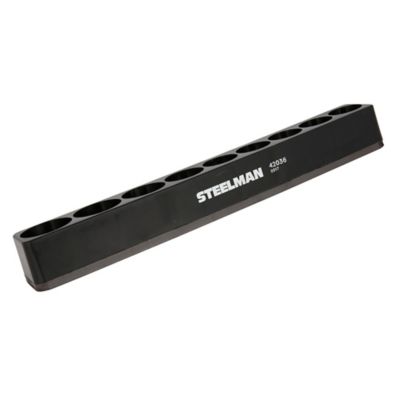
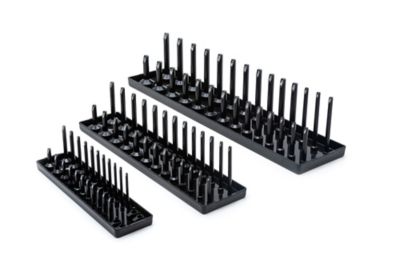
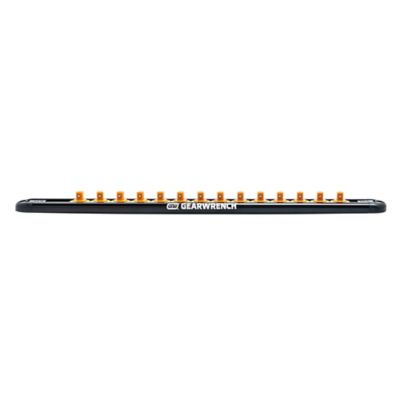
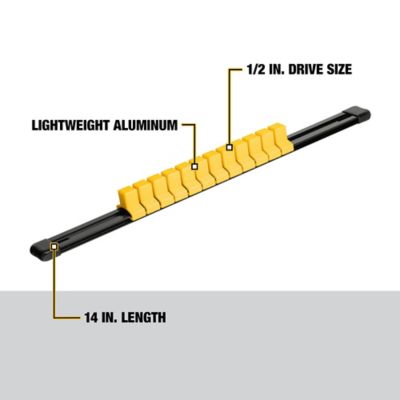
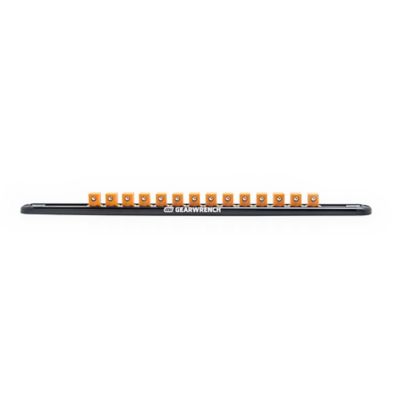
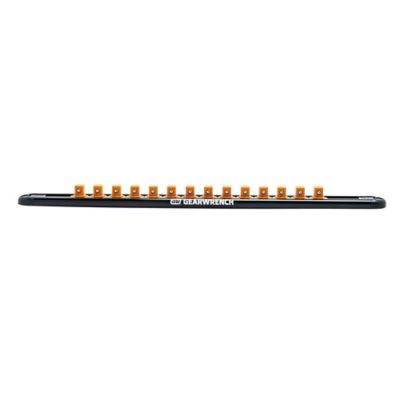
Socket organizer trays keep sockets sorted by drive size, fastener size, measurement system, and depth, making it easier to find the right fit for a repair. Common drive sizes include 1/4-inch, 3/8-inch, and 1/2-inch, while SAE and metric markings identify the fastener sizes each socket fits. Shallow and deep sockets need different amounts of storage space, so keeping those groups separate helps make a drawer easier to scan. In a farm shop, garage, or equipment shed, that organization comes in handy when a mower repair turns into a search for one missing socket. Instead of loose pieces rolling beneath a ratchet or gathering in the back corner of a toolbox, each socket has a place. Depending on the design, trays may hold sockets on upright posts, in shaped pockets, or along rails with retaining clips. Size labels can help identify an empty spot before the toolbox gets closed, especially when several people share the same tools. A tray also makes it easier to carry a group of sockets from the bench to a tractor, trailer, or work truck without taking the whole tool chest along. For someone maintaining fence equipment, tightening hitch hardware, or working under a pickup hood, having neighboring sizes together cuts down on trips across the shop. The best arrangement depends on the socket collection rather than the size of the toolbox alone. A small set may fit neatly into one tray, while a larger collection may need separate sections for each drive size and measurement system. Space for both shallow and deep versions of the same size helps keep a complete set together. Specialty sockets, extensions, and adapters may need their own storage, since a tray built around standard sockets will not necessarily fit every attachment. That clear separation makes it easier to see what belongs in the tray and what still needs to come back from the job.
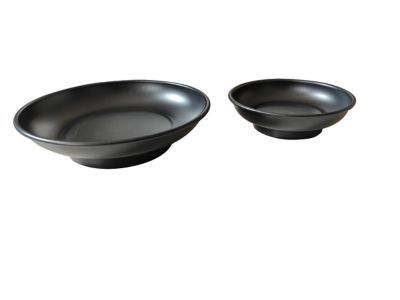
Materials and retention styles affect how socket organizer trays handle everyday shop work. Molded plastic trays are often lightweight, and the tray itself will not rust, though resistance to oils, cleaners, and impacts depends on the material. Metal trays can provide a firm base for heavier socket collections, with coatings or finishes that may help protect the surface from corrosion. Steel and aluminum designs have different weight and care considerations, so construction matters just as much as appearance. Magnetic designs may help hold steel sockets in place, and some also have a magnetic base for attachment to a suitable metal surface. Those are separate features; a tray that holds sockets magnetically does not necessarily attach to a tool chest. Post-style trays typically organize sockets by their drive openings, while pocket-style trays depend more on the socket’s outside dimensions. Impact sockets can have thicker walls than comparable hand sockets, so checking fit is important even when the marked fastener size matches. Clearance between positions matters, too, particularly when larger sockets sit next to each other. For drawer storage, the useful measurements include the tray’s length and width plus its height with sockets installed. Deep sockets standing upright may need more headroom than a shallow drawer provides. A tray should also leave room for the drawer to close without scraping socket tops or pinching a liner. On a bench or service cart, a stable base helps keep the tray from shifting when a socket gets lifted out. For travel between jobs, a stronger retaining system may be more suitable than open posts that simply support sockets at rest. Easy release still matters: a socket should come free without an awkward tug that tips the tray. Clear markings, enough finger room, and a layout that matches the way the tools get handled can make a bigger difference in daily work than squeezing the most sockets into the smallest space. Handles or lift-out sections, where provided, can also make a loaded tray easier to move between a drawer and a nearby work surface.
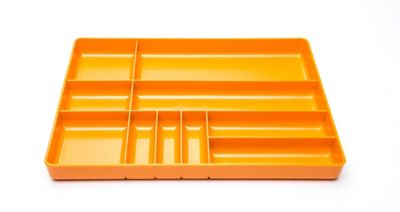
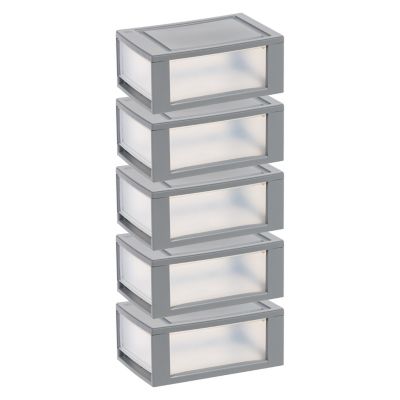
Socket storage works best as part of a setup that gives the rest of the small tools a place, too. Ratchets, extensions, bits, and adapters are easier to keep track of when they sit near the sockets without covering size markings or filling empty positions. Alongside socket trays,
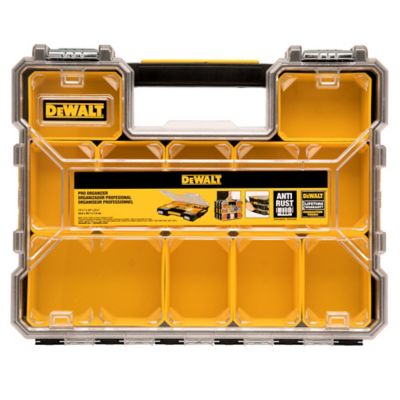
Small Tool Organizers can help separate those smaller pieces throughout a drawer, cabinet, or workbench. The goal is a layout that stays easy to read after a long repair, not just one that looks tidy before work starts. For a shared farm shop, separate areas for metric and SAE sockets can make putting tools back more straightforward. For a home garage, a compact tray may keep a frequently reached-for socket set close to the bench while less common sizes stay in a larger chest. Care is generally simple, but the tray’s material and manufacturer’s directions should determine the cleaning method. Wiping away grit and oily residue helps keep labels visible and prevents debris from collecting inside pockets or around posts. A soft brush can reach narrow spaces, while thoroughly drying the tray and sockets after cleaning helps limit moisture around metal parts. Strong solvents may affect some plastics, finishes, or printed markings, so cleaner compatibility matters. Magnetic sections can collect metal filings, which should be removed carefully rather than allowed to build up around the sockets. Checking clips, posts, and fasteners for wear can also help spot loose retention before a tray gets carried across the shop. Socket organizer trays make practical gifts for mechanics, equipment owners, and folks setting up their first serious toolbox, provided the drive sizes, socket counts, and drawer dimensions match their setup. Whether the work involves a utility trailer or a well-maintained mower, an orderly socket collection keeps the next repair from starting with a rummage through loose tools.