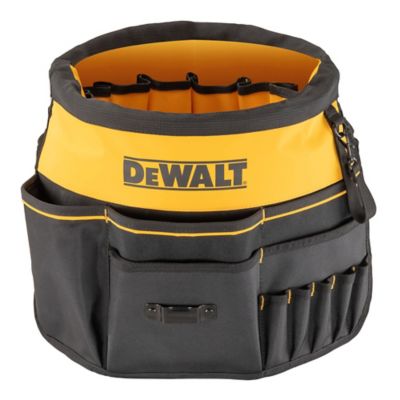
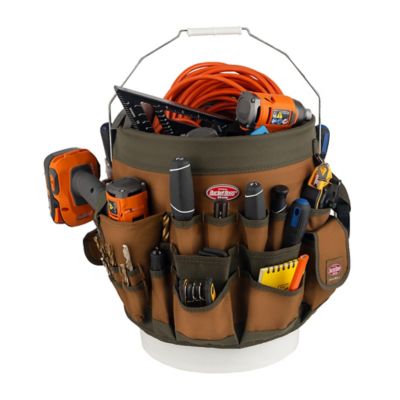
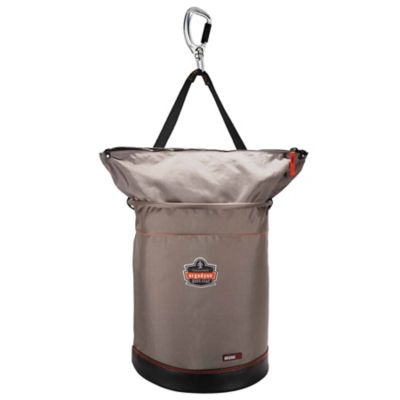
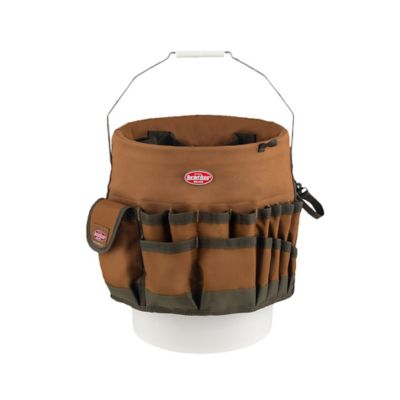
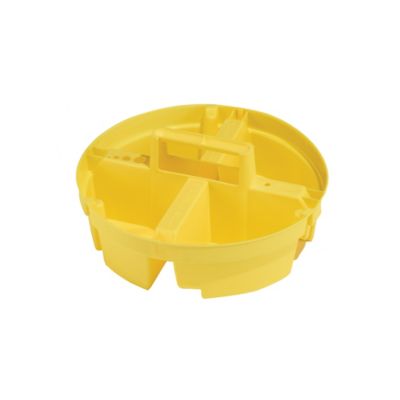
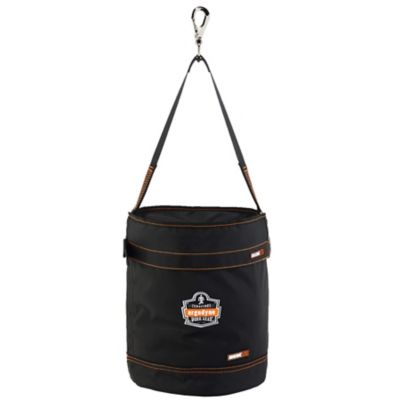
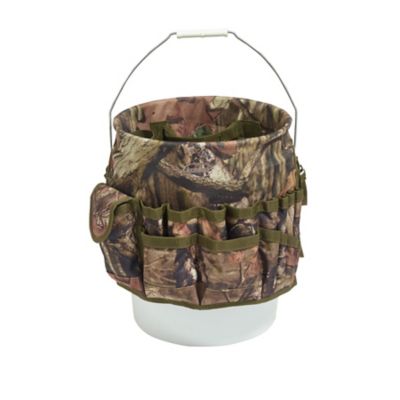
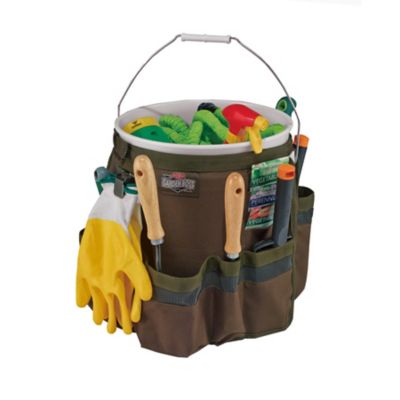
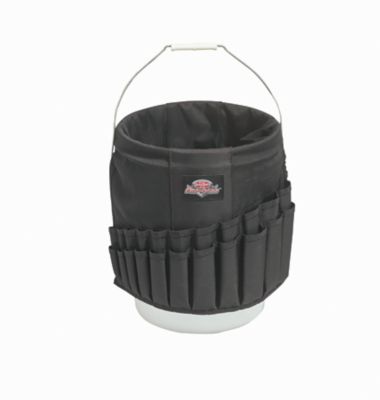
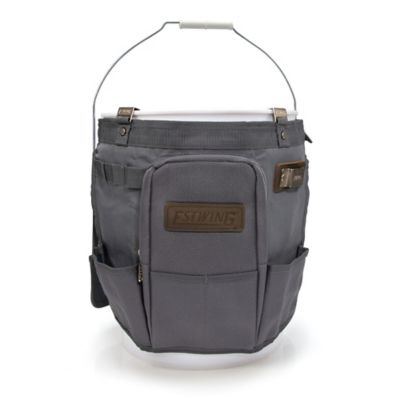
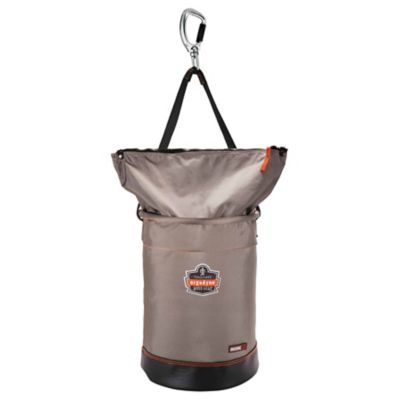
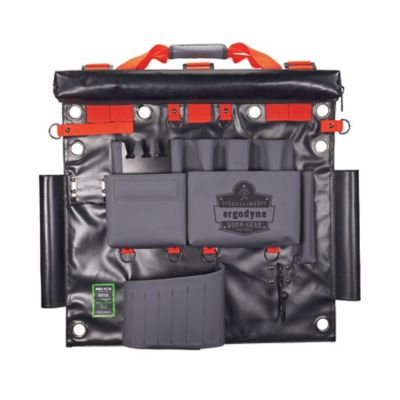
A tool bucket organizer turns a familiar work bucket into a carry-along spot for the tools that tend to travel from one job to the next. Instead of digging through a pile of handles and hardware, the layout puts everyday essentials in separate pockets around the bucket’s rim, with room in the middle for larger gear. That setup makes sense for fence repairs, barn upkeep, household fixes and all the little jobs that start with grabbing a handful of tools. A pair of pliers can ride within reach while a tape measure, screwdriver and pencil each have a place to land between tasks. For folks walking from the shop to an outbuilding, keeping that working set together can cut down on trips back for something left on the bench. Many bucket organizers are shaped to fit common five-gallon buckets, though bucket size alone does not tell the whole story. The diameter across the top, the shape of the rim and the depth of the organizer all affect how the fabric sits. A good match lets the organizer settle around the opening without bunching up or blocking the bucket handle. Handle clearance matters when lifting a loaded bucket, especially when longer tools fill the outer pockets. The center opening is another useful consideration: some layouts leave a broad space for larger gear, while others give more room to inward-facing pockets. Neither arrangement suits every task. Someone tending gates and fencing may prefer quick access around the outside, while a person handling indoor repairs may want more separation for smaller tools. The best fit comes from matching the layout to the gear that actually leaves the workbench, rather than choosing by pocket count alone. A bucket organizer earns its place when it makes the tools easier to carry, see and put back without adding extra fuss to the job. It also gives a familiar bucket a clear role in the shop, ready to carry a regular working set instead of collecting loose odds and ends.
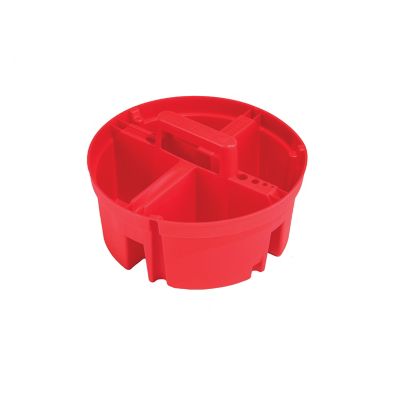
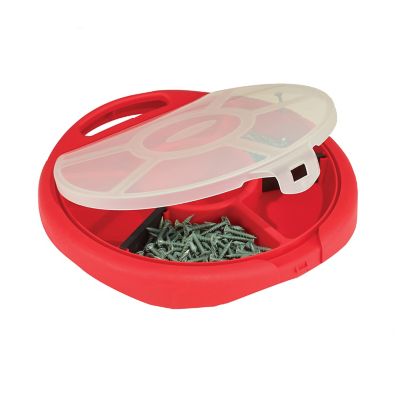
Fabric and construction make a difference once a bucket organizer starts going along for daily chores. Canvas and synthetic fabrics such as polyester or nylon offer different weights, textures and care needs, so material descriptions are worth a close look. Heavier fabric can provide more body around loaded pockets, while a lighter construction may keep the whole setup easier to carry. Reinforced stitching at pocket corners, bound edges and firmly attached loops help support the places that take repeated pulling and rubbing. Tool handles sliding in and out, a loaded pocket brushing a doorframe and an organizer being lifted off the bucket all put strain on those small details. Pocket shape matters just as much as fabric weight. Narrow slots help keep slender tools upright, deeper pockets give longer handles more support, and wider compartments make room for gear with a broader grip. A pocket that swallows a short tool can be frustrating, while one that barely holds a long tool may leave it leaning into the carrying space. Some designs include loops, clips or covered compartments for a different mix of gear; those features are most useful when they serve a regular task rather than simply adding more places to fill. Open pockets make tools easy to spot, while closures can help keep small contents contained as the bucket moves. Loose screws, washers and other small fasteners often benefit from separate containers rather than an open fabric pocket where they can settle into the corners. For that part of the setup,
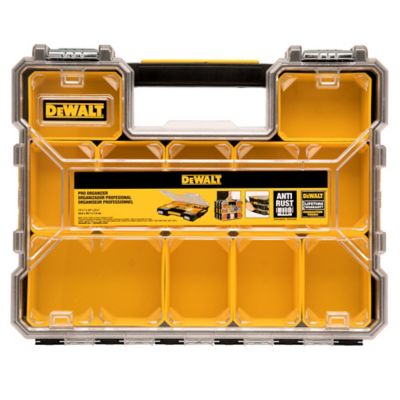
Small Tool Organizers can complement a bucket organizer by keeping little parts sorted within the larger load. A balanced arrangement also makes carrying more comfortable. Spreading heavier tools around the bucket helps keep one side from pulling harder than the other, and leaving the handle path clear prevents an awkward grip. Filling every pocket is less important than keeping the tools secure and the total load manageable for the distance between the shop, truck and work area.
Tool bucket organizers suit a wide range of people because the same basic format can serve very different routines. A homeowner may keep one ready for tightening cabinet hardware, hanging a shelf or fixing a loose latch. Around a farm or acreage, an organizer can carry the hand tools needed for checking gates, adjusting equipment or making a small repair away from the shop. Tradespeople may find the open layout handy for a focused set of tools that travels between nearby work areas, while gardeners can use suitable pockets to keep hand tools from disappearing into the bottom of a bucket. The job should determine the load: sharp edges need protective covers, pointed tools should sit securely, and tools that extend well above the rim need enough clearance to avoid catching on nearby surfaces. A bucket organizer can also make a practical gift for someone setting up a first workshop, taking on property upkeep or bringing a scattered tool collection into better order. Matching the pocket layout to that person’s routine gives the gift more purpose than a pocket count on its own. Care is generally straightforward, but the fabric and any coatings determine the right cleaning method. Manufacturer care directions take priority, since machine washing, strong cleaners or high heat may not suit every construction. Empty pockets are easier to clear of sawdust, grit and bits of hardware, and a soft brush can help reach the seams where debris collects. Allowing damp fabric to dry fully before storage helps keep moisture from lingering against tools. Occasional checks of stitching, pocket edges and attachment points can reveal wear before a tool slips through a weakened spot. Stored upright with the pockets accessible, the organizer can serve as a home base between jobs as well as a carrying setup during them. With a sensible fit and a layout that suits the work, it keeps the everyday tool lineup close at hand without turning each small repair into a search through the shop.