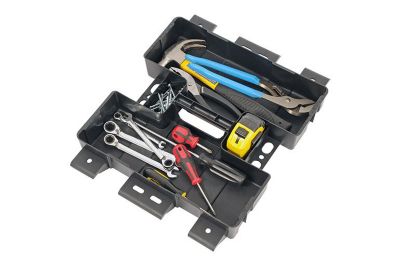
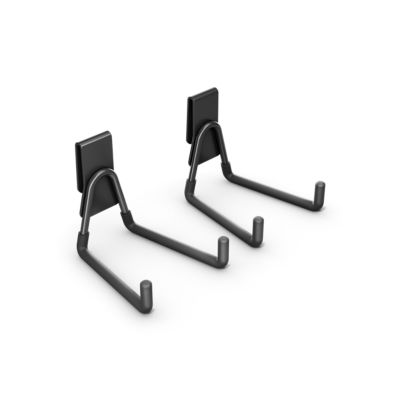
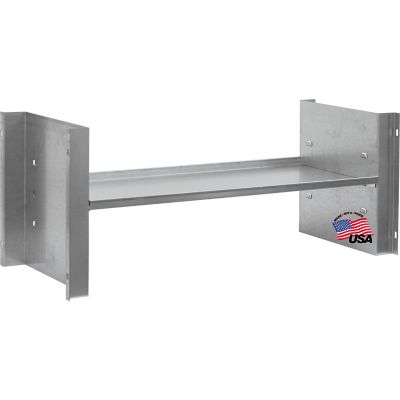
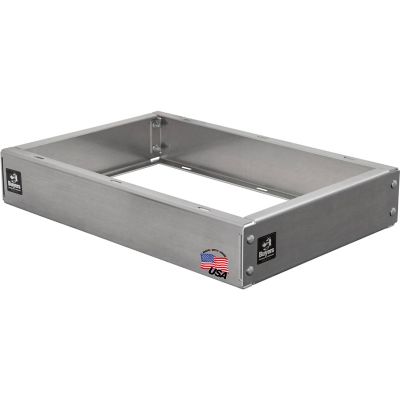
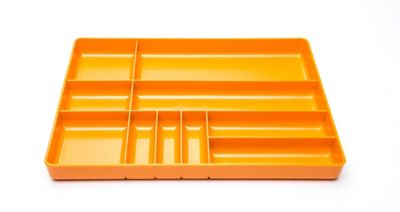
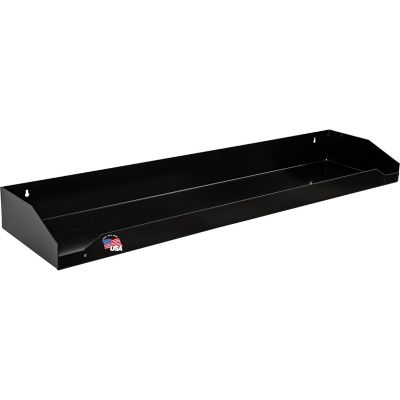
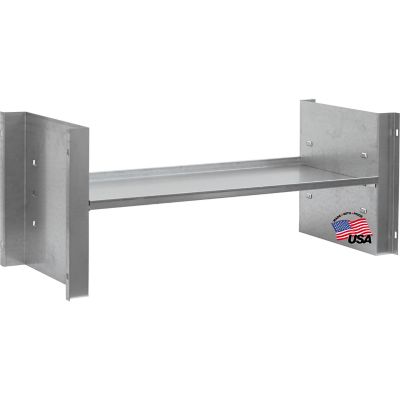
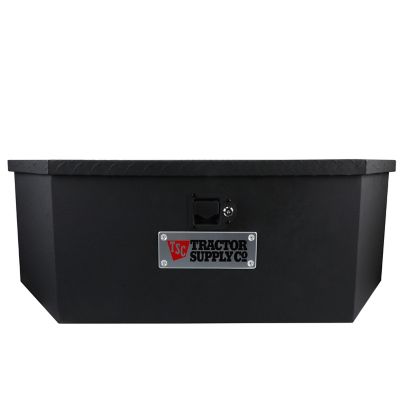
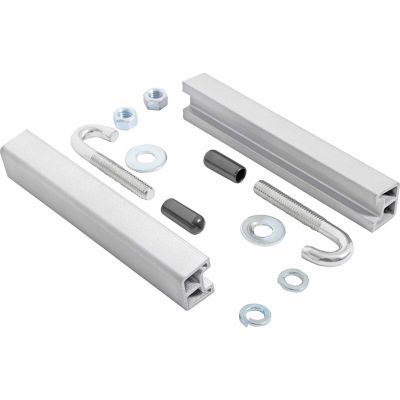
Tool box accessories help keep tools organized, protect them from scratches and shifting, and make everyday equipment easier to reach. From a small carry box behind the truck seat to a rolling chest in the farm shop, the right setup gives each wrench, socket, and fastener a place to land. Drawer liners, removable trays, dividers, and holders serve different purposes, but they all help turn open storage space into a more workable arrangement. A shallow tray keeps small parts from disappearing beneath larger tools, while a socket organizer makes missing sizes easier to spot before a repair job gets underway. Divided compartments can separate nuts, washers, electrical connectors, and other small hardware that tends to collect in the bottom of a box. For someone moving between the barn, equipment shed, and garage, a lift-out organizer can bring the tools for one task along without hauling the whole chest. Fit matters as much as layout. Interior width, depth, and clearance determine whether an accessory sits flat, lets a drawer close freely, and leaves enough room to grab a handle. A box’s outside dimensions do not always reflect the space inside, especially around hinges, lid braces, and drawer slides. Adjustable dividers offer flexibility for tools of different lengths, while fixed compartments provide a consistent spot for smaller pieces. The most practical arrangement also reflects the work at hand. A mechanic may want sockets and ratchets close together, while someone maintaining fence and livestock equipment may need room for pliers, punches, and spare hardware. Keeping related tools together cuts down on digging and helps make cleanup less of a chore. Clear sightlines matter, too: when tools are not piled on top of one another, it is easier to notice an empty slot, spot a damaged handle, or find the right size without unloading a drawer. That kind of organization earns its place whether the box travels all day or stays beside the workbench.
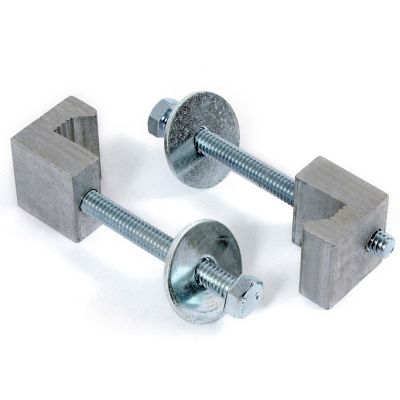
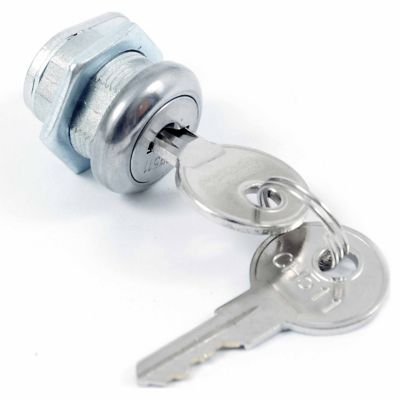
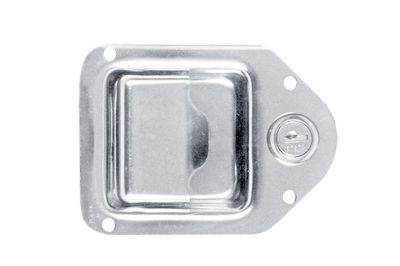
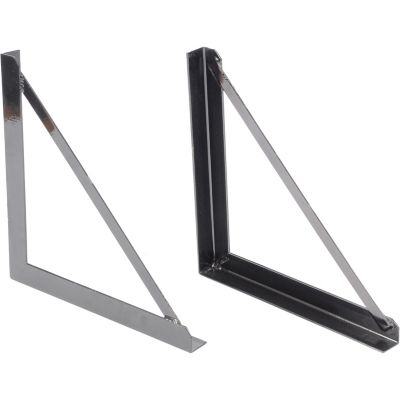
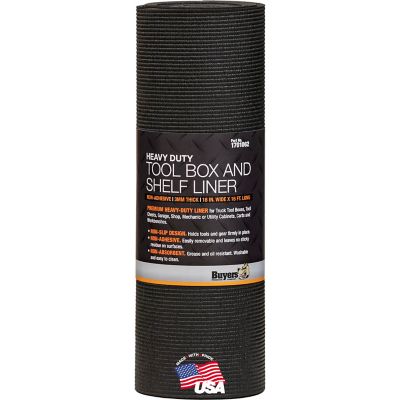
Materials and construction affect how tool box accessories handle weight, movement, and repeated contact with metal tools. Rubber and other flexible drawer liners can add grip and cushioning, helping keep tools from sliding every time a drawer opens. Foam inserts provide defined spaces for individual pieces and can help separate tool surfaces that would otherwise rub together. Molded plastic trays and bins are often lighter to carry and easier to wipe out after small hardware leaves grit behind. Metal organizers can offer firm support for heavier tools, though exposed edges and contact points deserve attention around finished surfaces. No single material suits every job, and resistance to oil, grease, cleaners, and other shop substances depends on the accessory’s construction and manufacturer’s care directions. A liner that works well beneath dry hand tools may not be intended for contact with solvents. Raised edges can help contain loose pieces, but an open tray should not be treated as a sealed container. For storage that moves with a truck or service cart, retention matters along with cushioning. Socket clips, fitted compartments, and secure dividers can help limit shifting, provided they match the tools and storage system. Magnetic holders may be useful for compatible metal pieces, but they will not hold every material, and their grip depends on the mounting surface and load. Liners and inserts also take up space, so a thick pad beneath tall sockets can affect drawer clearance. Accessory fit becomes especially important with replacement handles, latches, locks, or mounting hardware, where attachment points and dimensions need to match the box. Those parts should follow the storage manufacturer’s compatibility requirements rather than appearance alone. Added storage does not raise a drawer’s weight rating or make a carrying handle suitable for a heavier load. A thoughtful setup balances organization with the box’s limits, leaving drawers easy to operate and tools easy to lift out without catching fingers against crowded edges.
The way a tool box gets carried, opened, and cleaned shapes which accessories make sense over the long haul. In a stationary chest, drawer organization may do most of the work; in a portable box, secure compartments and manageable weight become just as important. Keeping heavy tools low can support a steadier arrangement, while lighter supplies can sit in an upper tray where they are easier to see. Frequently reached-for tools benefit from an accessible spot, but they still need enough separation to avoid tangling handles or trapping smaller parts underneath. Storage for drills, drivers, and related equipment calls for another kind of layout. Accessories that work well with
tool boxes for power tools leave room for the tool body, attachments, and protected battery contacts without putting pressure on switches or bending cords sharply. Battery storage and charging should follow the equipment manufacturer’s directions; an enclosed tool box is not automatically a suitable charging space. Small compartments can keep bits and adapters together, while removable inserts make it easier to change the arrangement when the work changes. Care is usually straightforward, but it makes a difference. Loose grit can scratch tool finishes, oily residue can make a liner slippery, and trapped moisture can contribute to corrosion on metal surfaces. Removable trays and liners allow access to the bottom of the box so debris can be cleared away, with surfaces allowed to dry before tools go back in. Clips, dividers, and attachment hardware also benefit from occasional checks for cracks, looseness, or wear. For a practical gift, an organizer that fits a familiar tool box can be a thoughtful choice for a mechanic, a farm owner, or someone building a home workshop. Knowing the box’s interior measurements and the recipient’s usual tasks helps avoid an awkward fit. The payoff is simple: less rummaging through loose hardware, fewer tools knocking together, and a storage setup that feels ready for the next repair.